DC’s iconic cherry blossoms reach earlier-than-average peak bloom for 8th straight year
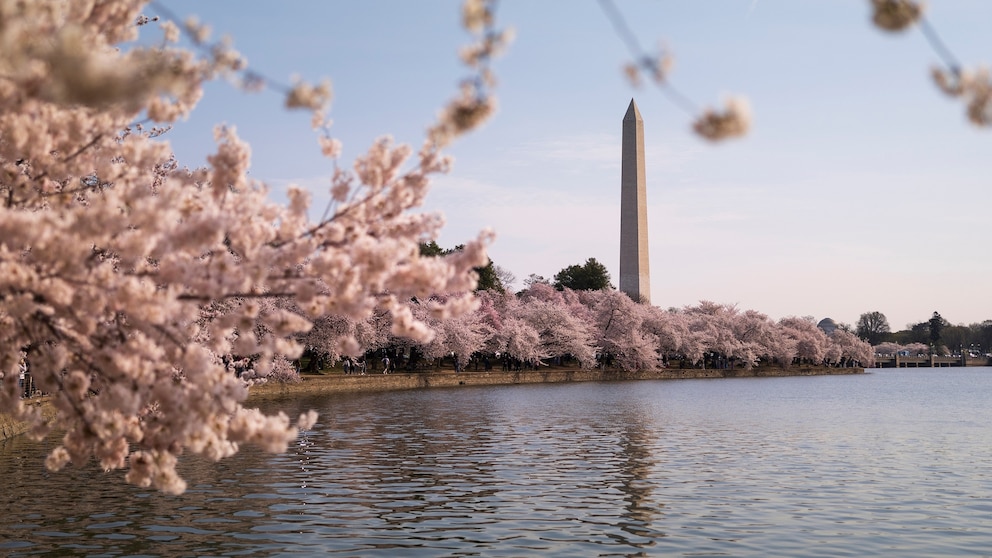
Despite Washington, D.C., experiencing its coldest winter in more than two decades, persistent above-average warmth in March pushed the Tidal Basin’s cherry blossoms to another early peak bloom, reflecting a longer-term trend.
The National Park Service announced Thursday morning that the cherry blossoms have reached “peak bloom,” defined as when 70% of the Yoshino cherry blossoms are open. Last year, peak bloom occurred on March 28. In 2024, the peak bloom date of March 17, tied for the second-earliest on record, matching the bloom in 2000.
Peak bloom at the Tidal Basin has been trending earlier in recent years. This is the 7th year in a row with a March peak bloom date, and the 8th year in a row that peak bloom is earlier than average. The last time peak bloom was later than average was in 2018, when it occurred on April 5.
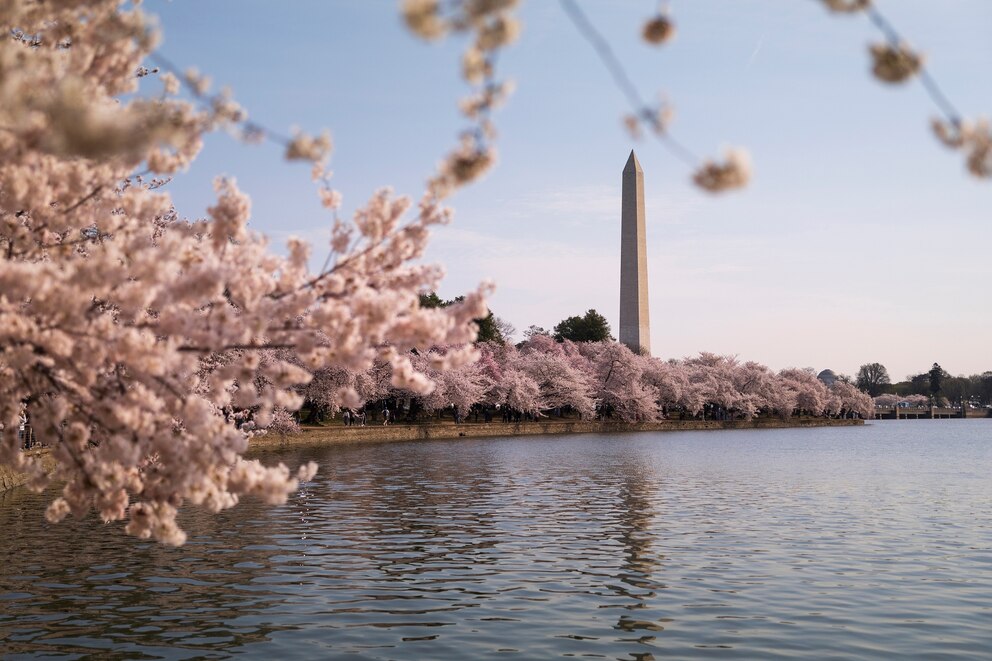
Since 1921, peak bloom dates have shifted, with peak bloom now about 8 days earlier, on average. Updated calculations, including data through 2024, show the average peak bloom date for D.C.'s cherry blossoms has moved a day earlier, from April 4 to April 3, according to the EPA. The peak bloom date has occurred before the April 3 average in 16 of the last 20 years. Peak bloom has occurred as early as March 15 (1990), and as late as April 18 (1958), the National Park Service said.
Human-amplified climate change is driving seasonal shifts, including milder, shorter winter seasons and an earlier onset of spring warmth, according to the Fifth National Climate Assessment. These shifts are contributing to the long-term change in peak bloom dates.
It’s not just rising temperatures affecting the renowned annual event. Sea level rise is also threatening both the quality of the blooms and the long-term health of the cherry trees. Over the past century, sea level in the Washington, D.C., area has risen by more than a foot, according to the National Oceanic and Atmospheric Administration.
When the Tidal Basin floods, saltwater can saturate the soil and seep into the cherry trees' roots, which depend on dry land and fresh water to thrive. The National Park Service warns that excessive saltwater intrusion can weaken the trees over time, and in some cases, eventually kill them.