Deepwater Horizon Oil Spill: How Officials Are Working to Prevent Another Tragedy
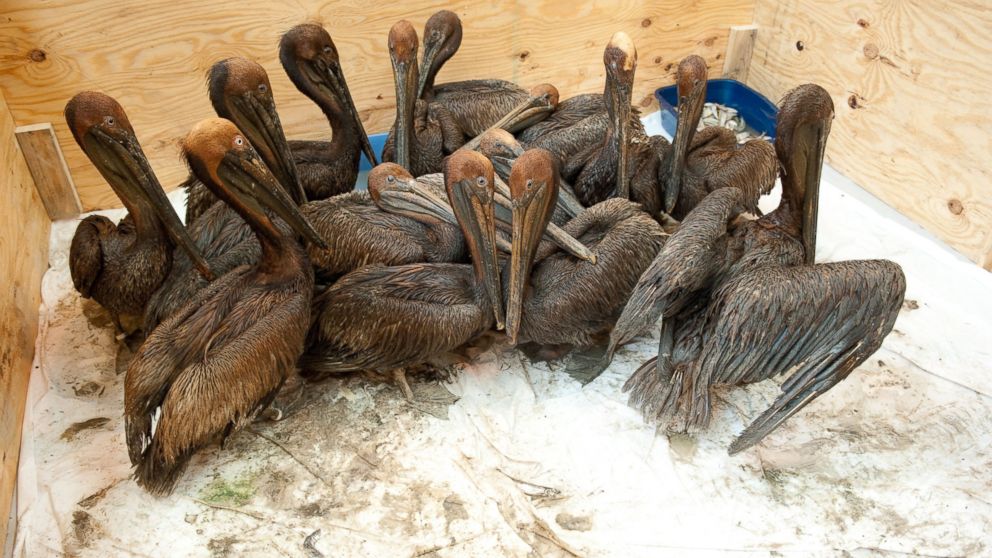
— -- Six years after the Deepwater Horizon oil spill, officials are still working to ensure such a tragedy never happens again.
On April 20, 2010, an explosion occurred on the Deepwater Horizon oil platform, killing 11 workers and triggering the worst oil spill in U.S. history. It took 87 days to cap the well. During that time, 3.19 million barrels of crude oil were dumped into the Gulf of Mexico.
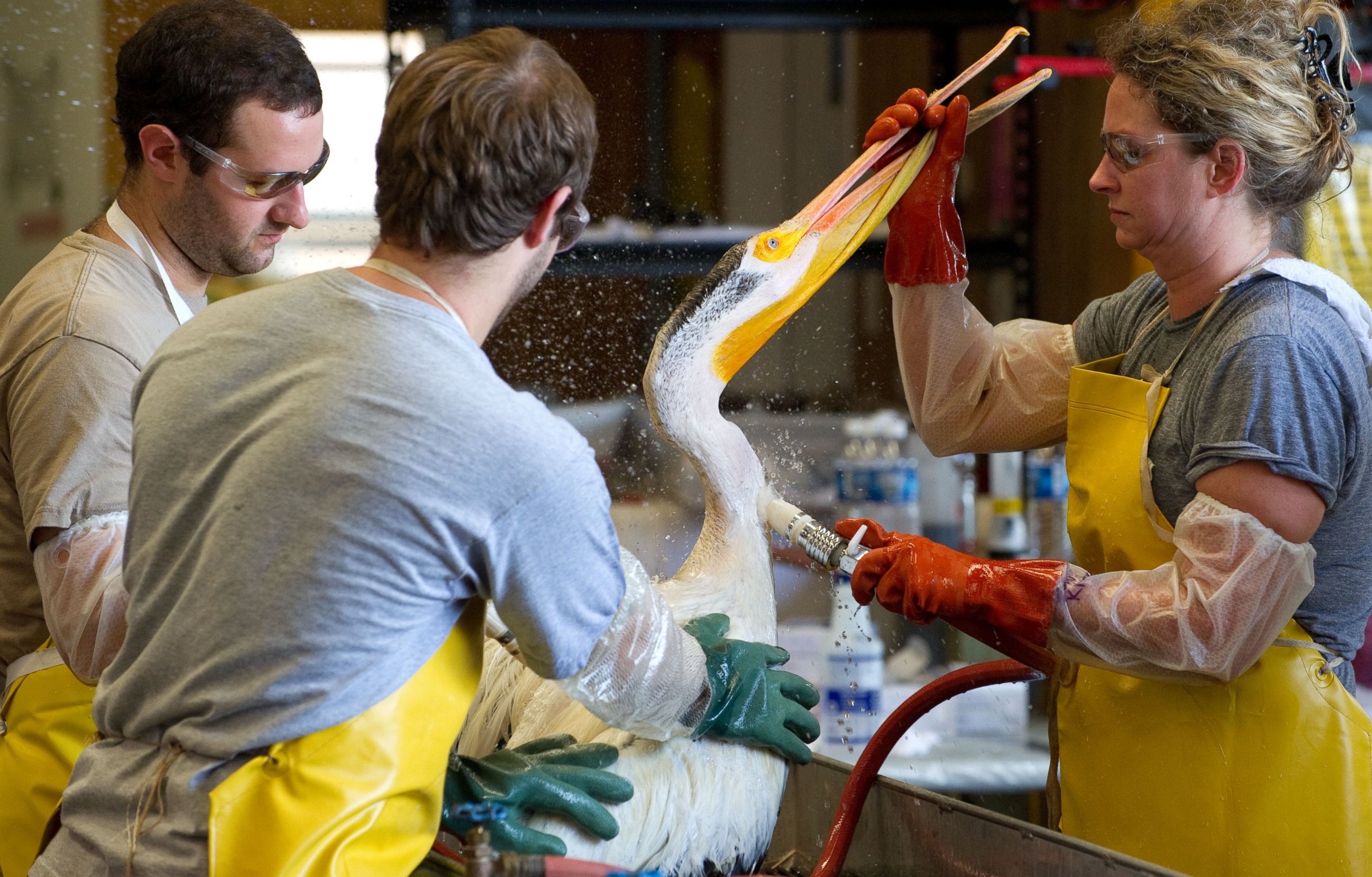
Litigation against Transocean, which owned the rig, and BP, which leased the rig, began shortly after the explosion. Most of that litigation has since been settled, with a large portion of the funds paid by the responsible parties allocated to Gulf restoration efforts.
Here’s a quick review of what's being done with the money paid by Transocean and BP, as well as the industry changes and new regulations that have been put in place to prevent something like this from occurring in the future.
What's Being Done to Help the Gulf?
In 2012, the Obama administration passed the RESTORE Act (Resources and Ecosystems Sustainability, Tourist Opportunities, and Revived Economies of the Gulf Coast States Act) in response to the Deepwater Horizon tragedy.
It created the Gulf Coast Ecosystem Restoration Council to ensure stakeholders in the region will work together to manage the area's recovery and the funds provided by BP and Transocean as penalties under the Clean Water Act.
According to the Gulf Coast Ecosystem Restoration Council’s 2015 Annual Report to Congress, BP’s negotiations are still ongoing, but they are expected to be required to pay $5.5 billion plus interest in civic penalties. Transocean has already completed its payment of $1 billion plus interest.
After five years of research, the council came up with a list of ten key watersheds around the Gulf where it plans to focus its restoration efforts. The council plans to implement those efforts this year.
How Can We Keep This From Happening Again?
After an aggressive investigation by the U.S. Department of the Interior, the Bureau of Safety and Environmental Enforcement (BSEE) and the Bureau of Ocean Energy Management (BOEM) have implemented significant changes to their procedures, according to a Deepwater Horizon Fact Sheet created by BSEE and BOEM.
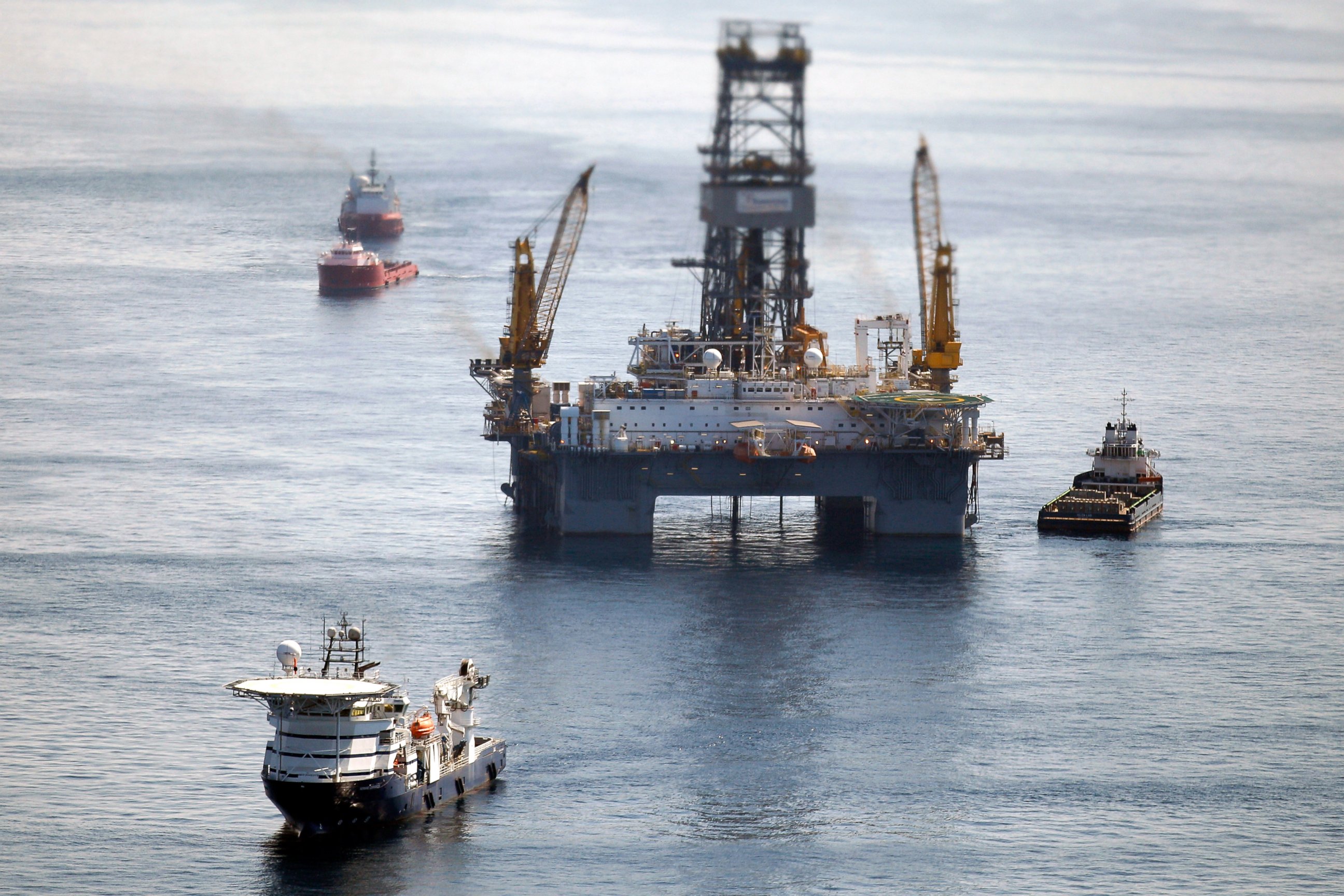
Some of the changes the BSEE instituted include increasing well-design standards, creating a Safety Enforcement Division -- which monitors the execution and effectiveness of the enforcement activity -- and increasing its inspection workforce in the region from 55 in April 2010 to 107, the fact sheet states.
Meanwhile, the BOEM has strengthened its environmental review process, created the Office of Environmental Programs -- which is designed to better integrate science into decision-marking at every stage of the oil and gas development process -- and increased the limit of liability of responsible parties for oil spills from $75 million to $134 million, among other reforms, according to the fact sheet.
And, after finalizing standards this month, the BSEE announced the Well Control Rule to “increase equipment reliability and build upon enhanced industry standards,” the fact sheet states. The rule requires operators to demonstrate they have all necessary equipment for subsea well control and containment before operations.
Greg Julian, press secretary at the BSEE, told ABC News that although this creates higher standards for subsea drilling, it is not one-size-fits-all because it allows for changes to the pressure minimums as long as the operator can prove it maintains control.