Could Democrats' support for federally mandated busing hurt their chances in 2020?
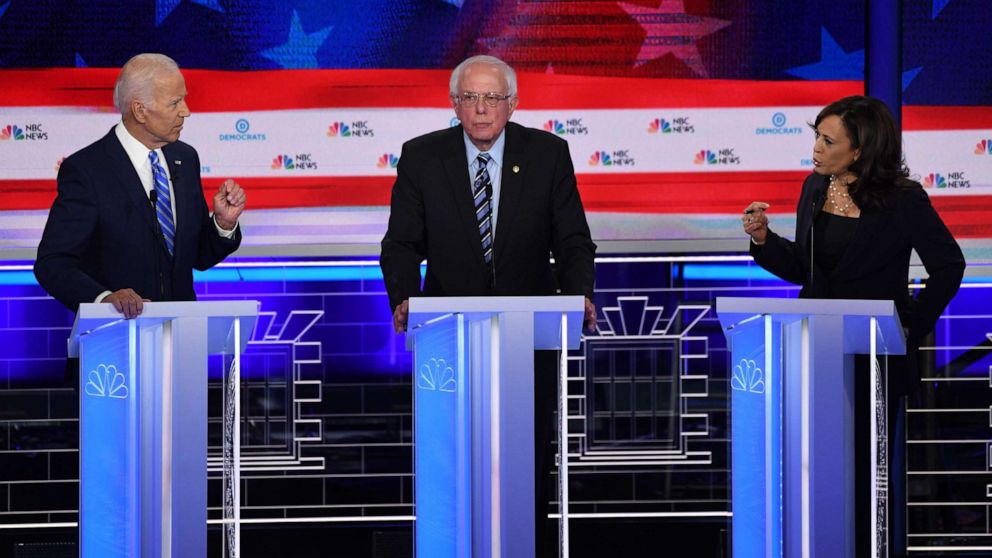
After 2020 presidential candidate Sen. Kamala Harris attacked former Vice President Joe Biden during the first Democratic presidential debate for opposing busing in the 1970s, it sparked a larger conversation among candidates about whether the federal government should return to forced busing to integrate America's schools.
"I support the busing," Harris, D-Calif., said Sunday to reporters. "The schools of America are as segregated or more segregated today than when I was in elementary school. And we need to put every effort, including busing, into play to desegregate the schools."
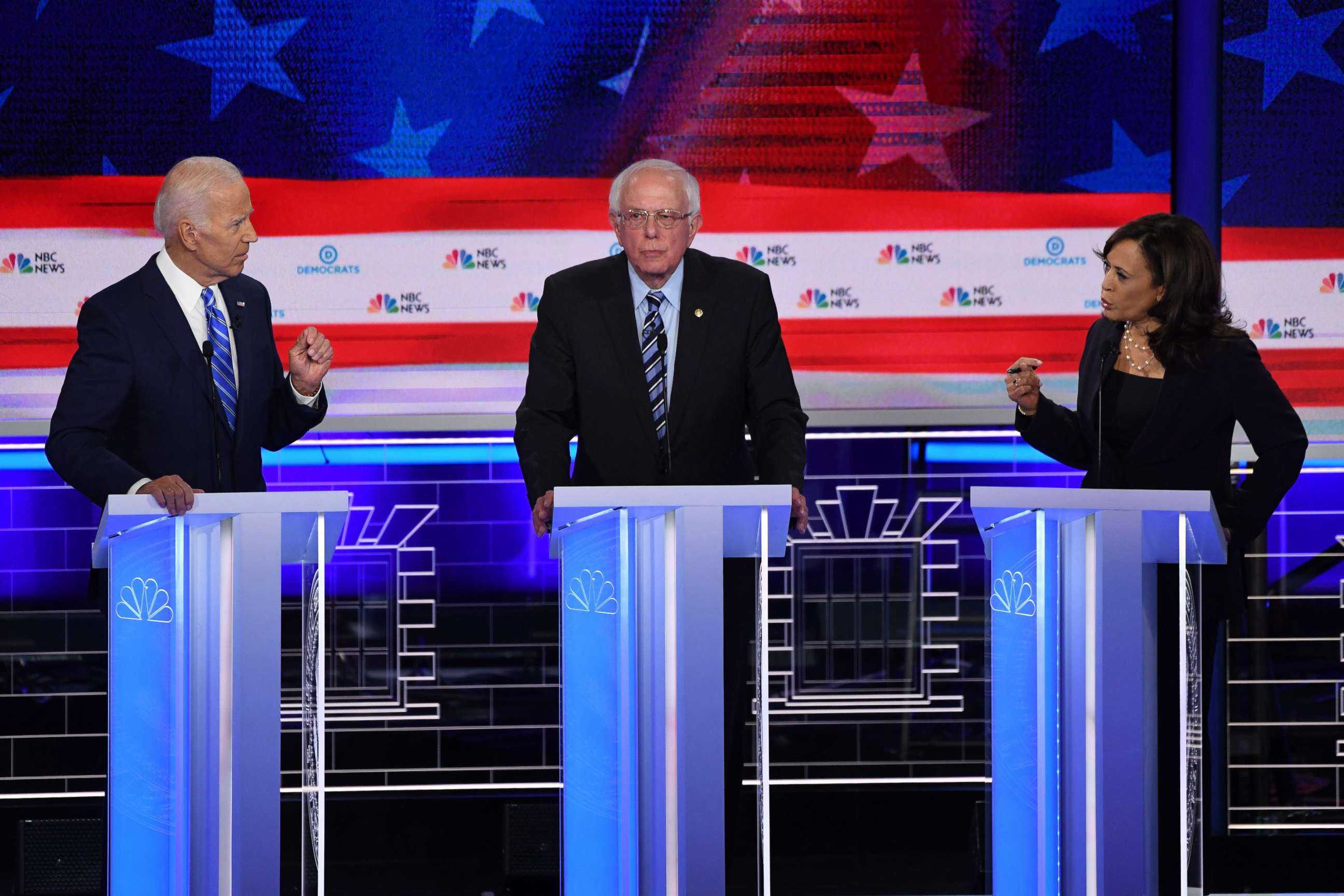
Harris isn't the only 2020 presidential candidate to weigh in on federal court-ordered busing. Sen Kirsten Gillibrand, D-N.Y., said that she wasn't opposed to federally mandated busing as an option and Sen. Bernie Sanders, D-Vt., said on ABC's "This Week" on Sunday that while busing is an "option," it is better to focus on fair housing legislation.
"Busing is certainly an option that is necessary in certain cases, but it is not the optimal," Sanders said. "Does anybody think it's a good idea to put a kid on a bus, travel an hour to another school, into another neighborhood that he or she doesn’t know, that's not the optimal. What is the optimal is to have great community schools which are integrated."
Although Harris was able to undercut Biden at the debate, is stressing mandated busing forward a winning strategy in the Democrats' drive to win back the White House?
According to Larry Sabato, director of the University of Virginia Center for Politics, busing was an "enormously unpopular practice" that went "several steps too far."
At the same time, he said that it made perfect sense for Harris to use this issue to gain traction and voters in the primary election.
"I think it’s helped her more than it’s hurt her," Sabato said. "When you’re running against a front runner like Biden and you’re well behind in the pack, you have to use anything and everything you’ve got to bring the front-runner down."
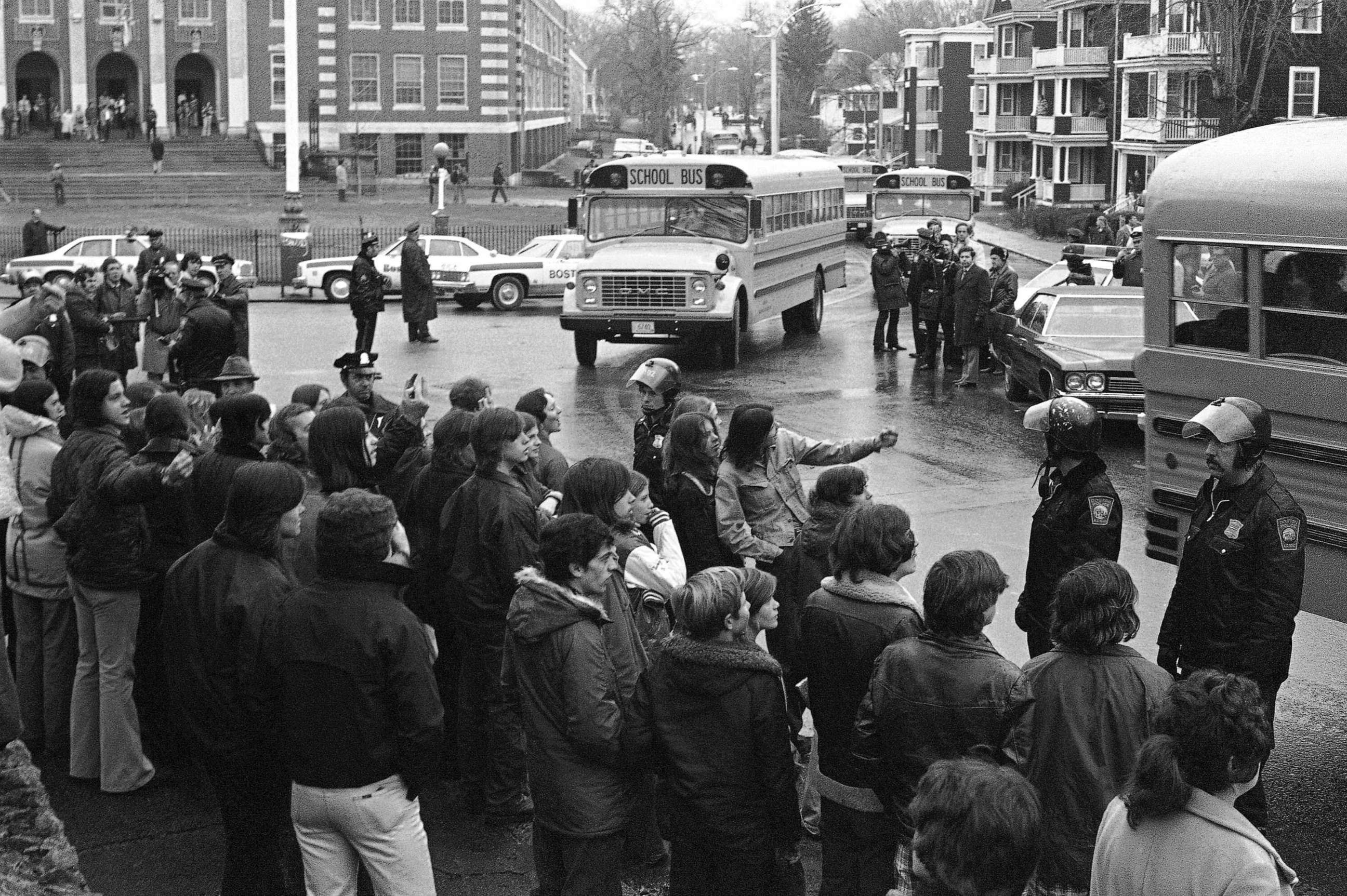
However, while what Harris did in the debate may be a winning strategy in the primary election, Sabato said it could come back to cause problems for her if she were to win the Democratic nomination or even if she is on the 2020 Democratic ticket as vice president.
"If she’s the nominee, Trump will never let it go," Sabato said. "That’ll become the substitute for coming right out against her on racial grounds."
Democratic political consultant Don Shaw added the "complex and divisive" issue could be a hindrance for Democrats seeking to beat Trump, who has repeatedly used race-related issues such as birtherism to fire up his base.
"This is not an issue that is favorable for Democrats in a fight against Donald Trump," Shaw said. "The last thing the Democrats need is to create a divisive issue out of nothing and hurt our chances in the general election to take back the White House."
A 2007 poll conducted by Pew Research found that 59 percent of Americans would prefer that students stay in their local schools, even if that meant most students would be of the same race.