'Demonic' sea lion reports spark concerns about toxic algae on California coast

Sea lions on the California coast are reportedly displaying strange behavior, likely due to a harmful algae bloom impacting the region, according to marine researchers.
The sea lions are likely being poisoned by domoic acid, a neurotoxin within the algae blooms, which they ingest through the fish they eat, according to marine experts. Ingesting domoic acid can cause amnesic shellfish poisoning in humans and marine mammals, according to the Marine Mammal Care Center.
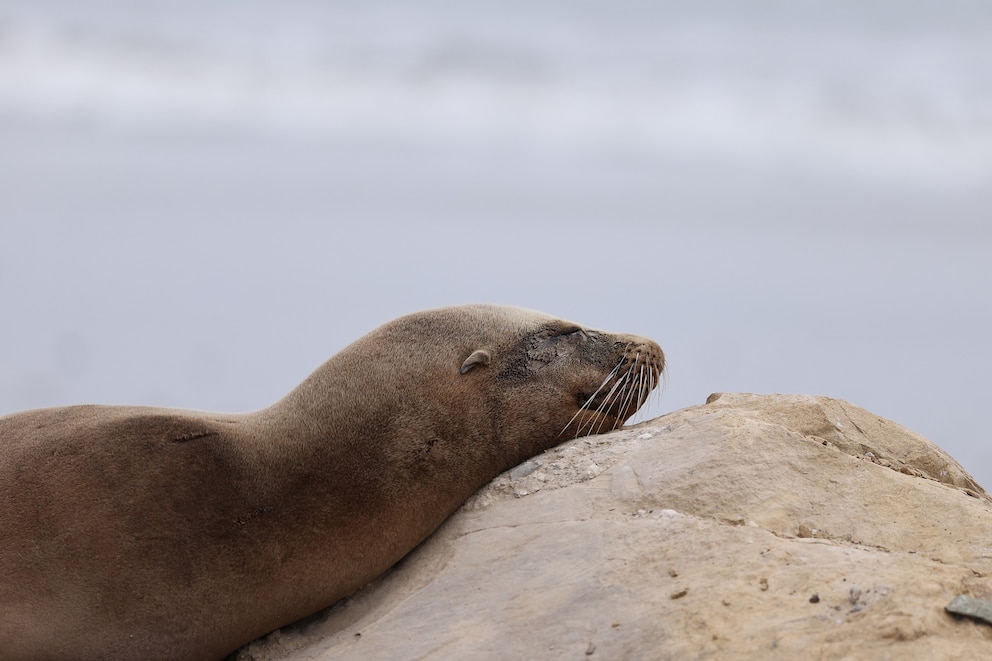
There have been reports of the marine mammals acting aggressively in some cases, and in others, they appear lethargic, Jeni Smith, rescue supervisor at SeaWorld San Diego, told ABC San Diego affiliate KGTV. Smith described one sea lion who appeared to be "star-gazing."
"Some animals seem very, very sleepy, maybe right after having a seizure," Smith said. "They may be abnormally aggressive."
Harmful algal blooms occur when colonies of algae grow out of control and produce toxic or harmful affects on people, according to the National Oceanic and Atmospheric Administration. Some blooms produce toxins that can kill fish, mammals and birds. In some cases, the algal blooms can cause illness or death in humans, according to NOAA.
The toxic algae blooms typically only form every four to seven years, but warming temperatures and an increase of pollution can increase the growth and occurrences, according to the Centers for Disease Control and Prevention.
Recently, marine researchers in Southern California have witnessed consecutive years of harmful algal blooms, Dave Bader, chief operations and education officer at the Marine Mammal Care Center in San Pedro, told KGTV.
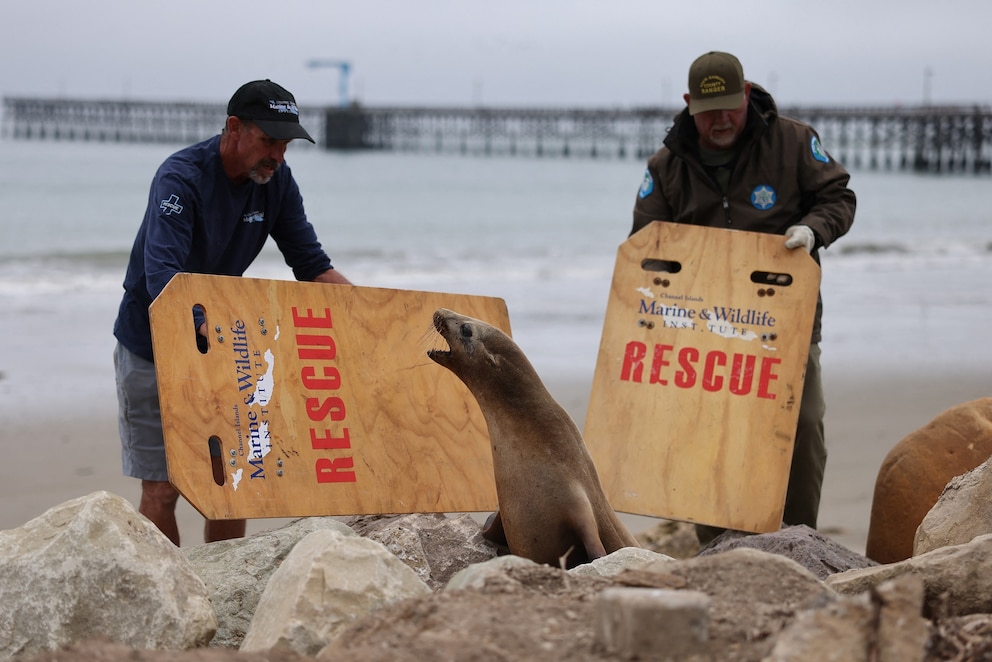
The Marine Mammal Care Center has taken in nearly 150 sea lions since February, Bader said. There have been reports of dolphins and seabirds falling ill as well, and this event could be worse than the bloom that occurred in 2023, which killed 1,000 sea lions, according to the marine conservation group.
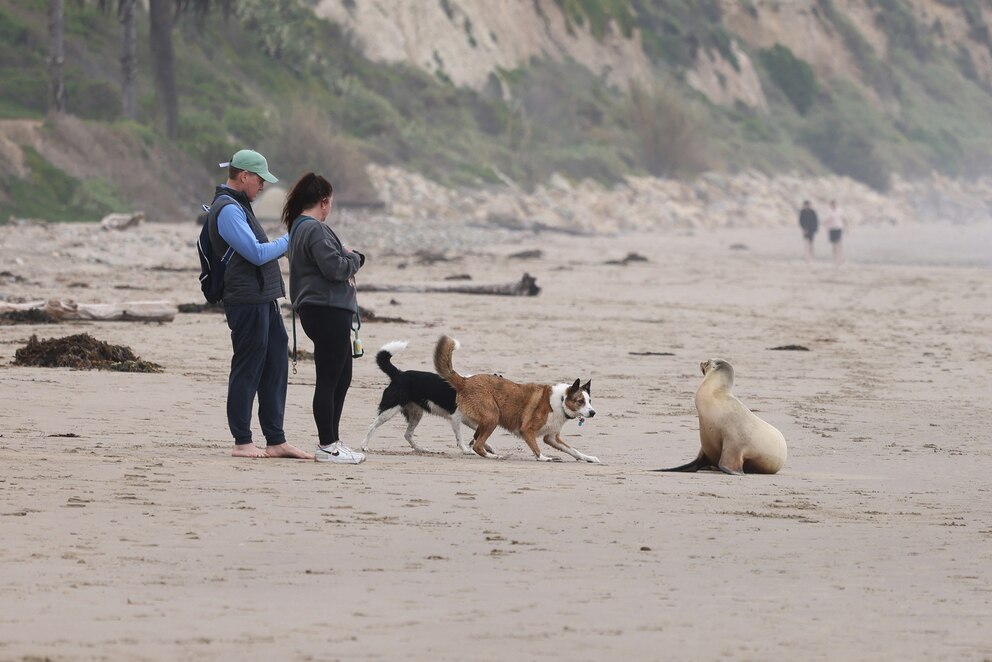
RJ LaMendola said he was surfing when he was attacked at Oxnard State Beach in Ventura County, California, by a "demonic" sea lion that bit him and dragged him off his board, he wrote on Facebook on Friday.
LaMendola described the sea lion as "feral" and "almost demonic." The surfer was struck that the mammal was "devoid of the curiosity or playfulness" he usually associates with sea lions, he wrote.
"This isn’t normal sea lion behavior -- it’s something darker, something dangerous," he wrote, saying he won't be surfing again "anytime soon."
Smith urged the public to do their part to create a better environment for marine life and prevent pollution.
"Throwing away their trash, not allowing anything toxic to go down the storm drain, because everything goes back to the ocean," Smith said.