Despite political challenges, renewable energy continues to grow worldwide: Reports
The United States and the rest of the world are going in very different directions when it comes to renewable energy, according to two new reports.
Renewable electricity generation continues to grow rapidly worldwide, despite recent U.S. policy shifts, with global capacity expected to more than double by 2030, according to the International Energy Agency (IEA).
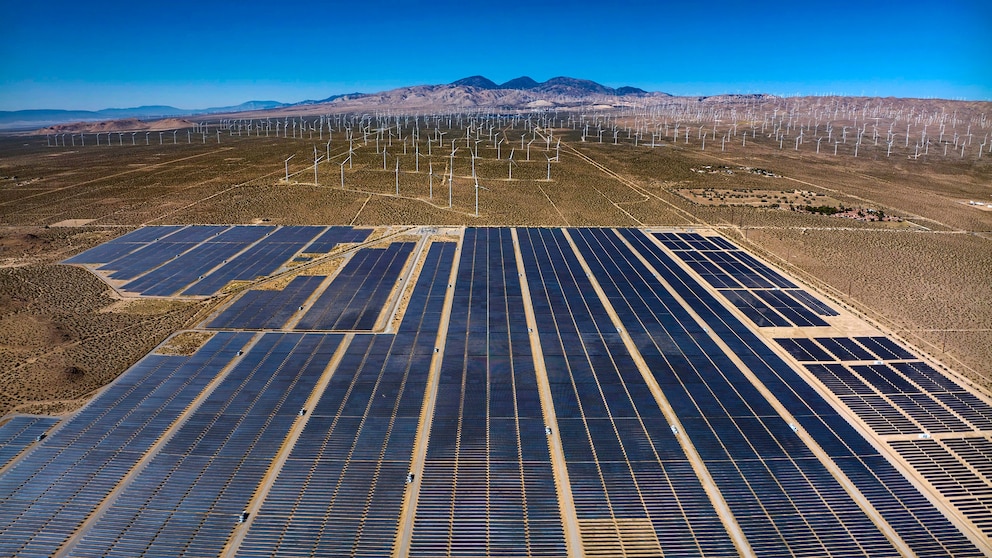
Compared to last year, the IEA says pullbacks on renewables in the U.S. and China led to a slight reduction in its five-year global renewable energy growth forecast; however, even with the weaker prospects in those two countries, the agency reports that solar power continues to drive record growth.
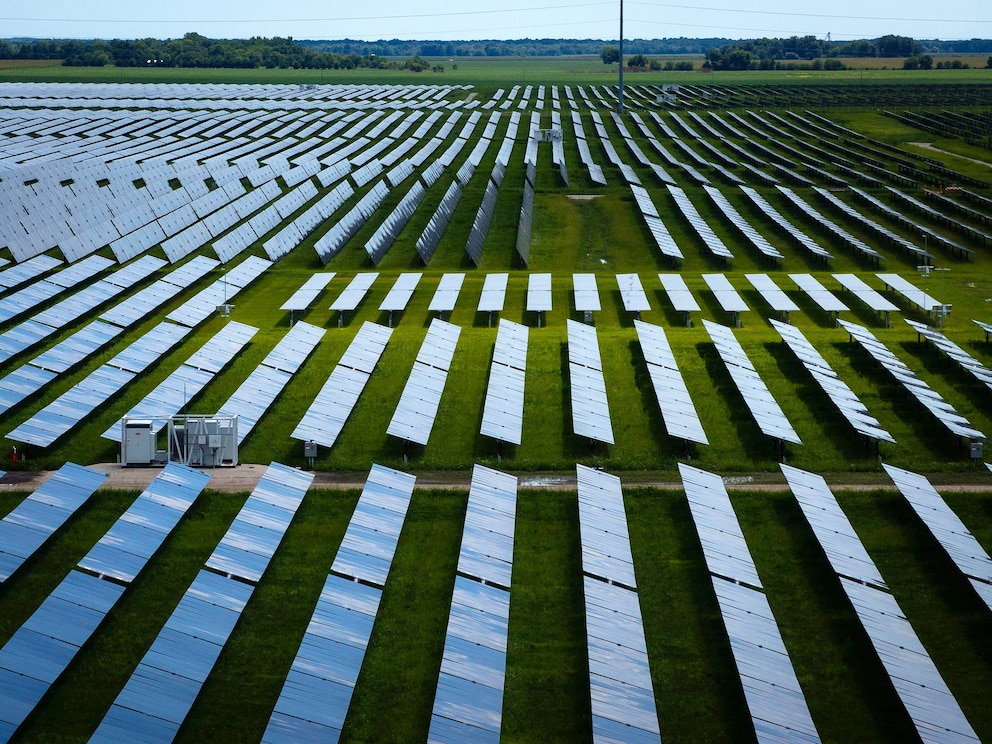
In the U.S., the downward revision is primarily due to the early phase-out of federal tax incentives and other regulatory changes, which have lowered growth expectations by almost 50%. Still, the IEA said that in 2024, solar and wind accounted for 16% of total electricity in the U.S., surpassing coal.
While China and the U.S. may experience a downward trend in the growth of renewable energy sources, these losses are being offset by stronger outlooks in other regions, including India, Europe and most emerging and developing economies, where growth prospects have been revised upward due to ambitious new policies, including faster permitting.
And for the first half of 2025, record solar and steady wind growth led to renewables overtaking coal generation globally for the first time on record, according to a new report from Ember, an independent global energy think tank.
Renewables grew by 7.7% while coal generation recorded a decrease, according to Ember.
"Solar PV is on course to account for some 80% of the increase in the world's renewable capacity over the next five years," IEA Executive Director Fatih Birol said.
The growth of renewable energy is not just confined to electricity generation. The IEA projects that renewable energy consumption in the transportation sector is expected to rise 50% by 2030. This surge will be driven by increased use of renewable electricity, liquid biofuels, biogases and renewable hydrogen and hydrogen-based fuels.
A significant portion of this growth is expected to come from the continued expansion of electric vehicles, particularly in China and Europe, which are projected to account for 45% of the anticipated increase over the next five years.
The IEA highlights that surging energy consumption will likely not derail global sustainability efforts, as rapidly expanding low-emission energy sources, such as renewables and nuclear energy, will provide record-high electricity generation and offset additional global demand over the next three years. Renewable energy sources, including solar, wind and hydropower, are forecast to meet over 90% of the global electricity demand growth through 2030.
These changes are already delivering measurable environmental benefits. In 2024, carbon dioxide emissions in advanced economies dropped to their lowest level in 50 years. According to the IEA, the deployment of solar, wind, nuclear, electric cars, and heat pumps since 2019 is now preventing an estimated 2.6 billion tons of carbon dioxide from being released into the atmosphere each year.