Disability Does Not Justify Pistorius Shooting, Groups Say
July 2, 2014— -- A defense witness in the Oscar Pistorius murder trial said people with disabilities are more likely to have symptoms of anxiety and “exaggerated fight or flight” responses, but disability rights groups aren’t buying it as an excuse for the shooting death of his girlfriend.
“Frankly, I think there’s a little bit of exploitation of his physical disability to say that it’s linked to some mental health issue that would cause him to commit murder,” said the president of the National Organization on Disability, Carol Glazer. “It’s just too much of a stretch.”
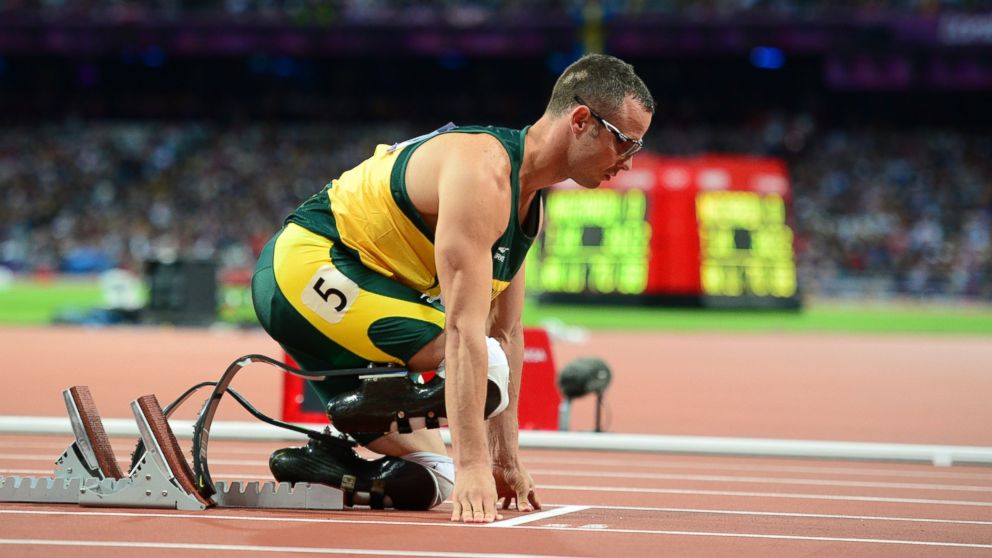
Pistorius, a 27-year-old South African Olympian known as the “Blade Runner” for his prosthetic legs, is on trial for shooting his model girlfriend Reeva Steenkamp through a locked bathroom door on Valentine’s Day 2013. He claims he mistook her for a burglar.
Oscar Pistorius Has PTSD and Is Suicidal, Psych Report Concludes
Oscar Pistorius Defense Is Moving Target, Prosecutor Complains
Oscar Pistorius' Shrink Says Leg Amputations Gave Him Mental Disorder
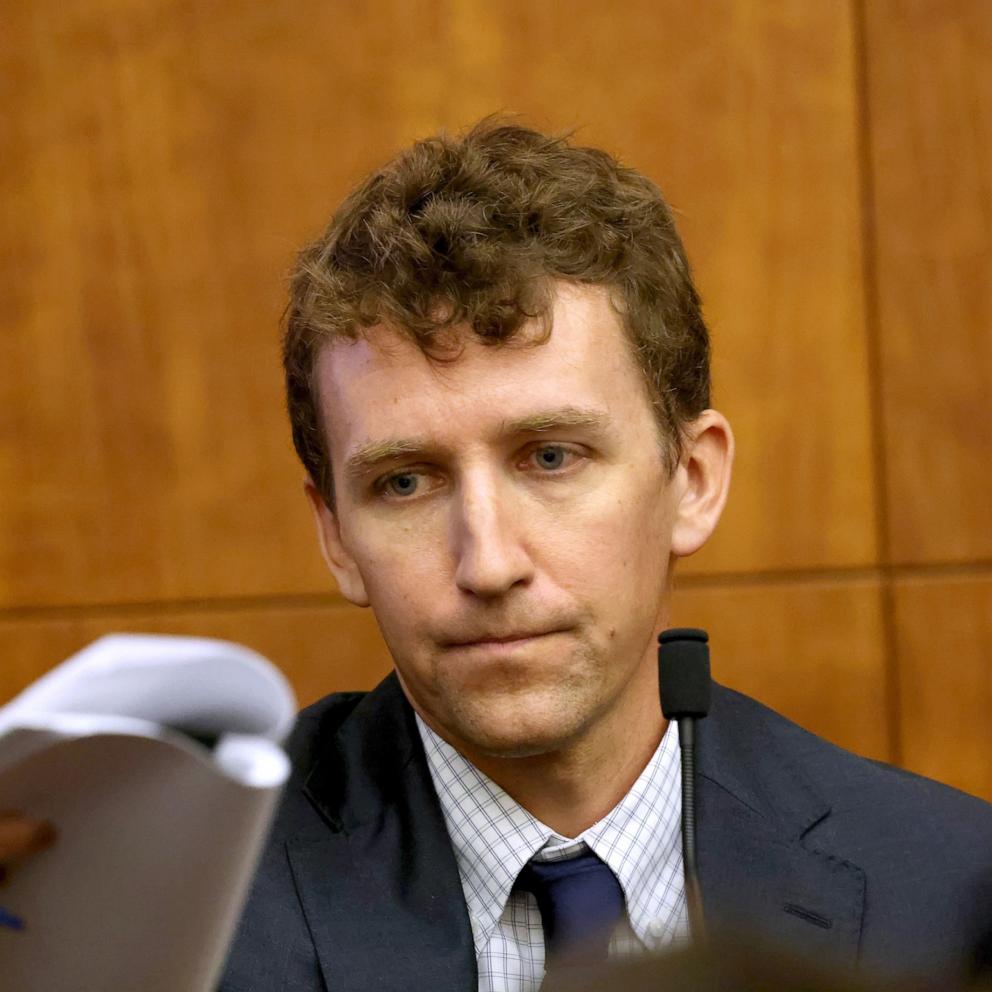
Wayne Derman, who was the chief medical officer for the South African Paralympic team when Pistorius competed in 2012, said in court today that he has seen “exaggerated fight or flight” responses in people with disabilities that he hasn’t seen in able-bodied people.
He described Pistorius as “hyper-vigilant,” which he described as “restless, looking around and a constant scanning of potential threats.” He said Pistorius cowered and held his ears when fireworks went off during the opening and closing ceremonies.
Derman cited his own unpublished research that found athletes with disabilities experienced higher levels of anxiety than other athletes at competitions. A similar study showed no or only a slight difference between athletes with disabilities and athletes without disabilities.
Derman also testified that people with disabilities are more likely to be attacked than able-bodied people, stopping short of suggesting that this may have contributed to Pistorius’s mindset at the time of the shooting.
Disability groups in the United States say they find it hard to believe Pistorius’s disability could be to blame for the shooting.
Glazer of the National Organization on Disabilities said there tends to be a “knee-jerk” reaction to assume that becoming disabled is “the most traumatic experience on earth,” but it’s not true because people adapt.
Pistorius’s legs were amputated when he was an infant.
“Anyone who can figure out how to win an able-bodied track medal in the World Championships, participate in the able-bodied Olympics, and then win a gold in the Paralympics, has figured out how to adapt to his disability,” Glazer said. “It’s highly unlikely that the same disability would trigger hyper-vigilance or other stress reactions.”
Henry Claypoll, the executive vice president of the American Association of People with Disabilities, said it’s true that people react differently to their disabilities and experience discrimination. But he, too, has a hard time reaching Derman’s conclusion.
“The bottom line is I don’t think you can justify these actions by his having lived with a disability,” Claypoll said.
Dr. Phillip Resnick, who directs forensic psychology at University Hospitals Case Medical Center, said Derman’s testimony is reminiscent of the battered woman defense, in which a woman kills her husband as a result of repeated abuse and the fear that if she doesn’t kill him, he’ll kill her first.
Derman’s testimony follows a month-long psychological evaluation which concluded that Pistorius now has post-traumatic stress disorder. However, the panel’s report dismissed generalized anxiety disorder as a contributing factor that led to the shooting.
A psychiatric witness prompted the psych evaluation by testifying in May that Pistorius suffered a lifelong anxiety disorder as a result of dealing with his amputations.
ABC News’ Leizl Thom contributed to this report.