Judge rules Harvey Weinstein will have to face trial on remaining sex charges
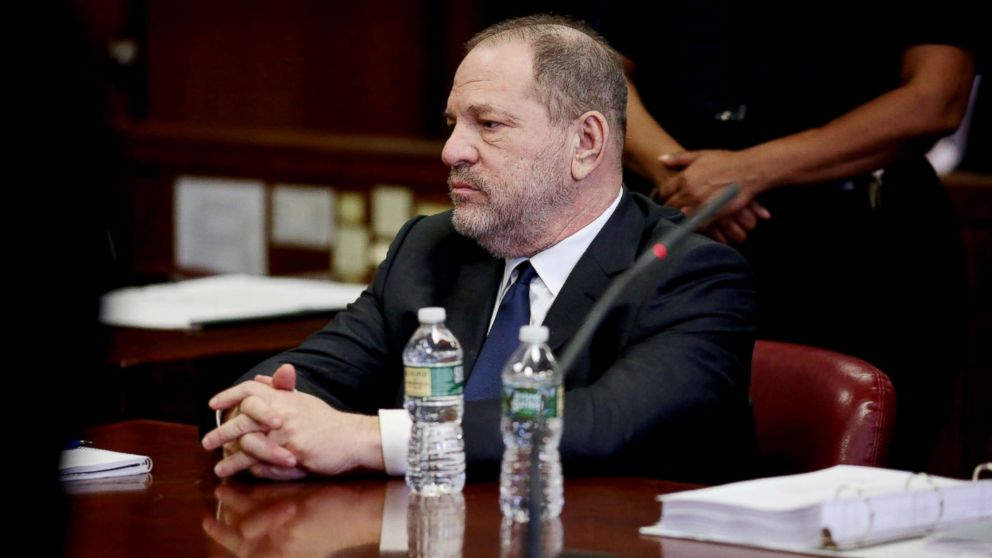
Disgraced film producer Harvey Weinstein will face trial on five felony sex crimes, including rape, after a New York judge on Thursday rejected his attorneys' request to drop all charges.
The decision by state Supreme Court Justice James Burke clears the way for prosecutors to proceed to trial against Weinstein, who produced Academy Award-winning films such as "Shakespeare in Love," "The King's Speech" and "The English Patient" and is now accused of being a sex predator.
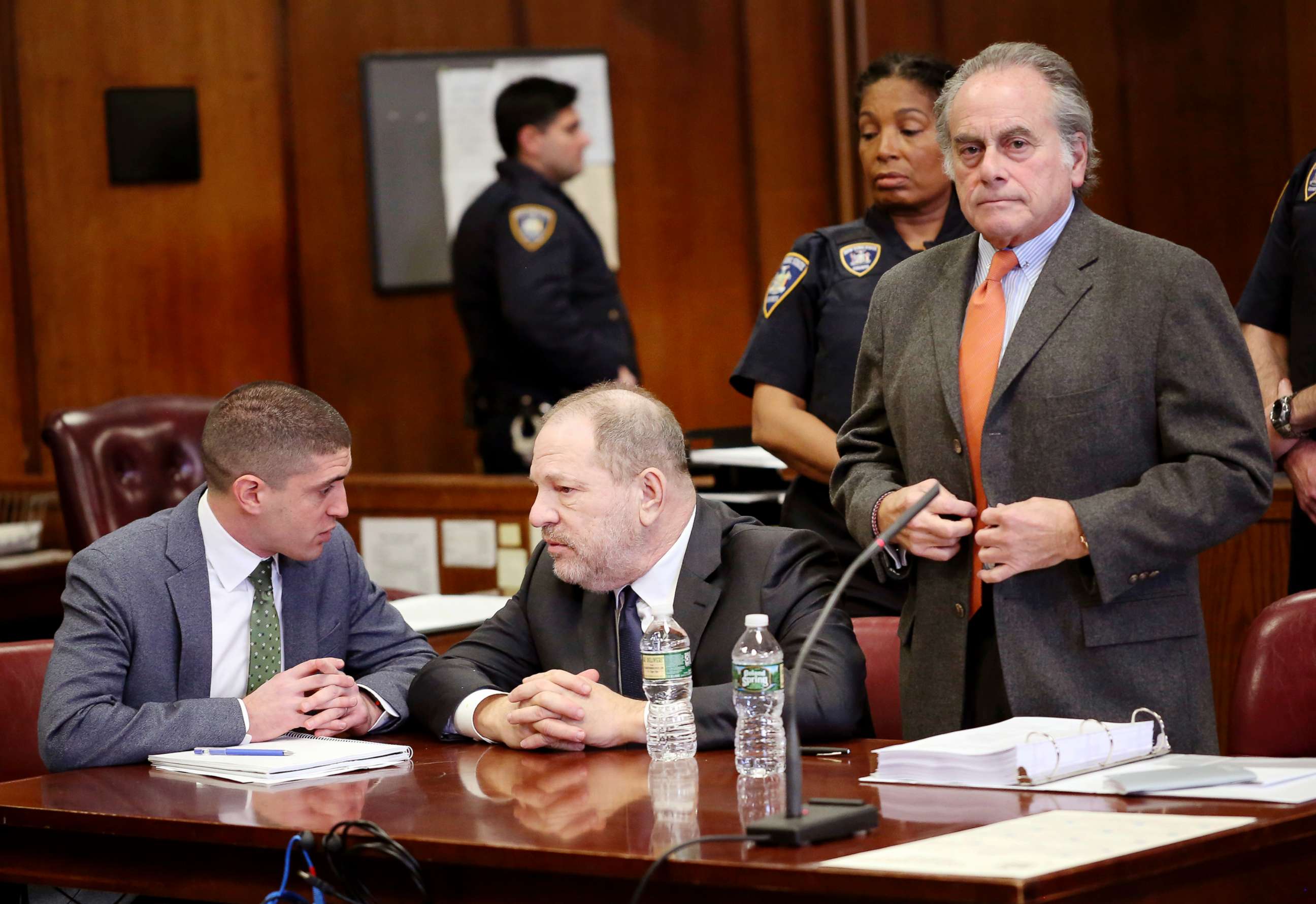
The development came a little more than six months after Weinstein's dramatic arrest in New York. Defense attorneys had argued the case was tainted by the conduct of a lead police detective and the Manhattan District Attorney's Office.
One charge against Weinstein was tossed in October and the defense requested the rest of the case to go too.
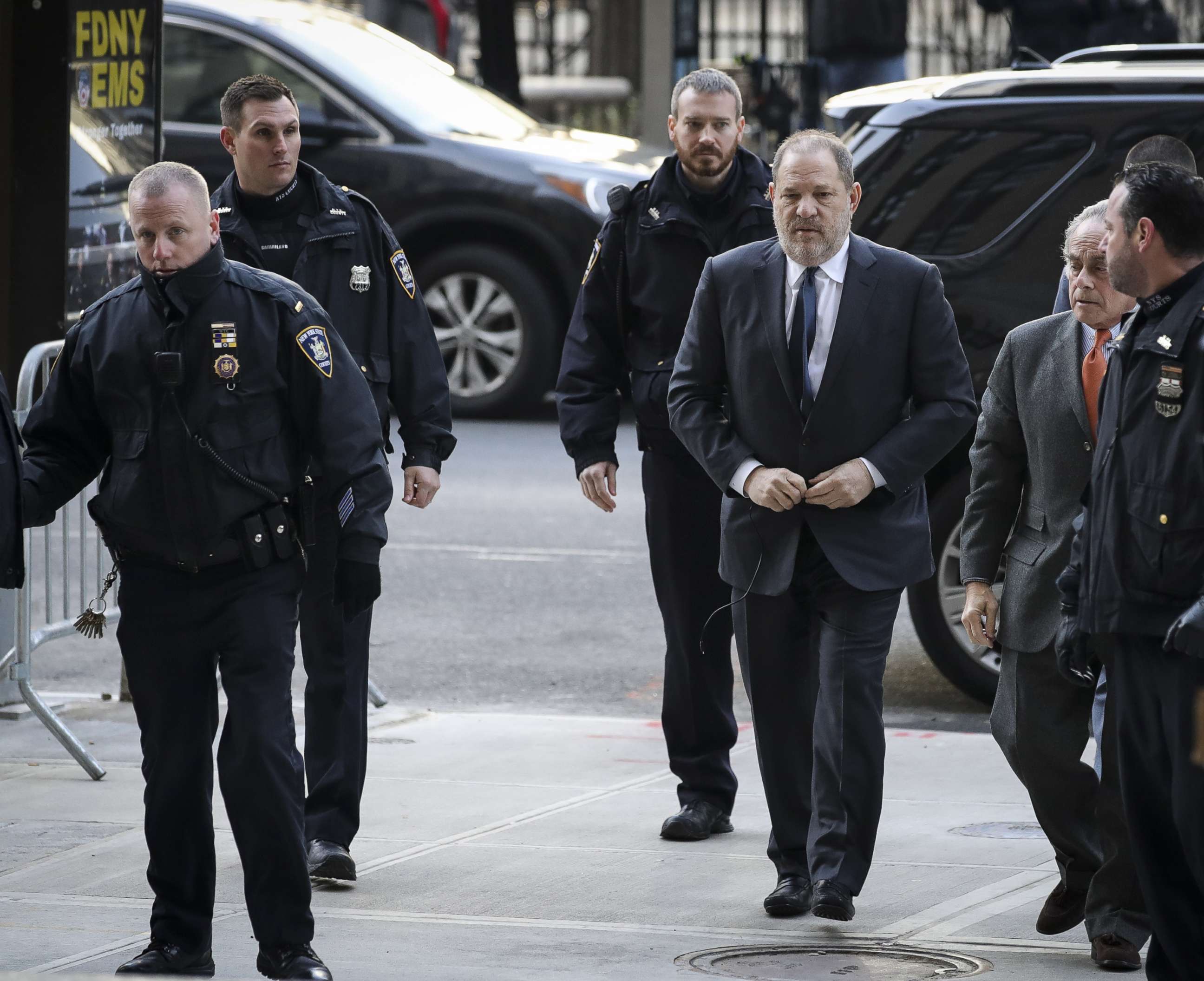
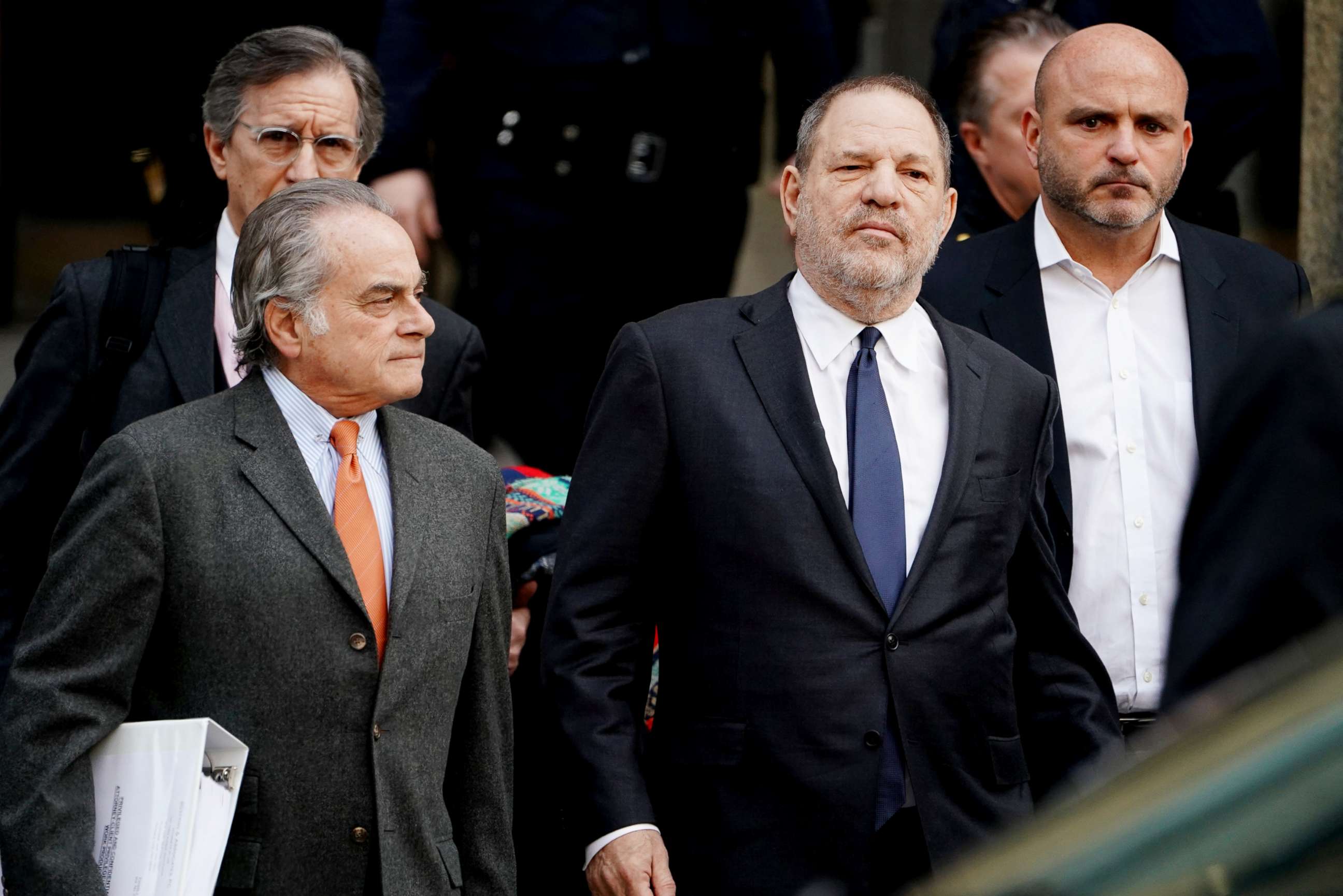
"We are obviously disappointed by the court's decision to deny our motion to dismiss the indictment," defense attorney Benjamin Brafman said after the hearing. "Judge Burke has, however, ruled and we must accept his ruling. Nothing in the court's ruling, however, removes the flawed theory of this case... We are confident that Mr. Weinstein will be completely exonerated."
Brafman insisted the decision "does not suggest the case against [Weinstein] is going to end badly."
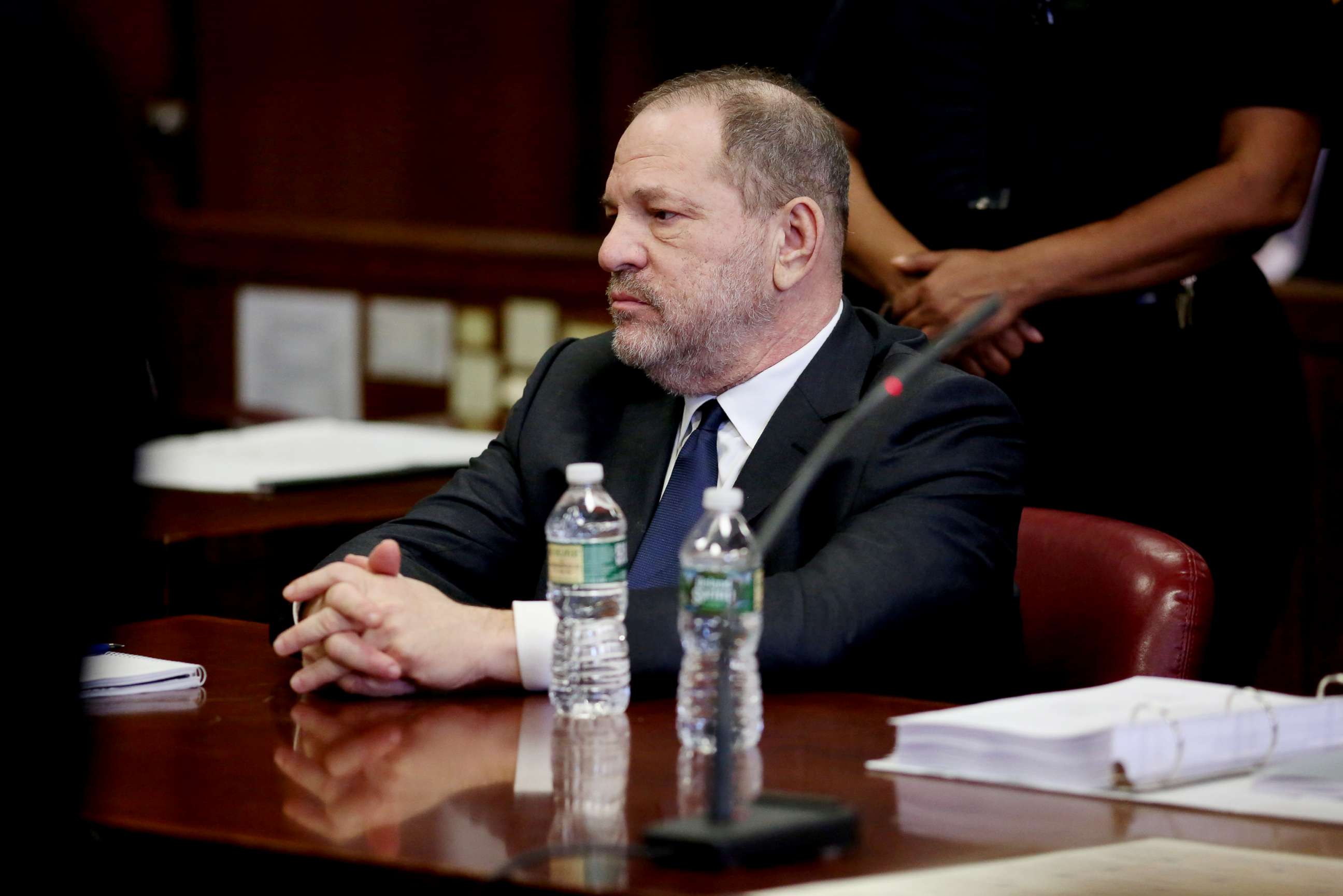
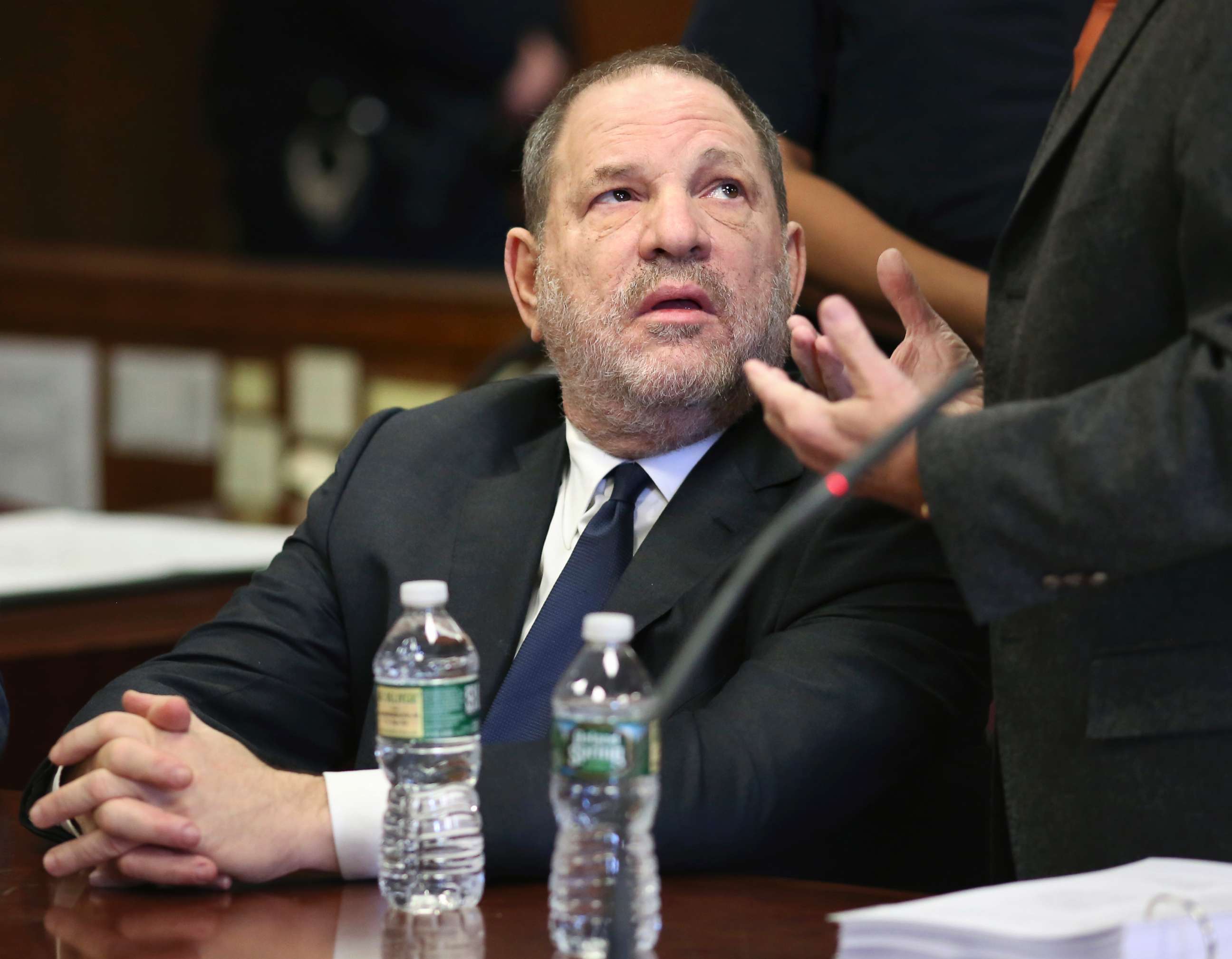
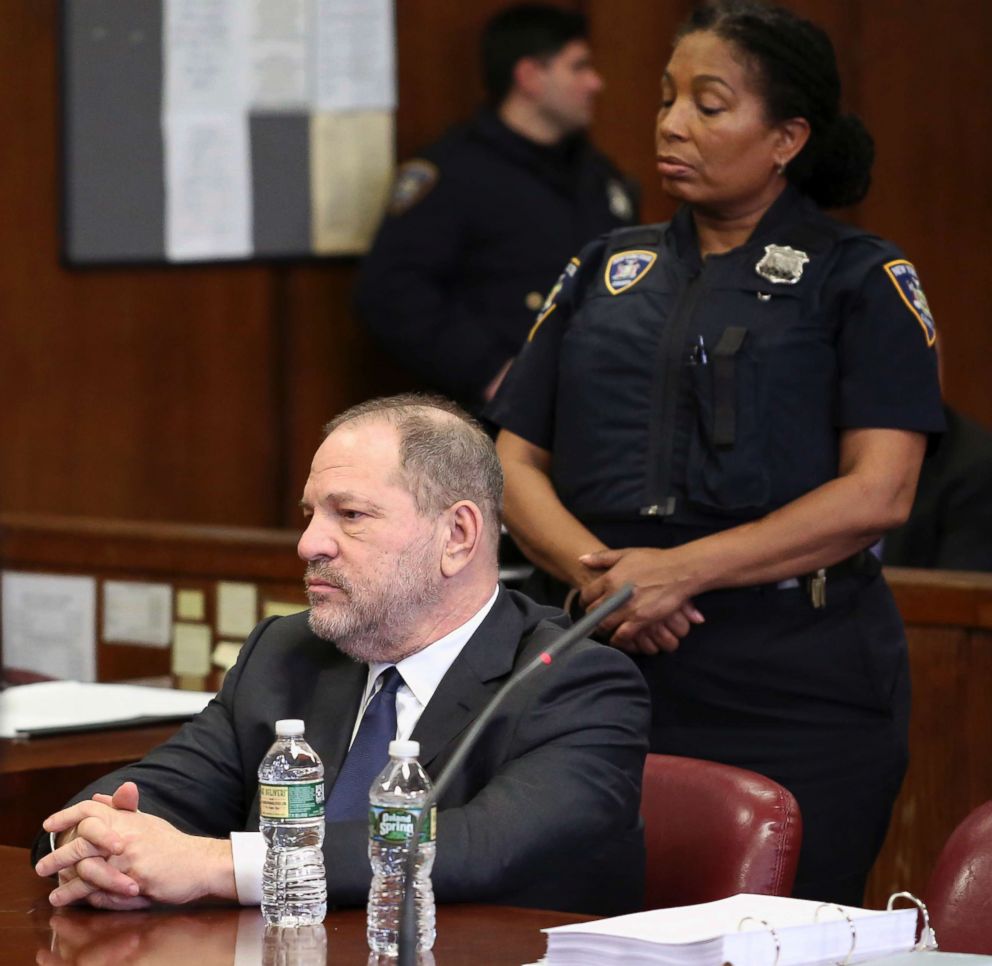
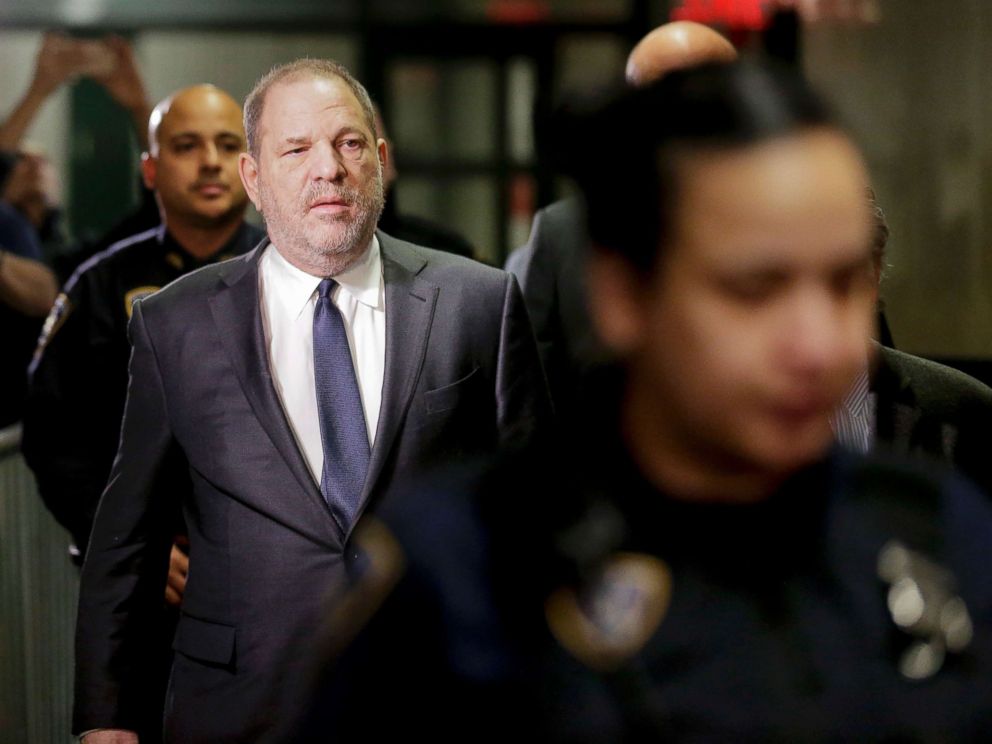
Weinstein, dressed in a gray suit and blue tie, showed no emotion as Burke announced his decision.
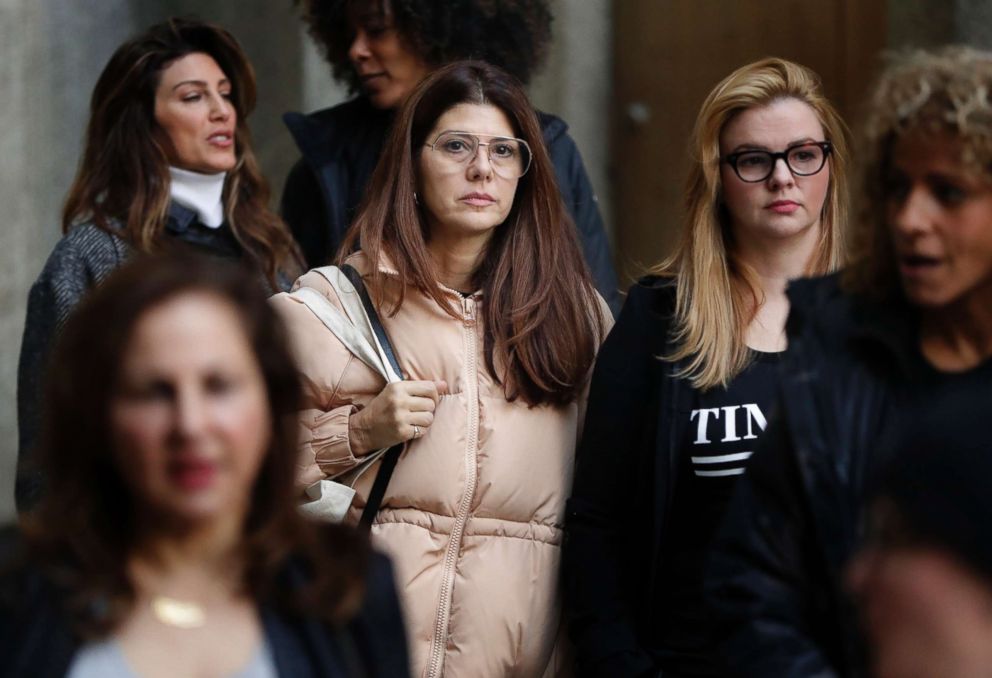
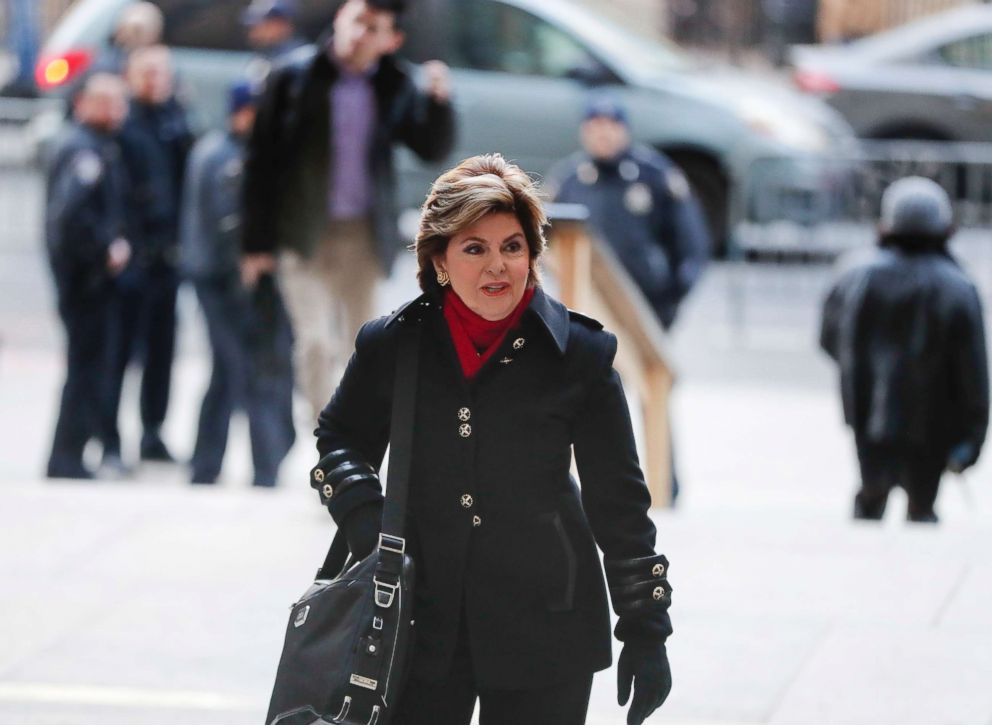
Actresses Marisa Tomei and Kathy Najimy, who represent the "Times Up" movement of sexual assault and harassment victims in Hollywood, attended the hearing along with Gloria Allred, the attorney for several women accusing Weinstein of assault.
"This is not about the #MeToo movement," Brafman said following the hearing. "This is defending a specific criminal case. If the #MeeToo movement helps level the playing field for women throughout the world, then we are strongly supporting that movement. A movement should not, however, be permitted to push an indictment that is deeply flawed, as we believe this movement has done in this case."
In an earlier interview with ABC News, Brafman said, "This case is damaged goods."
The Manhattan District Attorney's Office declined to comment but had previously expressed confidence in its case against the 66-year-old Weinstein, who faces two counts of predatory sexual assault, one charge of a first-degree criminal sexual act, and two counts of rape.
The defense took particular aim at the rape charges, which are based on the account of an unnamed accuser that Brafman said subsequently carried on a "multi-year, consensual sexual relationship" with Weinstein.
Brafman insisted the district attorney's office erred when it failed to show the grand jury email exchanges involving the woman and Weinstein.
"They withheld the emails between the alleged rape victim and Mr. Weinstein which would have destroyed her credibility," Brafman told ABC News.
But Justice Burke, in his ruling, wrote that prosecutors "are not required to present exculpatory or mitigating evidence in the Grand Jury."
"They are not obligated to search for evidence favorable to the defense or to present all evidence in their possession favorable to the accused," Burke wrote. "The Grand Jury is not an adversarial proceeding and the People do not have the same obligation of disclosure at the Grand Jury stage as they have at the trial stage."
Burke also found "there is no basis for the defendant's claim of prosecutorial or law enforcement misconduct."
"The court finds that the charges presented in the grand jury were supported by competent evidence and the proceedings were properly conducted," Burke wrote in his ruling.
Michael F. Bachner, a former prosecutor in the Manhattan District Attorney's Office who is now in private practice at Bachner & Associates, told ABC News that while the "emails are significant, it's not the kind of evidence that would have changed the grand jury's vote to indict."
Weinstein was charged with raping a woman in a hotel room in March 2013 and forcibly performing oral sex on another woman in 2006 at his Manhattan apartment. He has denied all allegations of non-consensual sex.
The Manhattan District Attorney's Office already agreed to drop one charge after it learned a lead police detective in the case instructed a potential witness to keep certain doubts to herself.
The defense has said the conduct of the detective "irreparably tainted" the entire case but prosecutors have said there is "ample evidence" to proceed.