How DNA and genetic genealogy might help solve the Nancy Guthrie case

Authorities said they're looking into using genetic genealogy in the investigation into Nancy Guthrie's mysterious abduction, and an expert says the cutting-edge technique could be the key.
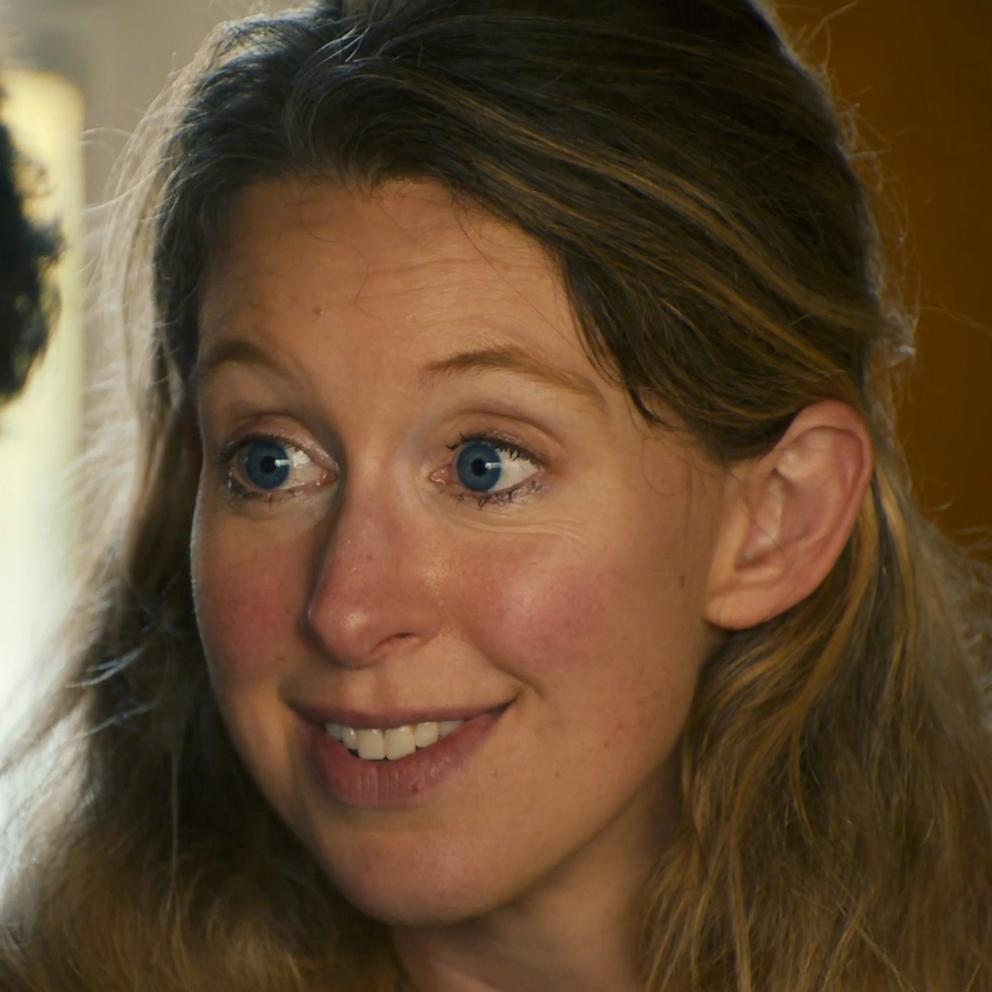
While authorities may find Guthrie's kidnapper through other avenues of investigation, "if they don't, investigative genetic genealogy definitely will," genetic genealogist CeCe Moore told ABC News.
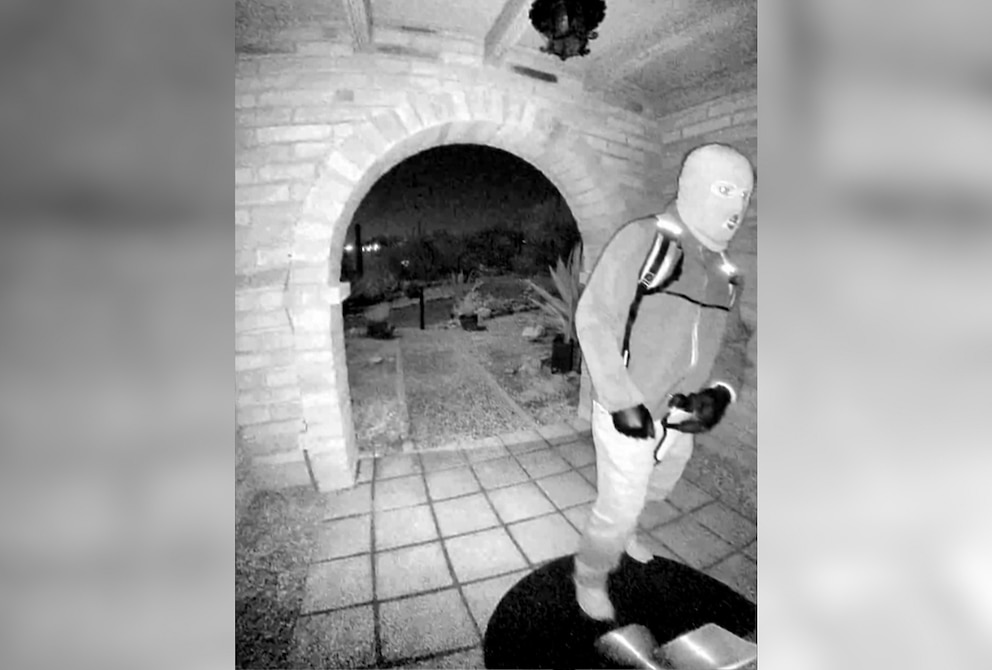
Nancy Guthrie, the 84-year-old mother of "Today" show host Savannah Guthrie, was kidnapped from her Tucson, Arizona, home in the early hours of Feb. 1 by an unknown suspect.

The FBI ran DNA from a glove found during a roadside search through the national criminal database known as CODIS, but did not get a match to any of the roughly 22 million samples in the database, the Pima County Sheriff's Department said.
That glove -- which was found about 2 miles from Nancy Guthrie's house -- also did not match DNA found at her property, law enforcement sources told ABC News.
Moore, a former ABC News contributor, said, "I think we have to exercise a lot of caution in putting too much emphasis on" the glove.
"If it had had Nancy's DNA, or had matched the DNA at the crime scene, obviously that would be different. But with it being found at such a distance, I always was a little hesitant to get too hopeful about that," she said. "I think the DNA found at the home is far more compelling."
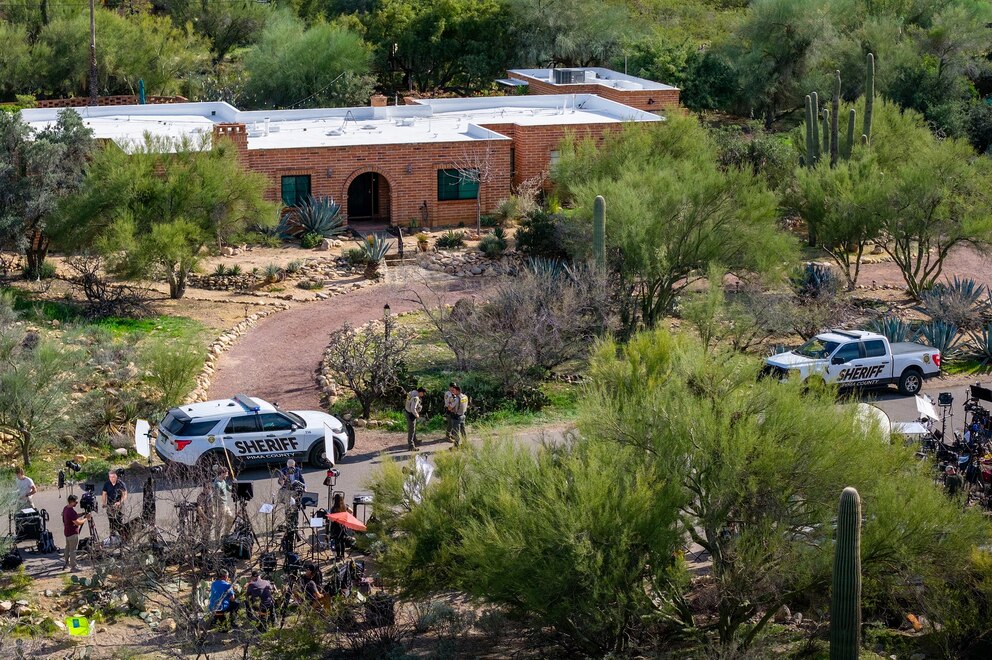
While the DNA found at Nancy Guthrie's property is still being analyzed, the sheriff's department said on Tuesday that investigators are "looking into additional investigative genetic genealogy options for DNA evidence to check for matches."
Genetic genealogy takes the DNA of an unknown suspect left behind and identifies the suspect by tracing the family tree through his or her family members, who voluntarily submit their DNA to a genealogy database. Genetic genealogy has been used to solve hundreds of cases since it was first implemented in the 2018 arrest of the "Golden State Killer," a cold case that had stumped California law enforcement for decades.
"Just like in the hundreds of cases where we've been able to identify a violent criminal that couldn't be found any other way, genetic genealogy has the power to do so through reverse engineering this individual's family tree based on his DNA alone," Moore said. "When you have this person's DNA, you have so much information about their family tree at your fingertips. And so you can piece that tree back together … you just have to spend the time to look at all that information and sort through it."
"So genetic genealogy often steps in and is successful when all the other leads have been exhausted," she said.
In the Guthrie case, investigators "were very smart to start [pursuing genetic genealogy] early, and not wait for all those other leads to be exhausted," Moore said. "Because if he's not identified any other way, investigative genetic genealogy will definitely be the key -- it's really just a matter of time."
And when it comes to that timeframe, Moore said, there are two factors: "the population group from which the person of interest descends -- and luck."
"Sometimes you just get lucky and somebody has a close relative in these very small databases," Moore said.
"If the population group is one that's not well represented, then that can make it extremely difficult. If the person has deep roots in the United States and primarily Northwest European ancestry, they may be identified in a matter of minutes or hours, because that's the population group that's best represented, and it's also the one that we have the most information about being here in the United States," she said. "If someone's born in another country, or even as far back as their great-grandparents were immigrants, there's far less representation in the databases that we're able to use, and it's also more difficult to work with records outside of the U.S."
In the Guthrie case, law enforcement sources told ABC News on Wednesday that the FBI has reached out to Mexican authorities. There's no evidence Nancy Guthrie was taken to Mexico, but it’s an avenue investigators are exploring given Tucson's proximity to the border, the sources said.
If the Guthrie suspect's parents, grandparents or even great-grandparents were born in Mexico, Moore said, "it will likely take longer."
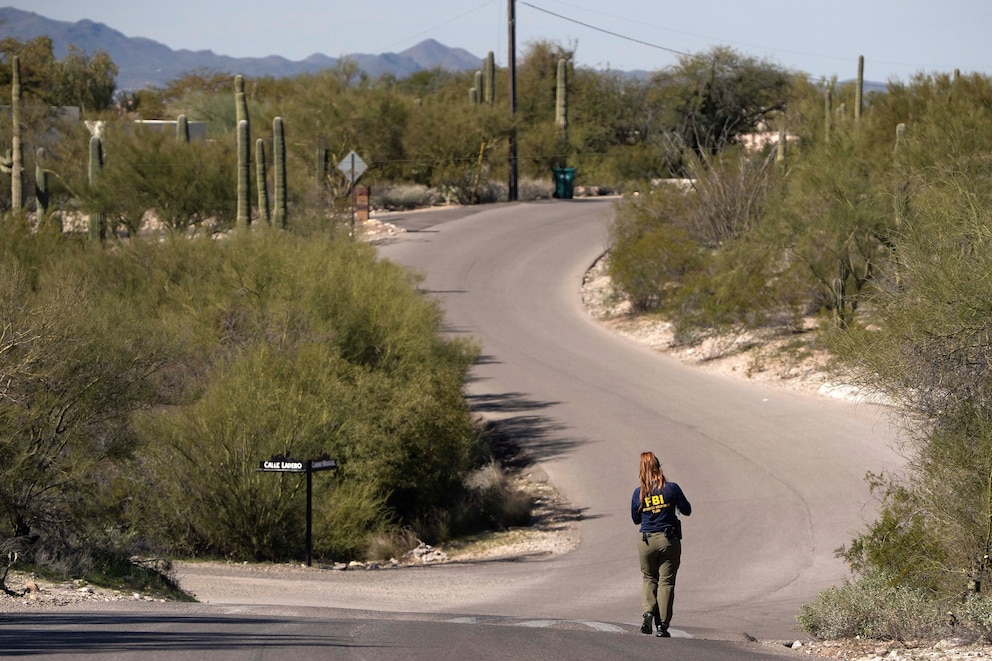
Moore said she predicts the genetic genealogy process in the Guthrie case "won't take more than weeks, maybe months."
"I have worked on cases for years. However, I don't think this case will take that long because of the large amount of resources being dedicated to it. I would suspect the FBI genetic genealogy team would be brought in if it takes too long, and they have 200 agents," she said.

Moore also noted that investigative genetic genealogy can be slowed due to law enforcement’s limited access to DNA profiles.
“There are over 50 million people who have taken direct-to-consumer DNA tests, but most of them are in the three largest databases, and those companies have barred law enforcement from using their databases for these purposes,” Moore said. Currently, law enforcement is limited to accessing three smaller databases, which combined have about 2 million DNA profiles, she said.
"I do expect that if [the Guthrie suspect] is not identified soon, then law enforcement very likely will serve a warrant on those bigger databases" to try to request access, she said.
Anyone with information on Nancy Guthrie's abduction is urged to call 911 or the Pima County Sheriff's Department at 520-351-4900.