DOJ, rejecting decades-old law, says Trump can keep his presidential records
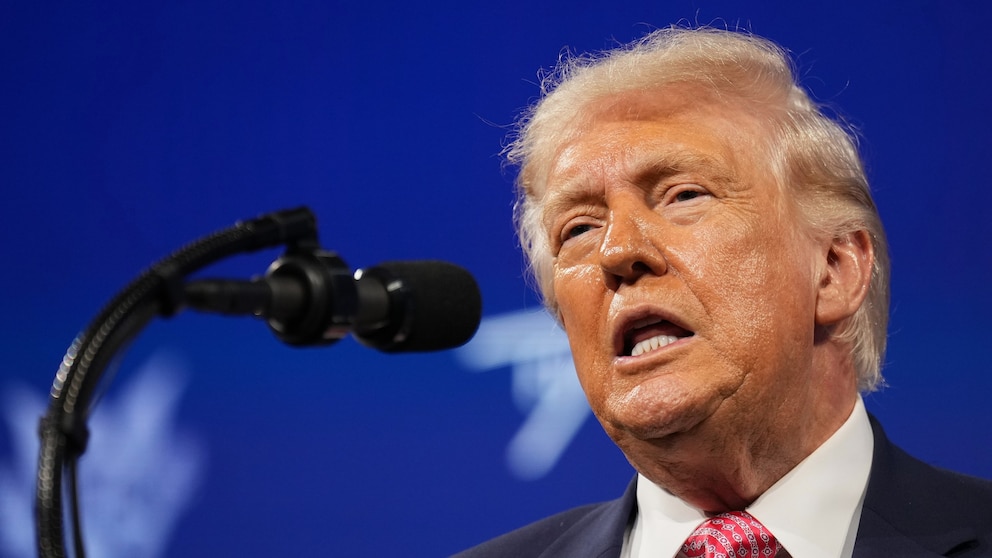
Donald Trump does not need to turn over his presidential records to the National Archives, the Department of Justice's Office of Legal Counsel concluded in an opinion this week.
Rejecting a decades-old law enacted after the Watergate scandal to ensure the preservation of presidential records, Assistant Attorney General T. Elliot Gaiser stated that the Presidential Records Act was unconstitutional and "untethered from any valid and identifiable legislative purpose."
"The PRA exceeds the oversight power because it serves no identifiable and valid legislative purpose. It exceeds any preservation power because Congress cannot preserve presidential records merely for the sake of posterity," the 52-page opinion said.
Coming one day after Trump unveiled a first look at his planned presidential library, the opinion -- if adopted by the Trump administration -- could upend the established process for ensuring the public ownership of presidential records. After his first term in office, Trump was accused of violating the Presidential Records Act by storing boxes of sensitive presidential records at his Mar-a-Lago estate.
He was indicted for allegedly retaining classified information and obstructing justice, though the case was dismissed over U.S. District Judge Aileen Cannon's concerns about the appointment of special counsel Jack Smith.
With three years left in Trump's second term, his Department of Justice now says the president "need not further comply" with the law governing the handover of his presidential records.
The DOJ's Office of Legal Counsel is tasked with issuing legal advice for the executive branch, but the Trump administration could face a legal challenge if they attempt to implement the policy.
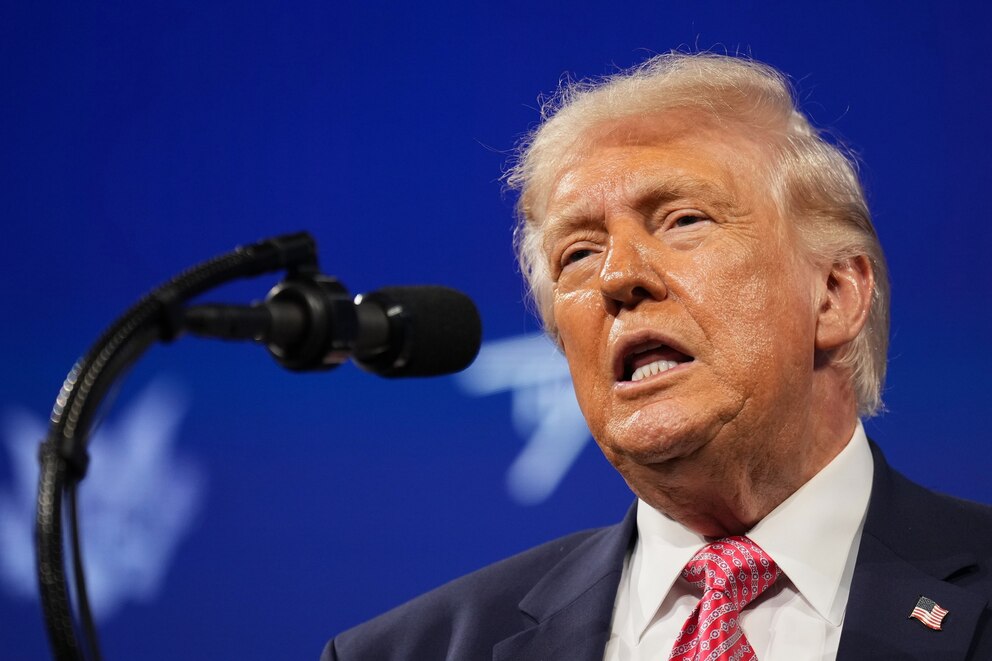
Drafted in the wake of Watergate, the Presidential Records Act was passed in 1978 and changed the legal ownership of presidential records from private to public. Every president since Ronald Reagan has been subject to the law, which places the National Archives and Records Administration in control of the official records -- such as emails, phone records, and other documentary material created by the president and his staff in the course of their duties -- once the president leaves office.
Under the PRA, former presidents have, at most, 12 years to turn over all their presidential records.
Gaiser's opinion, however, claims that the law is unconstitutional because it "exceeds Congress's enumerated and implied powers and aggrandizes the Legislative Branch at the expense of the constitutional independence and autonomy of the Executive."
"Just as Congress could not constitutionally invade the independence of the Supreme Court and expropriate the papers of the Chief Justice or Associate Justices, Congress cannot invade the independence of the President and expropriate the papers of the Chief Executive," the opinion said.
Gaiser previously worked for Trump's 2020 presidential campaign and pushed litigation to challenge the outcome of the election. When asked about his work on the 2020 campaign during his confirmation process, Gaiser declined to answer "yes" or "no" regarding whether Trump won the election, instead saying that "Former President Joseph Biden was certified as the winner of the 2020 presidential election and sworn in as the forty-sixth President on January 20, 2021."
"My ethical duties as an attorney include a duty of confidentiality regarding the advice I provided to a former client," Gaiser wrote in response to a question regarding whether he discussed with fellow attorney John Eastman the possibility of refusing to recognize electors or taking other approaches to challenge the election.