Dozens of new species, including carnivorous 'death ball' sponge, discovered in Southern Ocean
Ocean scientists have found dozens of new species in one of the most remote parts of the world -- the bottom of the Southern Ocean.
Earlier this year, marine biologists embarked on an expedition aboard the Schmidt Ocean Institute’s research vessel "R/V Falkor (too)" to search for new species in the South Sandwich Islands.
The team collected nearly 2,000 specimens across 14 animal groups and discovered 30 new species, according to the Nippon Foundation–Nekton Ocean Census -- the institution behind the expedition
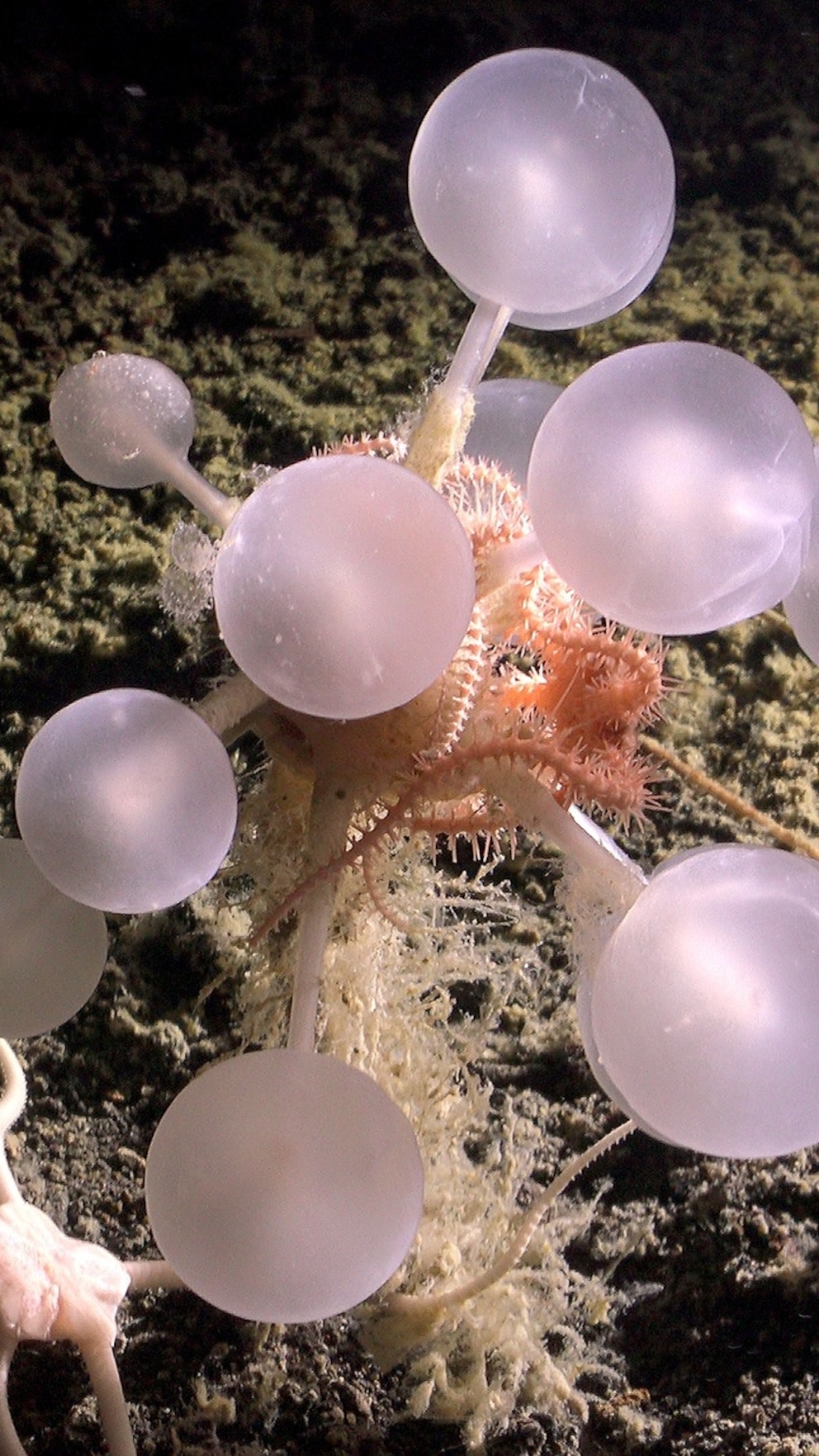
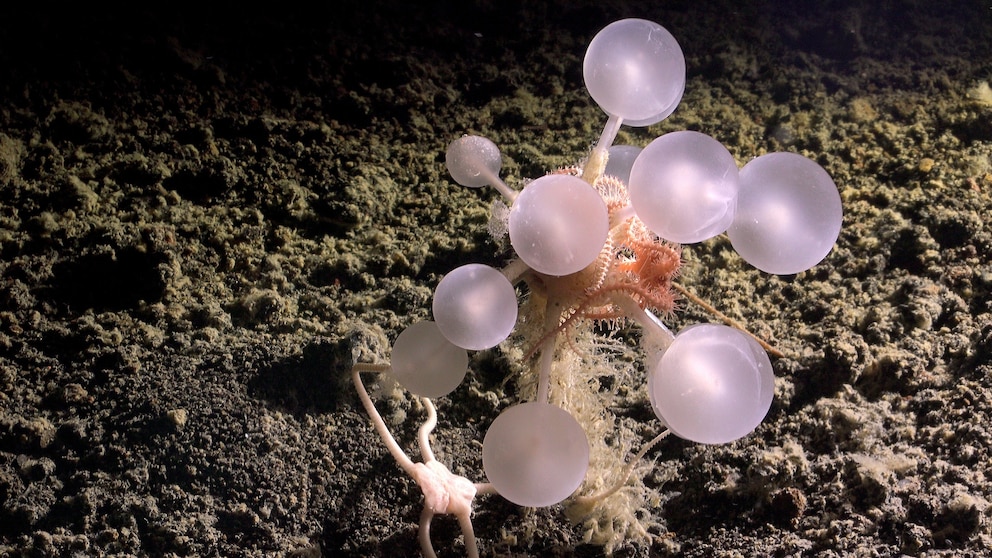
Among the never-before-seen marine life they found is a carnivorous "death ball" sponge -- dubbed Chondrocladia sp nov. The sponge is spherical in shape and is covered in tiny hooks that trap prey, the marine researchers said.
Most sponges feed in a "gentle, passive" filter-feeding manner, in contrast to the previously unknown species.
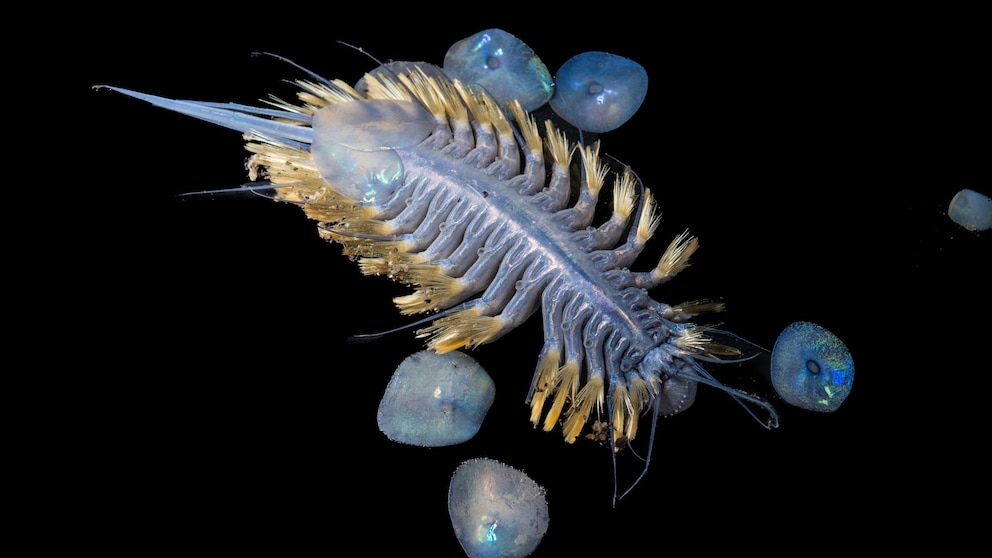
The expedition also revealed a new species of armoured and iridescent scale worms, called Eulagisca sp. nov., as well as three previously unknown species of sea stars: Brisingidae, Benthopectinidae and Paxillosidae.
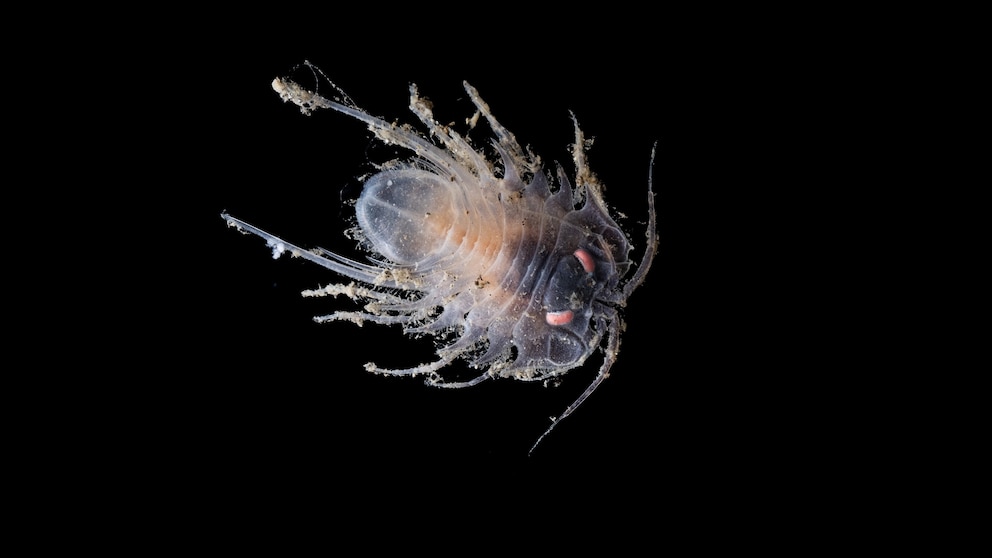
Previously unknown crustaceans, including isopods and amphipods, were also found. There is also material under review that may suggest the expedition unveiled an entirely new amphipod family, the researchers said.
Rare gastropods and bivalves that have adapted to volcanic and hydrothermal-influenced habitats, as well as a possible new species of black coral, were also among the discoveries.
Researchers also observed the "zombie" worm, formally Osedax sp, which has no mouth or gut. The species feeds by relying on symbiotic bacteria to break down fats inside the bones of large vertebrates, like whales.
While "zombie" worms are not new to science, they have rarely been observed due to the depths at which they live.
Advanced tools, such as precise seafloor mapping to high-definition ROV imagery, allowed the researchers to explore and gather data from places never seen before by humans, Jyotika Virmani, executive director of the Schmidt Ocean Institute, said in a statement.
"The goal we share with Ocean Census to accelerate discoveries has resulted in the first confirmed sighting of a juvenile colossal squid and new species, and exemplifies what becomes possible when technology, ship time, and a global science network work as one," Virmani said.
Even with the new discoveries, the Southern Ocean remains "profoundly under-sampled," Michelle Taylor, head of science at The Nippon Foundation-Nekton Ocean Census, said in a statement.
"To date, we have only assessed under 30% of the samples collected from this expedition, so confirming 30 new species already shows how much biodiversity is still undocumented," Taylor said.