• Video
  • Shop
  • Culture
  • Family
  • Wellness
  • Food
  • Living
  • Style
  • Travel
  • News
  • Book Club
  • Newsletter
  • Privacy Policy
  • Your US State Privacy Rights
  • Children's Online Privacy Policy
  • Interest-Based Ads
  • Terms of Use
  • Do Not Sell My Info
  • Contact Us
  • © 2026 ABC News
  • News

Earth had its 5th warmest fall on record: NOAA

0:48
Earth had its 5th warmest fall on record: NOAA
Anadolu Agency via Getty Images, FILE
ByIvan Pereira
December 14, 2022, 6:30 PM

Rising temperatures are continuing to set alarming trends around the world, according to new data released Wednesday by climate scientists.

The National Oceanic and Atmospheric Administration found that temperatures in September, October and November reached new highs, as global land and ocean temps were 1.51 degrees Fahrenheit greater than the 20th century average of 57.1 degrees.

Last month was the ninth-warmest November in NOAA's 143-year history, with global temperatures 1.37 degrees above the 20th century average of 55.2 degrees, according to the agency's monthly report.

NOAA said this year's global surface temperature is now the sixth warmest on record and this warming trend shows no signs of slowing down.

Related Articles

MORE: 2021 was 6th warmest year on record, NOAA says

"There is a greater than 99% chance that 2022 will rank among the 10-warmest years on record," the agency said in a statement.
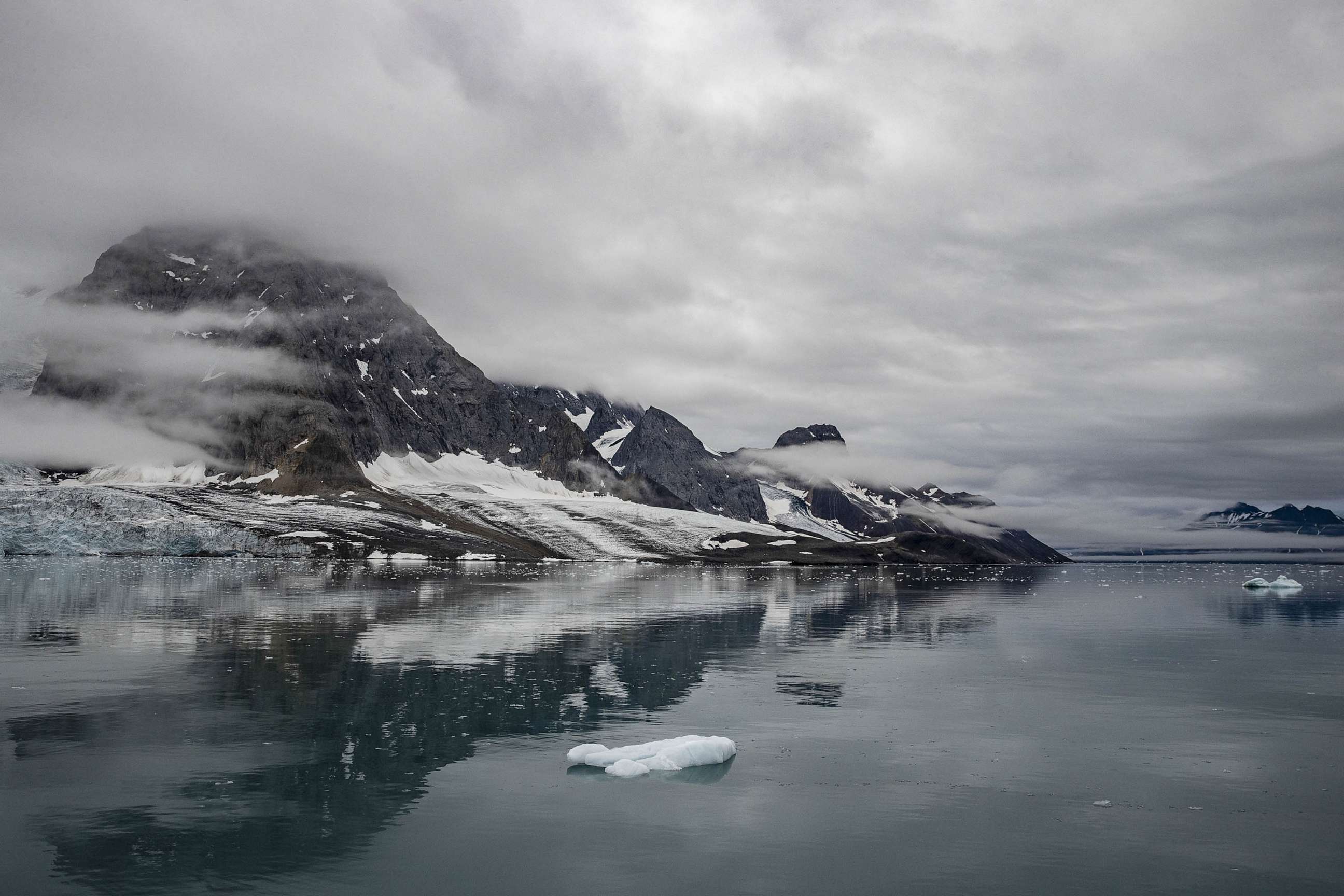
A view of fiords as they melt due to climate change near Svalbard Islands, in the Arctic Ocean in Norway, July 19, 2022.
Anadolu Agency via Getty Images, FILE

The report highlighted some new records in different parts of the globe.

Europe tied for its third-warmest September-November on record, with temperatures 3.33 degrees above the autumn average, according to NOAA. The U.K. recorded its third warmest November on record, the report said.

An analysis of global temperatures and precipitation, placing the data into a historical perspective
NOAA

While North America recorded its fifth warmest autumn on record, the continental U.S. experienced a cooling trend in November, according to NOAA.

Related Articles

MORE: How climate change, rising sea levels are transforming coastlines around the world

Specifically, parts of the Pacific Northwest recorded temperatures that were between 2 to 5 degrees lower than the average, the report said.

An analysis of global temperatures and precipitation, placing the data into a historical perspective
NOAA

"Parts of western North America had their coldest November in nearly 40 years," NOAA said.

As the year draws to a close, the report said several parts of the globe could see new record-high temperatures.

"Europe and Asia each had their second-warmest January–November period on record after 2020. The Gulf of Mexico had its sixth-warmest year-to-date and the Caribbean Islands had their seventh-warmest year-to-date," NOAA said.

Up Next in News—

Family seeks answers after influencer Ashlee Jenae is found dead on vacation in Tanzania

April 14, 2026

Couple shares warning after nearly losing down payment in mortgage fraud

April 10, 2026

Student speaks out after train clips school bus in incident caught on camera

April 8, 2026

IRS warns of AI tax collection scams ahead of Tax Day

April 8, 2026

Shop GMA Favorites

ABC will receive a commission for purchases made through these links.

Sponsored Content by Taboola

The latest lifestyle and entertainment news and inspiration for how to live your best life - all from Good Morning America.
  • Contests
  • Terms of Use
  • Privacy Policy
  • Do Not Sell My Info
  • Children’s Online Privacy Policy
  • Advertise with us
  • Your US State Privacy Rights
  • Interest-Based Ads
  • About Nielsen Measurement
  • Press
  • Feedback
  • Shop FAQs
  • ABC News
  • ABC
  • All Videos
  • All Topics
  • Sitemap

© 2026 ABC News
  • Privacy Policy— 
  • Your US State Privacy Rights— 
  • Children's Online Privacy Policy— 
  • Interest-Based Ads— 
  • Terms of Use— 
  • Do Not Sell My Info— 
  • Contact Us— 

© 2026 ABC News