Earth Day 2026: What it's like to live in a car-free town in America
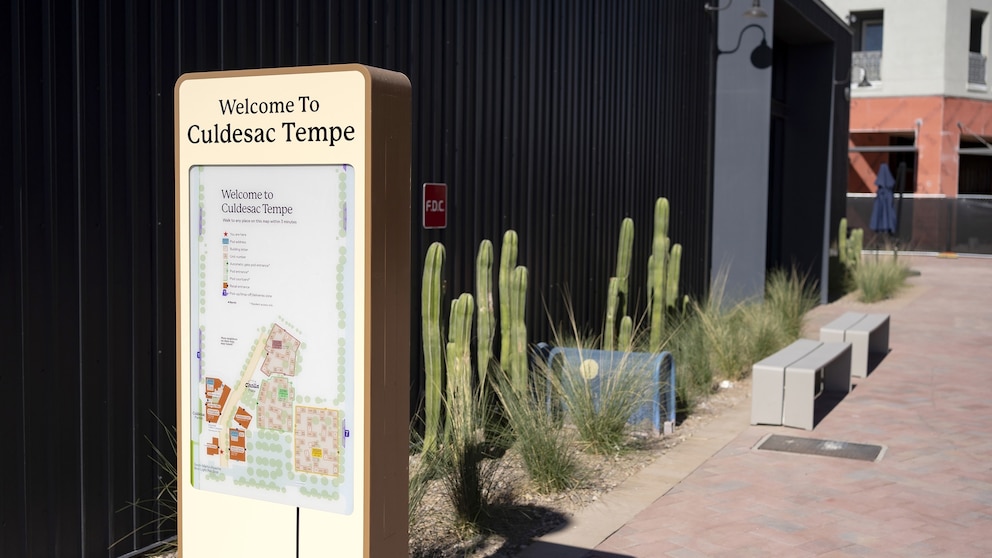
The majority of U.S. infrastructure may have been built to accommodate cars, but one American town was designed to utilize walking as the primary source of transportation.
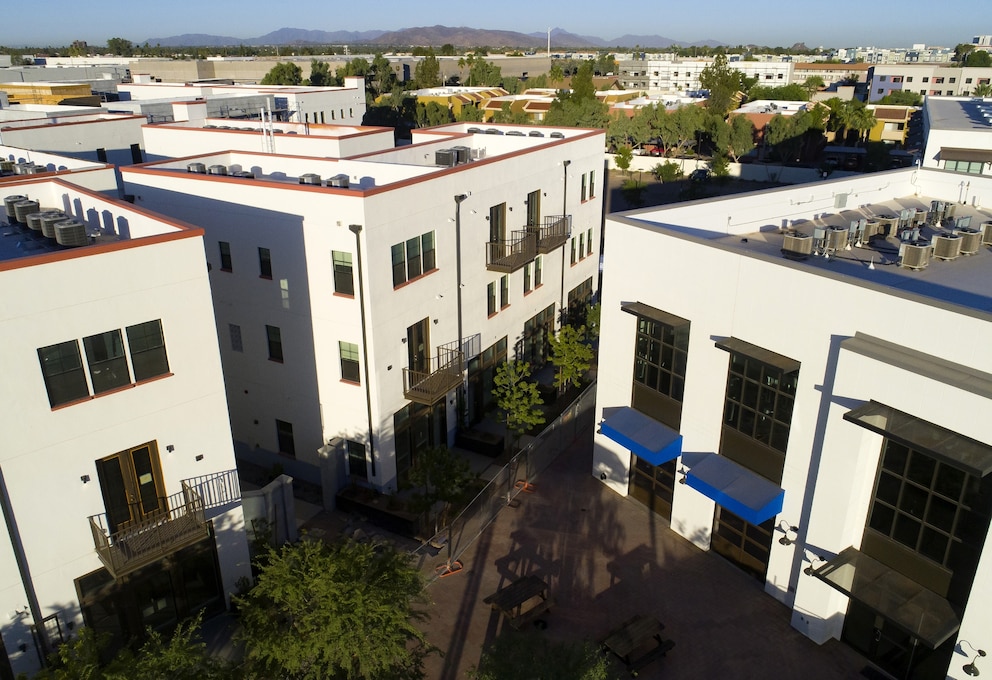
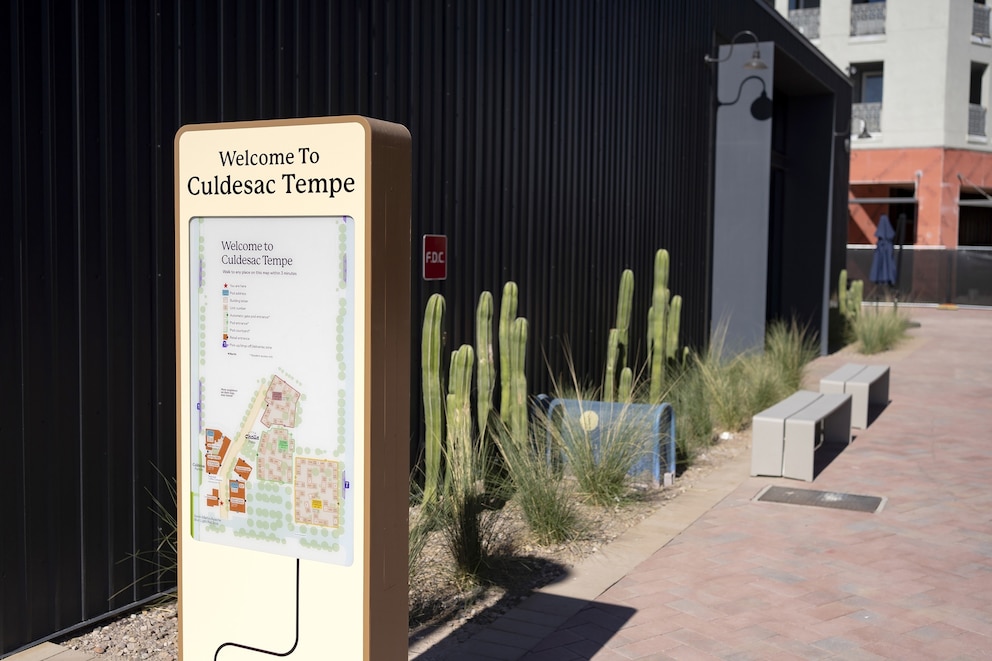
Culdesac, a community in Tempe, Arizona, just outside Phoenix, may look similar to other new developments in the area, but there is one major difference: it was built to be car-free.
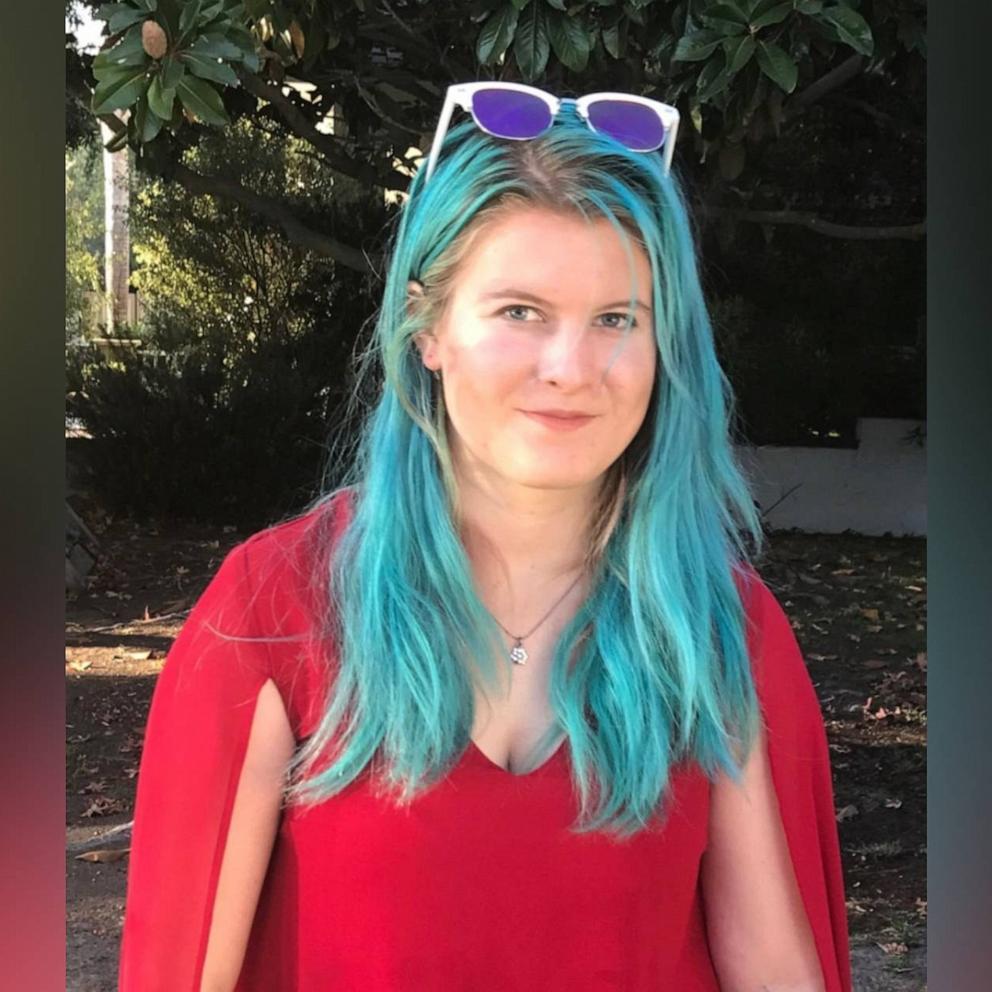
Without vehicles, residents of Culdesac are encouraged to walk or bike around town. An unexpected result is the community that is built while commutes take place in the open air, Electra Hug, a resident of Culdesac, told ABC News.
"There're so many people that don't have a car and so I'm able to be in this mindset that I can live this life this way even without a vehicle," Hug said.
Community planners brought boutiques, restaurants, a farmers market and a plant shop to Culdesac, eliminating the need to drive to those places. The town also hosts community get-togethers and socializes throughout the neighborhood's plazas, courtyards and other hangout areas.
"It's so fun to just be able to walk to a local coffee shop or go to our neighbor's house by feet and you know just be in community with friends and family," Hug said.
Resident Jacob Steinkamp told ABC News that he began to recognize familiar faces on the same route he takes every day. Being outside a vehicle has led to more natural ways to meet his neighbors, he said.
"It's a little bit more friendly than a car," Steinkamp said. "If you wave someone in a car, they're like, 'What's that guy doing?' But on a bike or walking, it's just more natural."
For Hug, who has been legally blind since she was a teenager, the lack of traffic has offered an increased sense of safety, she said.
The community is located in one of the hottest regions of the U.S., where temperatures regularly reach degrees in the triple digits. But its design has allowed for cooler conditions, Ryan Johnson, co-founder and CEO, told ABC News.
Culdesac has about 55% of landscape space, which makes the town about 15 degrees Fahrenheit cooler than another neighborhood just across the street, Johnson said.
"And that's because there's not a drop of asphalt," Johnson said. "There's lots of trees and shade."
Transportation makes up a massive portion of global emissions. In 2022, transportation was responsible for 28% of total greenhouse gas emissions, according to the U.S. Environmental Protection Agency.
Community planners harkened back through history as inspiration for the town's design, Johnson said, adding that less than 10% of Americans currently live in walkable neighborhoods.
"This is how we used to build," Johnson said. "There were millennia of building walkable neighborhoods."
As cars became more prominent in the U.S. over the past 100 years, the construction of real estate, roads and city planning evolved with it, Johnson said.
"But we're now showing what's possible," Johnson said. "Our residents use a portfolio of transportation options instead of a private vehicle."
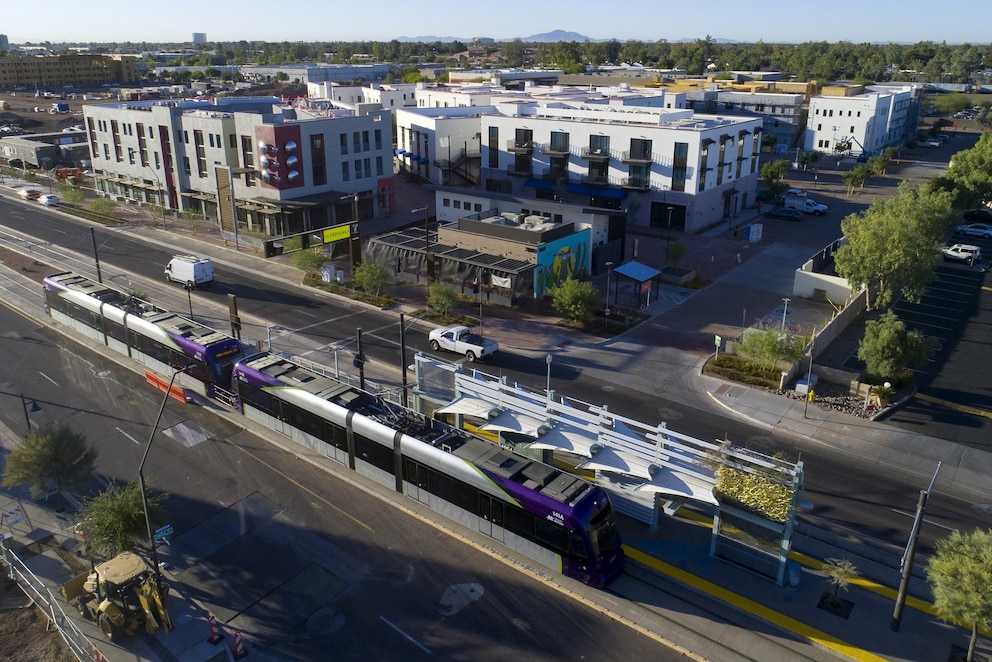
In addition, the community is off the Valley Metro light rail, giving residents access to the greater region. Residents receive a free unlimited light rail and bus pass.
Culdesac residents are immune to rising gas prices, since they don't utilize cars in their everyday lives, Hug said.
"I don't have to worry about paying for gas," Hug said. "I know gas prices are affecting a lot of homes right now and that is one expense that I don't have to pay for."
Steinkemp and his wife have saved money since moving to Culdesac by using a bike or electric scooter, rather than driving, he said.
"I feel like the cost of the city, wider roads, more parking, isn't something that I want to be contributing to," Steinkamp said.