• Video
  • Shop
  • Culture
  • Family
  • Wellness
  • Food
  • Living
  • Style
  • Travel
  • News
  • Book Club
  • Newsletter
  • Privacy Policy
  • Your US State Privacy Rights
  • Children's Online Privacy Policy
  • Interest-Based Ads
  • Terms of Use
  • Do Not Sell My Info
  • Contact Us
  • © 2026 ABC News
  • News

Nor'easter headed to East Coast: What to know about this type of storm

1:08
What is a Nor'easter storm?
Yuki Iwamura/AP
ByEmily Shapiro
January 28, 2026, 3:05 PM

As the East Coast digs out from a massive snowstorm, a potential nor'easter could bring more snow to the region this weekend.

Here's what you need to know about this kind of powerful storm:

Nor'easters along the East Coast get their name because the winds over the coastal area are typically from the northeast.
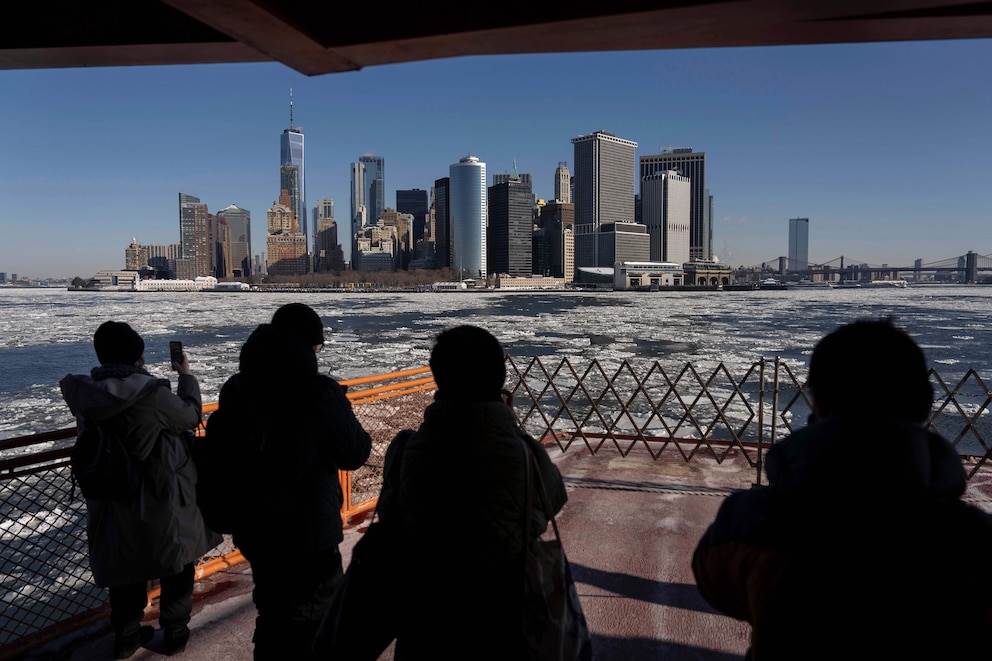
People take the Staten Island Ferry as ice floats on the Hudson River, Jan. 27, 2026, in New York.
Yuki Iwamura/AP

Related Articles

MORE: Potential nor'easter headed to East Coast this weekend: Latest forecast

These storms may occur at any time of year but are most frequent and most violent between September and April.

Nor'easters nearly always bring precipitation in the form of heavy rain or snow, as well as gale-force winds, rough seas, and, occasionally, coastal flooding.

Nor'easters usually develop in the latitudes between Georgia and New Jersey, within 100 miles east or west of the East Coast.
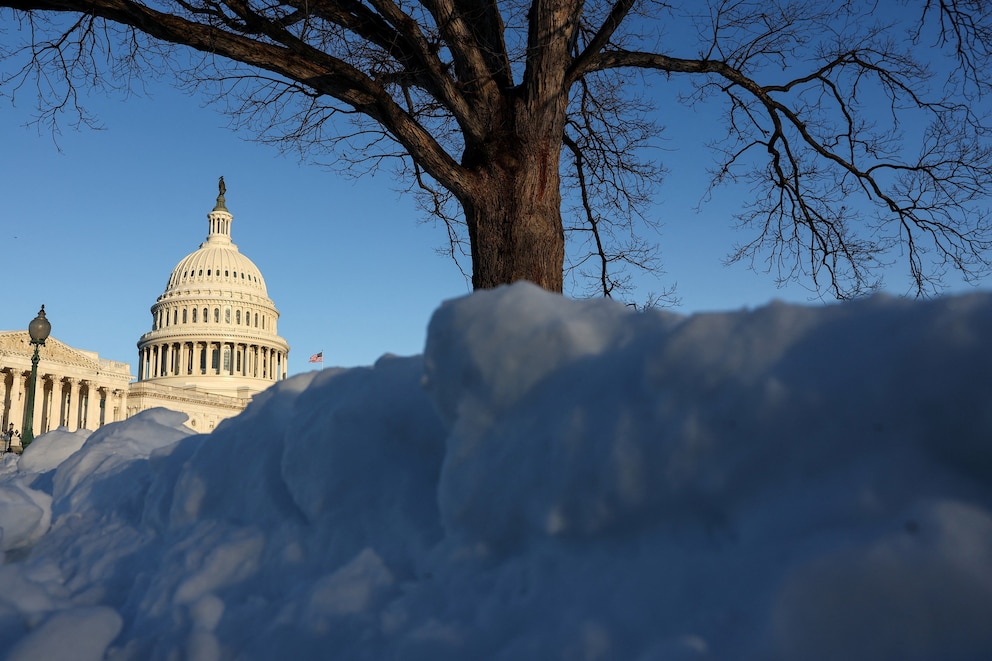
Snow covers the ground around the U.S. Capitol building in Washington, D.C., January 27, 2026.
Kylie Cooper/Reuters

Related Articles

MORE: Here's how to stay safe in the cold

The heavily populated region between Washington, D.C., Philadelphia, New York and Boston -- known as the "Interstate 95 Corridor" -- is especially impacted by nor'easters.

These storms progress generally northeastward and typically attain maximum intensity near New England and the Maritime Provinces of Canada.

The East Coast provides an ideal breeding ground for nor'easters. During winter, the polar jet stream transports cold, Arctic air southward across the plains of Canada and the United States, then eastward toward the Atlantic Ocean where warm air from the Gulf of Mexico and the Atlantic tries to move northward.
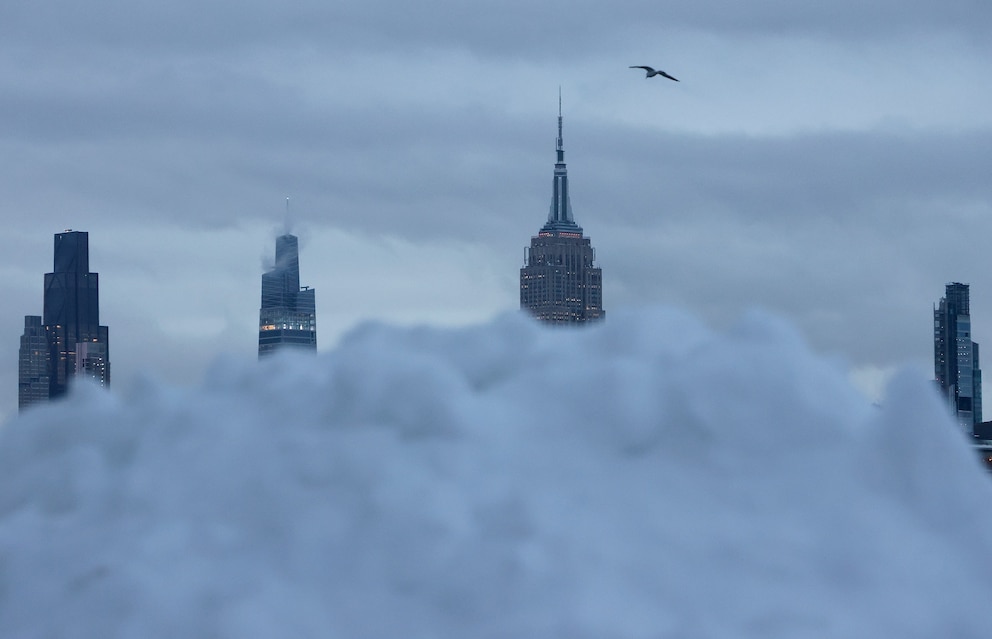
The skyline of midtown Manhattan and the Empire State Building in New York City are seen behind a snowbank in Hoboken, New Jersey, Jan. 26, 2026.
Gary Hershorn/ABC News

The warm waters of the Gulf Stream help keep the coastal waters relatively mild during the winter, which in turn helps warm the cold winter air over the water. This difference in temperature between the warm air over the water and cold Arctic air over the land is the fuel that feeds nor'easters.

Some well-known nor'easters include the New England blizzard of February 1978, the March 1993 "Superstorm" and the Boston snowstorms of January and February 2015, according to the National Oceanic and Atmospheric Administration.

Up Next in News—

Gas station clerk speaks out after foiling alleged kidnapping

April 15, 2026

Oklahoma high school principal takes down would-be shooter, hailed as hero

April 15, 2026

Family seeks answers after influencer Ashlee Jenae is found dead on vacation in Tanzania

April 15, 2026

Couple shares warning after nearly losing down payment in mortgage fraud

April 10, 2026

Shop GMA Favorites

ABC will receive a commission for purchases made through these links.

Sponsored Content by Taboola

The latest lifestyle and entertainment news and inspiration for how to live your best life - all from Good Morning America.
  • Contests
  • Terms of Use
  • Privacy Policy
  • Do Not Sell My Info
  • Children’s Online Privacy Policy
  • Advertise with us
  • Your US State Privacy Rights
  • Interest-Based Ads
  • About Nielsen Measurement
  • Press
  • Feedback
  • Shop FAQs
  • ABC News
  • ABC
  • All Videos
  • All Topics
  • Sitemap

© 2026 ABC News
  • Privacy Policy— 
  • Your US State Privacy Rights— 
  • Children's Online Privacy Policy— 
  • Interest-Based Ads— 
  • Terms of Use— 
  • Do Not Sell My Info— 
  • Contact Us— 

© 2026 ABC News