Elephants rarely get cancer – and their genes could help humans
This is an Inside Science story.
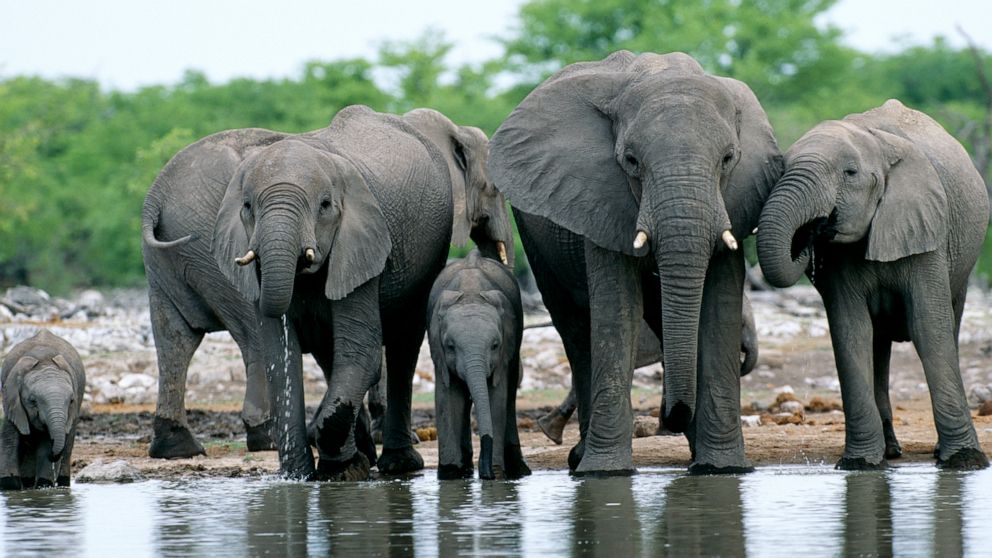
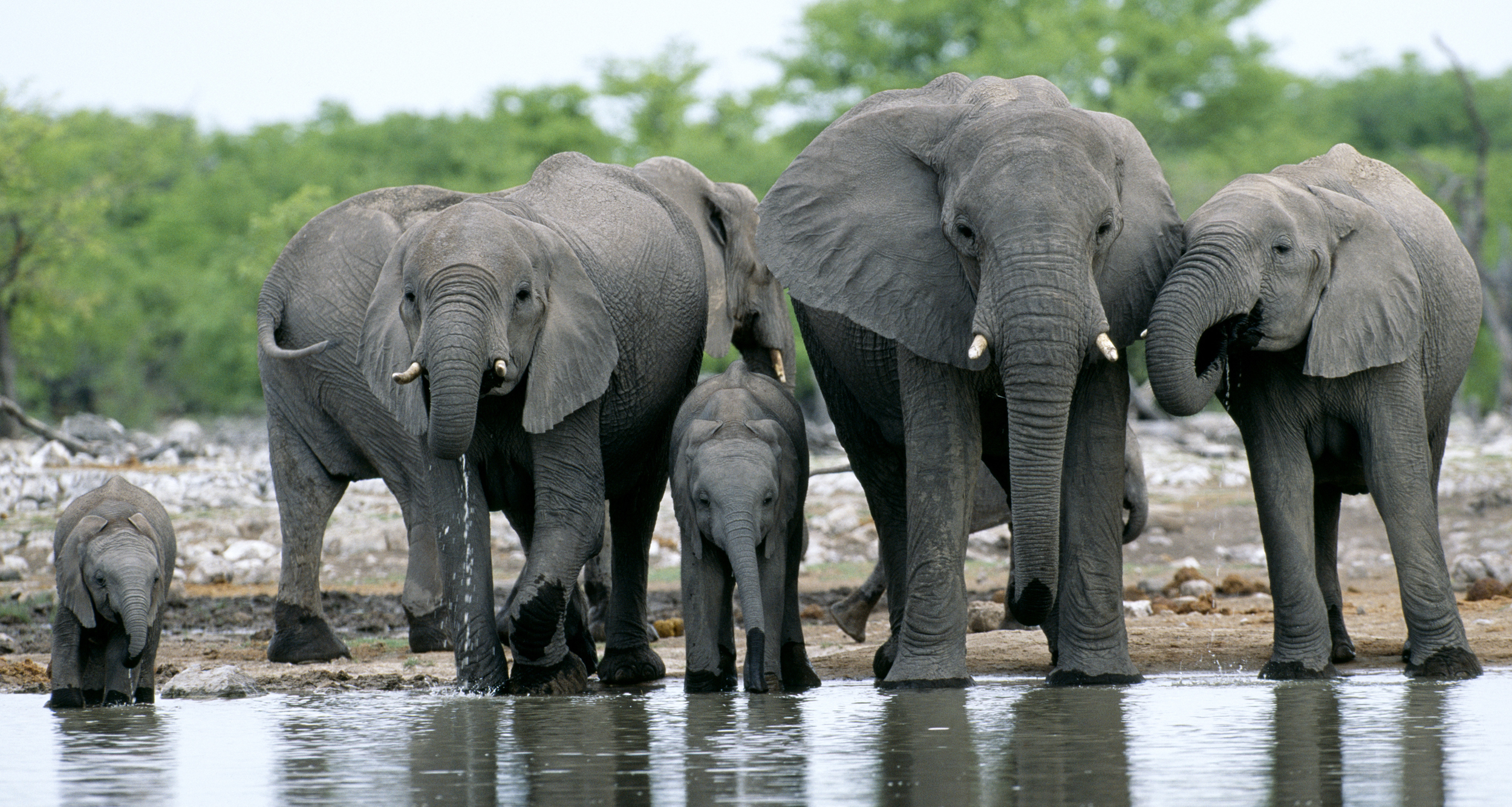
(Inside Science) – “I’ve always been so enamored with elephants -- one of the things that’s just amazing to me is that elephants have such an incredibly low rate of cancer. And it doesn’t make any sense that elephants have a low rate of cancer, because they’re so big and their cells are dividing so fast,” explains Matthew LaPlante, author of the book Superlatives: The Biology of Extremes.
For a long time, it was a mystery how elephants managed to grow so big without getting cancer, because every time a cell divides, there is a risk that it could mutate into a cancerous form. And it takes a lot of cell divisions for an elephant embryo to grow into a 13,000-pound animal.
“Their cells are dividing so quickly that just by chance alone they should just have really high rates of mutation and cancer. But they have a gene -- they have many copies of this gene, as a matter of fact -- that causes their cells to commit suicide if they mutate. It could not have evolved to be that large if it did not also evolve to have that gene,” said LaPlante.
Researchers at the University of Utah are now working with human cells to see whether the elephant's cancer-fighting technique could lead to new medical treatments.
“I mean, this is happening in a petri dish, but it’s really exciting. You have these cancer cells and when -- they’re human cells, but they’ve been taught essentially to act like elephant cells would. And so, when a mutation happens that’s cancerous the cells, instead of reproducing, just kill themselves. For a really long time we figured like the way we’re going to have to fight cancer was one cancer at a time, because they’re very different. But this process appears to work for every kind of cancer that they’ve tried it on,” concluded LaPlante.
For more information, visit the Schiffman Lab at the University of Utah.
Inside Science is an editorially-independent nonprofit print, electronic and video journalism news service owned and operated by the American Institute of Physics.