Elephants may be able sniff out larger quantities through scent alone, study finds
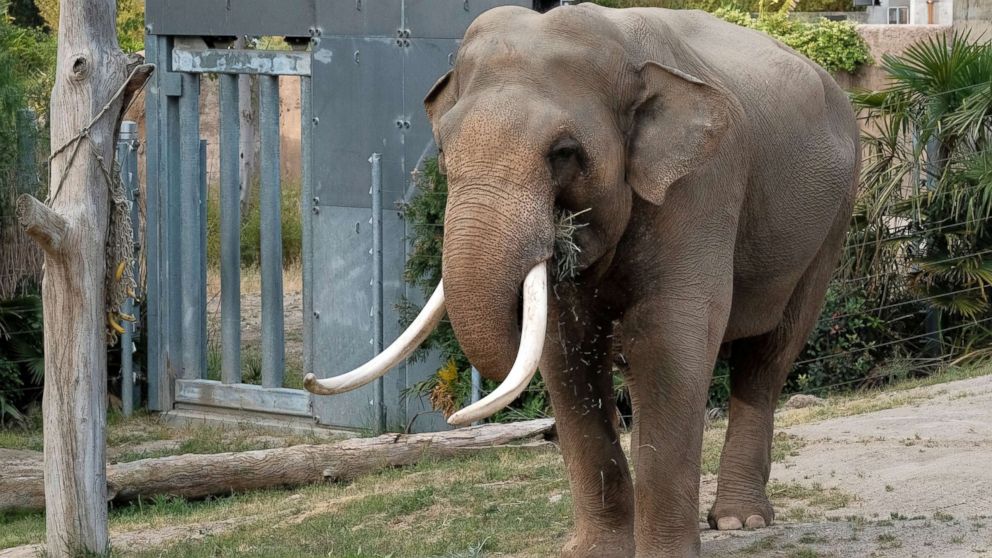
Elephants depend heavily on odors to guide their behavior, but new research shows that their massive trunks may be good for much more than just smelling.
A study of Asian elephants released on Monday showed that the wise behemoths may be able to sniff out larger quantities of food without seeing them, suggesting that they may be even more smell-oriented than previously thought.
The study, led by City University of New York, Hunter College psychology professor Joshua Plotnik, came to the conclusion after training six elephants to seek out larger quantities. The researchers then presented the animals with two containers of sunflower seeds and prompted them to pick the one with the most seeds in them -- using only their sense of smell.
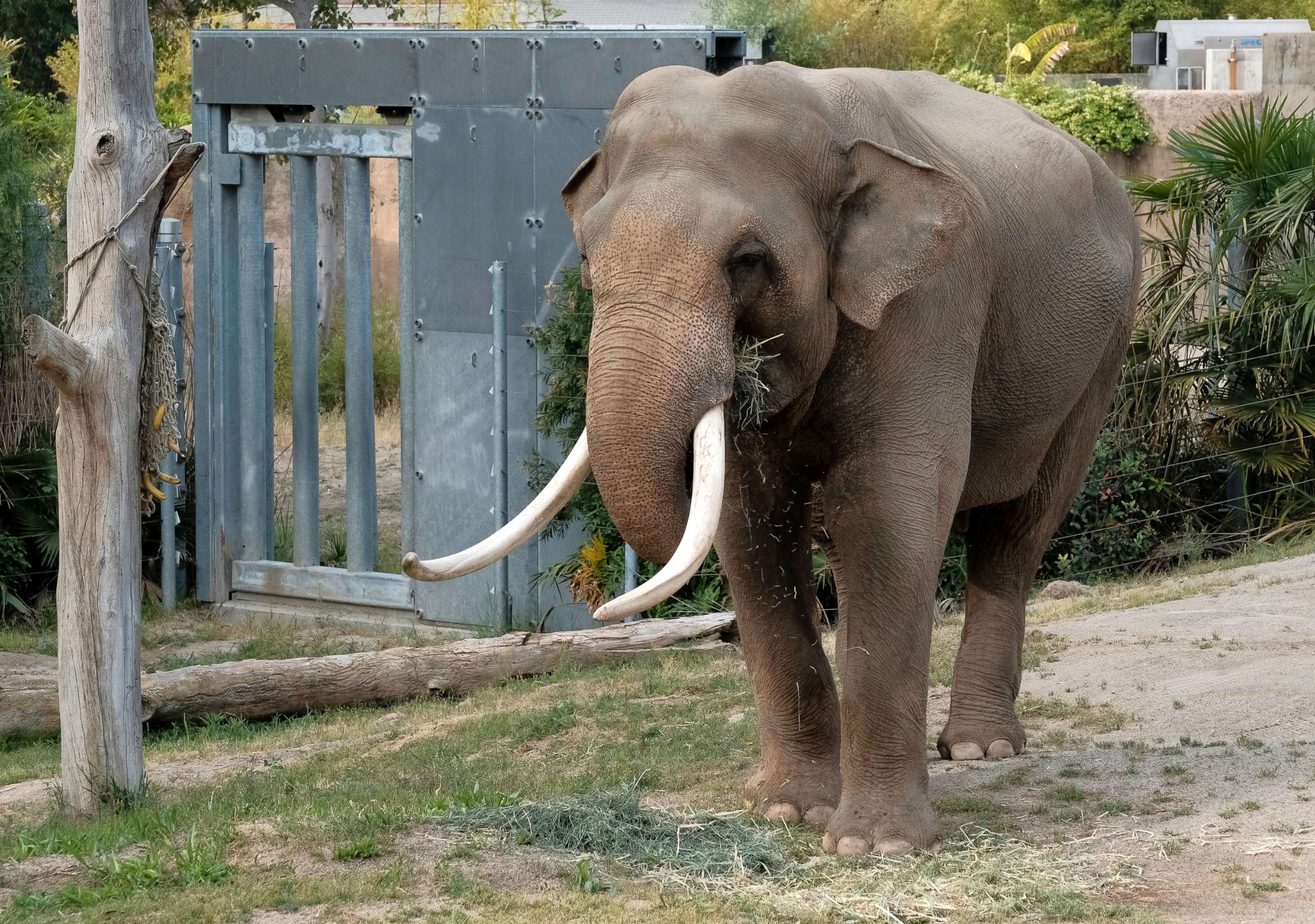
Plotnik said the results were astounding.
"Remarkably, some of the elephants were able to distinguish between 150 and 180 sunflower seeds, a difference that would be hard for you or me to determine by sight," Plotnik said in a statement. "While we’ve known that elephants have a remarkably acute sense of smell, their ability to distinguish between such subtle differences in quantity introduces new questions about how elephants may otherwise be using this powerful sense."
Most species, including humans, are able to distinguish between larger and smaller quantities visually, but elephants are one of the many animals who use sight as a second sense, according to the study.
There has been very little research on how animals might make such determinations and decisions using their other senses, which may simply reflect human’s vision-centric bias and projecting it on animals, researchers said.
“Animals’ capacity to differentiate between more and less can be critical to their decision making regarding social relationships, territory and food, and like humans, many species usually make these distinctions visually,” the researchers said in a statement. "This conclusion, obtained through an imaginatively designed experiment, has exciting implications for further research into animals’ sensory experience of their worlds."