Europeans insist on security guarantees for Ukraine as Russia balks: ANALYSIS
After a week of rushed diplomacy and two major summits over the war in Ukraine, few details have emerged about a key part of a potential peace settlement: security guarantees to help Kyiv fend off any future Russian attacks.
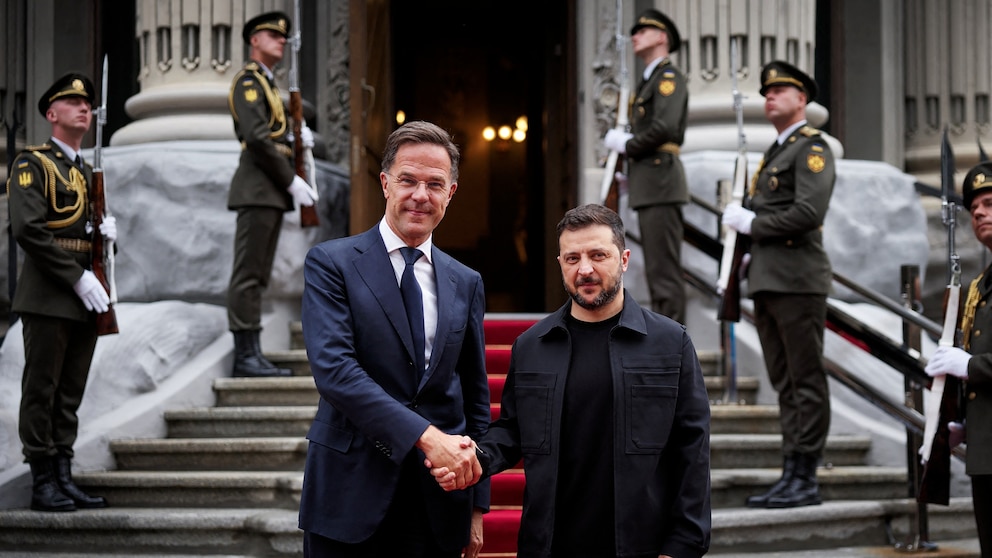
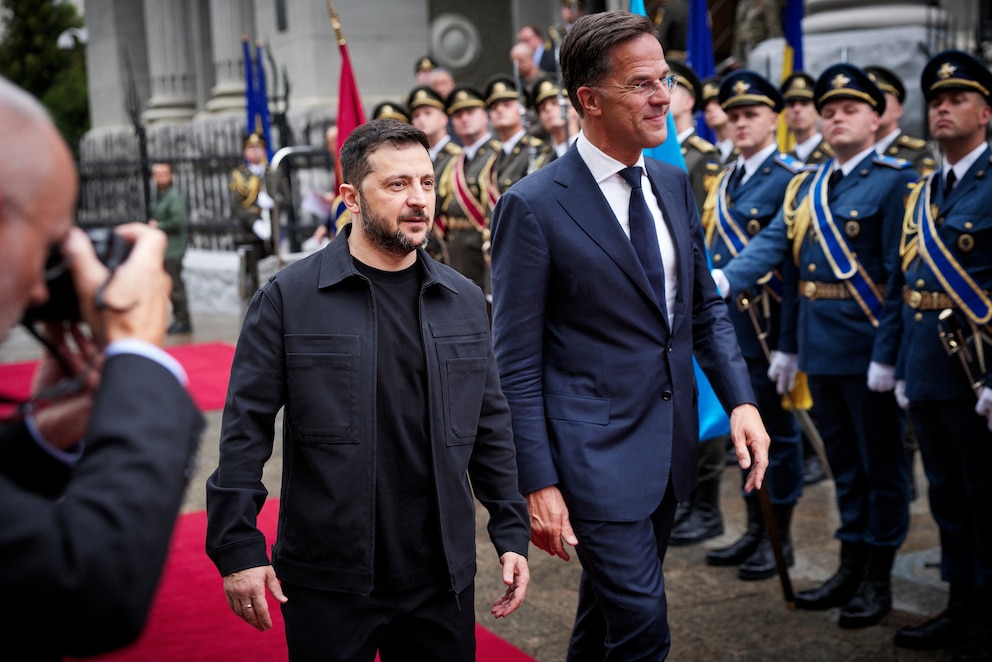
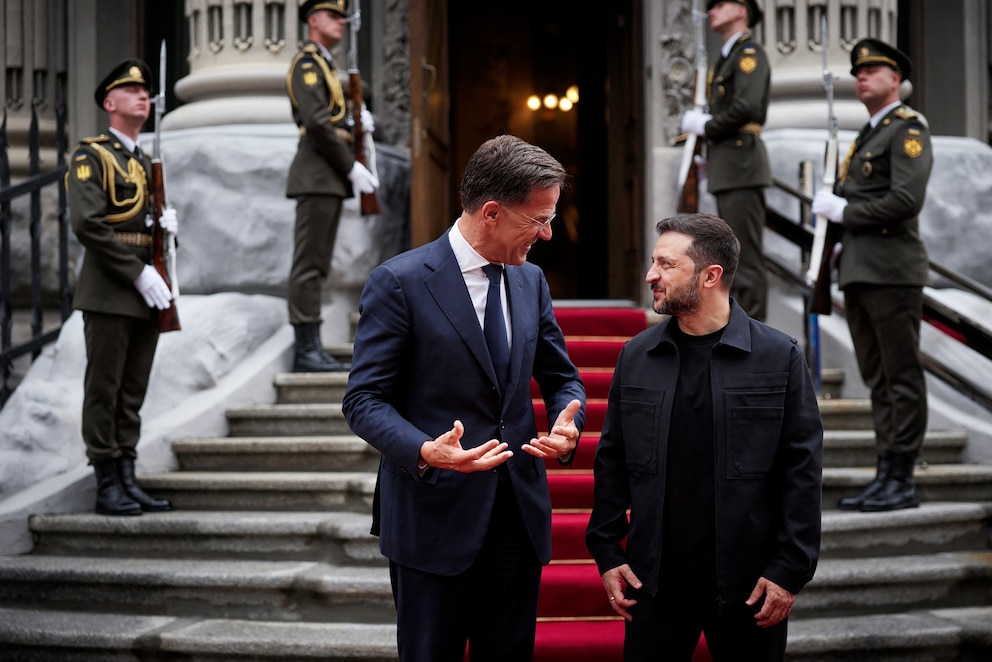
NATO Secretary-General Mark Rutte, who touted the guarantees with other European leaders when they conferred with President Donald Trump at the White House on Monday, was in Ukraine on Friday to lay out a framework to Ukraine's President Volodymyr Zelenskyy.
"The first layer has to be for Ukrainian armed forces to be as strong as possible to defend this proud country and nation going forward," Rutte said, saying that would come after a peace deal or "long-term ceasefire."
He added, "And the second layer has to be the security guarantees provided by Europe and the United States."
How those guarantees would work, including what role the U.S. might play, has been the subject of intense diplomacy in Washington – including a meeting between Joint Chiefs Chairman Gen. Dan Caine and his European counterparts -- as well as meetings in Brussels among NATO military chiefs.
Retired Adm. James Foggo, a former commander of NATO naval forces, told ABC News the U.S. and its allies would seek a "negotiated solution" in short order to come up with a joint military plan.
"With the high sense of importance and urgency the president has assigned to this … I'm sure there's a lot of pressure on the uniform side to come up with options and in a very close negotiation with allies and partners," Foggo said.
Trump has ruled out deploying U.S. ground troops and opposes Ukraine's bid to join NATO, but he has said the U.S. "would help them … by air."
Hosting Rutte Friday, Zelenskyy said it was "still too early to say who might provide troops, who will contribute intelligence, who will be present at sea, and who -- in the air."
"The infrastructure will be written down and written out, and then we will understand who can help with what and how," he said.
While Zelenskyy said the support for security guarantees was "political" at this point -- and not a concrete plan -- the summit in Washington "as [a] very important signal from America and from the president," he said.
How many troops would serve in Ukraine – and which countries would send them – are key questions in an "Article 5-like" security guarantee that European leaders have spoken about. Instead of an Article 5 vow under the NATO treaty alliance – in which an attack on one member is considered an attack on all – allies have discussed a "coalition of the willing" that would promise to back Ukraine's security.
"What does Article 5-like security guarantee mean?" said Foggo. "I'm not sure up until this point anybody can answer that question."
Whether and how the potential security guarantee resembles Article 5's ironclad structure – which was invoked only once, after the Sept. 11 attacks on New York City and Washington, D.C. – "is a matter for negotiation," said Rose Gottemoeller, NATO's deputy secretary-general from 2016 to 2019.
"And not really with the Russians, per se. It's not their business what the security guarantee is going to look like," she said, even though Moscow "will certainly try to place constraints on how much support NATO countries provide for Ukraine now, and how much involvement the United States will have in the effort."
But Trump's diplomatic frenzy has been much about creating momentum, Gottemoeller said, and exposes Putin to appearing to be a spoiler in the talks.
"We have to see how ... much Mr. Putin wants this deal now," she said. "For him to now stand in the way of that, he's going to look like -- he is a bad guy -- but he's going to look like the real bad guy in these negotiations. And he's always tried to be on the front foot, [saying] 'I'm ready to make peace."
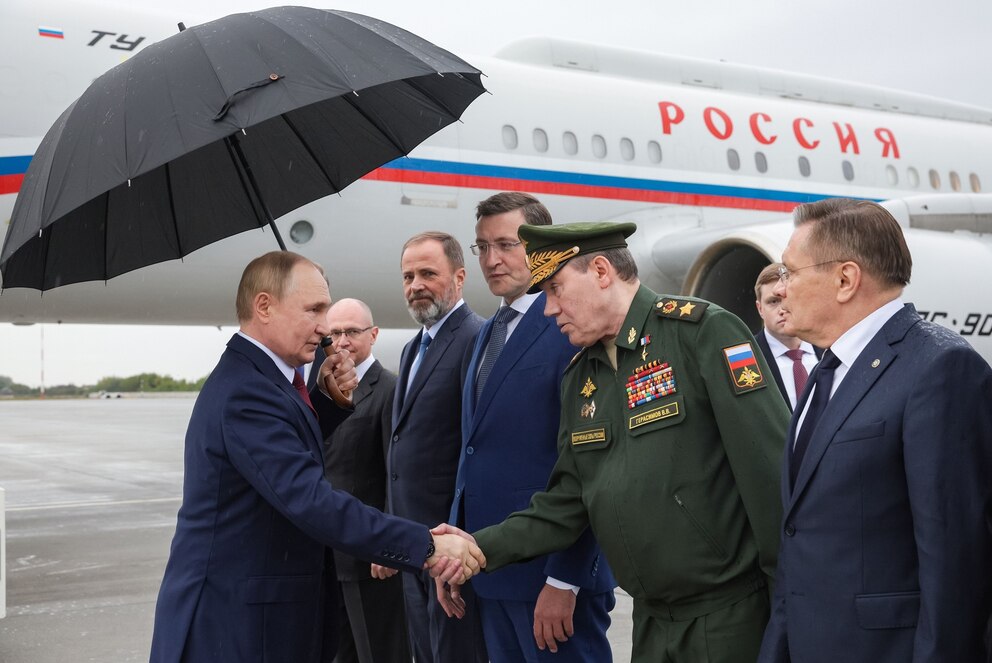
Russian Foreign Minister Sergei Lavrov said Wednesday that talks about a security guarantee for Ukraine – against Russia – must involve Moscow itself. "Moscow won't agree with collective security guarantees negotiated without Russia," he said, implying a Russian veto over defenses for Ukraine.
Retired Lt. Gen. Keith Kellogg, the U.S. special envoy to Ukraine, said on the Fox Business Network Wednesday that Russian statements since Monday's Washington summit opposing an international security force for Kyiv were "just noise." Kellogg said the heads of state would drive decisions over the guarantees.
Ukraine's allies have embraced a sequence of establishing a security mechanism before next phases like territory swaps and a bilateral or trilateral meeting involving Putin and Zelenskyy, which Trump has made his public priority.
"You've gotta provide leverage for Zelenskyy to go to his people and say this is what we're getting out of the deal, this is the long-term effort, so he's able to, for lack of a better term, sell it," Kellogg said. "You've gotta have something on the board."
The security arrangement would be backstop "so that when the time comes for you to enter that bilateral meeting," Rutte told Zelenskyy on Friday, "you have the unmistakable force of Ukraine's friends behind you, ensuring that Russia will uphold any deal and will never ever again attempt to take one square kilometer of Ukraine."
A mobilization wouldn't be an issue, said Foggo.
"You can generate forces pretty quickly, once there's a policy decision," he said. "Uniform forces will follow the policy, but those policy decisions are up to the civilian leaders of those countries."