Evanston, Illinois, finds innovative solution to funding reparations: Marijuana sales taxes
When the city council in Asheville, North Carolina, approved reparations this week for its African American residents and apologized for its history of slavery, the move was called historic and received global media attention. The resolution stood out as a first in the racially unsettled months since the killing of George Floyd and resonated because it happened in what was once a Confederate state.
But while Asheville's resolution promises reparations, it does not say when or how they will be paid for.
Another city has gone further down the road to reparations than any other and may be a model for the small but growing number of places considering making amends for past racial injustice, including Seattle; Providence, Rhode Island; and the state of California.
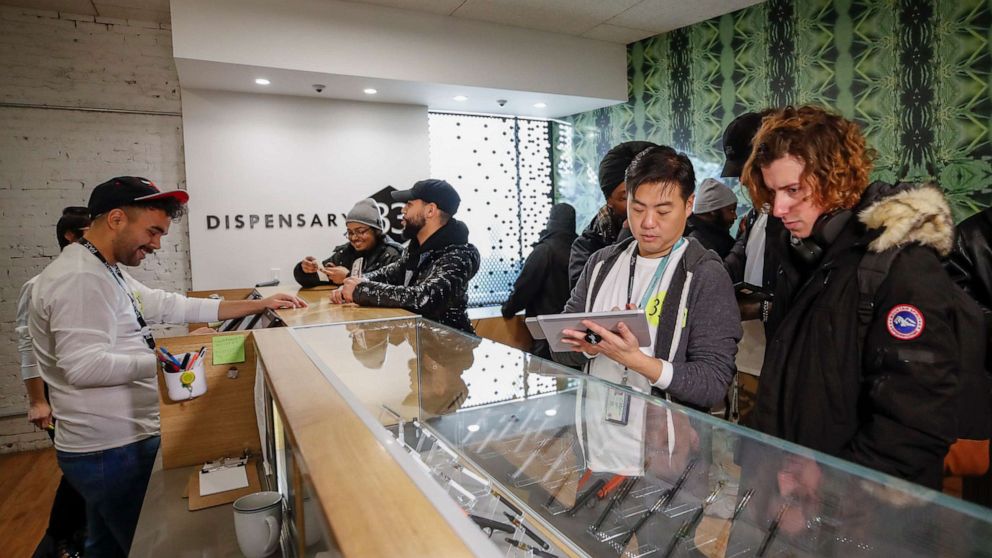
Last November, Evanston, Illinois, not only adopted a resolution for reparations as part of the city budget, it found an inventive source of funds: tax revenue from newly legalized marijuana sales.
"Evanston absolutely is the pioneer," said Nkechi Taifa, an attorney and member of the National African American Reparations Commission. "It basically is the first municipality to commit public dollars to reparations."
The plan calls for using $10 million collected by the city in cannabis sales taxes over an estimated 10 years to provide African American residents with housing assistance and economic development benefits. As of the 2010 Census, the Black population of Evanston was about 13,400 people.
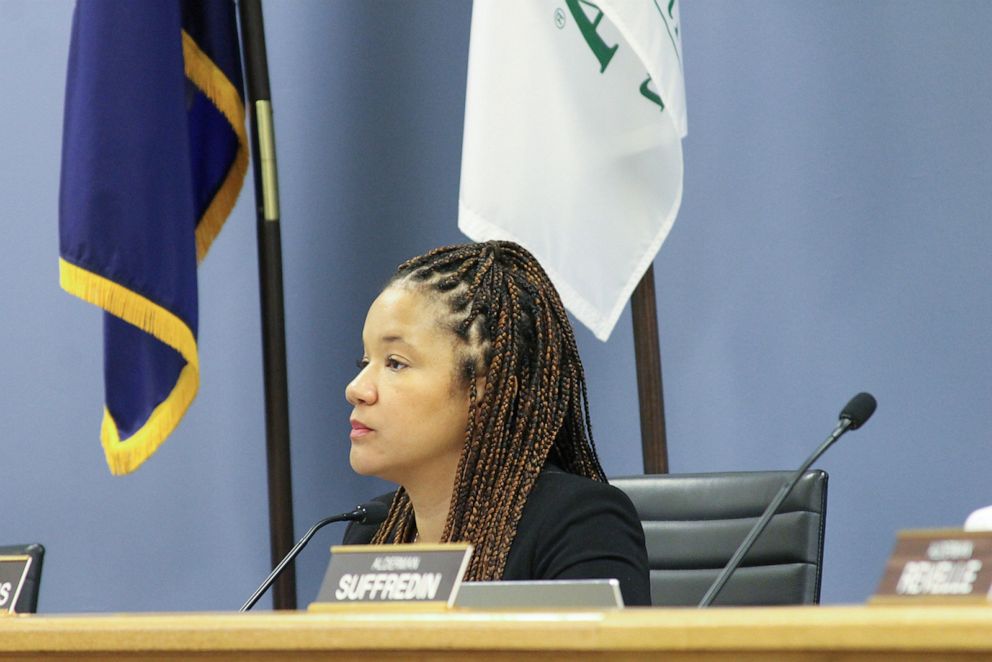
According to Alderman Robin Rue Simmons, who has led the effort, details for the first "remedy policy" are nearing completion: a $25,000 direct benefit payment to purchase a home. Those who qualify for such a check, according to the current proposal, are Black residents who lived in Evanston between 1919 and 1969 or their direct descendants.
"We are going to lead with housing," said Simmons, because homeownership is considered a "benefit that would build wealth," putting Black residents on the path toward bridging the "wealth gap."
The next round of benefits from the fund will be designed to encourage business development and entrepreneurship.
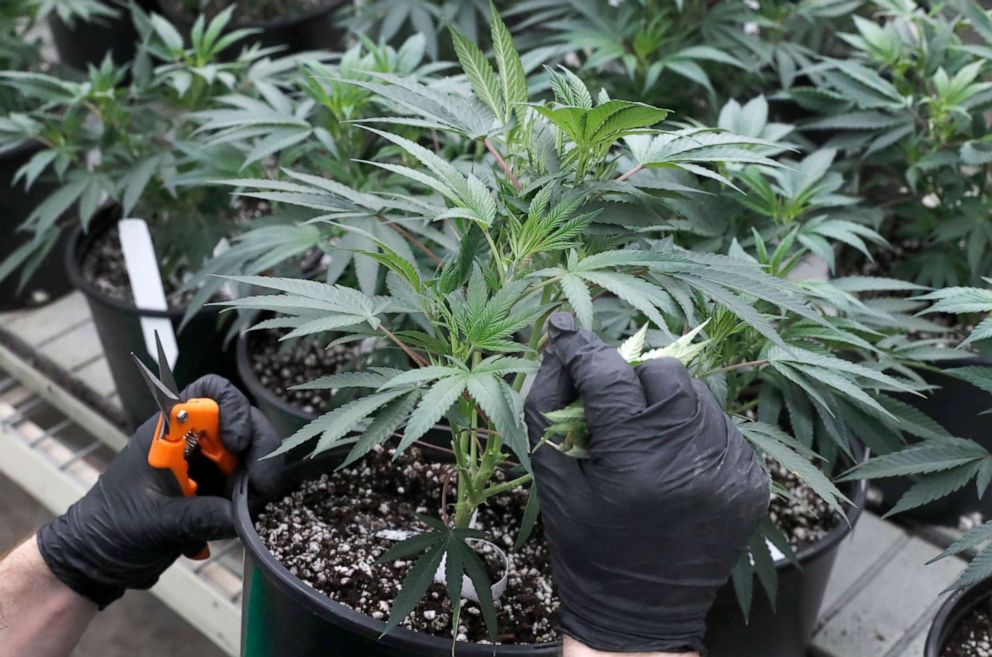
When Illinois readied to legalize marijuana sales last year, Simmons and others on the city council thought "there is no more appropriate place to use the sales tax from that industry."
Over 70% of Evanston's marijuana-related arrests were among African Americans, even though they are less than 17% of the population, according to Simmons.
"If there is going to be some benefit to the community from legalizing marijuana, then it certainly should be targeted to the Black community most damaged by this overpolicing," Simmons said.
So the council acted quickly, approving the reparations fund in an 8-to-1 vote.
"We did not want the cannabis sales tax folded into our general fund and be spent in some way. Then we'd have to take it away from something," Alderman Melissa Wynne recalled. "We realized before a penny of this arrives in our coffers, we have to decide right now, 'We're putting this in a fund.'"
Taifa said that since marijuana has been central to "a criminal punishment system that disproportionately sent Blacks to prison," it is "poetic justice" that cannabis serve as "the same entity that is seeking to close the Black-white wealth gap."
Evanston could "provide a blueprint for the rest of the country," Taifa said.