Exclusive: Family of Texas corrections officer questions his death after inmate's life sentence
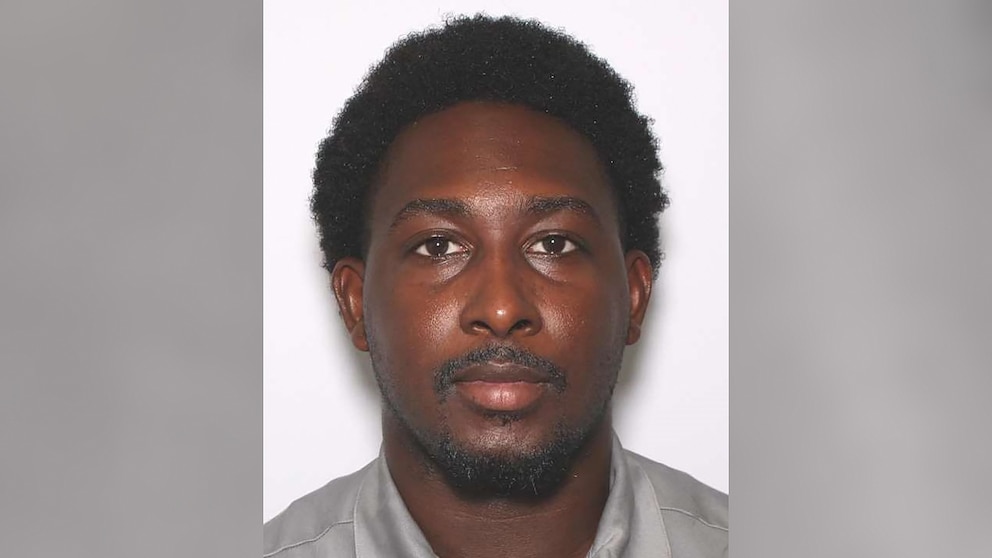
The family of a Texas corrections officer is still seeking answers after his death in what was supposed to be a routine inmate cell extraction.
Officer Jovian Motley died in the line of duty at the Texas Department of Criminal Justice's Wainwright Unit in Lovelady in November 2023. The official explanation is that he was assisting other officers in restraining the inmate when he died.
Earlier this month, inmate Jabari Lewis pleaded guilty to capital murder in Motley's death, and was sentenced to life in prison without parole. Motley's family says the sentencing did not bring them closure.
The officer's parents say the case was closed without answering the most basic questions about how their son died. Those unanswered questions prompted them to file a wrongful death lawsuit against the Texas prison system and the manufacturer of the respirator Motley was wearing during the fatal extraction.
Following Motley's death, Texas Gov. Greg Abbott and other officials publicly praised his service, describing him as a dedicated corrections officer who "selflessly put his life on the line each day to protect his community and fellow officers."
For the family, that recognition has only deepened their struggle to reconcile who he was with questions about how his death was handled.
Lewis had previously been serving multiple sentences, including burglary, drug-related offenses and aggravated robbery, according to court records.
At Lewis' sentencing hearing, Motley's mother, Tammica Motley, addressed the court, not to challenge the outcome, but to highlight what she said was missing from the process.
"My son died in a cold, dark cell and I feel like we are being kept in the dark with questions that have yet to be answered," she told the court. "Instead of preparing for trial, we are left giving an impact statement when the truth is we still have unanswered questions."
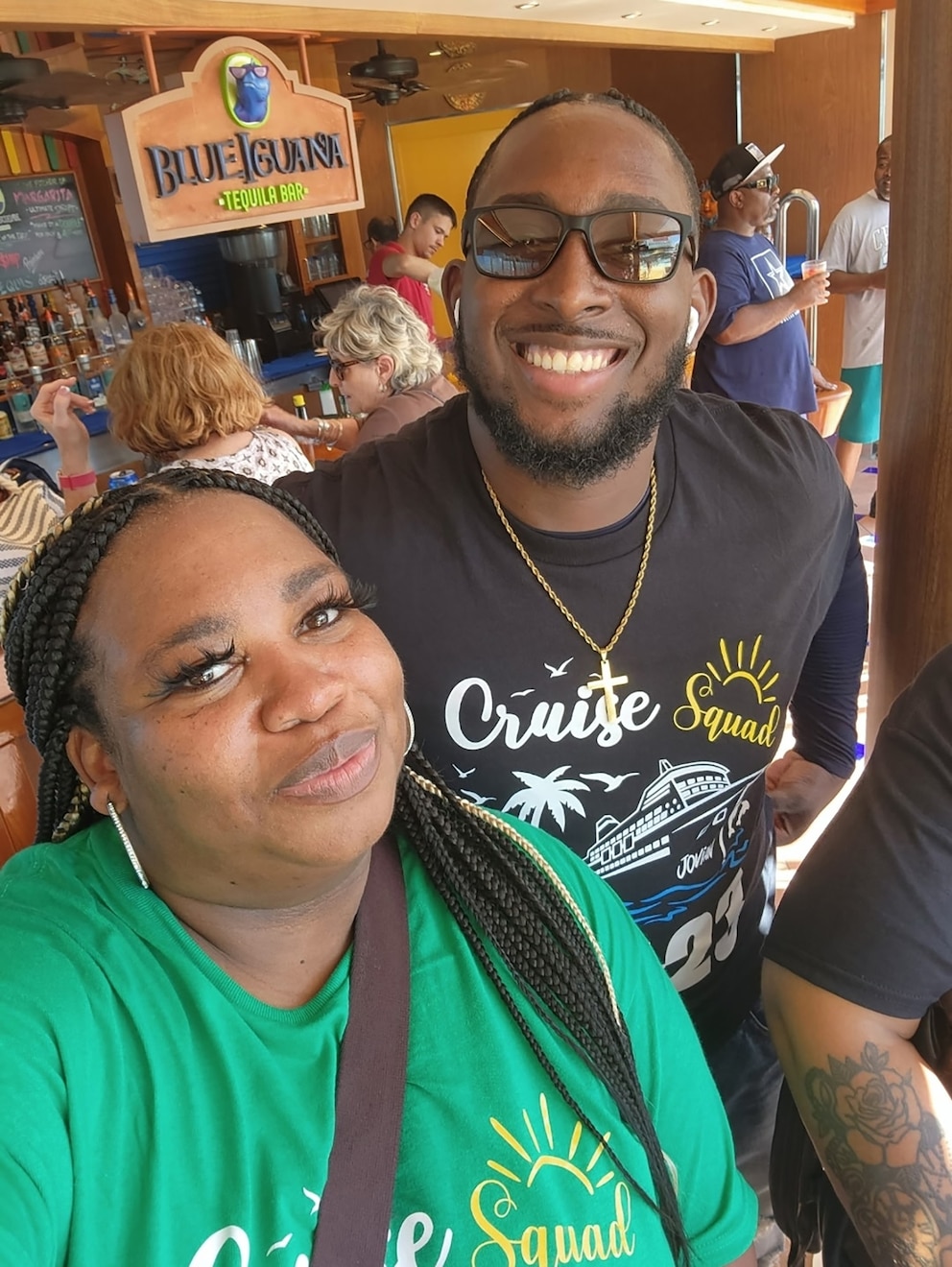
She questioned why five officers were sent into a dark cell, what urgency justified the extraction and why those decisions were never fully examined before the case was resolved.
Those questions now form the basis of the wrongful death lawsuit filed by Motley's parents against the Texas Department of Criminal Justice, TDCJ leadership, which the family says ordered the extraction, and Avon Technologies, the manufacturer of the respirator Motley was wearing that night. The family alleges the respirator failed to protect Motley from chemical exposure during the incident.
After Motley's death, TDCJ initially told the public that he was strangled by Lewis while assisting other officers, and prosecutors pursued a capital murder charge based on that account.
However, according to the lawsuit, an autopsy later found no injuries consistent with strangulation or trauma to Motley's neck. Instead, the medical examiner concluded that he died of mechanical asphyxiation.

The family alleges the extraction was ordered after Lewis blocked his food slot with a blanket, conduct they argue did not present an immediate security threat.
Before officers entered the cell, the lawsuit says, four rounds of chemical spray were deployed. The cell light was not functioning, leaving officers to enter what the complaint describes as near-total darkness.
The lawsuit, first shared with ABC News, alleges Motley was issued an Avon PC50 respirator that was not properly fit-tested and failed to protect him from chemical agents. The complaint also points to chronic understaffing at the Wainwright Unit and says Motley was working a second consecutive shift the day he died.
In a statement provided to ABC News, the family said they are speaking out not to reopen the criminal case, but to seek accountability.
"Jovian Motley was sent into a dangerous cell extraction with a defective gas mask and no protection. While the state pins blame on an inmate -- without medical evidence of strangulation -- those truly responsible remain untouched. This lawsuit demands accountability from TDCJ and Avon Technologies for sacrificing Jovian to negligence," the family said in a statement.

ABC News reached out to the Texas Department of Criminal Justice and Avon Technologies for comment. TDCJ declined to comment, citing ongoing litigation. Avon Technologies did not respond to multiple requests for comment.
The lawsuit seeks compensatory and punitive damages and calls for an independent review of TDCJ's use-of-force policies and equipment practices.
The family's attorney, Justin A. Moore, alleges the public narrative surrounding Motley's death does not align with the medical evidence.
"They fed the public a lie to shield themselves from liability," Moore said in a statement to ABC News. "The evidence doesn't support their story. The state convicted an inmate based on a theory that the medical examiner rejected. Meanwhile, no one inside TDCJ has faced accountability."
For Tammica Motley, the consequences of that unresolved truth are deeply personal.
"Now I no longer desire to celebrate my birthday because it's a constant reminder that my son will never be here to celebrate with me again," she told the judge in court. "Nothing this court does will bring our son back, but accountability matters. Justice matters. And the truth of the harm caused must be acknowledged. Jovian deserved to live. He deserved to be protected, yet he wasn't."