What's Next for Experimental Ebola Drug?
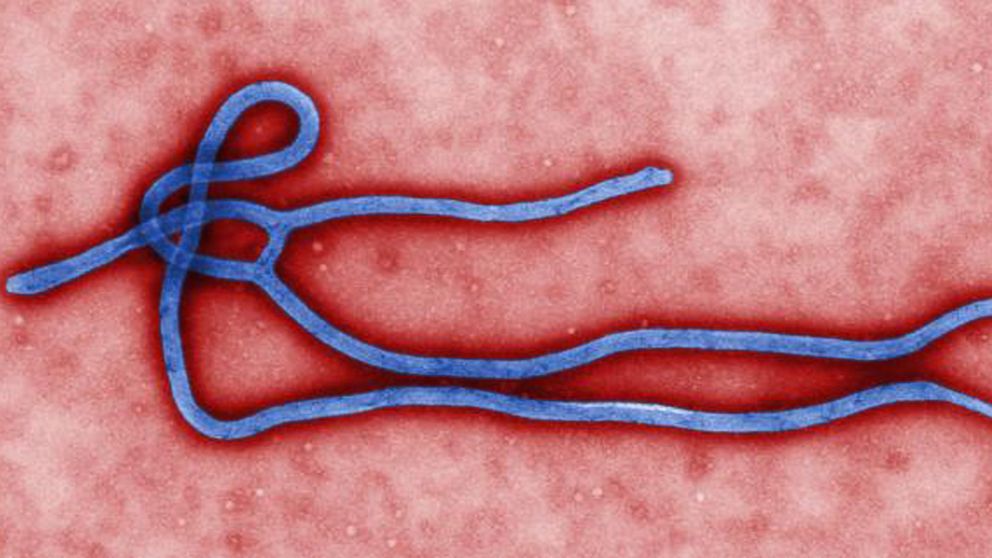
— -- A Spanish priest Tuesday became the first European to have died from Ebola, even after the country’s health ministry confirmed they had received the experimental serum called ZMapp designed to fight Ebola.
Father Miguel Pajares, 75, died Tuesday after contracting the disease while treating patients in Liberia. Pajares was evacuated to Spain last Thursday and was being treated at a Madrid hospital when he died.
The hospital where Pajares was treated has not confirmed the use of ZMapp due to privacy concerns. But if Pajares was treated he would be only the third person to receive the treatment and the first to die from Ebola after being treated with ZMapp.
Experts said that Pajares’ death does not reveal much about the effectiveness of the drug itself, but highlights why public health officials are pushing for a more regimented trial of the drug.
See the Special Ward for Ebola Patients
Ebola Declared an International Health Emergency
Ebola Outbreak: CDC is on Highest Alert
Two American health workers survived Ebola after receiving the drug, but it's unclear if the medication contributed to their survival.
The drug combines antibodies to inspire the immune system to recognize and combat three different versions of the Ebola virus. It was created by the small pharmaceutical company, Mapp Biopharmaceuticals in San Diego.
Dr. William Schaffner, an infectious disease expert at Vanderbilt Medical Center, said a larger trial is needed so that public health officials can insure the ZMapp serum actually works and at what dosage.
“As all of us knew from the beginning this is not a miracle drug. We’re not sure how much benefit it can provide and at what stage of the infection [it should be administered,]” said Schaffner. “Of all us in public health say enough of this ad hoc anecdotal experience.”
Yesterday a panel held by the World Health Organization determined that “it is ethical to offer unproven interventions” for treatment of the dire disease. However, experts said testing on a larger scale must be done to assure the safety and effectiveness of treatments to help more people in the future.
“The last thing you want to do is come in like the Lone Ranger or like the cavalry into Sierra Leone or Guinea and find out [the medication] didn’t work or it was hazardous and made it worse,” said Schaffner. “You have to consider those are possibilities.”
Dr. Stephen Morse, professor of Epidemiology at the Columbia Mailman School of Public Health, said the fact that Pajares didn’t survive isn’t surprising since he was likely further along in the illness, which means there would be more virus in his body that the antibodies in the serum would have to destroy.
“I don’t think any of these things…will be a magic silver bullet,” said Morse, who clarified he was speculating because he did not treat Pajares. “This was a hail Mary pass, where you hope to be able to do something that will supplement the supportive therapy. But late in the game it’s much less effective.”
Scaffner said that as the virus progresses it becomes more and more difficult to treat because the antibodies can’t get always into tissues that have been affected by virus.
“You want to use it to save lives, but at the same time you need to get a certain kind of information from a clinical trials even if they’re not full clinical trials,” said Morse. “What is the optimal dosage? Do you do it once or more than once?”
Morse said the unusual and rare nature of Ebola may mean that it will take longer for clinical trials to take place. But in the meantime he said it’s a good thing that some experimental treatments will be available.
“I’m optimistic that we’ll find something,” said Morse. “If I had Ebola I’d rather have one of these things than nothing.”
The Associated Press contributed to this article.