• Video
  • Shop
  • Culture
  • Family
  • Wellness
  • Food
  • Living
  • Style
  • Travel
  • News
  • Book Club
  • Newsletter
  • Privacy Policy
  • Your US State Privacy Rights
  • Children's Online Privacy Policy
  • Interest-Based Ads
  • Terms of Use
  • Do Not Sell My Info
  • Contact Us
  • © 2026 ABC News
  • News

Extraordinary discovery of the archaeological site of Pompeii
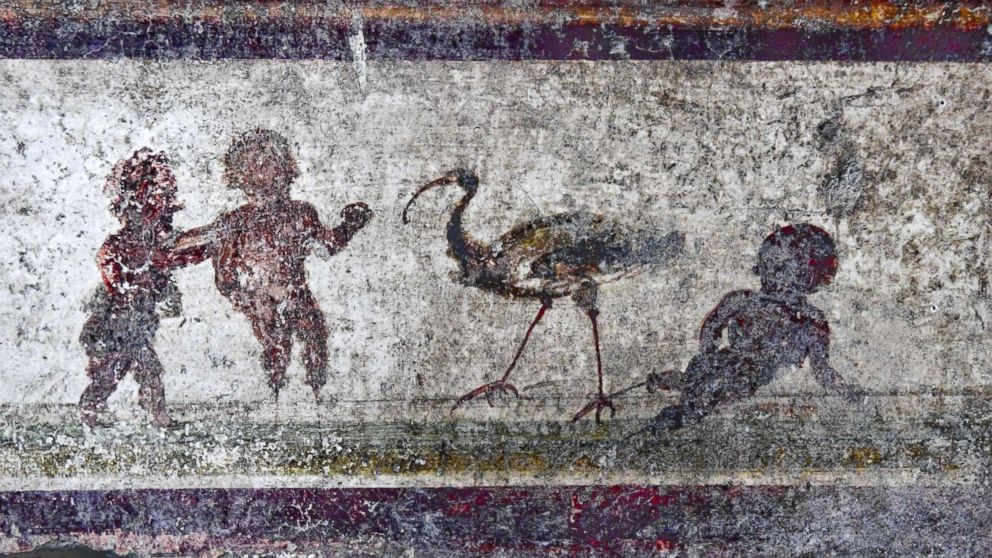
Part of a fresco at domus delle Nozze d'Argento in Pompeii, Italy, May 17, 2018.
Ciro Fusco/EPA via Shutterstock
ByMaryellen McGrath
May 19, 2018, 10:15 AM

Mt. Vesuvius, near the city of Pompeii, Italy, erupted in 79 A.D., wiping out an entire town. Hundreds of years later, archaeologists found a perfectly preserved city buried in ash and frozen in time.

Amphoras recovered during excavation works at the archaeological site of Pompeii, where the 'Vicolo dei Balconi' (Alley of Balconies) was recently uncovered in Pompeii, Italy, May 17, 2018.
Ciro Fusco/EPA via Shutterstock
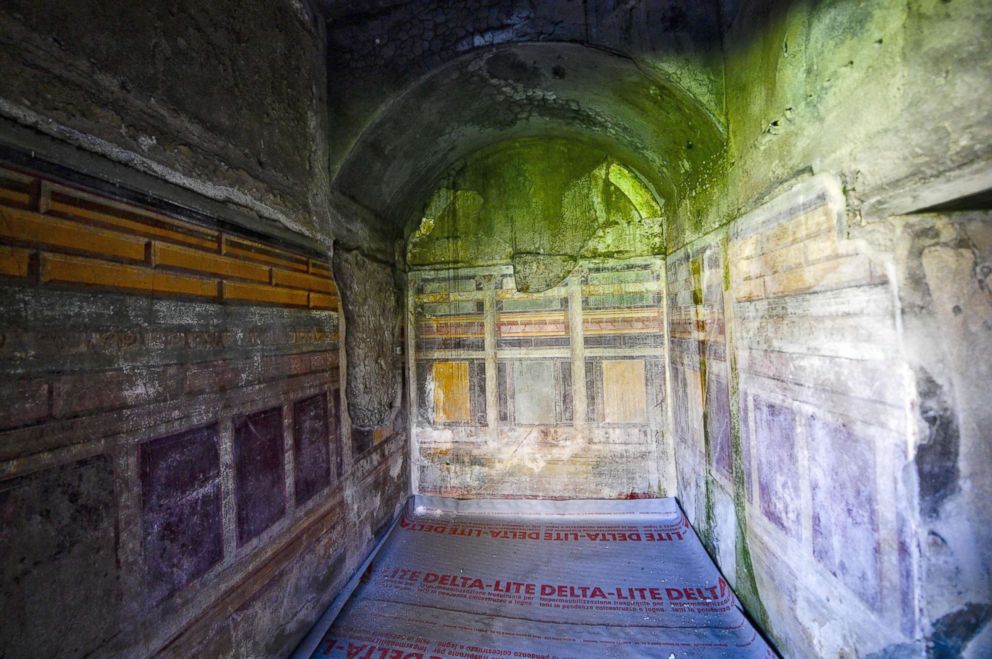
One of the rooms of the Domus Nozze d'Argento (room of the Silver Wedding) in Pompeii, Italy, May 17, 2018.
Ciro Fusco/EPA via Shutterstock

Just recently, an extraordinary discovery was unearthed in a large villa that stood just outside the walls of Pompeii, far from the known archaeological area, during a joint operation of the Carabinieri of the Cultural Heritage Protection Center and Pompeii archaeological superintendence.
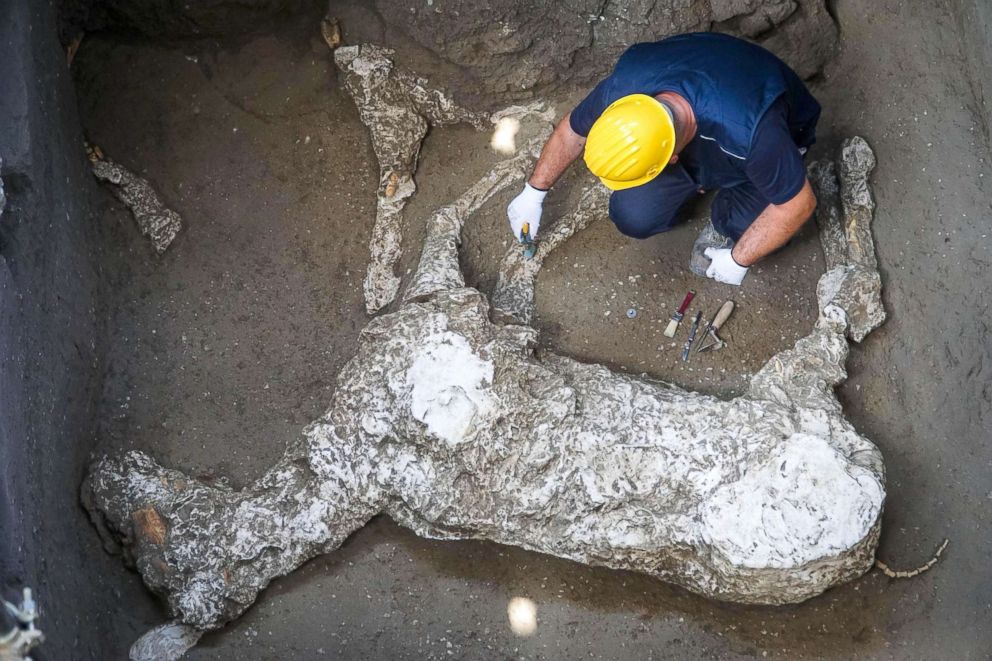
An expert works on the whole cast of a parade horse found during excavations at Pompeii, Naples, Italy, May 10, 2018.
Cesare Abbate/EPA via Shutterstock
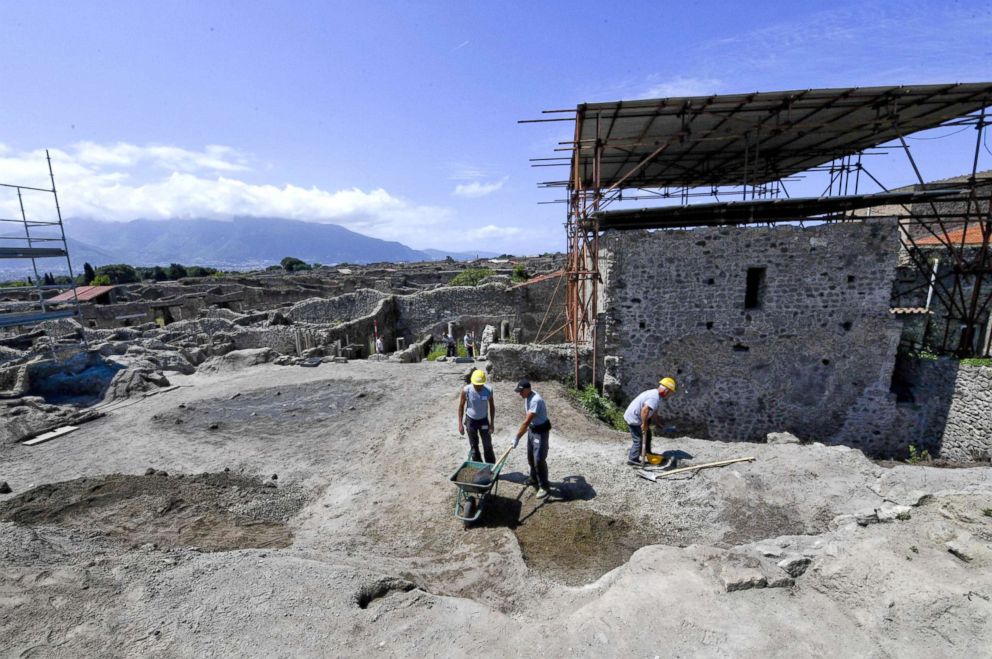
Excavation works at the archaeological site of Pompeii, where the 'Vicolo dei Balconi' (Alley of Balconies) was recently uncovered in Pompeii, Italy, May 17, 2018.
Ciro Fusco/EPA via Shutterstock

Archaeologists working at the site uncovered buildings with big balconies have Pompeian red colors and geometric decorations of flowers and animals. They named it the 'Vicolo dei Balconi' (Alley of Balconies). The area was previously unexcavated.
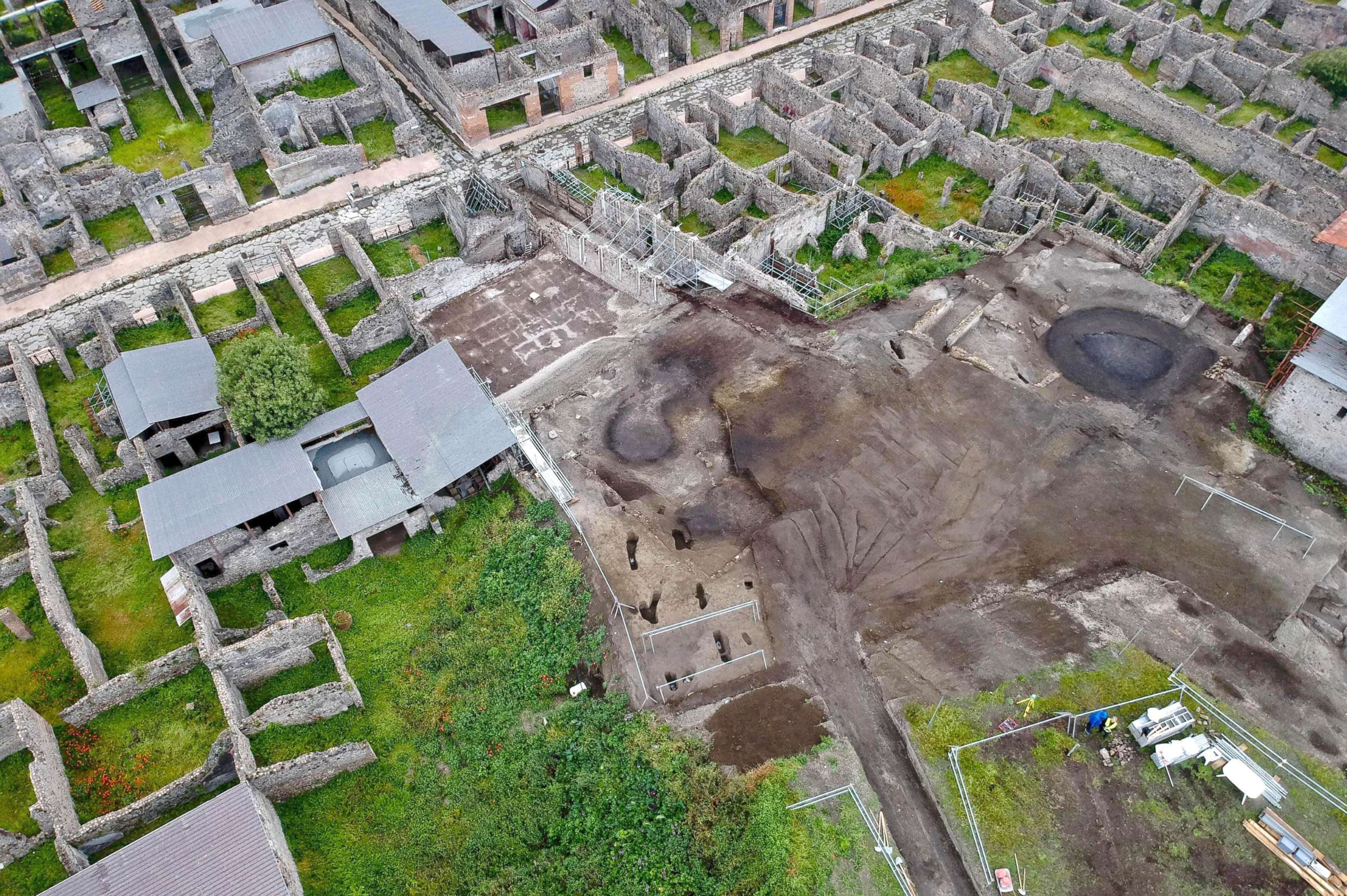
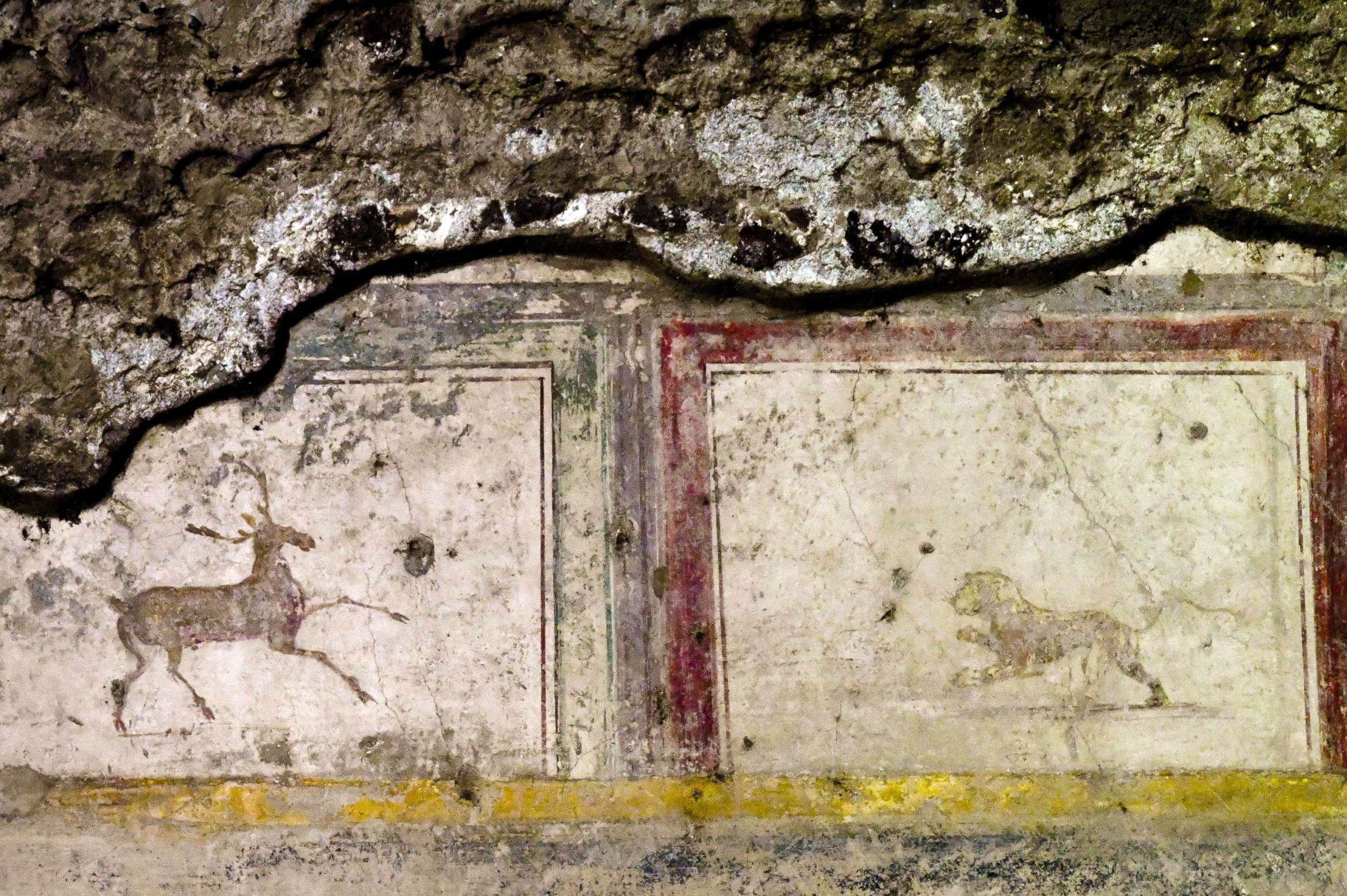
PHOTO: A handout photo made available by The Special Superintendency for the Archaeological Heritage of Naples and Pompeii (SANP) shows aerial view of the excavation works at the archaeological site of Pompeii, in Pompeii, Italy, May 17, 2018.
A handout photo made available by The Special Superintendency for the Archaeological Heritage of Naples and Pompeii (SANP) shows aerial view of the excavation works at the archaeological site of Pompeii, where the 'Vicolo dei Balconi' (Alley of Balconies) was recently uncovered in Pompeii, Italy, May 17, 2018.
Sanp Pompeii Handout/EPA via Shutterstock
The domus delle Nozze d'Argento shows part of a fresco in Pompeii, Italy, May 17, 2018.
Ciro Fusco/EPA via Shutterstock

As the work continues, another previously discovered area, The Domus delle Nozze d' Argento, will be viewable once again. The most precious domus (dwelling) of the ancient Roman city in Pompeii, discovered and restored between 1893 and 1910, has been closed to the public for decades. Director of the archaeological park of Pompeii Massimo Osanna “announced the restorations of the Domus will start, which will finally allow the reopening the site to the public in autumn 2019.”
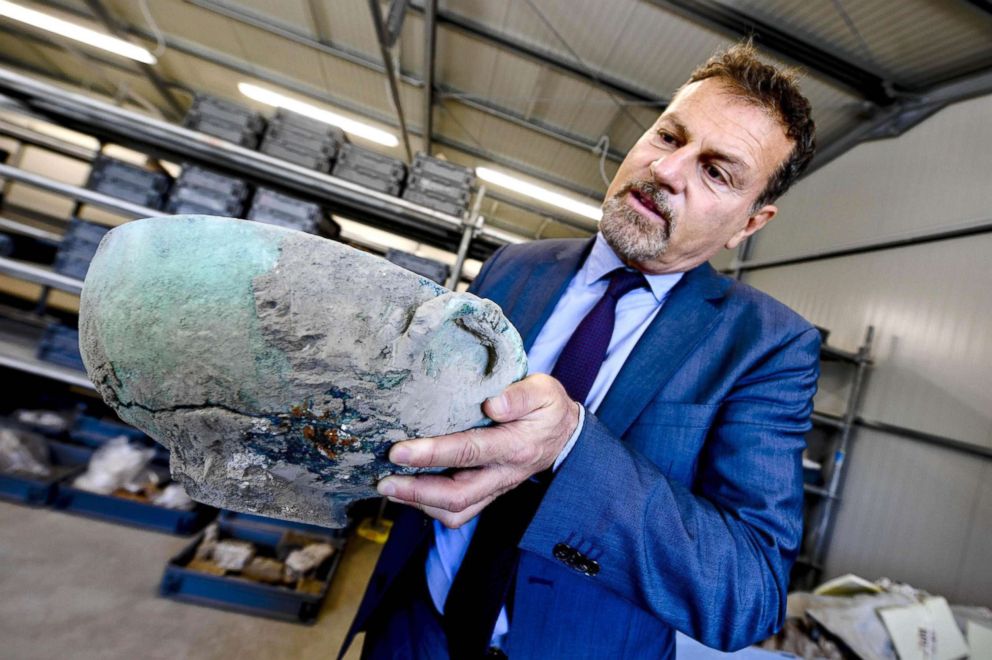
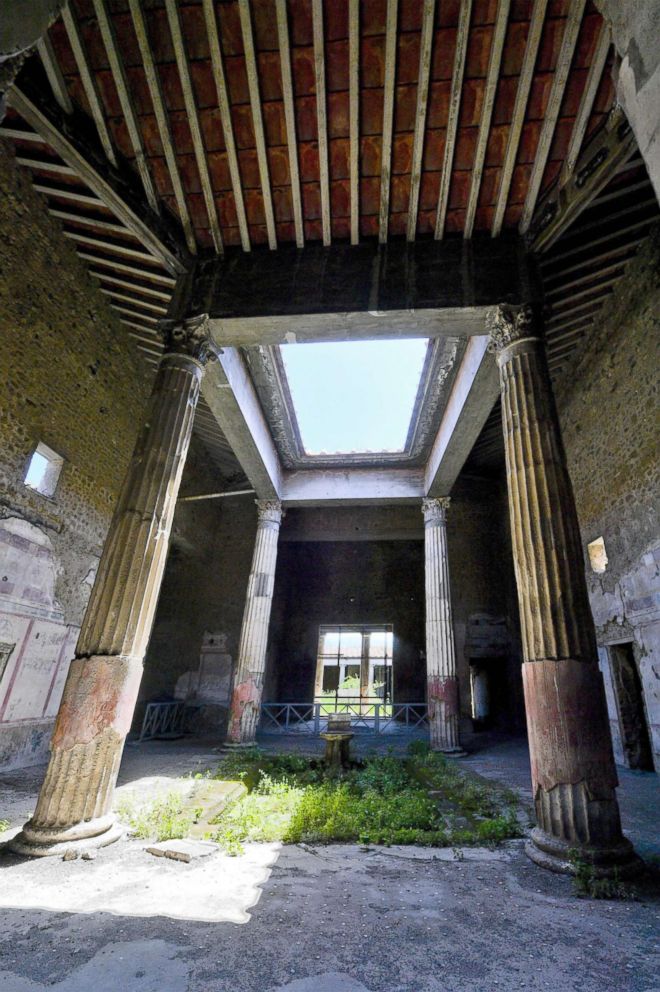
PHOTO: Massimo Osanna, Superintendent of the Special Superintendency for the archaeological heritage of Pompeii, Herculaneum and Stabia shows a bronze vase discovered during excavation works at the archaeological site of Pompeii, Italy, May 17, 2018.
Massimo Osanna, Superintendent of the Special Superintendency for the archaeological heritage of Pompeii, Herculaneum and Stabia shows a bronze vase discovered during excavation works at the archaeological site of Pompeii, where the 'Vicolo dei Balconi' (Alley of Balconies) was recently uncovered in Pompeii, Italy, May 17, 2018.
Ciro Fusco/EPA via Shutterstock
One of the rooms of the Domus Nozze d'Argento (room of the Silver Wedding) in Pompeii, Italy, 17 May 2018.
CiroFusco/EPA via Shutterstock

The Domus has a huge and sumptuous atrium with four Corinthian columns more than 26 feet high, multi-colored frescoes, refined floors and a small private spa decorated with mosaics and frescoes depicting lions, wild boars and panthers.
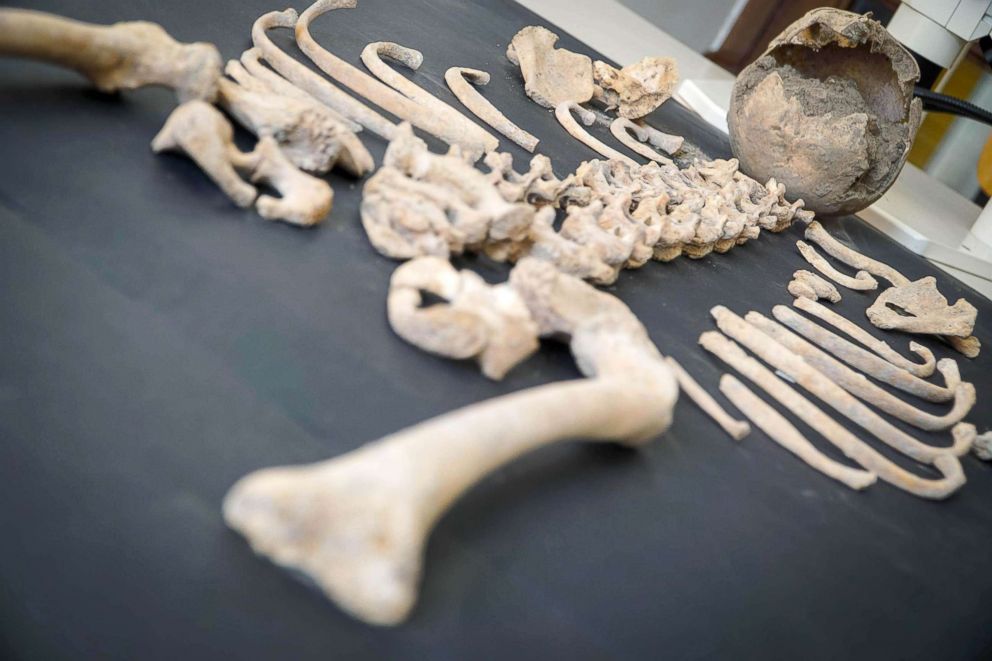
PHOTO: A skeleton of a child found during new excavations in the ruins of Pompeii, Naples, Italy, April 27, 2018.
A skeleton of a child found during new excavations in the ruins of Pompeii, Naples, Italy, April 27, 2018. The remains will be examined in the Applied Research Laboratory of the Archaeological Park of Pompeii. Anthropological studies will include a first screening of the young victim's state of health and then direct the subsequent external investigations on DNA.
Cesare Abbate/EPA via Shutterstock

Almost 2,000 years after the eruption of Mt. Vesuvius and decades of excavation, the newly restored areas will be on view to tourists who want a deeper insight into Roman life from years long gone.


Up Next in News—

Gas station clerk speaks out after foiling alleged kidnapping

April 15, 2026

Oklahoma high school principal takes down would-be shooter, hailed as hero

April 15, 2026

Family seeks answers after influencer Ashlee Jenae is found dead on vacation in Tanzania

April 15, 2026

Couple shares warning after nearly losing down payment in mortgage fraud

April 10, 2026

Shop GMA Favorites

ABC will receive a commission for purchases made through these links.

Sponsored Content by Taboola

The latest lifestyle and entertainment news and inspiration for how to live your best life - all from Good Morning America.
  • Contests
  • Terms of Use
  • Privacy Policy
  • Do Not Sell My Info
  • Children’s Online Privacy Policy
  • Advertise with us
  • Your US State Privacy Rights
  • Interest-Based Ads
  • About Nielsen Measurement
  • Press
  • Feedback
  • Shop FAQs
  • ABC News
  • ABC
  • All Videos
  • All Topics
  • Sitemap

© 2026 ABC News
  • Privacy Policy— 
  • Your US State Privacy Rights— 
  • Children's Online Privacy Policy— 
  • Interest-Based Ads— 
  • Terms of Use— 
  • Do Not Sell My Info— 
  • Contact Us— 

© 2026 ABC News