Extreme flooding leads to concerning decrease in rice yields over the last 30 years, scientists say
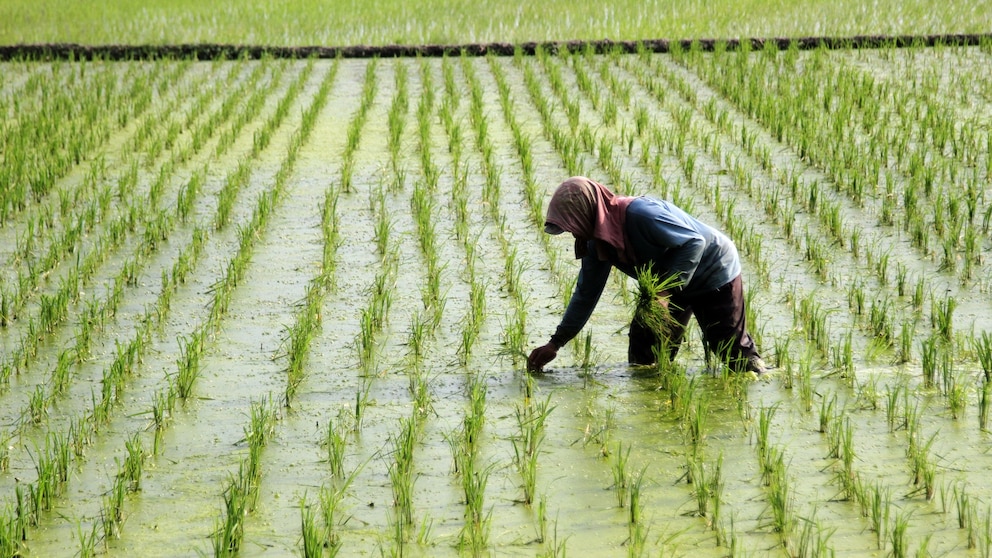
Extreme flooding has led to a significant reduction in one of the world's most important food staples, according to new research.
Devastating floods in Asia and surrounding regions between 1980 and 2015 has caused rice yields to decrease by 4.3% annually -- equating to crop losses of up to 18 million tons globally, a paper published Thursday in Science Advances found.
The researchers found the results "very shocking," Zhi Li, an assistant professor civil, environmental and architectural engineering at the University of Colorado Boulder and lead author of the paper, told ABC News.
"That's a huge impact," Li said, adding that such losses could impact local food security.
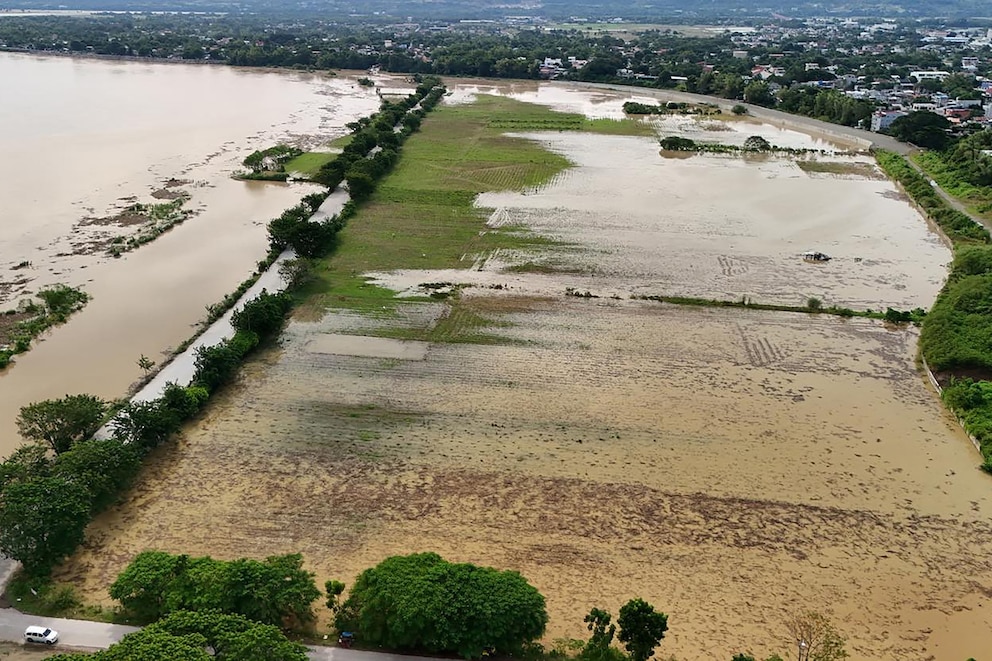
Researchers used a global flood model and compared those results with historical flood inundation based on satellite observations to map out the association between each rice-killing flood and the percent of yield loss per event, Li said.
While 4.3% was the average annual loss in rice yields, some countries saw much higher rates, according to the paper.
Portions of Southeast Asia saw rice yield losses of 7%, while some rice-heavy regions -- like the east coast of China and some areas in India -- even succumbed to up to a 15% annual loss, according to the findings.
These losses in rice yields accelerated after the year 2000, a date that coincided with a "climate change-induced" uptick in the frequency and severity of rice-killing floods, the study found.
Rice is one of the cheapest grains to produce because it is highly efficient to farm and produces high yields.
The grain is the primary staple for more than half of the world's population, with Asia, Sub-Saharan Africa and South America consuming the most, according to the U.S. Department of Agriculture.
Continued losses could eventually destabilize the price for rice in the global market, Li said. The standard economic theory would likely apply, which would indicate a rise in prices due to a contraction in the amount of supply, Anna Josephson, an associate professor at the University of Arizona's department of agriculture and applied economics, told ABC News.
"Any large shock of any type can have implications for the food system," Josephson said. "And if price goes up, people can't afford food."
In the short-term, prices rise, and people either pay the higher prices or substitute toward other products, which then has ripple effects throughout the economy, Cristina Connolly, an assistant professor of agricultural and resource economics at the University of Connecticut, told ABC News.
"Let's say these farmers have reduced yields," Connolly said. "They then have less money they can spend at stores. So, then the people who are employed by those stores lose their jobs, so then they can't purchase products and other items. You often will see, at least in smaller scales, this sort of negative multiplier down in economies."
Li, whose research focuses on how flooding impacts different sectors, decided to embark on the research because crop production loss due to extreme weather events, such as floods and drought, is "under investigated," he said.
"I wanted to map the total loss of rice production and yield during the extreme flood events and how climate change is going to reshape the future of waste production," he said.
One solution the researchers noted is the development of flood-resilient rice varieties.
However, rice is culturally important to many of the rice-growing regions, and it may not be feasible to for communities to substitute a variety of rice that is different that what has been consumed in that region for generations, Connolly said.
"Culturally, rice is very important," she said. "So you are going to see a lot of households that are impacted by this."
In addition, genetically engineered seeds tend to be more costly, so even if yield gets back to baseline level, prices may still be higher, Connolly said.
Rice yield reductions have accelerated even more over the past decade since the study period ended in 2015 as global temperatures have continued to warm, Li said.
"This could be considered a lower bar, since we only know up to that point," Josephson said. "But we do know that climate has continued to cause significant disasters in the last decade."
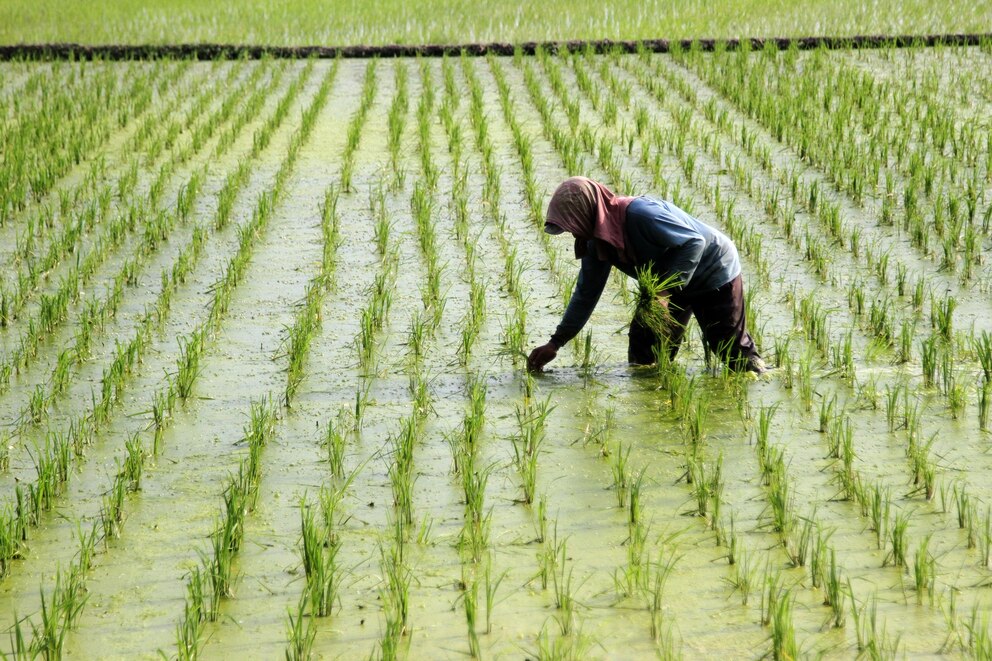
Global warming is making naturally occurring events more extreme, according to climate scientists, which is what is being experienced in the countries that faced the most significant decreases in rice production.
Human-amplified climate change is causing extreme rainfall events to become more frequent and more intense, scientists say.
Subsequently, more intense rainfall events are increasing the frequency and scale of flooding, research shows.
In 2023, more than 80% of reported hydrometeorological hazards in Asia were flood and storm events, according to the World Meteorological Organization. The region remains the world's most disaster-hit region from weather, climate and water-related hazards, the WMO said.