FBI Nominee Pressed Over NSA Spying, Waterboarding, IRS Political Targeting
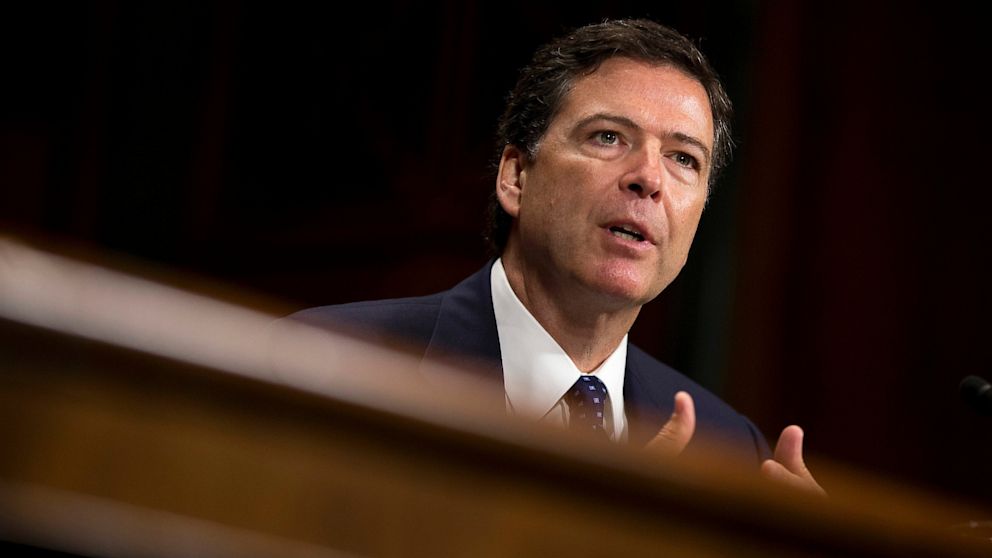
July 09, 2013 -- FBI nominee James Comey may be a hero to Democrats for his dramatic, late-night stand against warrantless wiretapping in 2004, but that didn't stop senators from pressing him today on national security policies.
Comey, nominated as the next FBI director by President Obama in May, appeared Tuesday for a confirmation hearing before the Senate Judiciary Committee.
With the Obama administration's national security policies under scrutiny by Congress and under fire from civil libertarians, committee members sought answers from Comey on his views on NSA email collection, FISA-court transparency, IRS political targeting, indefinite detention and force-feeding at Guantanamo.
And they zeroed in on an aspect of his record that civil libertarians are far less enamored of than his stand against warrantless wiretapping: his approval of enhanced-interrogation techniques as deputy attorney general under President George W. Bush.
While those policies are contentious, the hearing wasn't.
Comey enjoys star status among congressional Democrats for standing up to then White House counsel Alberto Gonzales -- a chief Bush-era villain, in the eyes of liberals -- as Gonzales and then White House chief of staff Andrew Card went to attorney general John Ashcroft's hospital sickbed to seek approval for warrantless wiretapping.
In 2007, Comey gave an account of that episode before Congress.
"Your testimony was one of the most dramatic and brave moments that I've ever witnessed in my years as a legislator," Sen. Chuck Schumer, D-N.Y., told Comey today.
Democrats were less enthused about NSA email metadata collection, a policy Comey defended today. Although he did add that he's not familiar with the details of the program because, having been out of government for the last eight years, he lacks a security clearance.
"I do know as a general matter that the collection of metadata and analysis of metadata is a valuable tool in counterterrorism," Comey told Judiciary Committee Chairman Patrick Leady, D-Vt.
Perhaps the main point of criticism leveled at Comey by civil libertarians is his approval of Office of Legal Counsel memos authorizing enhanced interrogation techniques, including waterboarding. The ACLU had called on senators to question Comey's decision to do so. And they did.
"When I first learned about waterboarding when I became deputy attorney general, my reaction as a citizen and a leader was, this is torture," Comey told Leahy, who asked about it in the first question of the hearing.
"It's still what I think. And to his great credit, Bob Mueller made sure the FBI had nothing to do with that business. And if I were FBI director, it would never have anything to do with that," Comey said.
Comey said he fought enhanced interrogations internally, within the Bush administration, during his tenure as deputy attorney general but was overruled by his bosses and higher-ups on the Bush national security team. As for his approval of OLC memos okaying the practices, Comey said he found it difficult to disprove their legality, despite personally finding them reprehensible.
"What I discovered when I became deputy attorney general is that even though I as a person, as a father, as a leader thought, 'That's torture, we shouldn't be doing that kind of thing,' I discovered that it's actually a much harder question to interpret this 1994 [anti-torture] statute," Comey said.