The FDA wants to replace artificial food dyes, but natural alternatives may have drawbacks too
Last April, the FDA announced a plan to remove eight petroleum-based synthetic dyes from the American food supply and replace them with natural dyes.
Since then, the agency has publicly encouraged food companies to move toward using natural colorings including beet juice, turmeric, butterfly pea flower extract, gardenia blue, calcium phosphate and algae-based Galdieria extract blue.
Consumers are already seeing ingredients more natural food additives on labels as major manufacturers have begun phasing out artificial dyes. Food giants including Nestlé, General Mills, Kraft Heinz, and PepsiCo have pledged to fully transition away from synthetic additives by 2027 at the latest.
The shift has drawn support from many health advocates, but some experts caution that natural alternatives are not necessarily better studied than synthetic ones.
"Generally, natural colors derived from plants, animal and mineral sources do not have the same level of toxicological data behind them as synthetic colors do," Kelly Dobos, a spokesperson for the American Chemical Society, told ABC News.
Dobos also noted that sourcing enough natural color additives could present challenges as food manufacturers increase their use.
"Another problem with them being suitable for use in industries is the natural sources don't make enough to supply all the demand needed for color additives," she said. "They are working on biotechnology-derived color additives, using genetically programmed bacteria or yeast to create these molecules in greater quantities."
While some experts worry that natural dyes will receive less scrutiny, raising the risks of contamination and mislabeling, a spokesperson for Health and Human Services told ABC News that the FDA evaluates all food color additives to ensure they are safe for their intended uses.
“As we continue to remind the food industry, color additives derived from natural sources are held to the same rigorous premarket safety and purity standards as synthetic ones,” the spokesperson said.
Much of the concern about artificial food dyes comes from lab and animal studies, some of which tested amounts that would translate into far higher levels than people normally consume, according to a 2021 California Office of Environmental Health Hazard Assessment.
Human studies suggest a link between exposure to artificial dyes and behavior issues in children, but experts say there is no strong evidence that artificial dyes cause ADHD or any other neurobehavioral conditions, according to the report.
Meanwhile, research on natural dyes is limited but so far appears safe, according to Monica Kelly, a registered dietician who serves as the associate health and well-being manager at Montefiore Einstein.
“The natural dyes are just made by foods, so either plant-based or natural sources. It could be fruits or different vegetables or different spices that produce that color,” Kelly told ABC News.
But in some studies, natural additives have been associated with health issues.
For example, beta-carotene, derived from orange produce and the most commonly used natural dye, has been tied to an 18% increased risk of lung cancer. When used as a supplement, studies suggest it increases the risk of death, especially for smokers.
A large French study linked higher intake of some natural food color additives, including beta-carotene, to increased rates of cancer and Type 2 diabetes, though it did not prove the additives caused those conditions.
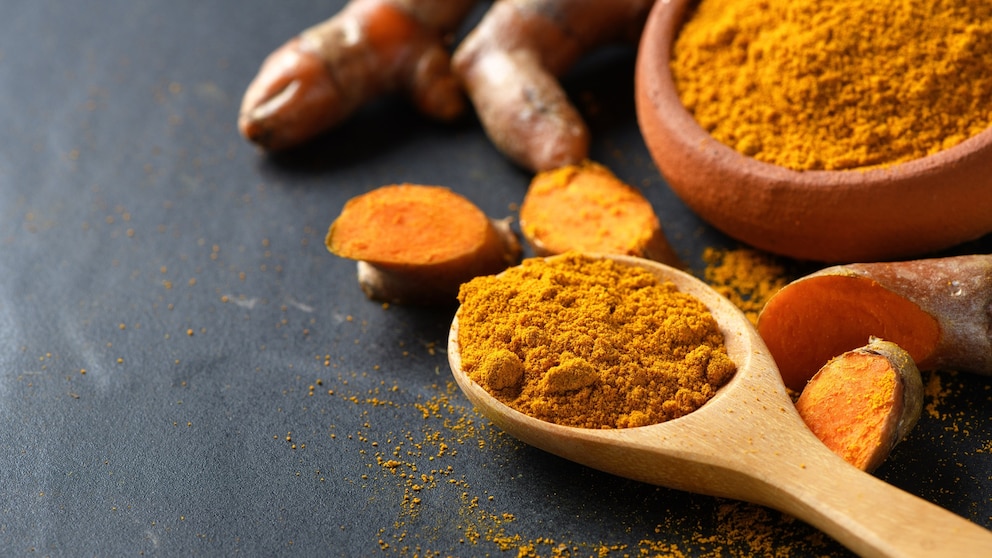
Turmeric and curcumin have been linked to rare cases of liver injury, especially in concentrated supplement form rather than normal food use. Two other natural additives, carmine — derived from insects and used in sweets and yogurt — and annatto — derived from seeds and used in snacks — are also associated with allergic reactions.
The French study also found that plain caramel was associated with higher cancer rates. Turmeric, anthocyanins and carmine were all associated with increased risk of diabetes.
“The main natural dyes to flag are carmine, also called cochineal extract, and to a lesser extent annatto,” Kantha Shelke, a food scientist and researcher at Johns Hopkins University, told ABC News.
“The primary concern is allergic reaction rather than toxicity,” she said. “Carmine is the best documented, with responses ranging from hives to, rarely, anaphylaxis. Annatto can occasionally trigger a potentially severe immune response in sensitive individuals and may aggravate chronic hives, though such cases are genuinely uncommon.”
Shelke noted that most other commonly used natural color additives, including beet, turmeric, spirulina, saffron and grape skin extract, are considered low risk and have only rarely been linked to adverse reactions.
“It is worth emphasizing that natural does not automatically mean safer; these dyes simply have a different risk profile than those associated with synthetic dyes,” she said.
Many of the compounds used as natural food dyes are found naturally in fruits, vegetables and spices, where the evidence often shows they provide health benefits, Kelly noted.
But those same compounds may behave differently as ingredients, especially when added to ultraprocessed foods.
Kelly said she agreed with the FDA’s move away from artificial food additives.
“But rather than focusing on, 'Does it contain this food dye or not,' it’s really trying to limit those ultra processed foods and just eating more whole foods,” she said.
Megan Still, MD MSE, is a neurosurgery resident at the University of Florida and a member of the ABC News Medical Unit.