Fed chair Jerome Powell says he will stay on central bank's board after term expires next month
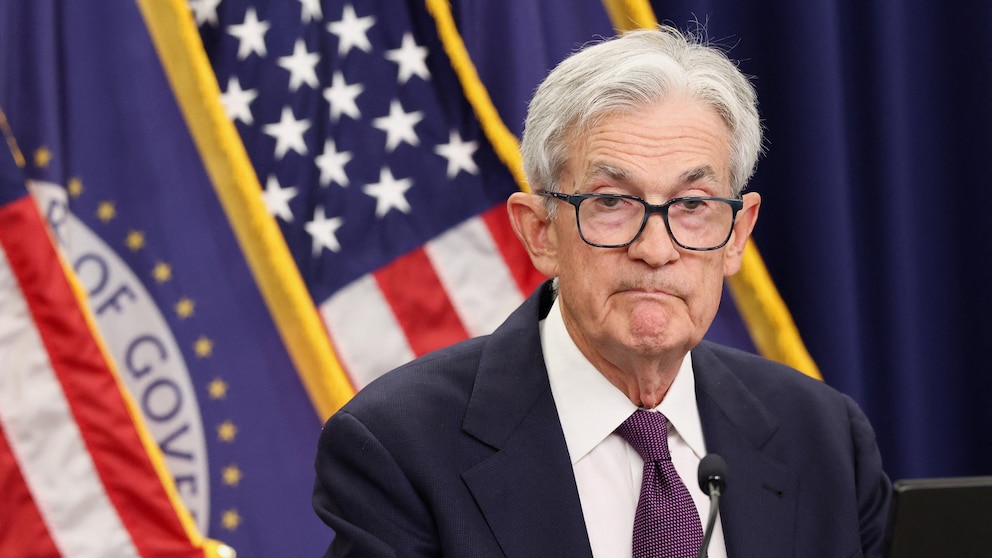
Federal Reserve Chair Jerome Powell on Wednesday said he would stay on at the central bank's board of governors after his term expires next month as an investigation into the central bank's office renovation continues, he said.
The Department of Justice moved to drop a criminal probe into Powell last week, calling on the Fed's inspector general to carry out the investigation into cost overruns tied to the renovation. Powell will remain on the Fed's board for an indeterminate length of time, he said.
"I've said I won't leave the board until this investigation is well and truly over with transparency and finality, and I stand by it," Powell said at a press conference in Washington, D.C.
"My concern is really about the series of legal attacks on the Fed, which threaten our ability to conduct monetary policy without considering political factors," Powell added.
Powell could remain on the Fed's 12-member policymaking board until 2028, retaining a role in the central bank's interest-rate policy over that period.
"My intention is not to interfere," Powell said, adding that he had planned to retire at the end of his term until the legal actions taken by the Trump administration.
The criminal investigation into Powell focused on alleged false testimony to Congress about an office renovation. Powell, who was appointed by Trump in 2017, has rebuked the probe as a politically motivated effort to influence interest-rate policy.
Powell's term as Fed chair ends on May 15, but he said last month he would stay in the position until his replacement is confirmed.
The Federal Reserve held interest rates steady on Wednesday as prices rise in response to an oil shock set off by the Iran war.
Stephen Miran, a former Trump administration official who recently joined the board, cast the lone dissenting vote on the level of interest rates. He called for a quarter-point rate cut.
The benchmark rate stands at a level between 3.5% and 3.75%. That figure marks a significant drop from a recent peak attained in 2023, but borrowing costs remain well above a 0% rate established at the outset of the COVID-19 pandemic.
A standoff between the White House and Congress, meanwhile, has cast doubt over succession plans for Powell as his term comes to a close next month.
The Senate Banking Committee voted 13-11 to approve the nomination of Fed chair nominee on a party-line vote on Wednesday, with Republicans supporting the nomination and Democrats opposing it.
In recent months, however, Warsh faced a bipartisan stonewall in the Senate Banking Committee over a federal criminal investigation into Powell.
The Department of Justice moved to drop the probe last week, paving the way for Warsh to advance in the committee vote. Warsh will face a confirmation vote on the Senate floor.
Elevated price increases have coincided with a slowdown of economic growth, threatening to intensify an economic double-whammy known as "stagflation," which poses difficulty for the Fed.
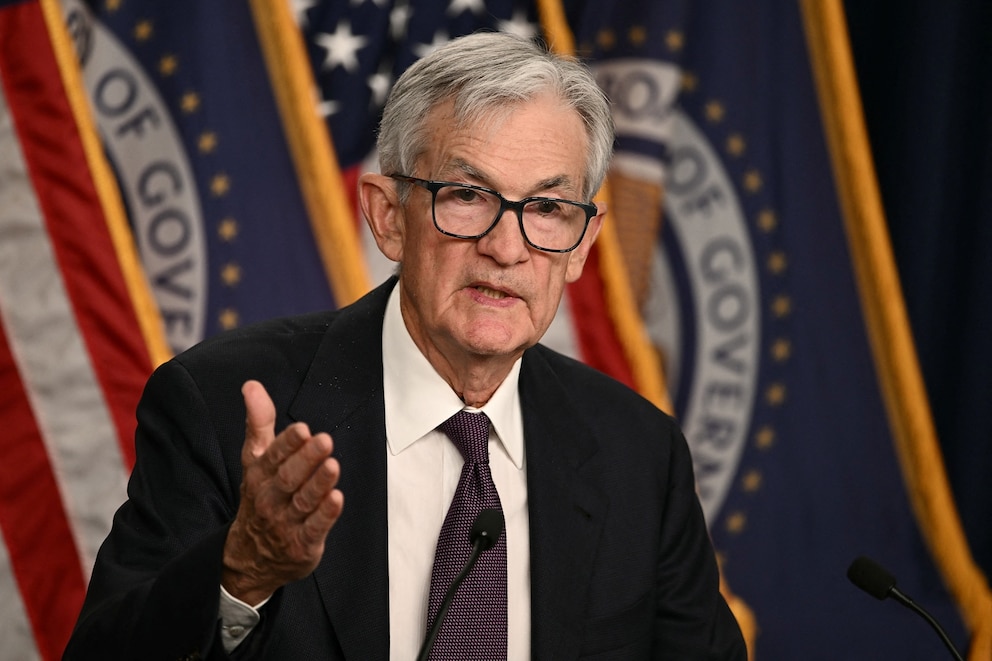
If the Fed opts to lower borrowing costs, it could spur growth but risk higher inflation. On the other hand, the choice to raise interest rates may slow price increases but raises the likelihood of a cooldown in economic performance.
The Fed held interest rates steady last month at its first meeting since the U.S.-Israeli war with Iran drove up gasoline prices and risked a wider bout of inflation.
The central bank's move on Wednesday marked the third consecutive time it has opted to maintain interest rates at current levels since the outset of 2026. Before that, the Fed cut interest rates a quarter-point three straight times.
Warsh, a former Fed official, is currently a fellow at a conservative think tank called the Hoover Institution, which is based at Stanford University.
During his term as a Fed governor in the late 2000s and early 2010s, Warsh gained a reputation as an interest-rate “hawk,” meaning he generally preferred higher interest rates as a means of ensuring low and stable inflation.
In recent months, however, Warsh has voiced support for lower interest rates, rebuking the Fed’s concern about inflation risk posed by a flurry of new tariffs issued last year.
Markets peg a roughly 80% chance of interest rates holding steady for the remainder of this year, according to the CME FedWatch Tool.