The Fed may raise interest rates within months. Here's what it means for you.
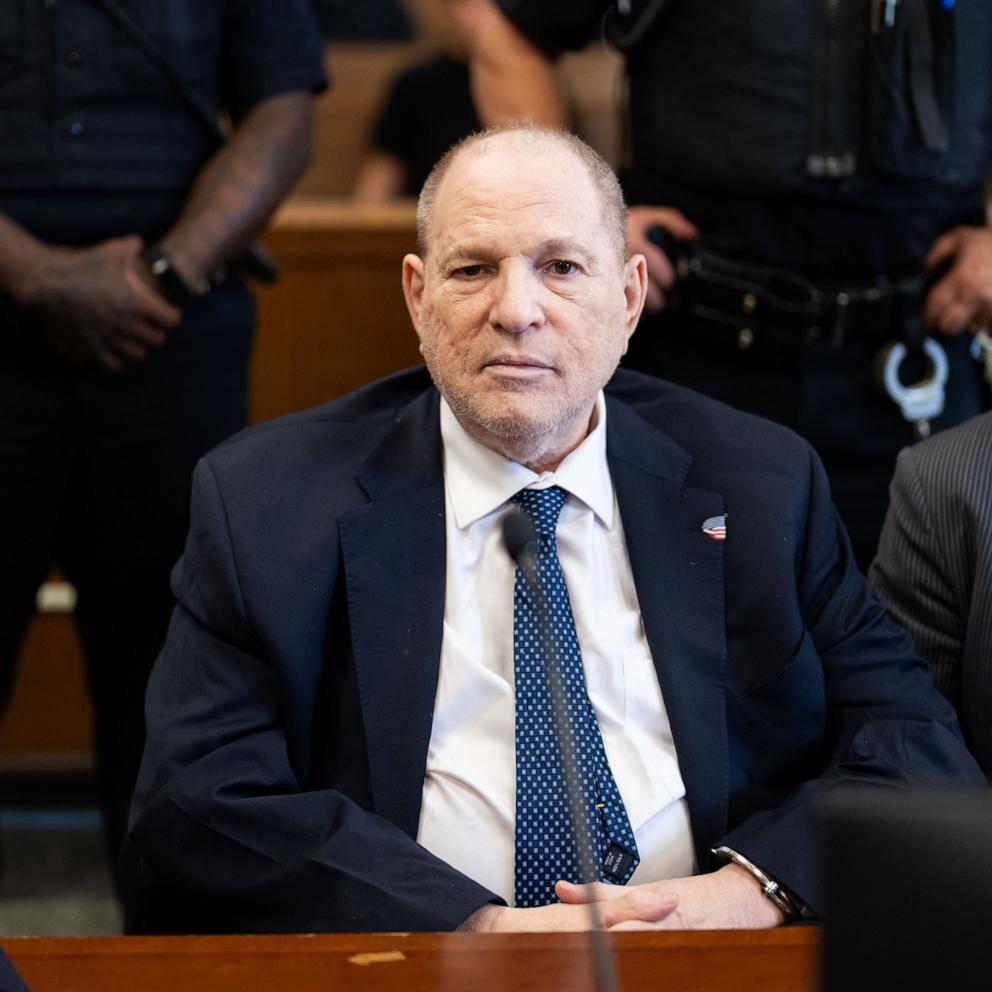
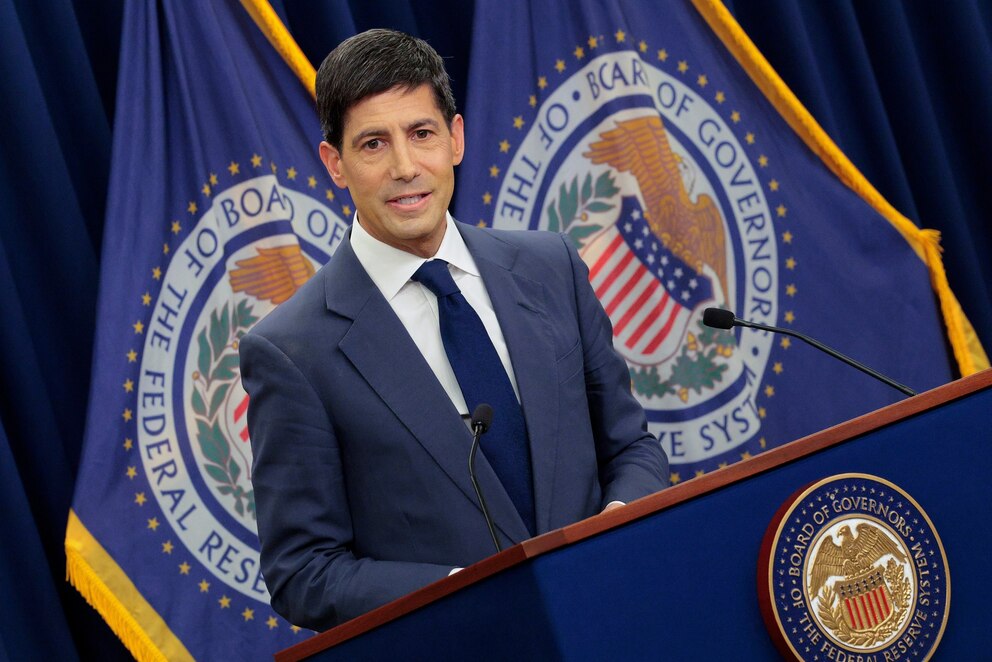
Federal Reserve Chair Kevin Warsh helped send the stock market tumbling in his first press conference as leader of the central bank.
In mid-afternoon remarks last Wednesday, Warsh voiced a commitment to bring inflation down to the Fed's desired level of 2%. The annual pace of price increases stands at more than twice that rate.
"Persistently high prices are a burden for the American people," Warsh told reporters in Washington, D.C. "This committee will deliver price stability."
The remarks came after the Fed's 12-member policymaking board issued a projection showing nine officials expect to raise interest rates by the end of the year, marking a significant uptick from a previous projection issued three months earlier. Warsh abstained from offering a projection.
Many on Wall Street, however, took Warsh's comments as further indication of a potential rate hike within months.
An increase to the benchmark interest rate would raise borrowing costs for consumers and businesses, which in theory should combat inflation by slowing the economy and eating away at demand.
That means borrowers could face higher costs for everything from car loans to credit card debt to mortgages, potentially putting a damper on shoppers eager for a big-ticket purchase and businesses trying to expand.
Stocks, in turn, have slumped since Warsh spoke. The S&P 500 -- the index that most people's 401(k)'s track -- has dropped 2.1% in one week. Some analysts attributed a selloff of tech stocks in recent days in part to the prospect of higher interest rates.
Futures markets peg the odds of a quarter-point interest rate hike in September at about 50%, according to the CME Group's FedWatch Tool, a measure of investor sentiment. Those odds have risen markedly since last week.
The benchmark rate currently stands at a level between 3.5% and 3.75%. That figure marks a significant drop from a recent peak attained in 2023, but borrowing costs remain well above a 0% rate established at the outset of the COVID-19 pandemic.
To be sure, the path forward for interest rates remains highly uncertain. Oil and gasoline prices have eased in recent weeks in response to negotiations between the U.S. and Iran, offering hope of a cooldown of inflation in the absence of rate increases.
If it were to come, an interest rate hike would make borrowing more expensive. So any purchase that requires a loan -- for a home, car, or higher education -- could be affected. Credit card rates are also sensitive to Fed moves, so card holders may see higher payments in the coming months.
Purchasing a home, meanwhile, may involve higher mortgage rates. Since late February, when the Iran war set off a burst of inflation that drove up interest rate expectations, the average 30-year fixed mortgage has jumped from 5.99% to 6.62%, according to Mortgage News Daily.
Each single percentage point increase in a mortgage rate can add thousands or tens of thousands in additional cost each year, depending on the price of the house, according to Rocket Mortgage.
Alongside the heightened cost of loans, investors could face the prospect of a further downturn in the markets for assets like stocks and cryptocurrency.
If economic prospects dim and companies face higher borrowing costs themselves, traders may turn elsewhere for safer investments. In addition, the excess income that some put into the stock market could become harder to come by.
The impact of a potential interest rate hike isn't entirely negative, however.
The policy means better returns for investors who place their money into financial instruments such as money market funds or high-interest savings accounts, which are historically safer investments than the stock market.