Yes, the Ferguson Grand Jury Was Different, But That's Not Necessarily a Bad Thing
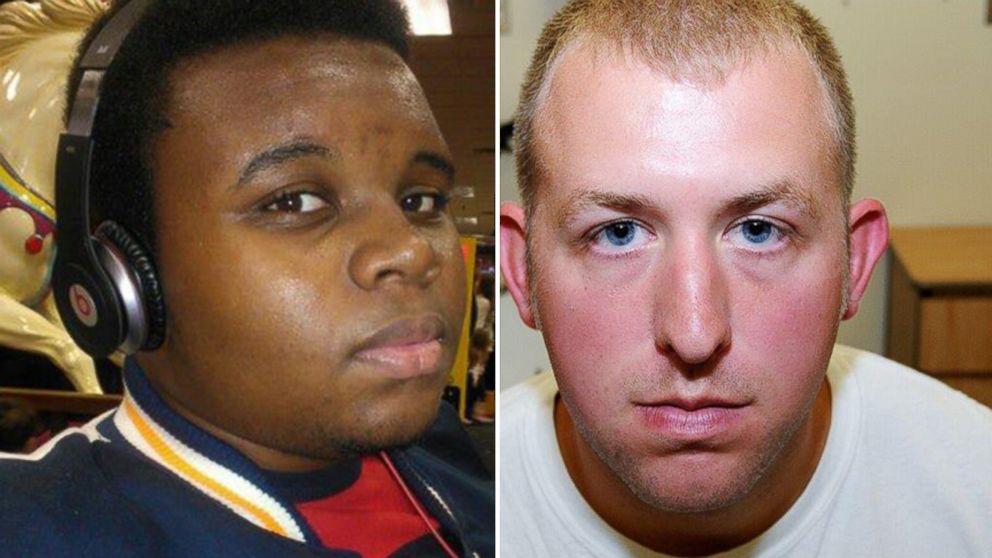
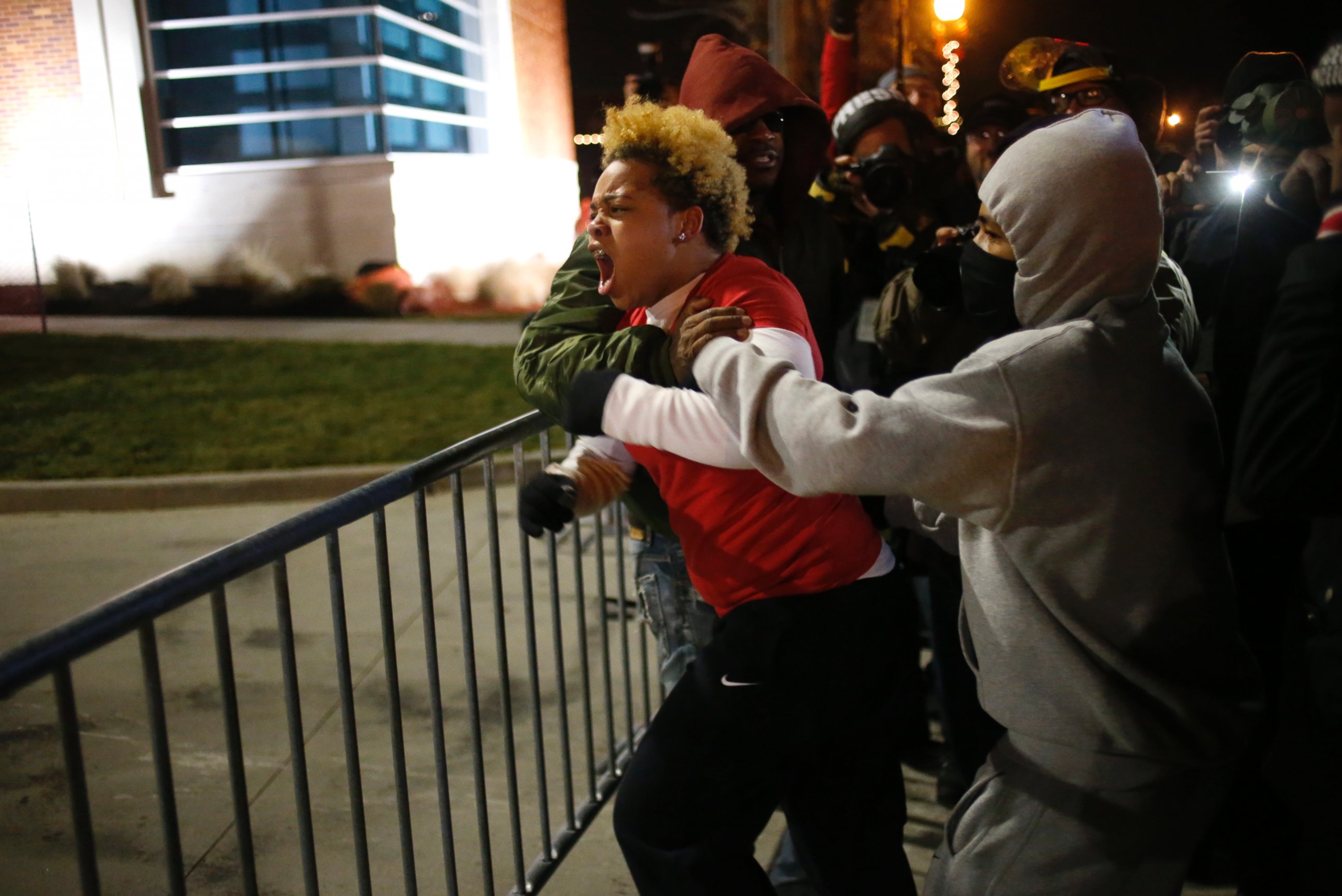
— -- As the city of Ferguson, Missouri, smolders in the aftermath of an emotional night of both peaceful and violent protests, the community there has begun to emerge from the ashes and attempt to move forward. It may be a long and trying process but many in the local community are trying to pave the way for a new, hopefully more harmonious chapter.
In a sense, the legal community covering this case should be smoldering as well, recovering from often misleading and even faulty analysis of the grand jury process that has done a great disservice in a case that has become so personal to so many.
I, like many analysts, have repeatedly emphasized that this process has been markedly different than what would typically transpire in a grand jury. Ordinarily, a prosecutor calls one or two police witnesses, has them read from their reports, asks for a particular charge -- and almost always get it. The grand jury shield intended to protect an accused from an unwarranted trial is often pocked with gaping holes.
Here, the grand jury was given access to far more wide-ranging evidence. When that evidence and the supporting documents and photographs were released late Monday night, we learned that the grand jurors saw everything from the testimony of Officer Darren Wilson himself, to autopsy reports, photographs, blood and gunshot residue evidence and often conflicting eyewitness accounts. While the rules of evidence didn't apply the way they would in a trial, there was no defense attorney present and no cross examination of witnesses, the process was far more akin to a typical trial than what ordinarily occurs in the grand jury process.
Just as important, the prosecutor didn't ask for a specific charge as almost all prosecutors do in front of a grand jury. Some legal analysts have suggested there is something inherently insidious, untoward or even corrupt about presenting the grand jury with so much evidence and not asking for a specific charge. Yes, it's different, but that doesn't make it wrong.
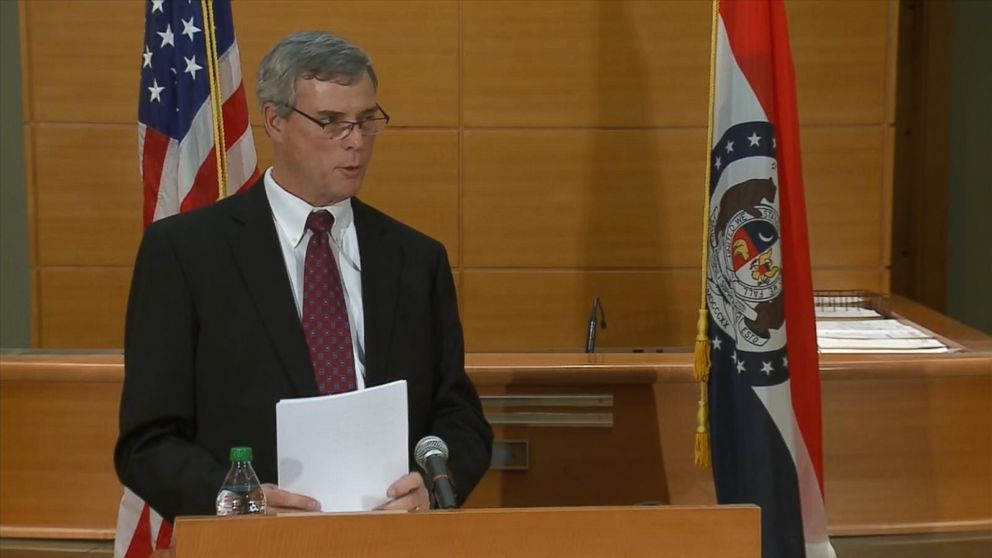
While it's true that most grand juries serve as a rubber stamp for prosecutors, what so many seem to be ignoring is that in most cases where a prosecutor has doubts or lacks faith in the case, she or he doesn't present the case to a grand jury at all. Prosecuting Attorney Robert McCulloch was under no obligation to present the case to any grand jury. As many prosecutors, particularly in police shooting cases, have done before him, he could have simply determined there was insufficient evidence to take the case to trial and ended it there. Typically, if a prosecutor reviews all the evidence and becomes convinced she/he doesn't have a solid case, the case concludes with no charge and no grand jury ever reviews the case.
I wouldn't presume to know exactly what Mr. McCulloch thought when he began the process, but I would not be surprised to learn that he had doubts about the evidence against Officer Wilson but felt pressure to have an objective body review the evidence so he did not have to assume the responsibility for such a monumental and controversial decision himself. If true, that is not a scandal but rather exactly what one would hope a prosecutor in his shoes would do.
Now, that does not mean this prosecutor did not control how the evidence was presented to the grand jury. He did. But after reading through the grand jury material, it seems it was the evidence, not how it was presented, that likely swayed the grand jurors. Whatever one thinks about what really happened or how the process should have unfolded, the fact that we learned that the blood evidence matched up with Officer Wilson's account of Michael Brown coming at him and that some of the key eyewitnesses offering damning testimony against Officer Wilson contradicted the physical evidence, would have made it a herculean task to win a conviction against Officer Wilson.
To just say "well why not let a jury decide" discredits the 25 days these grand jurors spent reviewing evidence. Yes, this process was different in that they also spent far more time than a typical grand jury does reviewing evidence. Most important, in certain similar cases it might not have been heard by a grand jury at all. That doesn't mean that the grand jury necessarily "got it right," but simply that the system did not disintegrate here.
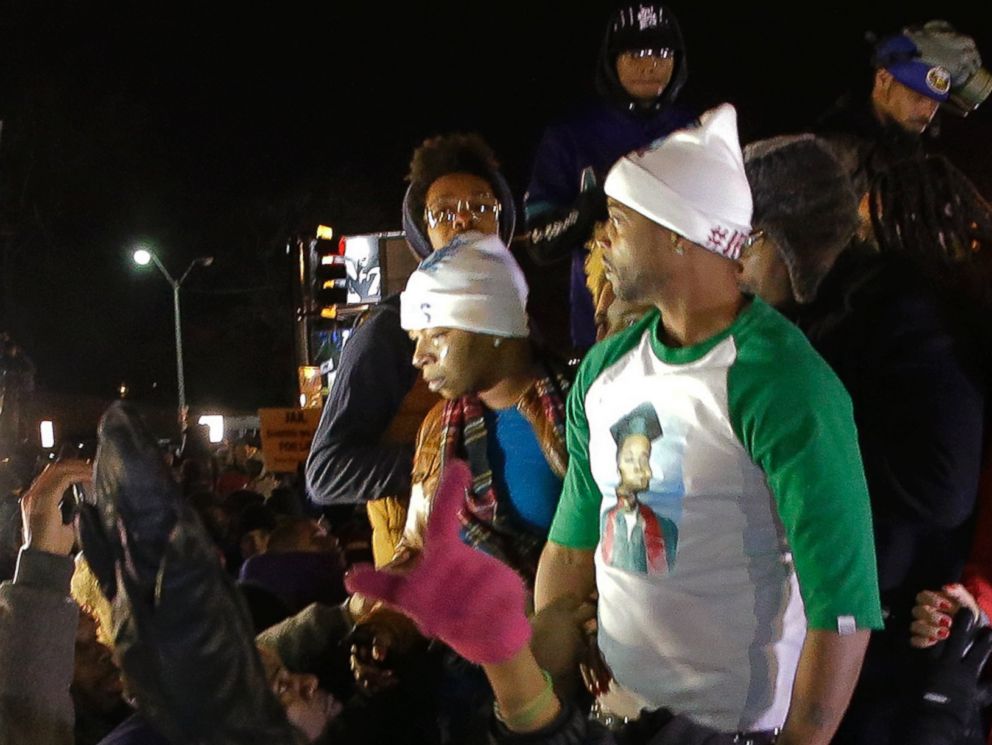
It is a legitimate retort to say that if that is our system then it needs to change. However the process typically works, some will legitimately argue, more police officers need to be held accountable for the shooting of young African-American men. Fair enough, but that does not change the reality that in this case, with these facts, the system does not appear to have been compromised.
Was it foolish of Prosecuting Attorney McCulloch at his news conference to seem so personally invested in the grand jury's findings instead of simply defending the process? I think so. The point of having the grand jury review all this evidence would be so that an objective body, not the prosecutor, could be seen as having made this decision. Mr. McCulloch sounded like an advocate for Officer Wilson rather than for the process, which undoubtedly undermines any perception of his objectivity.
But regardless, legal analysts trying to explain the process to the world should know better than to make inflammatory statements about how the system typically works without the appropriate context.