• Video
  • Shop
  • Culture
  • Family
  • Wellness
  • Food
  • Living
  • Style
  • Travel
  • News
  • Book Club
  • Newsletter
  • Privacy Policy
  • Your US State Privacy Rights
  • Children's Online Privacy Policy
  • Interest-Based Ads
  • Terms of Use
  • Do Not Sell My Info
  • Contact Us
  • © 2026 ABC News
  • News

Forests in Brazil emitting more carbon than they absorb due to climate change: Study
6:27
News headlines today: Dec. 23, 2020
Rubens Santos/Science
ByJulia Jacobo
December 18, 2020, 10:10 PM

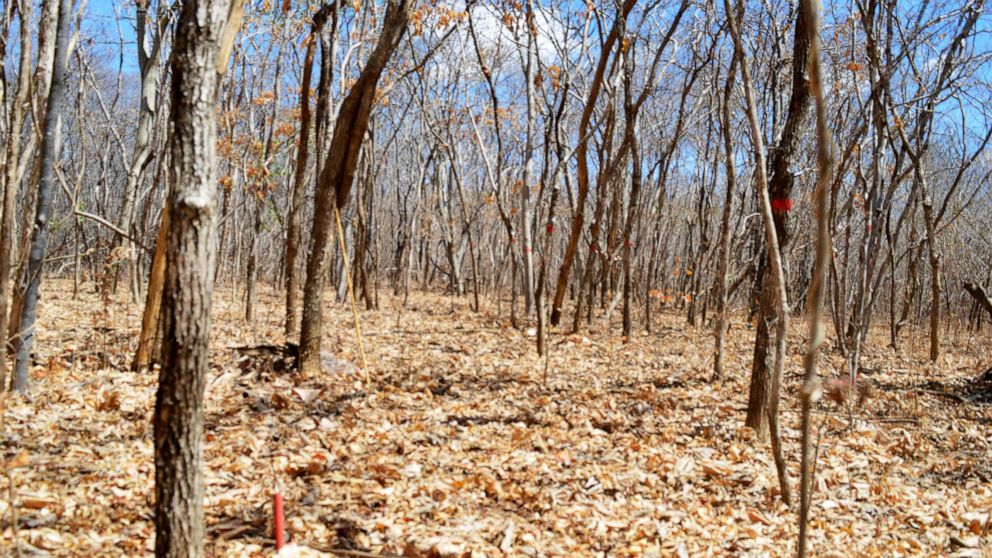
Tropical forests in Brazil have begun to release more carbon than they absorb as the warming climate kills more of the trees, researchers said.

The forests play an important role in the climate fight for their ability to absorb carbon dioxide from Earth's atmosphere, but dry and warm seasonal forests in southeastern Brazil have been progressively absorbing less carbon while releasing more over time, with the region transitioning "from a carbon sink to a carbon source" in 2013, according to a study published Friday in Science.

Related Articles

MORE: Emissions from food production endangering goals of Paris Agreement, researchers say

The region has experienced a 2.6% decrease in carbon gains per year and a concurrent 3.4% increase in carbon losses, the study found. Researchers studied 33 years of data from the region. The driest and warmest forests are experiencing the highest increase in carbon dioxide emissions as higher temperatures kill more trees.
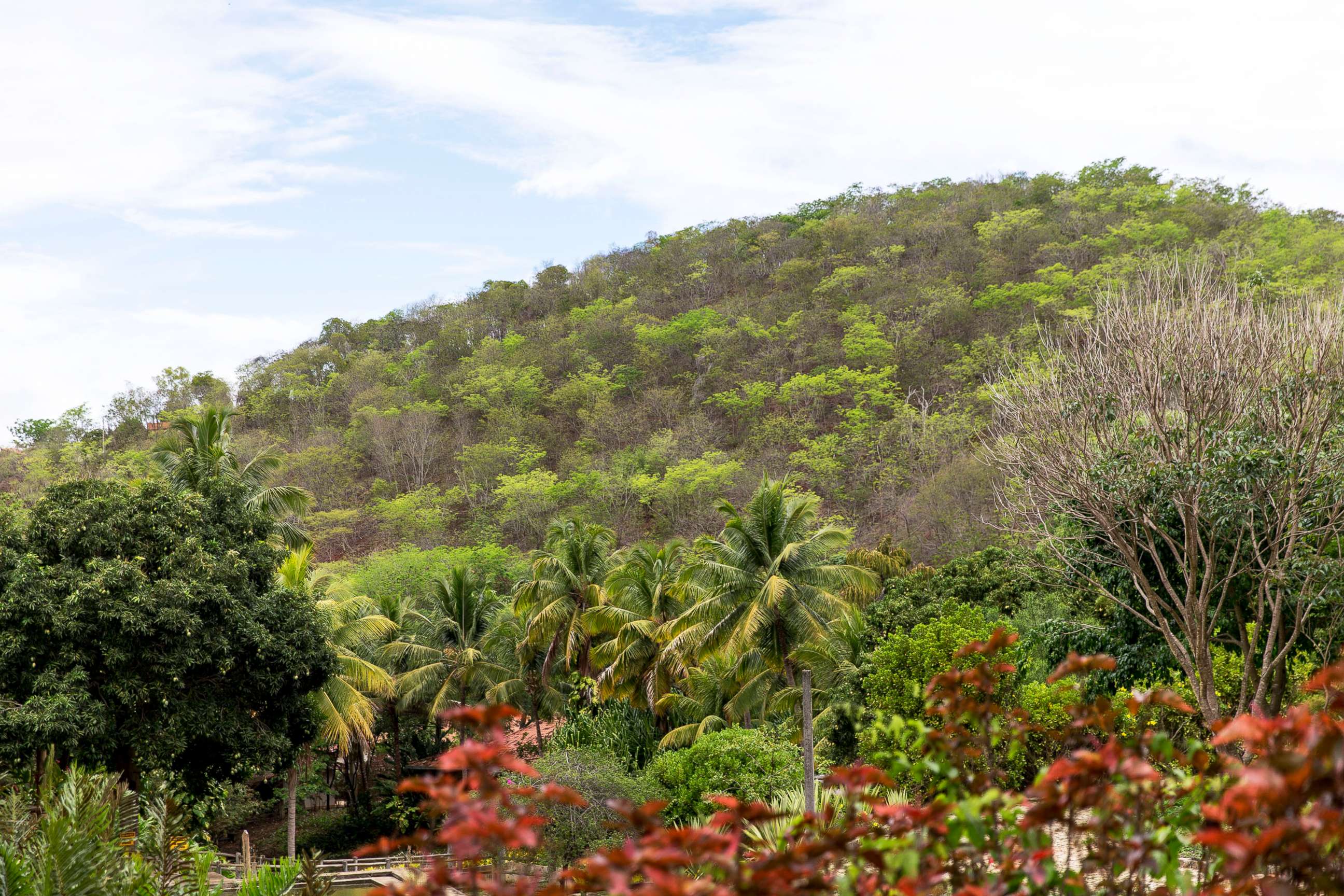
The beginning of raining season arrives for the forest in Aimpores, Brazil, Nov. 21, 2019.
Christian Ender/Getty Images, FILE

Previous studies on the Amazon rainforests have shown that increasing levels of carbon dioxide in the atmosphere may boost plant growth, and as a result carbon storage, but the data shows that seasonal tropical forests do not experience similar outcomes, the researchers said.

Related Articles

MORE: Fires in Amazon rainforest up more than 80% this year, scientists warn

Related Articles

MORE: Experts explain how the Brazilian wildfires became so devastating and what can be done to save the rain forest

Up until 2013, Brazil was the largest source of carbon emissions due to gross deforestation, and seasonal dry tropical forests are especially sensitive to changes in climate due to the the periodic droughts they already face naturally, according to the study.
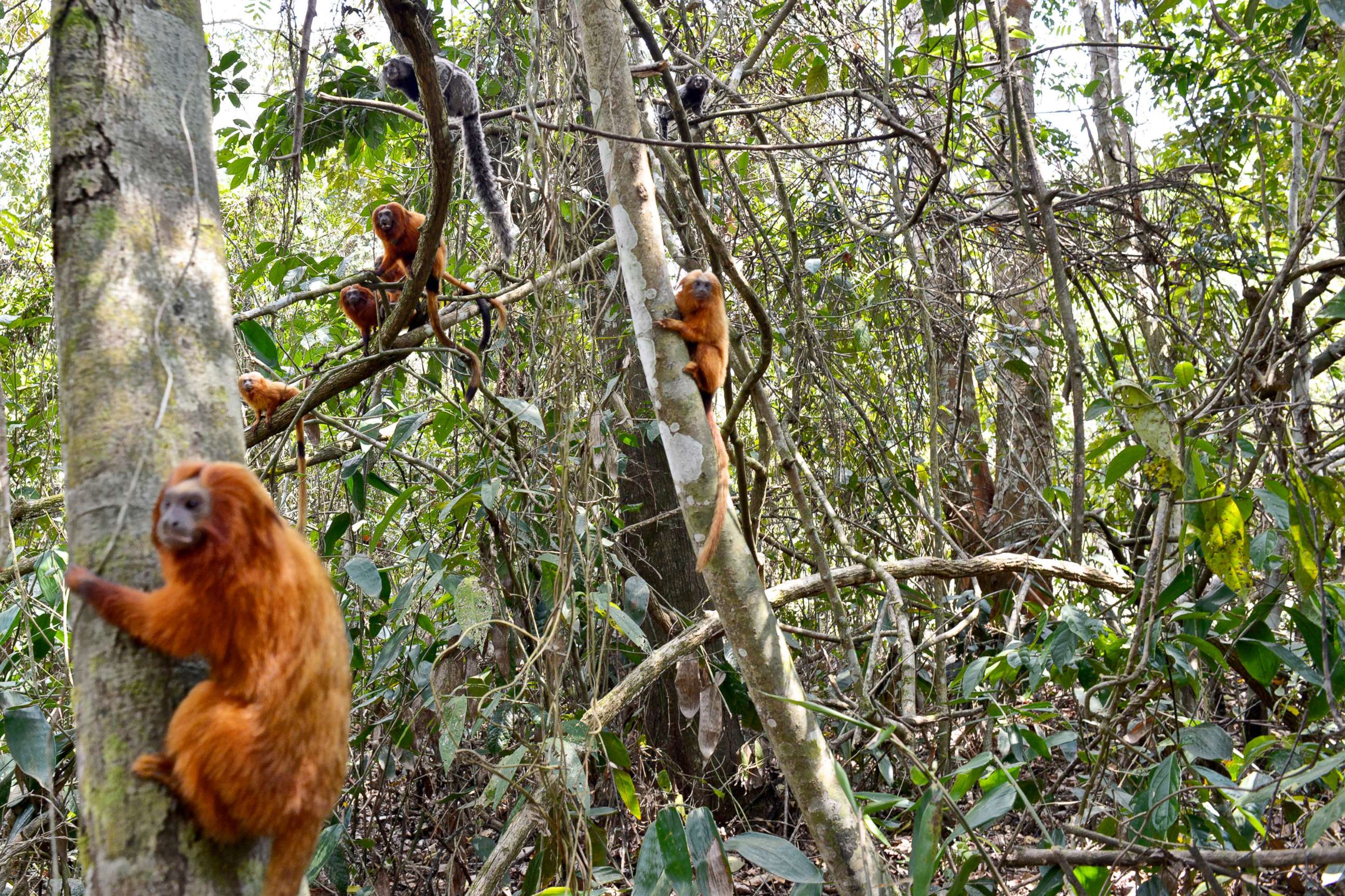
Golden Lion Tamarin populate a group of trees in the Atlantic Forest, Rio De Janeiro, Brazil, Oct. 16, 2014.
Kike Calvo/AP, FILE

The authors concluded that conservation policies for the driest and warmest Brazilian forest sites as well as political action to mitigate greenhouse gas emissions are needed to prevent further damage to the tropical forests.


Up Next in News—

Gas station clerk speaks out after foiling alleged kidnapping

April 15, 2026

Oklahoma high school principal takes down would-be shooter, hailed as hero

April 15, 2026

Family seeks answers after influencer Ashlee Jenae is found dead on vacation in Tanzania

April 15, 2026

Couple shares warning after nearly losing down payment in mortgage fraud

April 10, 2026

Shop GMA Favorites

ABC will receive a commission for purchases made through these links.

Sponsored Content by Taboola

The latest lifestyle and entertainment news and inspiration for how to live your best life - all from Good Morning America.
  • Contests
  • Terms of Use
  • Privacy Policy
  • Do Not Sell My Info
  • Children’s Online Privacy Policy
  • Advertise with us
  • Your US State Privacy Rights
  • Interest-Based Ads
  • About Nielsen Measurement
  • Press
  • Feedback
  • Shop FAQs
  • ABC News
  • ABC
  • All Videos
  • All Topics
  • Sitemap

© 2026 ABC News
  • Privacy Policy— 
  • Your US State Privacy Rights— 
  • Children's Online Privacy Policy— 
  • Interest-Based Ads— 
  • Terms of Use— 
  • Do Not Sell My Info— 
  • Contact Us— 

© 2026 ABC News