France's hard-hit dairy industry encourages people to eat more cheese
Let's act for cheese!
The French Dairy Industry's new campaign #Fromagissons -- a contraction of the words "fromage," cheese, and "agissons," let's act -- is imploring the country's residents to buy and consume more cheese after sales fell nearly 60% since the coronavirus pandemic started.
The collective call to action from the dairy sector, which was first announced in a press release, is aimed to help French cheese producers and businesses that have been dangerously affected by the temporary closures of restaurants, markets and cheese mongers due to COVID-19.
"This sudden change in consumption very differently affects the various sales channels for dairy products," the French Dairy Industry release stated, adding that sales to restaurants and exports are very small and a vast number of producers and processing companies have seen their situation deteriorate.
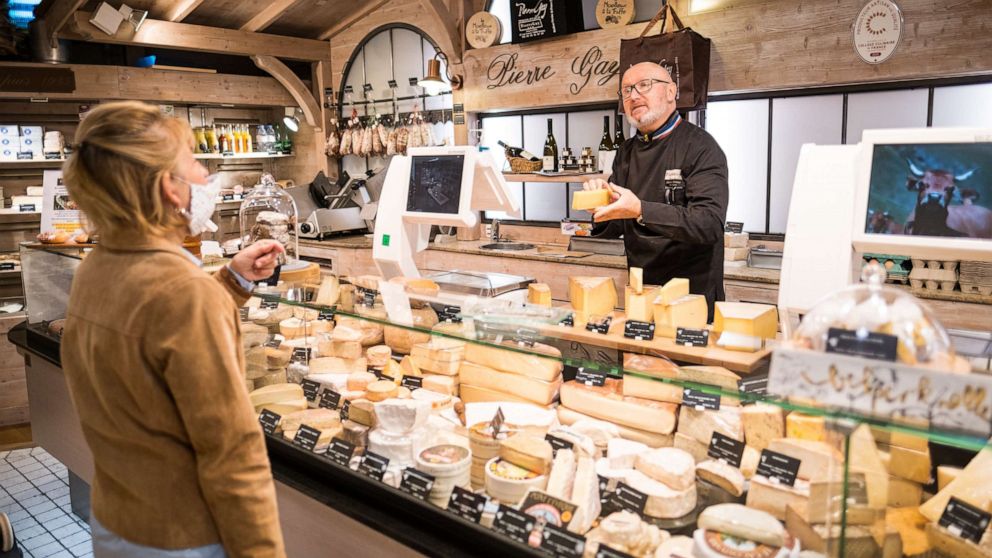
Apolline Ndeston, who works at a "magasin de fromage" -- cheese shop -- in Paris' 5th Arrondissement, told ABC News "during the lockdown it's been really difficult to sell our products."
Although the shop remained open for a portion of the country's lockdown, Ndeston said she noticed a drop in the amount of people buying cheese.
"A lot of people in the neighborhood -- left the city," she said of the emptied-out Latin quarter. "So we have 50% less clients than normal. And people buy less cheese because they [are being] modest with [their spending]."
"The paradox of the dairy sector in the COVID 19 crisis is combating the shortage, loss of outlets, overproduction and surplus of milk," the statement continued.
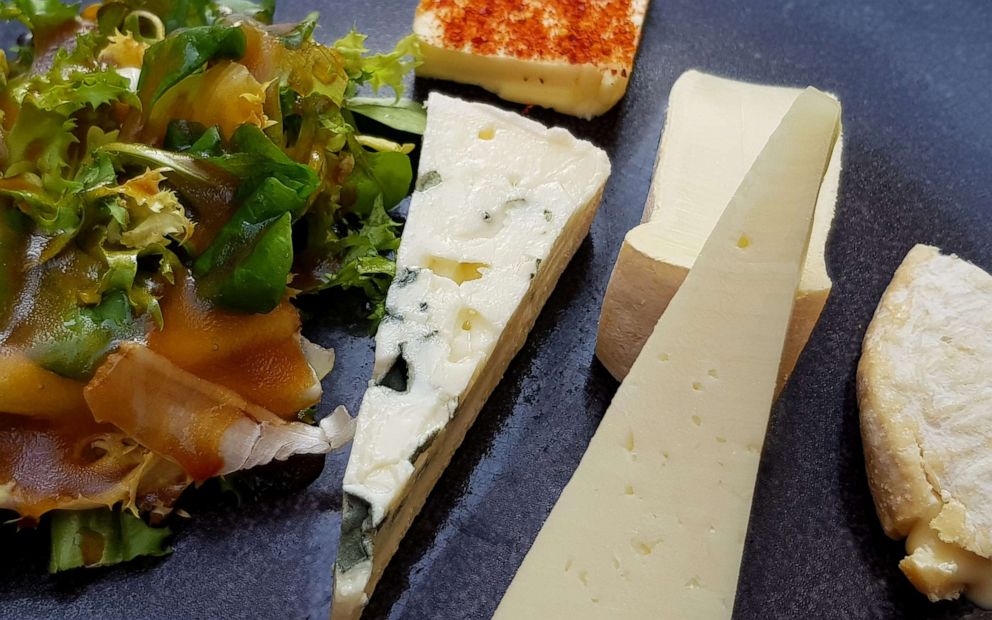
Now, the dairy sector will reorganize "to support its most affected players and reorient the markets It calls on consumers to eat cheese in solidarity with our producers of Saint-Nectaire, Reblochon, Cantal, Camembert."
"The cheese that we sell in the shop are from smaller farmers, so we promote smaller places -- from local industries," Ndeston said.
The plan for the nationwide campaign is to target consumers and interact with them "without making them feel guilty."
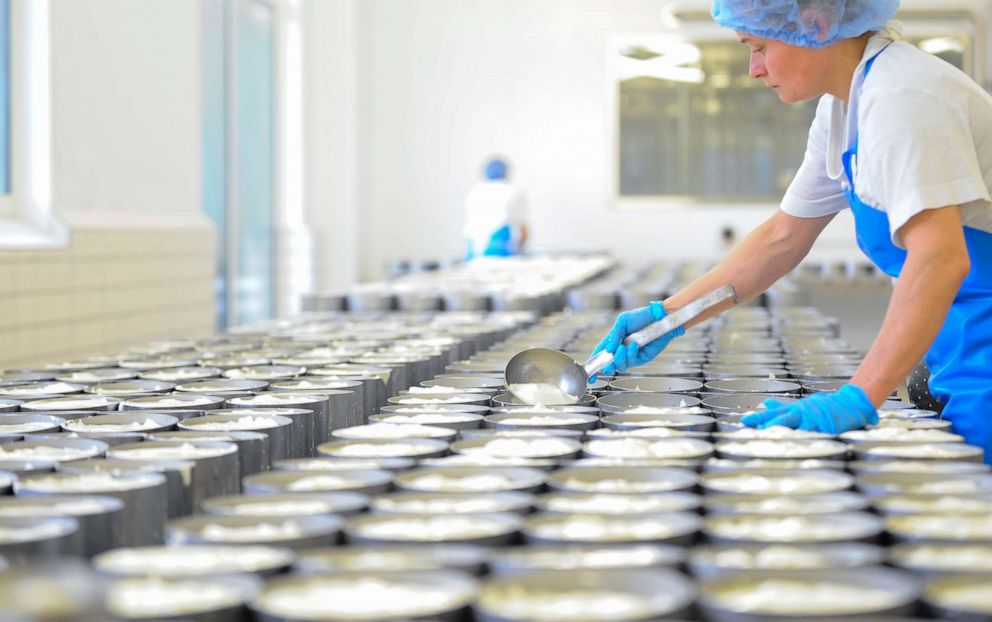
All stakeholders in the French cheese supply chain, which includes breeders, cooperatives, manufacturers, distributors, cheese makers, etc. will utilize "thoughtful tools" to tap into national and regional support for the initiative.
The objective is simple, "to encourage the consumption of traditional cheeses."
Ndeston thinks the campaign is a great idea because workers in the cheese world "are really modest people, so they need to be helped and supported in this really rough time."

In the meantime, any unsold products at their particular store will not go to waste, Ndeston assured.
"We take it to our homes. We don't put it into the trash to avoid waste," she said. "We don't have really big loss in this shop because we are really careful and we don't like waste."
The industry also recognized that same encouragement could prove difficult given the current societal state post-confinement.
Consumers have recently avoided those purchases, as well as stocks in dairies, as much as possible.
Now the focus is threefold: "Maintain the activity of the sector so that there is no shortage of milk, butter, cream, yogurts, cheeses for consumers; Manage saturated production tools while the sector must absorb the peak of production spring milk and avoid producers being forced to throw away their milk, for lack of outlets; Find outlets for traditional cheeses as quickly as possible at the risk of losing a whole section of our traditional cheeses."