• Video
  • Shop
  • Culture
  • Family
  • Wellness
  • Food
  • Living
  • Style
  • Travel
  • News
  • Book Club
  • Newsletter
  • Privacy Policy
  • Your US State Privacy Rights
  • Children's Online Privacy Policy
  • Interest-Based Ads
  • Terms of Use
  • Do Not Sell My Info
  • Contact Us
  • © 2026 ABC News
  • News

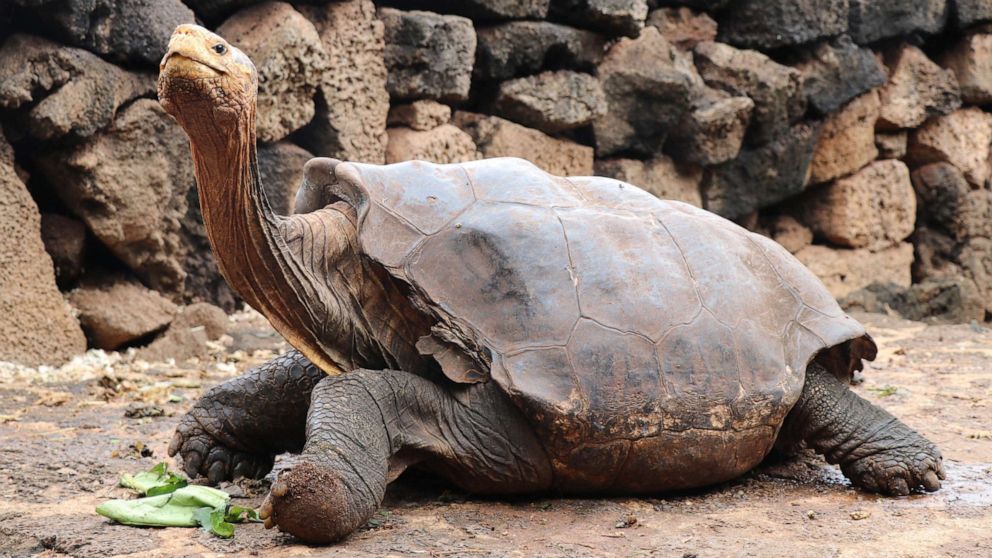
Galapagos giant tortoise has so much sex he retires after saving his species
0:26
Giant tortoise has so much sex he saves species
Galapagos National Park via Shutterstock
ByJulia Jacobo
January 12, 2020, 9:51 PM

A Galapagos giant tortoise estimated to be about 130 years old is returning home after having so much sex that he saved his species.

Diego, part of the Chelonoidis hoodensis species that lives on the Galapagos island of Espanola, was one of the tortoises brought to the U.S. between 1928 and 1933 and was later placed into the Charles Darwin Research Station for protection after the species was declared critically endangered in the 1960s, according to the San Diego Zoo.

Related Articles

MORE: Back from the abyss: These are the animal species that resurfaced in 2019 after they were feared lost

Diego spent 30 years at the San Diego Zoo's breeding program before he returned back to Ecuador in 1977, joining his fellow tortoises at the Charles Darwin Research Station.
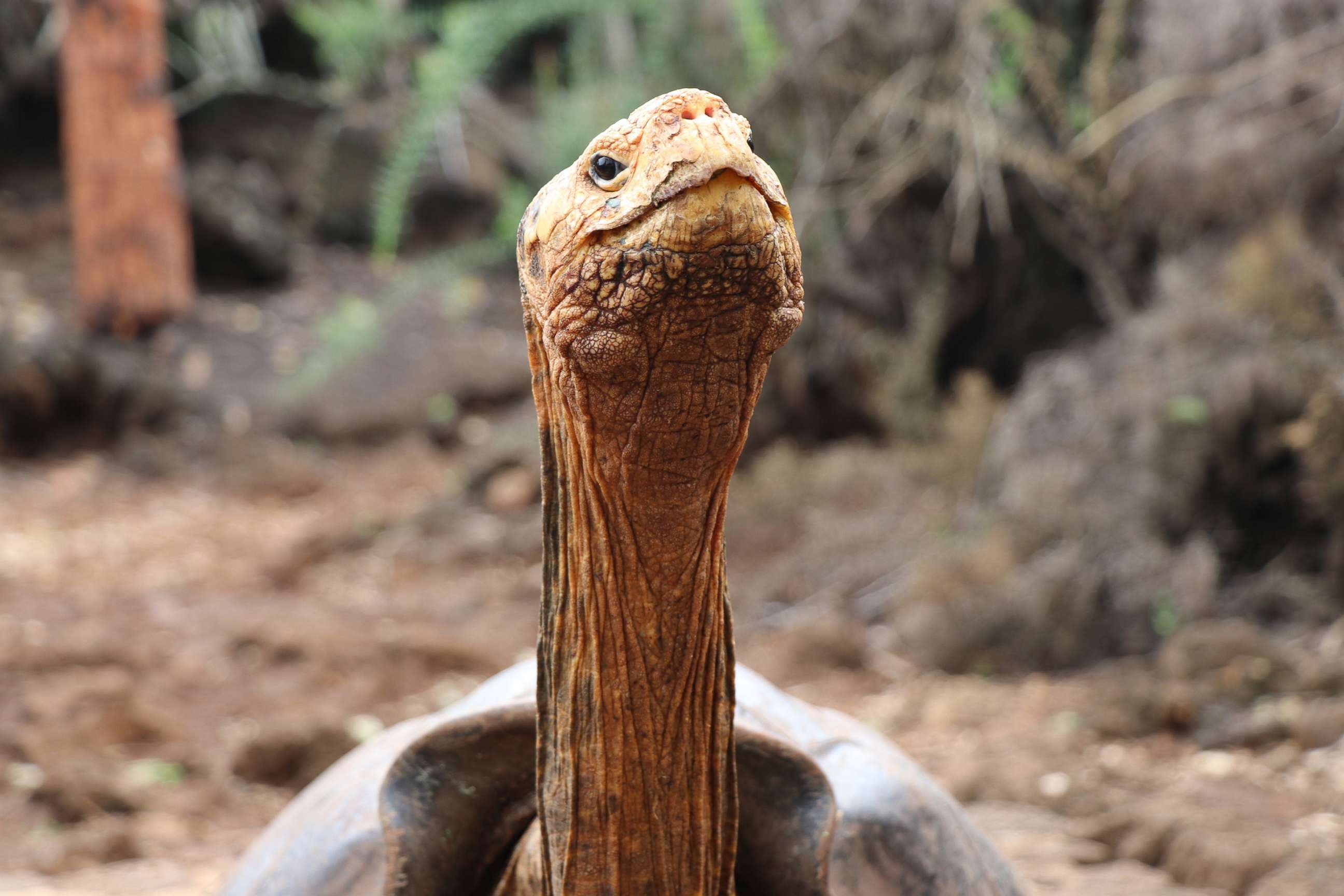
Diego, the giant tortoise helped to save his species by procreating 800 turtles is pictured in Galapagos, Ecuador, Jan. 9, 2020.
Galapagos National Park via Shutterstock

Ecuador’s Environmental Ministry announced Friday that it decided to end the 40-year captive breeding program on Espanola Island, demonstrating the recovery of habitat conditions and of the tortoise population, according to the Galapagos Conservancy.

The population went from 15 to 2,000 tortoises due to the program, according to the conservancy. As many as 40% of the current population of tortoises are thought to be descendants of Diego, San Diego Zoo officials said.

Related Articles

MORE: Trafficking ring involving thousands of turtles uncovered by Florida wildlife officials

The management program is also about to implement ecological restoration of the island, which includes the eradication of introduced species and the regeneration of cacti. The island's ecosystems are currently adequate enough to support the growing population of tortoises, the conservancy said.
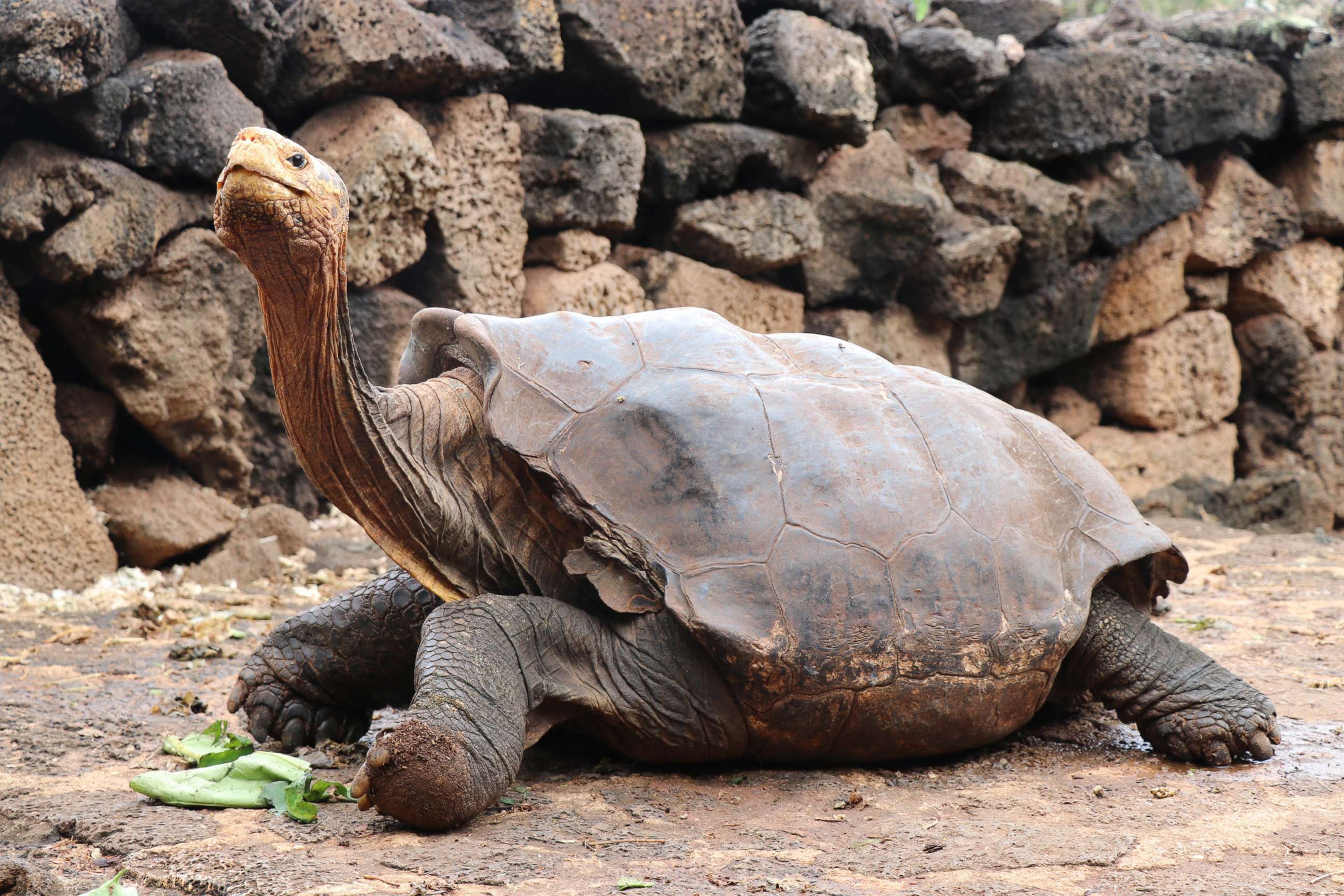
Diego, the giant tortoise helped to save his species by procreating 800 turtles is pictured in Galapagos, Ecuador, Jan. 9, 2020.
Galapagos National Park via Shutterstock

Closing the breeding program will include the return of the adults -- 12 females and two males -- originally found on the island, who will then be released in their natural habitat in March after a quarantine period to eliminate risks of seed dispersal from plants that are not typical of the island.

Related Articles

MORE: Tortoise thought to be extinct for more than 100 years discovered in Galapagos Islands

The species is still listed as critically endangered on the International Union for Conservation of Nature's Red List.


Up Next in News—

Gas station clerk speaks out after foiling alleged kidnapping

April 15, 2026

Oklahoma high school principal takes down would-be shooter, hailed as hero

April 15, 2026

Family seeks answers after influencer Ashlee Jenae is found dead on vacation in Tanzania

April 15, 2026

Couple shares warning after nearly losing down payment in mortgage fraud

April 10, 2026

Shop GMA Favorites

ABC will receive a commission for purchases made through these links.

Sponsored Content by Taboola

The latest lifestyle and entertainment news and inspiration for how to live your best life - all from Good Morning America.
  • Contests
  • Terms of Use
  • Privacy Policy
  • Do Not Sell My Info
  • Children’s Online Privacy Policy
  • Advertise with us
  • Your US State Privacy Rights
  • Interest-Based Ads
  • About Nielsen Measurement
  • Press
  • Feedback
  • Shop FAQs
  • ABC News
  • ABC
  • All Videos
  • All Topics
  • Sitemap

© 2026 ABC News
  • Privacy Policy— 
  • Your US State Privacy Rights— 
  • Children's Online Privacy Policy— 
  • Interest-Based Ads— 
  • Terms of Use— 
  • Do Not Sell My Info— 
  • Contact Us— 

© 2026 ABC News