Giant, meat-eating new dinosaur species discovered in Argentina
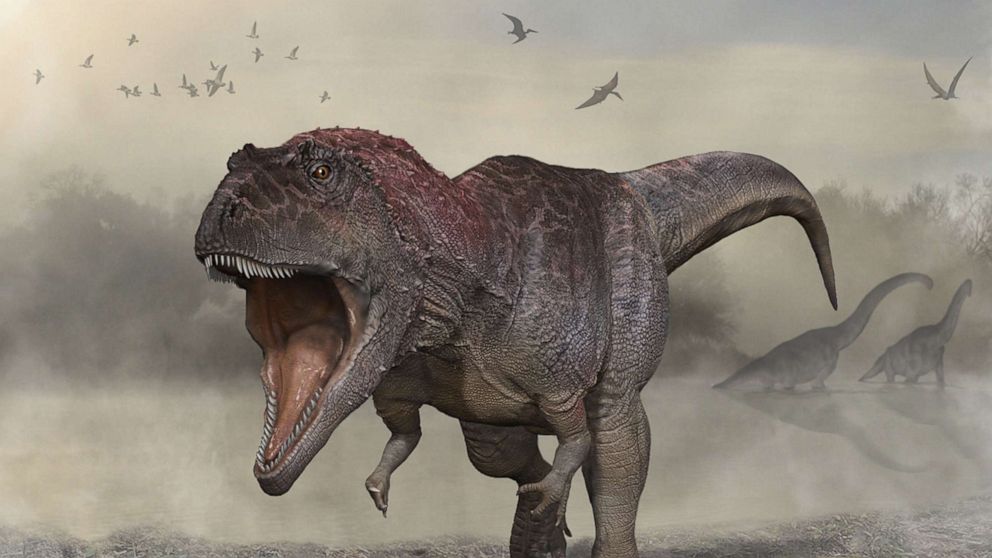
A new dinosaur species was discovered by paleontologists on Thursday, who have now named the giant carnivorous dinosaur species Meraxes gigas.
The new species is similar to the Tyrannosaurus rex, with a large head and tiny arms.
According to the researchers' findings, published in Current Biology, the creatures' small forelimbs were no evolutionary accident, but rather gave apex predators of the time certain survival advantages.
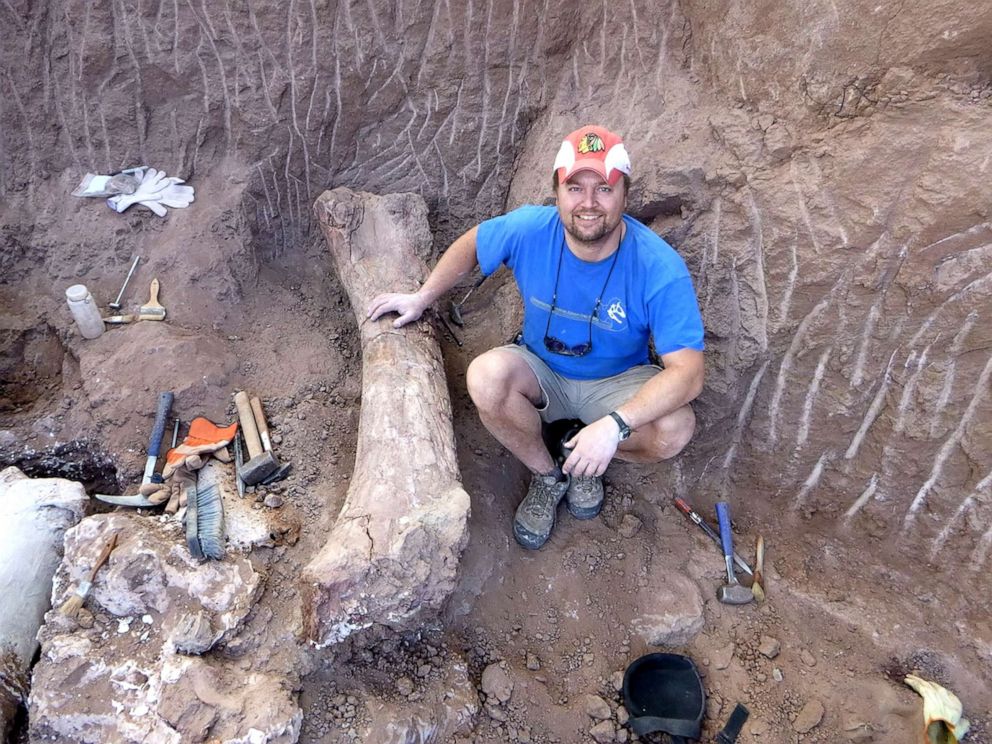
The findings were obtained over a four-year period, as researchers conducted field expeditions in the northern Patagonia region of Argentina, starting with unearthing the skull which was found in 2012.
The species name, Meraxes gigas, was named after a dragon in the "Song of Ice and Fire" book series that inspired the TV show, "Game of Thrones."
The Meraxes remains indicated that the dinosaur died at about 45 years of age and about four metric tons of weight, researchers said in their findings. They believe the dinosaur lived 90 to 100 millions years ago in what is now Argentina.
According to the researchers' findings, the new species is the most complete carcharodontosaurid yet from the Southern Hemisphere, and it documents peak diversity of carcharodontosauridae just before they went extinct.
Carcharodontosaurid refers to a group of carnivorous theropod dinosaur species.
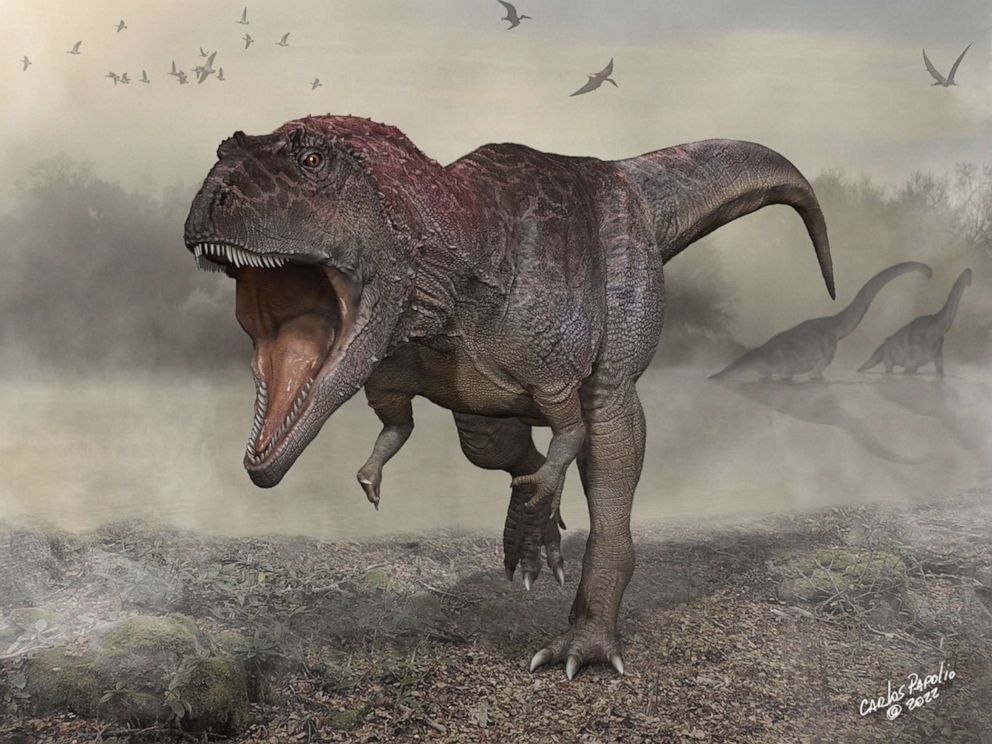
The anatomy of this group, as well as the T. rex and abelisaurids -- other giant carnivorous dinosaurs -- is defined by large skulls and feet and tiny arms.
According to the researchers, this kind of anatomy is still weakly understood.
But M. gigas may be putting some of the more pieces of the puzzle together.
The skeletal findings in Argentina produced groundbreaking anatomical information, as they included an almost complete forelimb that allowed the researchers to understand a "remarkable degree of parallelism" between the latest-diverging tyrannosaurids and carcharodontosauridae.
Findings also increased the researchers' understanding of the species' skulls.
The findings add that the skeletal discovery of M. gigs shows "that carcharodontosauridae reached peak diversity shortly before their extinction with high rates of trait evolution in facial ornamentation possibly linked to a social signaling role."
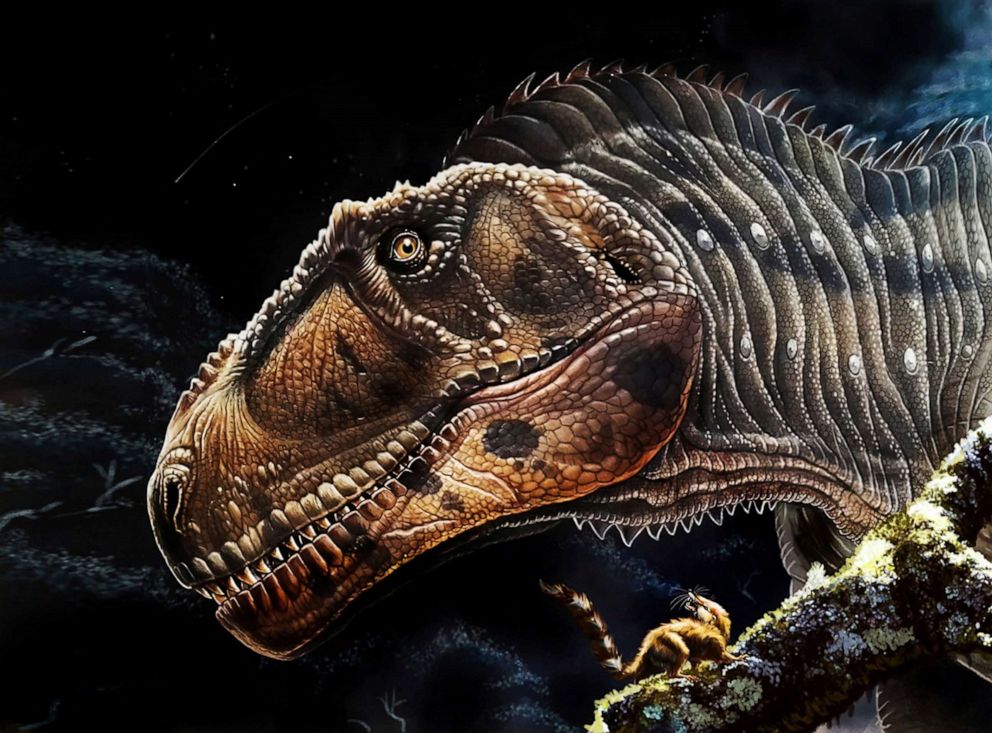
The researchers told Reuters that the short forearms have now become understood to indicate that such dinosaurs relied on their skulls to attack prey.
"Despite their powerful appearance, it's hard to imagine they were used much as they barely extend beyond the body and could not have reached the huge mouth," University of Minnesota paleontologist and study co-author Pete Makovicky told Reuters.
Instead, researchers believe that the forearms were used primarily for mating activities.
Whatever the tiny forearms may have done for these gigantic beasts, scientists now can understand how some of the planet's perhaps most terrifying ancestors came to evolve.