Ginger Zee Discovers Money Really Grows Inside This State's Trees
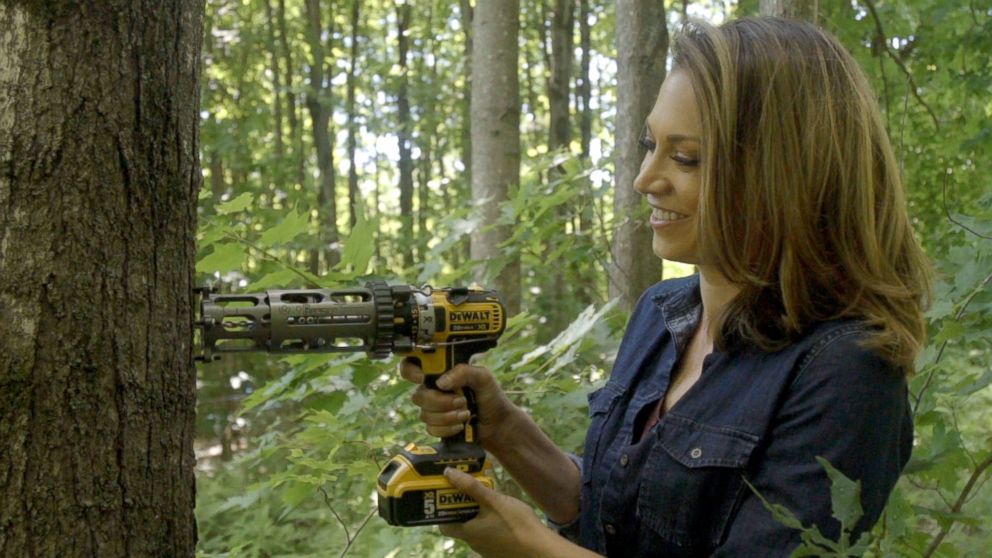
— -- When sap flows from a sugar maple tree it is about 2 percent sugar. To become syrup, the sap moves through an intricate system of tubes using nothing more than gravity to reach the sugar house at the bottom of the hill.
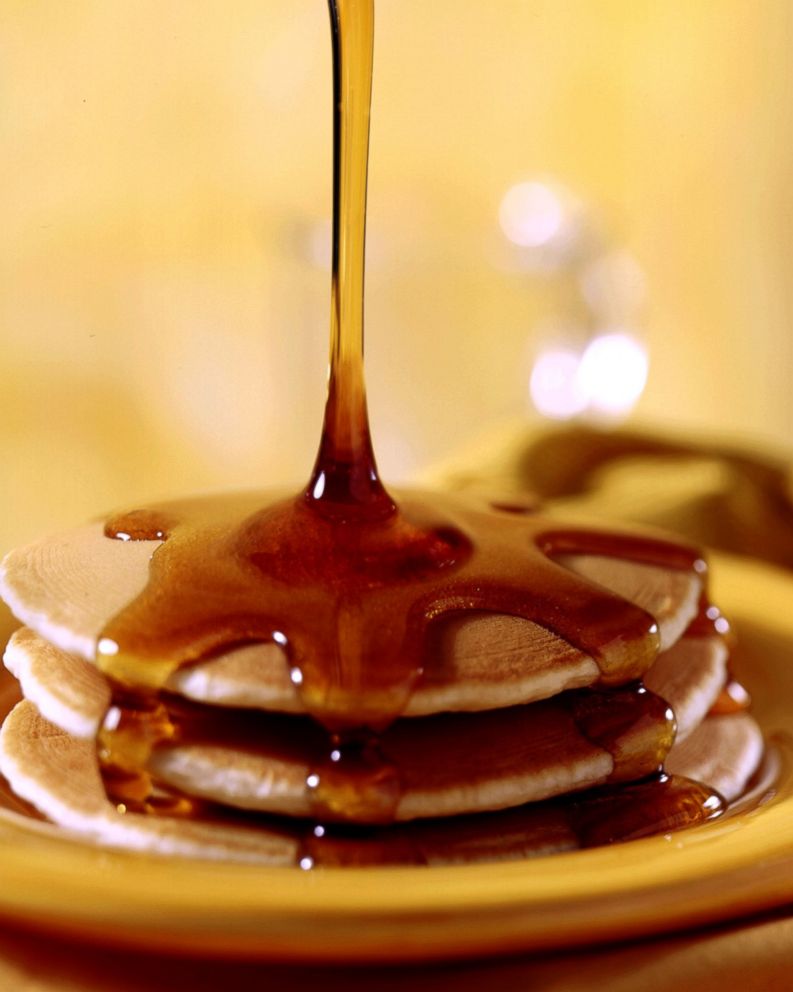
Waiting to receive the sap is the team of sugar makers who boil it down, sending clouds of maple steam into the air. Once it’s been fully reduced, the clear sap will turn to an amber syrup reaching a sugar level of 66-percent and can be sold or stored in barrels for years.
“If you have a lower sugar concentration than that target, you can end up with spoilage,” says sugar maker Chris White, “A higher concentration you'll end up with a lot of sugar crystals.”
There is a romance to tapping a sugar maple, hammering a tap into the bottom of the tree and hanging a bucket off the end of the spout to collect the sap. But sugaring, as it’s called in Vermont, is a big part of the state’s economy and ensuring a productive sap flow is paramount to a good season.
In 2015, Vermont produced the most syrup in the state’s history, 1.9 million gallons, according to the U.S. Department of Agriculture. To put that in perspective, it takes about 50 gallons of sap to produce a gallon of syrup. That means 95 million gallons of sap were collected over the short season.
In order to have a great sugaring year the weather needs to be perfect. The average sugaring season is very short, about six weeks on average, and within those six weeks there are only a handful of days that see large sap yields.
“Within that six weeks, you may only have 15 days where the sap actually flows, where the temperature gets above freezing,” says Abby Van Den Berg of the University of Vermont Proctor Maple Research Center (PMRC).
And according to the PMRC, the already short season has shortened on average by three days over the last 40 years. A particularly devastating heat wave in 2012 ended the season within three weeks.
In order for the sap to flow from the tree, the weather needs to dip below freezing overnight and in the morning it needs to warm to a temperature right at 34-36 degrees. If the temperature doesn’t rise above freezing the tree won’t thaw out and you won’t have a sap flow.
Above 36 degrees, the pressure from inside the tree decreases, producing a smaller sap yield. If it gets too warm the tree needs to freeze again overnight to start the whole process over. If it stays too warm for too long the trees can’t freeze properly and the tap holes dry out and stop producing enough sap. When the freeze-thaw cycles end, the sugaring season ends and you have to wait until next year to do it again.
Sugar-making in Vermont goes back generations to a time when the sap was boiled all the way down to sugar, hence the name "sugar maker" not "syrup maker." In this episode of "Food Forecast" we meet the sugar makers, and the scientists who are dedicated to working with the weather to helping the industry thrive.