Government shutdown timeline: How senators went from 40-day impasse to sudden deal

The longest government shutdown in U.S. history has come to an end, days after after senators suddenly advanced a funding deal after weeks of little progress.
President Donald Trump signed legislation to reopen the government on Day 43, hours after a funding package passed the House.
Here's a timeline of major developments from the record impasse.
Oct. 1: The federal government shut down at 12:01 a.m. after competing Republican and Democratic proposals that would have funded the government failed in the Senate at the eleventh hour. The Democrat bill included extensions for health care subsidies under the Affordable Care Act while the Republicans' "clean" bill would have funded the government at current levels until Nov. 1.
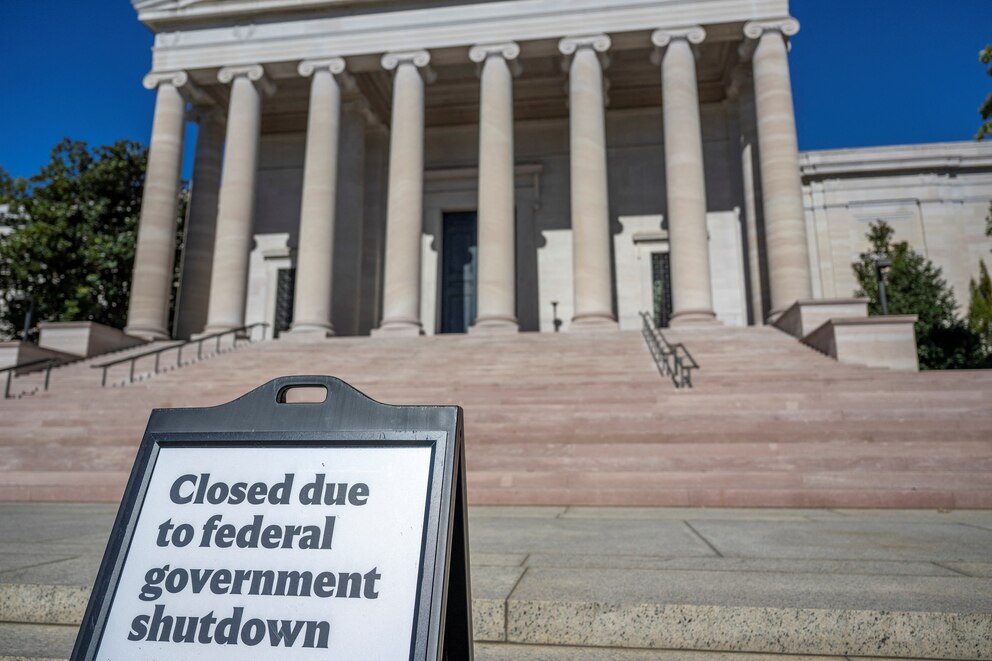
Oct. 10: The Trump administration begins to lay off thousands of federal workers. Agencies impacted include the Commerce, Education, Energy, Health and Human Services, Housing and Urban Development, Homeland Security and Treasury departments.
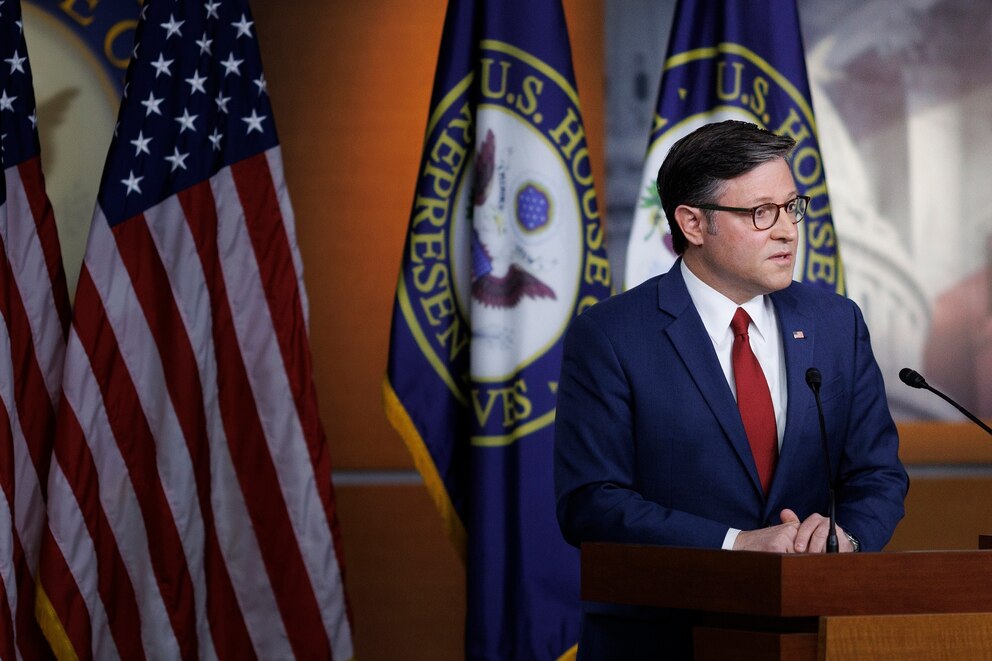
Oct. 14: Two weeks into the shutdown with virtually no progress, House Speaker Mike Johnson predicts they are headed toward "one of the longest shutdowns in American history." The House has remained out of session the entire shutdown after Republican members passed a clean, seven-week funding bill in mid-September.
Oct. 15: The Pentagon says that troops have been paid and will not miss a paycheck due to the shutdown after shifting existing funds.
Oct. 24: More than 500,000 federal employees miss their first full paycheck. Days later, the president of the country’s largest union representing federal workers called on lawmakers to pass a short-term spending bill to end the shutdown, a statement seized on by Republicans to ramp up pressure on Democrats.
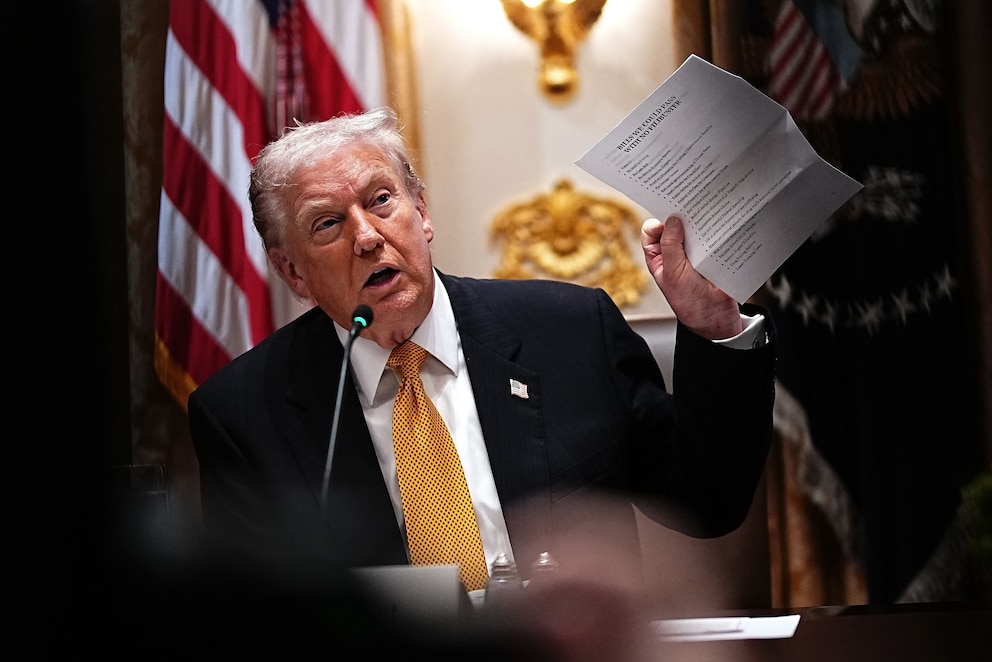
Oct. 30: President Trump, after weeklong overseas trip, inserts himself in the shutdown showdown by calling on Senate Republicans to terminate the filibuster in order to unilaterally reopen the government. But Senate Majority Leader John Thune quickly rejected Trump's demand.
Nov. 1: Funds run dry for SNAP benefits, leaving 42 million Americans vulnerable -- and setting off a complex legal fight between the administration and states. Plus, open enrollment begins for Affordable Care Act recipients with prices for insurance premiums skyrocketing next year.

Nov. 4: The Senate fails for the 14th time to advance a clean, short-term funding bill.
Nov. 5: The shutdown becomes the longest in U.S. history. Trump brings Senate Republicans to the White House to talk shutdown, after Republican losses in key elections across the country. Democrats capitalize on election wins to argue Republicans should negotiate with them on health care.
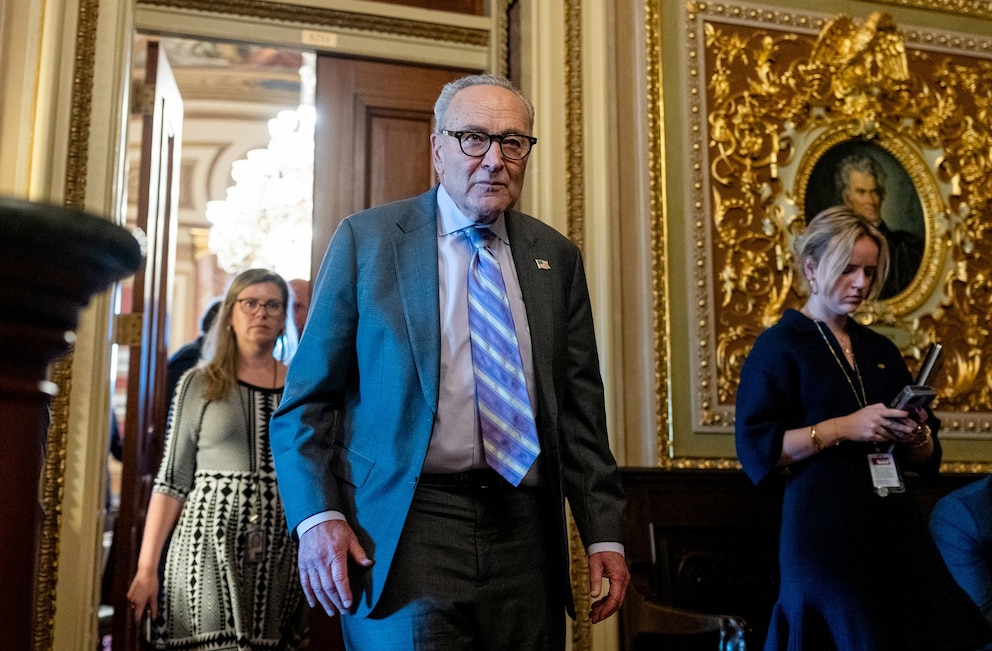
Nov. 7: Air travel is even more heavily impacted as the Federal Aviation Administration begins to reduce flight capacity at major airports across the country. Senate Minority Leader Chuck Schumer put on the table a Democratic proposal for a short-term extension of government funding that includes a one-year extension of ACA subsidies. Republicans quickly rejected the offer.

Nov. 8: Thune said he plans to keep the Senate in session until the government is funded, and said Republicans will push forward with a plan to advance a short-term funding bill with a "mini-bus" of three, full-year funding bills for SNAP benefits and the Special Supplemental Nutrition Program for Women, Infants, and Children, as well as veterans programs. Schumer calls it a "terrible mistake" for Republicans to have rebuffed Democrats' offer.
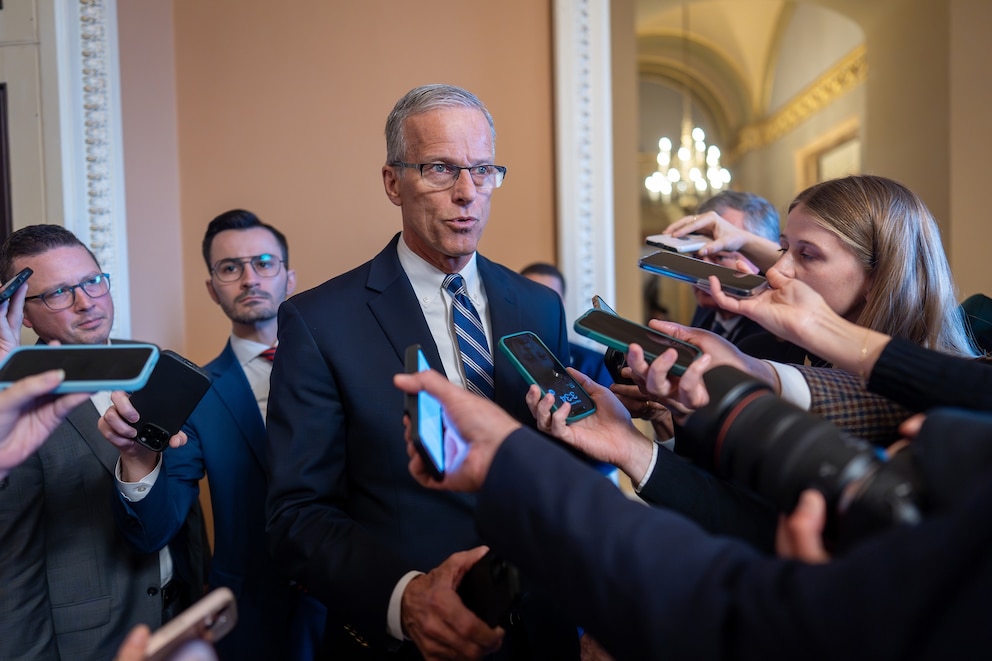
Nov. 9: A sudden breakthrough moment on Capitol Hill as senators reach a bipartisan deal to end the shutdown. Eight Democrats vote with Republicans to advance the measure in a 60-40 vote.
The bill does not include any of the Democratic demands on health care, but sources told ABC News that Republican leadership promised to allow a vote on a bill of Democrats' choosing related to the ACA in December.
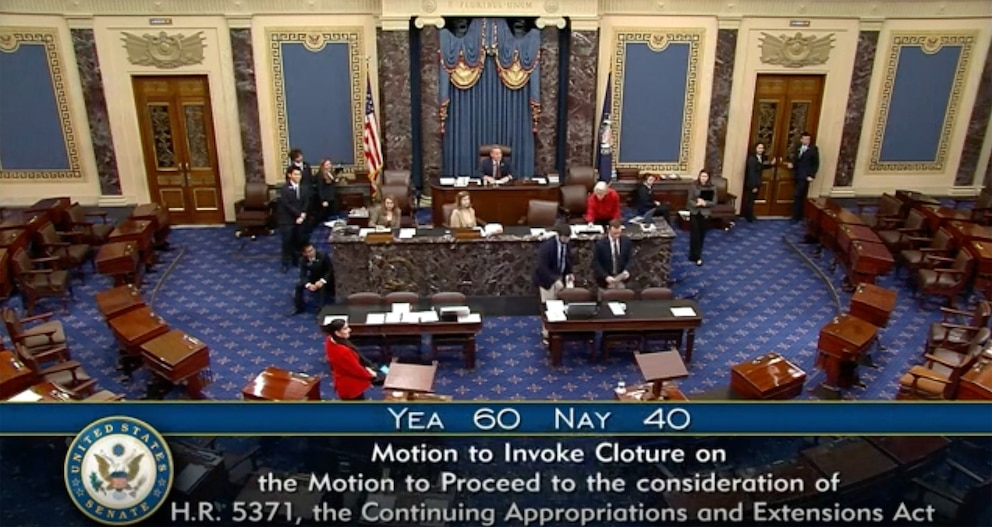
It also includes a new government funding extension of Jan. 30, 2026; language to reverse Trump administration firings during the shutdown; and to ensure furlough workers receive backpay.
Nov. 10: Senate reconvenes to move ahead on the deal. Speaker Johnson tells House members to start returning to Washington immediately, and says the House will vote as quickly as possible on the funding bill once it clears the Senate.
The Senate on Monday night passes the funding legislation in a 60-40 vote. Eight Democrats voted for the bill: Sens. Tim Kaine, Dick Durbin, Maggie Hassan, Jeanne Shaheen, Jacky Rosen, Catherine Cortez Masto, John Fetterman and Angus King. Sen. Rand Paul was the only Republican to vote against the bill.
Speaker Johnson said a vote on the legislation in the House could come as early as Wednesday, Nov. 12.
Nov. 12: The House returns to session for the first time in 54 days to take up the funding package. The measure passes on Wednesday night in a in a narrow 222-209 vote. Six House Democrats broke with their party to join Republicans in passing the bill. Two Republicans voted against it.
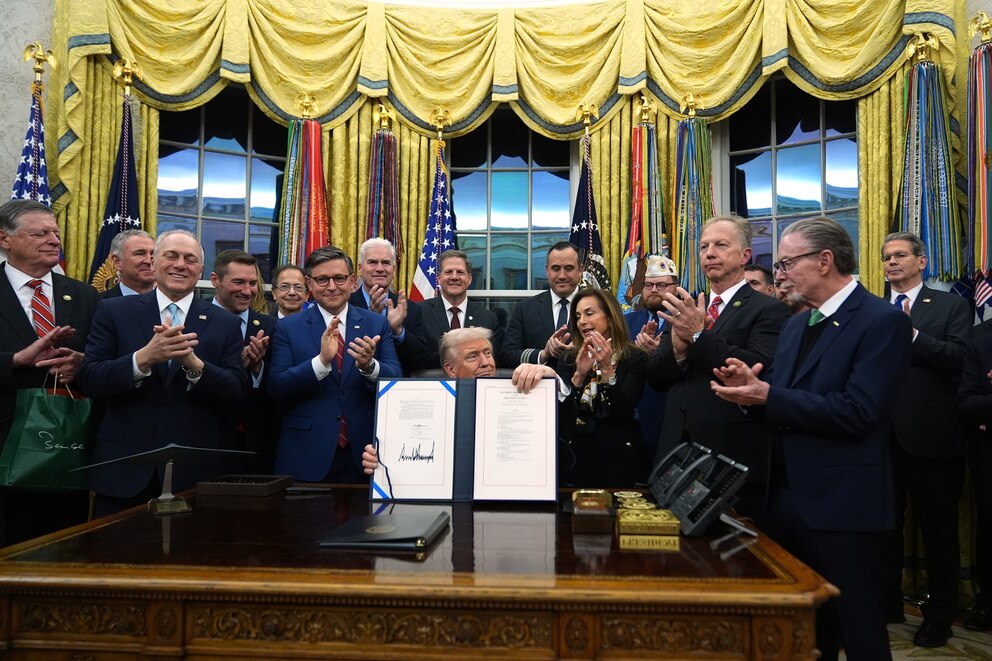
Hours later, Trump signed the bill in the Oval Office.
"So with my signature, the federal government will now resume normal operations, and my administration and our partners in Congress will continue our work to lower the cost of living, restore public safety, grow our economy and make America affordable again for all Americans again," Trump said.