More than half of US killings by police go unreported: Study
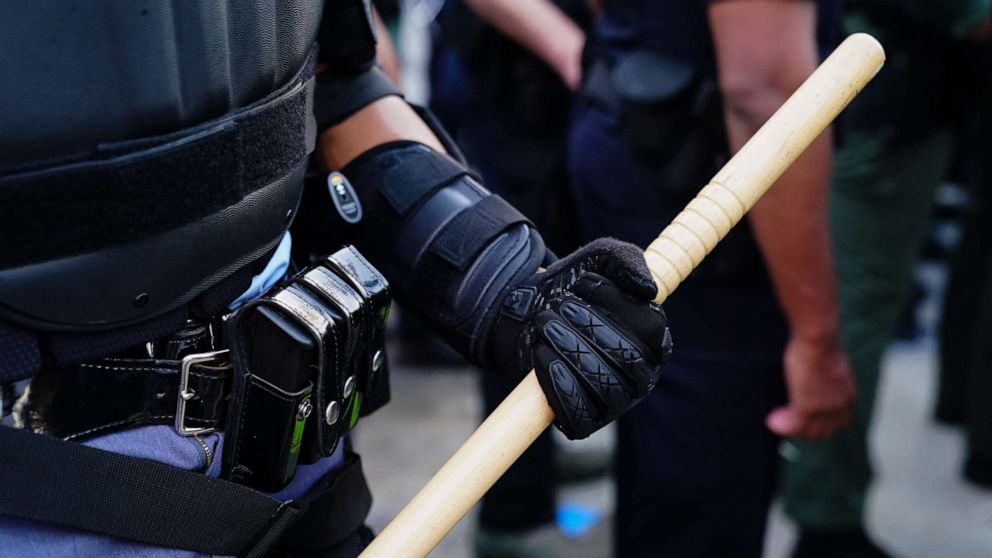
A new study on fatal police violence shows more than half of killings by police were left unreported in the last 40 years, and that Black Americans were estimated to be 3.5 times more likely to die from police violence than white Americans.
Researchers compared data from the National Vital Statistics System -- a federal tracker of deaths in the United States -- with three independent, non-government, open-source databases: Fatal Encounters, Mapping Police Violence and The Counted.
From 1980 to 2019, there were 30,800 deaths from police violence, which is 17,100 more deaths than the NVSS reported, according to the study by researchers from the University of Washington and published in the Lancet.
The study found that the NVSS underreported 55.5% of these deaths overall, but that percentage rose to 59.1% when reporting deaths among Black Americans.
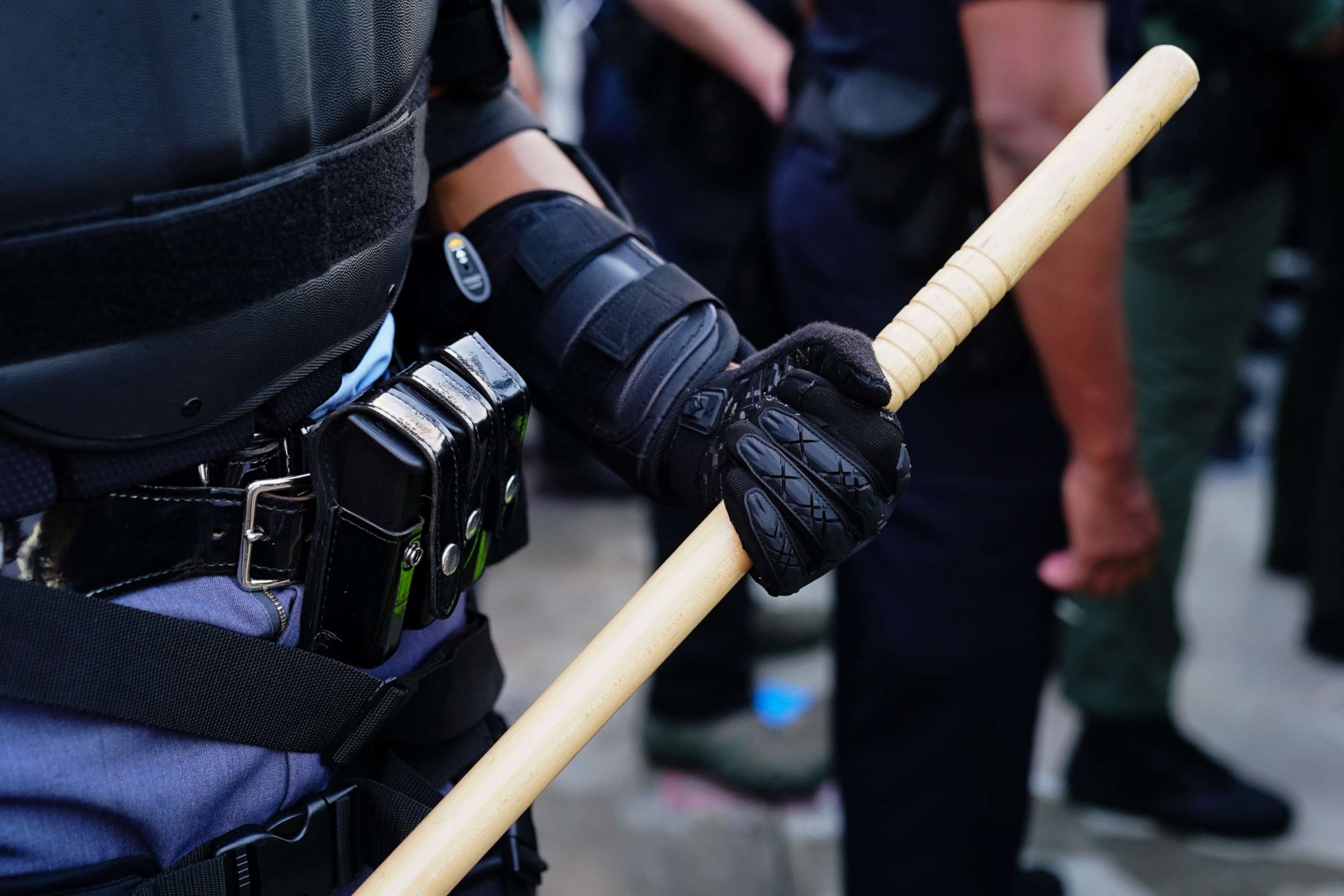
"Police violence and racism is really a public health problem," senior author Mohsen Naghavi told ABC News.
The NVSS did not respond to ABC news' request for comment.
The rate of police killings for non-Hispanic Black victims was about 3.5 times higher than that of non-Hispanic white people, and Hispanics were 1.8 times more likely to be killed by police violence than non-Hispanic white people.
The study confirms a pattern of systemic racism in policing, predominantly burdening communities of color, the study's co-author Eve Wool says.
"Even when unarmed, Black Americans experienced disproportionately high levels of police contact, even for crimes that Black and white folks committed at the same rates," Wool told ABC News.
Open-source data, which is compiled from open access sources, like news articles and public records, are typically more comprehensive when it comes to tracking these kinds of incidences, according to Neghavi and Wool.
Even with more comprehensive data, they say, there is a lot more research to be done on police violence.
The study didn't take into account the non-fatal victims or incidences of police brutality, and the binary gender identifiers in the data didn't allow for analysis of gender-based discrimination against people of transgender or nonbinary identities.