Harvard researcher accused of smuggling frog embryos appears in court
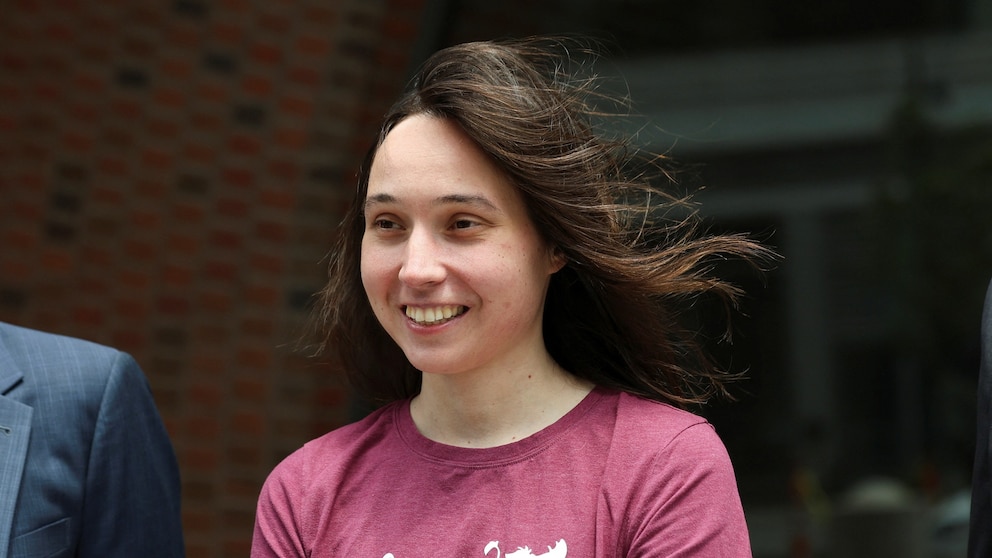
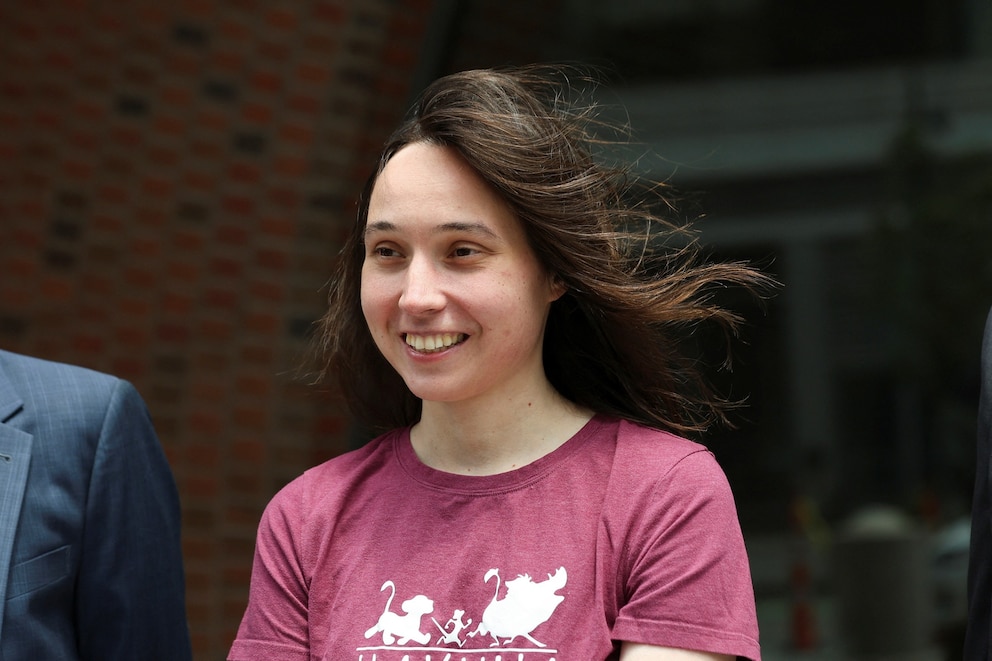
Harvard University researcher Kseniia Petrova appeared in Massachusetts federal court on Wednesday for a probable cause hearing after being charged with smuggling frog embryos into the United States.
Petrova is accused of failing to declare clawed frog embryos and embryonic samples while passing through customs at Boston Logan International Airport in February.
During the hearing, the government and defense argued over whether the Harvard researcher brought "biological materials" into the U.S., following the testimony of the lone witness.
Homeland Security Investigations Special Agent Brian Goldsworthy, who wrote the affidavit in support of the criminal complaint against Petrova, was called to the stand by the federal government.
Goldsworthy testified that Petrova's luggage was identified by a canine while it was on the luggage belt. Her bag contained pork, beef and fruits, in addition to the biological materials, he said. He testified that Petrova would not have been permitted to leave the airport with the biological materials she had if she had declared them to Customs and Border Patrol.
During cross-examination by Petrova's attorney, Goldsworthy struggled to define what a biological material is.
"I was told that embryos are biological materials," Goldsworthy said. "What's often encountered is plasmids, living things, plants."
After reading a government definition of what biological material is, defense attorney William Fick asked Goldsworthy if he believed frog embryos met that definition. Holcomb objected, saying it hasn't been established that that definition is applicable to this case.
"I don't know what definition you are going off of," Judge Judith Dein told prosecutors who had objected to relevance on another question -- whether the embryos were "alive."
Goldsworthy testified that CBP agriculture experts and the National Biodefense Analysis and Countermeasures Center laboratory that reviewed the material found it to be biological material.
"I'm not sure that it is defined in the law," Goldsworthy said. Asked if he would agree the material was not alive, Goldsworthy said, "I don't know."
Asked by the judge where he got that phrase from in his affidavit, Goldsworthy responded that it was from CBP officers and the lab.
In arguments following Goldsworthy's testimony, Petrova's attorney said the investigator who swore on the affidavit "can't tell us" what is biological material.
"It's not clear what definition anyone is operating under," Fick said while also arguing that it's unclear if the government understands "their own charging theory."
Holcomb argued that the requirement to declare items brought into the U.S. "doesn't in any way hinge" on whether something is a biological material.
Prosecutors now have until next Wednesday to submit written briefs to the judge. Petrova's attorneys will have until the following Wednesday to respond.
Petrova could face up to 20 years in prison and a fine of up to $250,000 if convicted.