What to know about hazard pay if you're working during coronavirus crisis
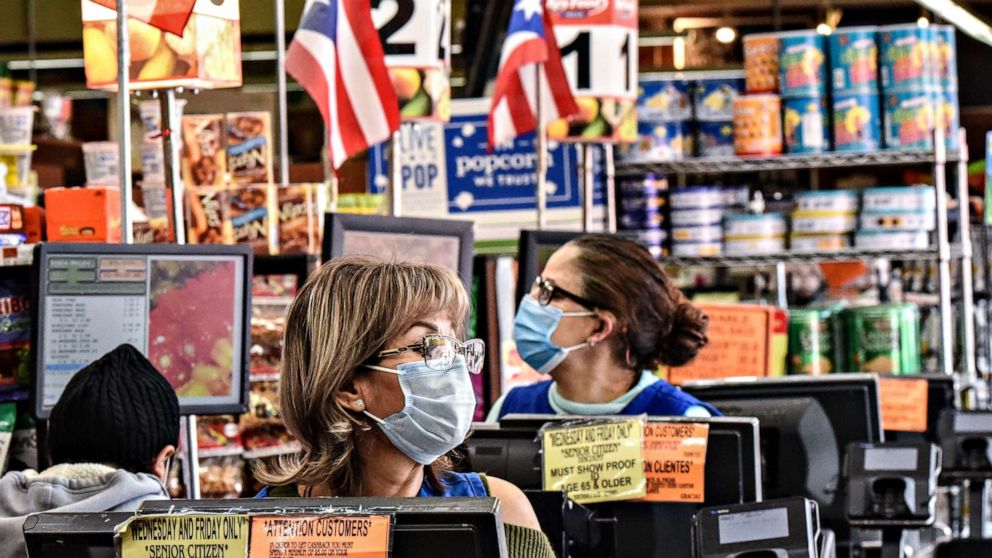

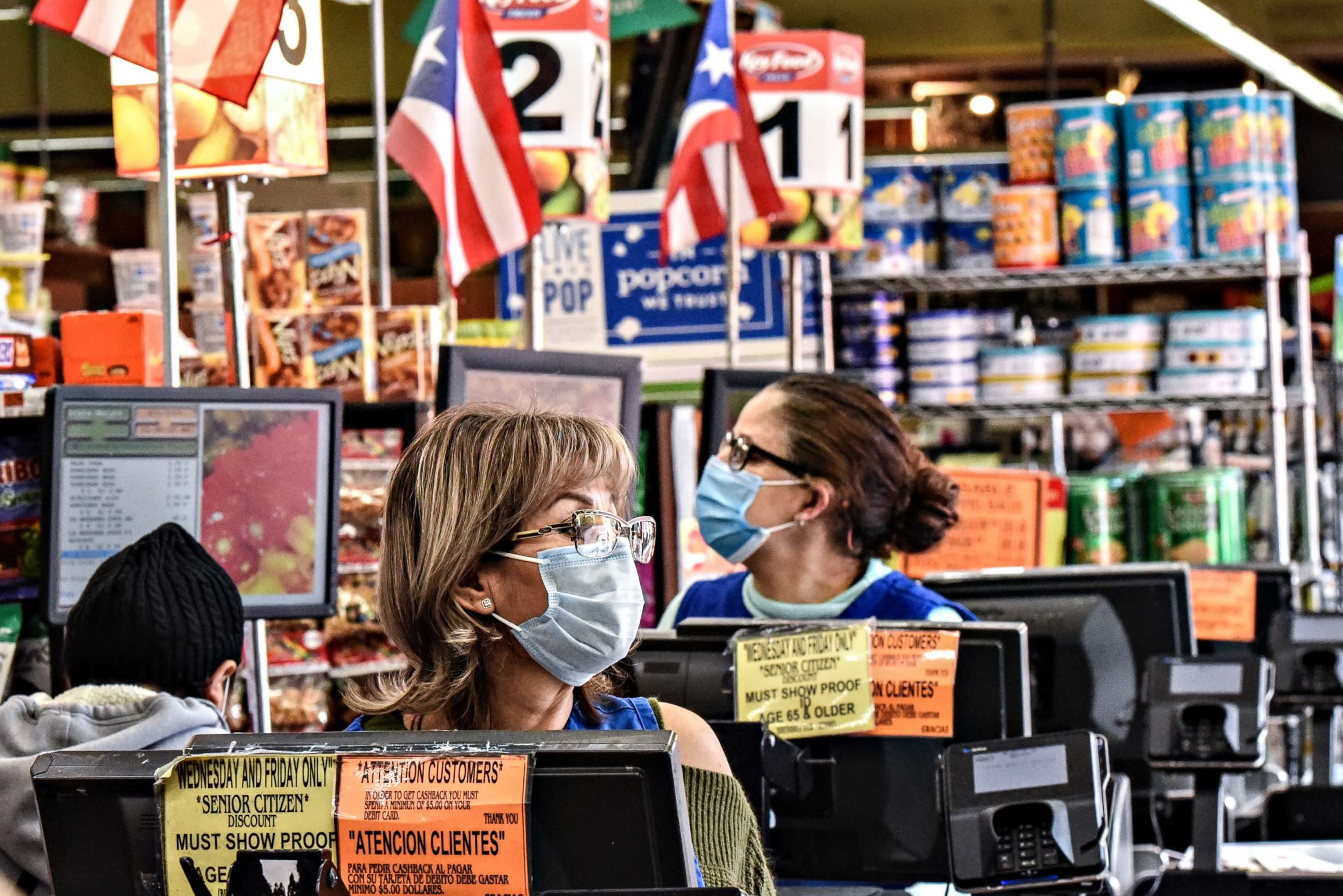
As thousands of grocery staffers, delivery workers and other "essential" employees still head to work amid the novel coronavirus pandemic, recent searches for "hazard pay" have skyrocketed, according to Google data.
The once narrowly used labor term that has been thrust into the spotlight in recent weeks is defined as "additional pay for performing hazardous duty or work involving physical hardship," according to the U.S. Department of Labor.
A handful of companies have announced pay bumps for its front line workers as COVID-19 spreads throughout the U.S. -- including Amazon, Albertsons, Krogers, Safeway and Whole Foods, which all announced $2 per hour pay raises for eligible employees.
Albertsons called it "Appreciation Pay" and Krogers referred to the bump as a "Hero Bonus."
"Whether we call this hazard pay or not, certainly workers who are incurring some amount of unavoidable risk from COVID deserve additional pay," Ryan Nunn, policy director at Brookings Institute's Hamilton Project told ABC News, adding, "It's great to see employers doing this."
Tune into ABC at 1 p.m. ET and ABC News Live at 4 p.m. ET every weekday for special coverage of the novel coronavirus with the full ABC News team, including the latest news, context and analysis.
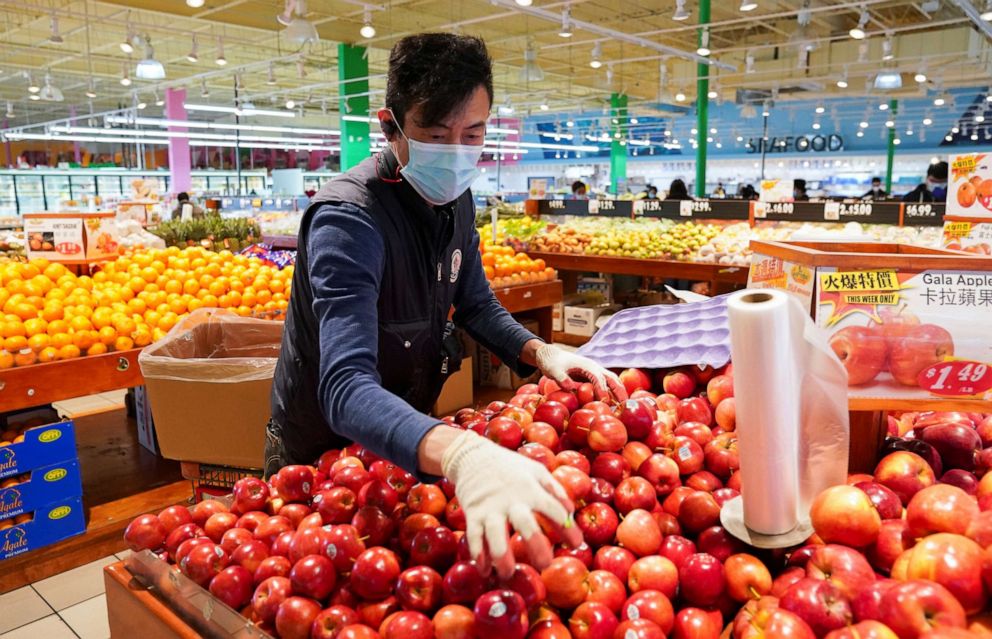
Still, Nunn said he thinks the pay bump "can’t be a substitute for employers doing everything they can to make work as safe as possible during this pandemic."
For employers that may not be able to provide hazard pay because of the unprecedented economic crisis caused by the outbreak, Nunn said, "We may need to see public subsidies."
"We need to pay the cost of that work as a society, and not put it all on the 'essential workers,'" he added.
Moreover, many of the workers now being relied on for food, supplies and more amid the outbreak are traditionally low-wage jobs.
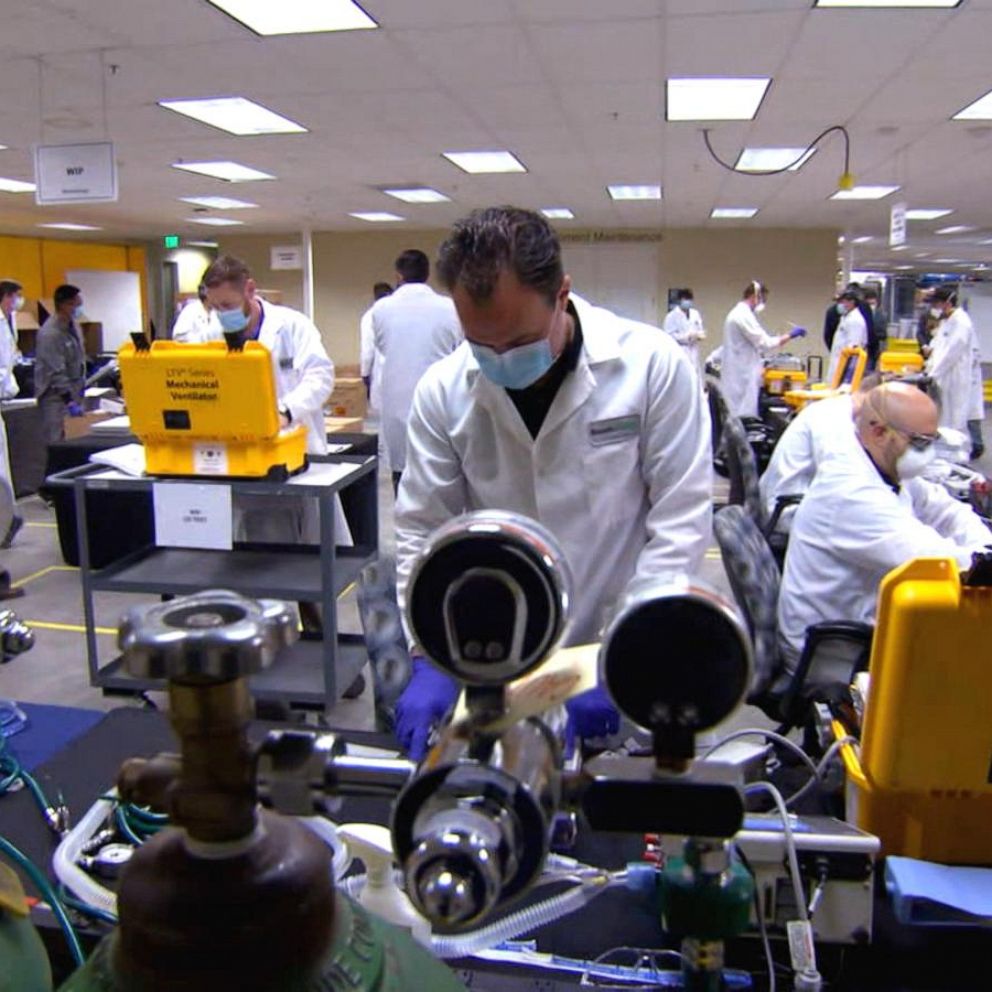

"I think what we’re learning is that the workers who have the ability to work remotely tend to be higher paid," Nunn said. "And a very large number of workers can't effectively work remotely, and a big fraction of them are doing work that is really essential to the continuing of our society."
"Given that some risks will likely remain, I think that we need to compensate workers better," he added.
If you are still going to work amid the crisis and think you are eligible for hazard pay, Nunn said he recommends looking to your union leaders and your elected officials.
"This is a great example of a time when a union is really valuable because it can negotiate with an employer for additional pay and better working conditions," he said.
"We also should look for a public policy response because it may be that, given these unusual and difficult circumstances, it will be difficult for workers to get an increase in pay," he added, noting that many employers are dealing with "fallen demands and shut downs."
"We may need to look to policy makers for some subsidies for those essential workers," he added.
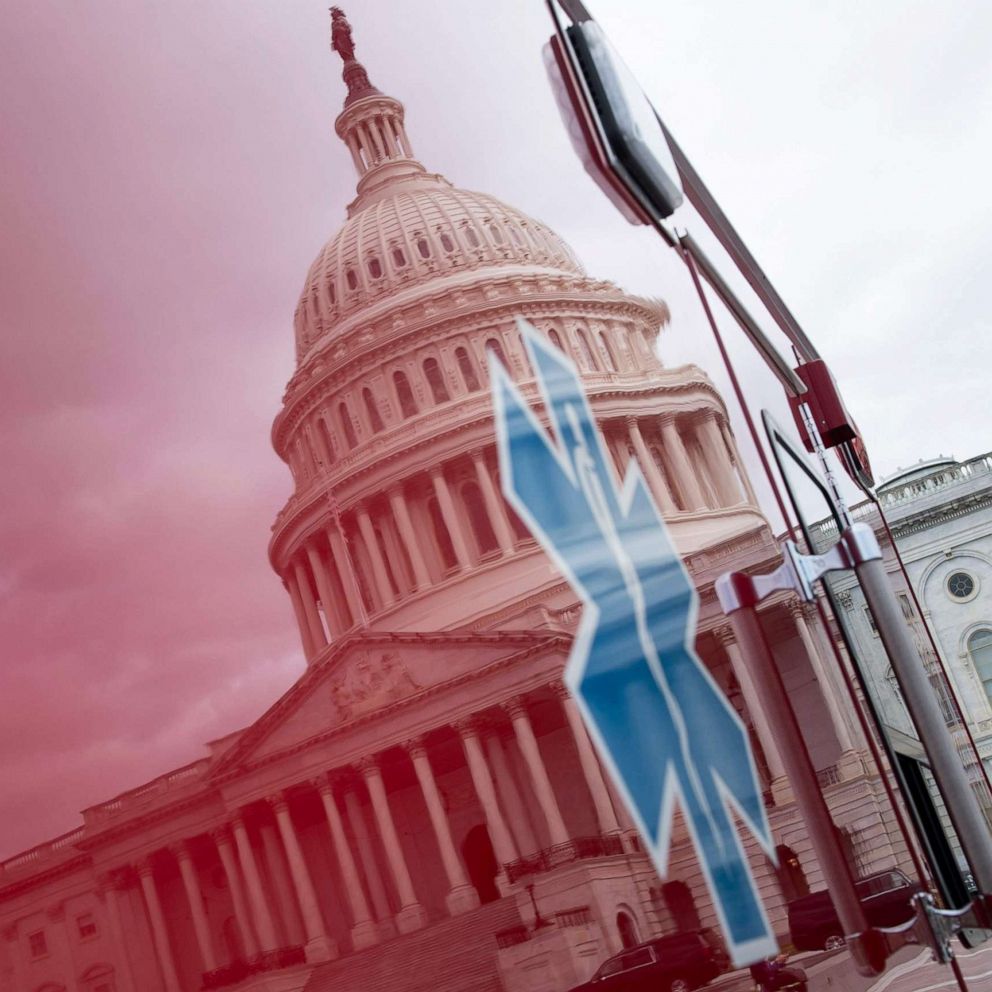
Earlier this week, when asked by ABC News' Kyra Phillips whether hazard pay for health care workers should be included in the "phase four" relief package from Congress, President Donald Trump said that it could come in the form of a bonus.
"I think it's something we are discussing in terms of bonus or bonus pay," Trump said. "It doesn’t have to be called hazard pay."