Health experts worry as Meta rolls back some COVID misinformation policies

Public health experts fear that Meta's decision to roll back some of its COVID-19 misinformation measures will lead to more disinformation about the virus, treatments for it and vaccines.
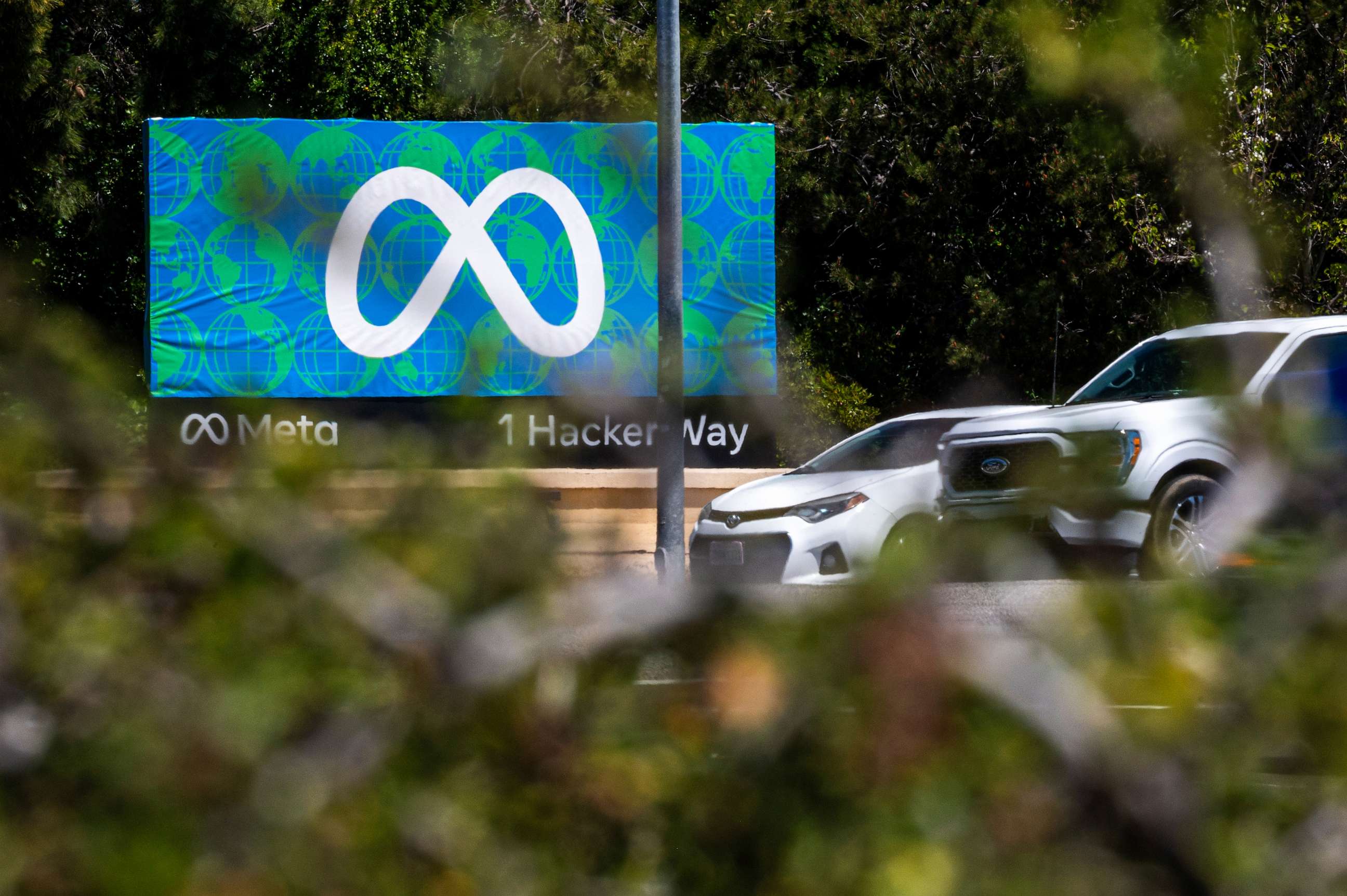
The company announced the changes on Friday after it asked its independent oversight advisory board whether it should continue its COVID-19 misinformation policy for Facebook and Instagram or take a "less restrictive approach."
In countries that still have a COVID-19 public health emergency declaration, the policies still stand and content that violates Meta's coronavirus misinformation policies will be removed. The policies will not be upheld in the U.S. due to the emergency expiring last month.
Meta said the World Health Organization downgrading the global public health emergency was a major reason behind the change.
"Our COVID-19 misinformation rules will no longer be in effect globally as the global public health emergency declaration that triggered those rules has been lifted,'" the company wrote in a statement. 'We are consulting with health experts to understand which claims and categories of misinformation could continue to pose this risk."
Infectious disease specialists told ABC News they are worried this misinformation and disinformation could reach vulnerable groups such as teenagers.
"One of the biggest challenges we faced with the pandemic, in some ways, was not the virus itself but it was the misinformation that was generated around the science of the virus and interventions that surrounded our control of the virus, whether that's vaccines, or masking, or therapeutics," said Dr. John Brownstein, an epidemiologist and chief innovation officer at Boston Children's Hospital and an ABC News contributor.
He continued, "That misinformation, it's been a threat to science for many years, and that's been amplified by social media."
This is not the first time that social media platforms have rolled back misinformation policies. Twitter announced it would no longer label or remove posts that have COVID-19 misinformation in November 2022, a month after Elon Musk bought the company.
Other platforms, such as YouTube, are continuing to keep their polices about COVID-19 misinformation and removing content that contradicts health authorities. Health experts say that despite COVID-19 cases and deaths remaining low, misinformation is still prevalent.
"The ramifications are huge because the pandemic is not over yet. The end of the emergency doesn't mean that it's still not a threat," Dr. Peter Chin-Hong, an infectious diseases specialist at the University of California, San Francisco, told ABC News.
According to data from the Centers for Disease Control and Prevention, the U.S. has seen more than 37,000 deaths from COVID-19 this year, which is more than seen in a typical flu season.
"We haven't even reached the midpoint of the year and there's still the potential for a winter surge," Chin-Hong said. "So I'm worried that this fuel of misinformation, and the megaphone of misinformation, is going to threaten how we deal with not just COVID but all respiratory viruses this particular season."
Both Brownstein and Chin-Hong recommended that people be careful about what they read online and look for trusted sources such as public health agencies.
"It's at some level challenging because [for] someone not trained in science, it may be harder to separate fact from fiction," Brownstein said. "But I would say, generally speaking, don't use social media as the core information source, especially when it comes to making personal health care decisions."