Health risks from ingesting microplastics in drinking water 'low,' WHO researchers say
The risk of ingesting microplastics in drinking water is low, according to a new report from the World Health Organization.
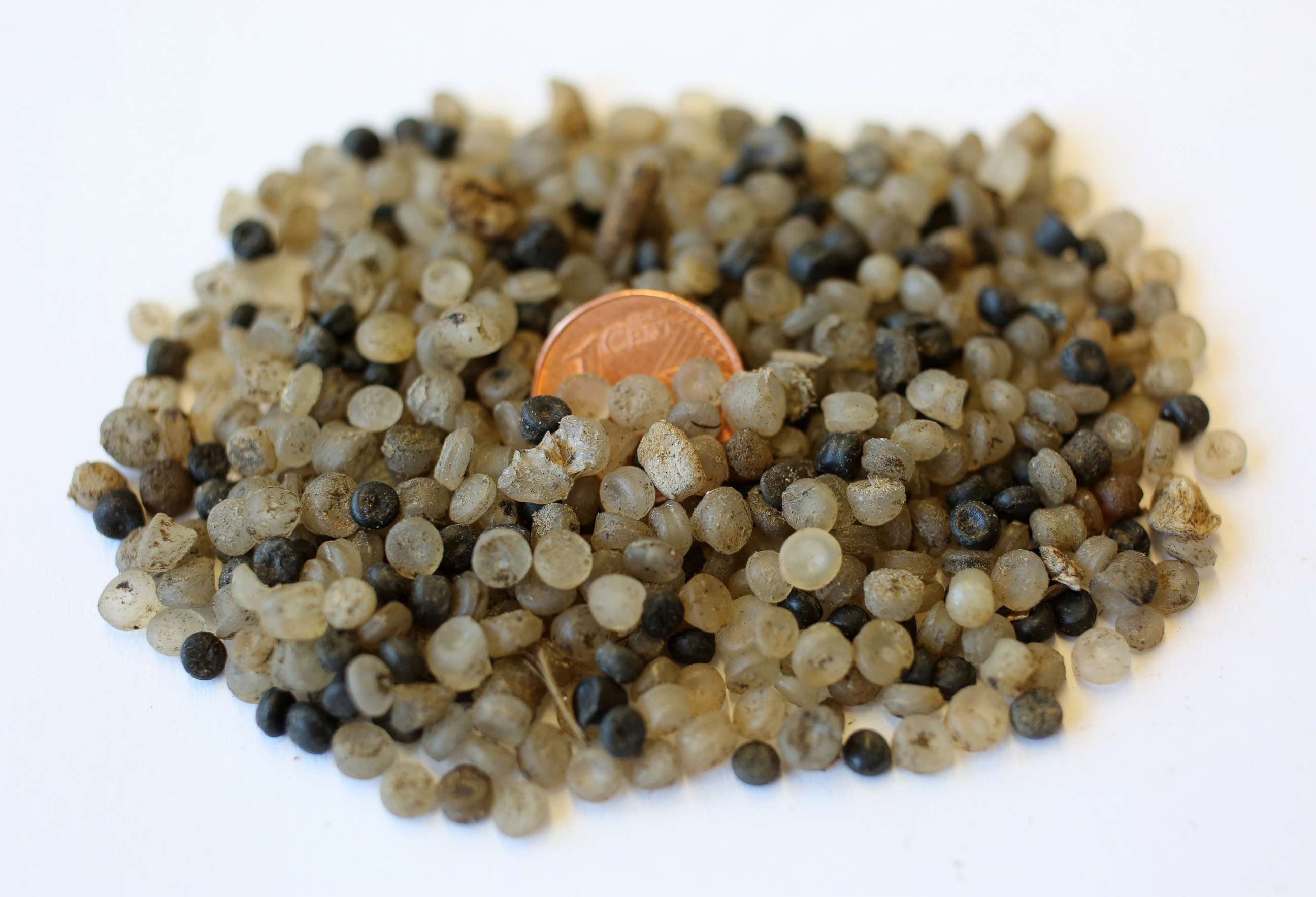
Microplastics, particles of plastic that have broken down to less than 5 millimeters in diameter, have been found in almost every source of water on the planet, from rivers and lakes, the ocean, wastewater and drinking water, said Bruce Gordon, coordinator of water, sanitation and hygiene for WHO's Department of Public Health, Environmental and Social Determinants of Health, in a call with reporters on Wednesday.
WHO researchers have determined that microplastics larger than 150 micrometers do not present any adverse effects to human health because they essentially pass through the gut without being absorbed, Gordon said. The determination is based on an assessment of existing studies on microplastics and drinking water as well as models created through those findings that represent worst-case scenarios of exposure to microplastics, according to the report.
MIcroplastics "shouldn’t be the top of anyone’s worry list when it comes to their overall health," Gordon said.
In addition, microplastics are "very, very small contributors" to what bacteria would normally colonize on, such as biofilms, which form when microorganisms grow on pipes for drinking water and other surfaces, Gordon said.
"Although there is insufficient information to draw firm conclusions on the toxicity related to the physical hazard of plastic particles, particularly for the nano size particles, no reliable information suggests it is a concern," according to a press release from WHO.
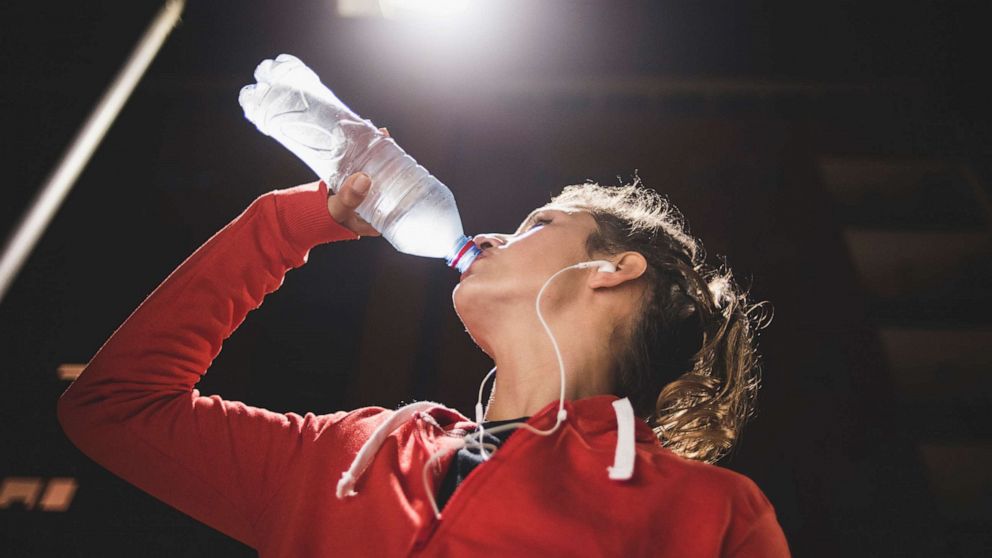
While overall more microplastics have been found in bottled water, the researchers expressed concern over the way the samples were taken, asking the public to practice healthy skepticism and calling for an established standard method for measuring microplastics in freshwater.
Wastewater and drinking water treatment systems, when operated efficiently, can significantly reduce the amounts of microplastics in the water, Gordon said.
However, the researchers acknowledged that their assessment was based on limited evidence and called for more research to be done on microplastics.
The top priority is forming a better understanding of how microplastics end up in the water cycle, said Jennifer de France, technical officer for WHO's Department of Public Health.
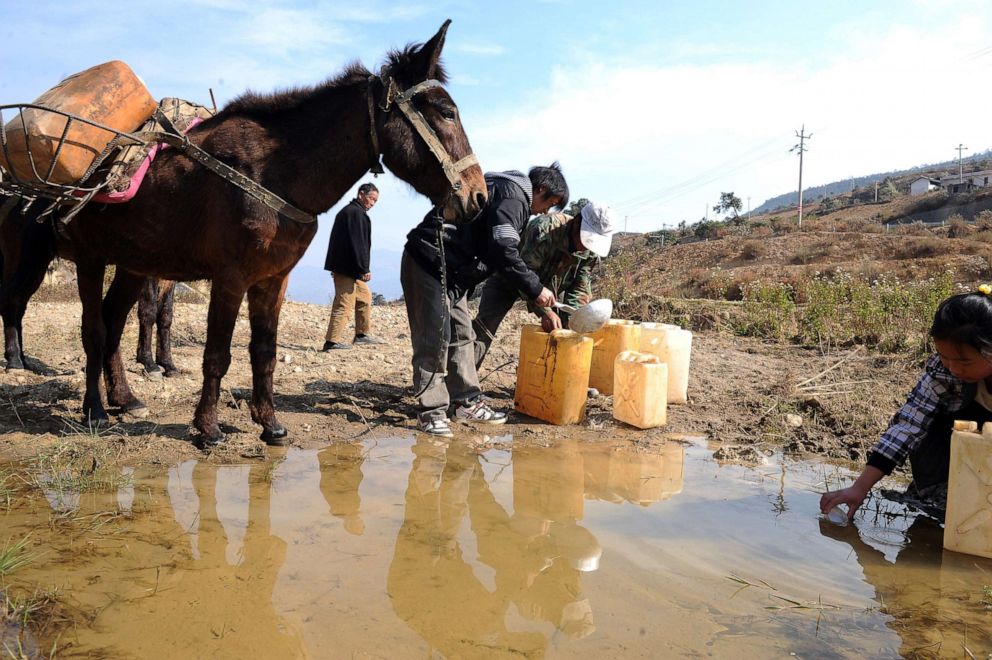
The more pressing matter concerning drinking water is the estimated 2 billion people who drink water contaminated with fecal matter, which researchers believe leads to nearly 1 million deaths per year, Gordon said.
"That has got to be the focus of regulators around the world and we don’t recommend that regulators be monitoring for microplastics routinely," he said.

A "substantial proportion" of populations around the world do not have access to effective water treatment, De France said.
"So, that should be a priority as well," she said, describing the initiative as a "win-win" that will remove microbial pathogens, resulting in the reduction of diseases and a decrease of microplastics.
WHO researchers are also calling for a global reduction of plastic pollution and will direct future research on a broader assessment of microplastics in the environment, including through food and air.
Gordon suggested that people who are concerned about plastic pollution and microplastics drink tap water if they have access to a well-managed water supply.