When I heard Martin Luther King was shot, I thought: 'Maybe he'll survive': Reporter's Notebook
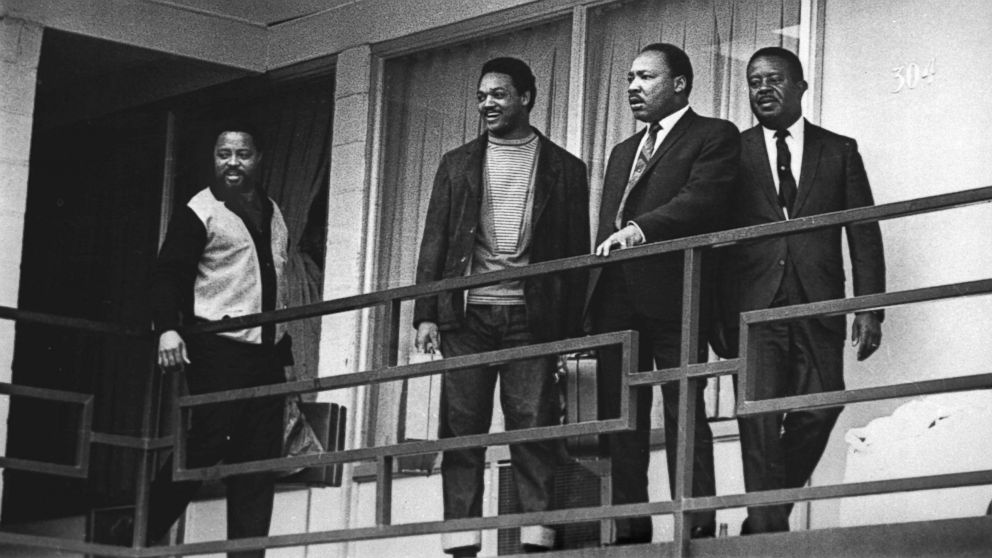
Fifty years later, the details of that day are hazy. The numbing shock is what I remember.
The first reports were sketchy. Martin Luther King Jr. shot in Memphis ... taken to a hospital ... in surgery. I thought: Maybe he’ll survive. Maybe it wasn’t so bad. But I don’t think I really believed that. The dreadful suspense didn’t last very long. Word soon came that he was dead. I don’t remember how I heard that. Probably from my parents, but I don’t know.
Today, Martin Luther King Jr. is an American hero – like Kennedy and Lincoln.
There’s a national holiday for him, though its establishment came neither easily nor quickly. Every school child knows who he is, or at least knows his name anyway. But tens of millions of Americans, two generations now, have no living memory of him as a person. I do.
It is impossible to describe what he meant to black Americans while he lived.
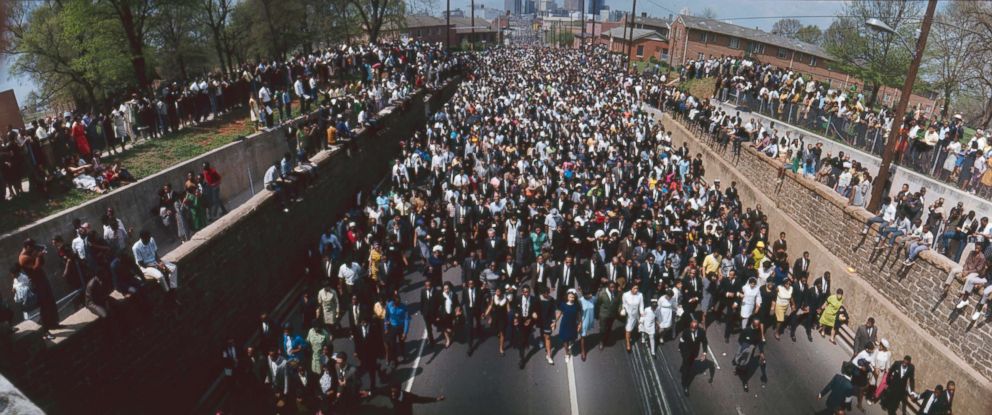
The press called him a civil rights leader, and I suppose that’s technically correct. But he was so much more. He was a towering presence, an inspiration, a source of pride and, something rare: A person who was a recognizably great man in his own lifetime although he was reviled by many, which is probably the price of greatness.
There were those who despised King and everything he stood for. One of them killed him.
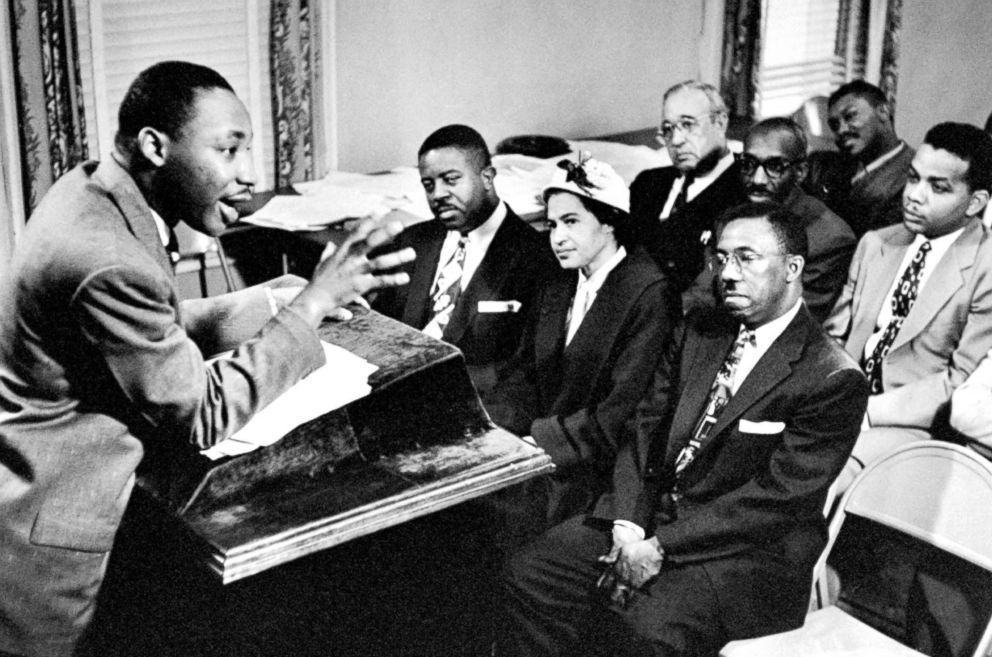
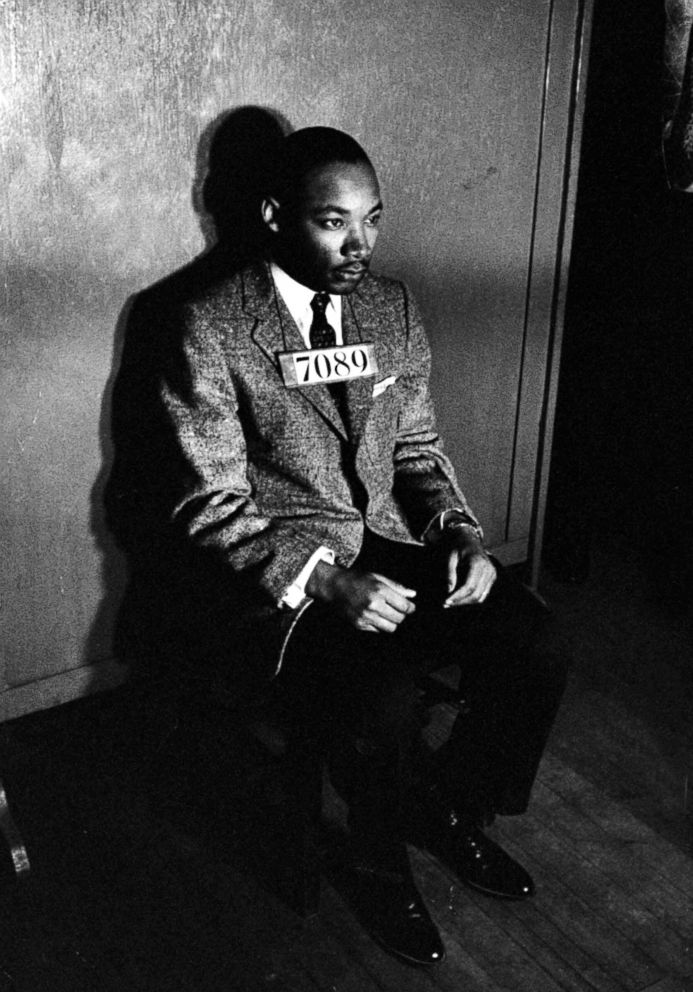
Martin Luther King Jr.: A life in pictures
Photos through the life of Martin Luther King Jr.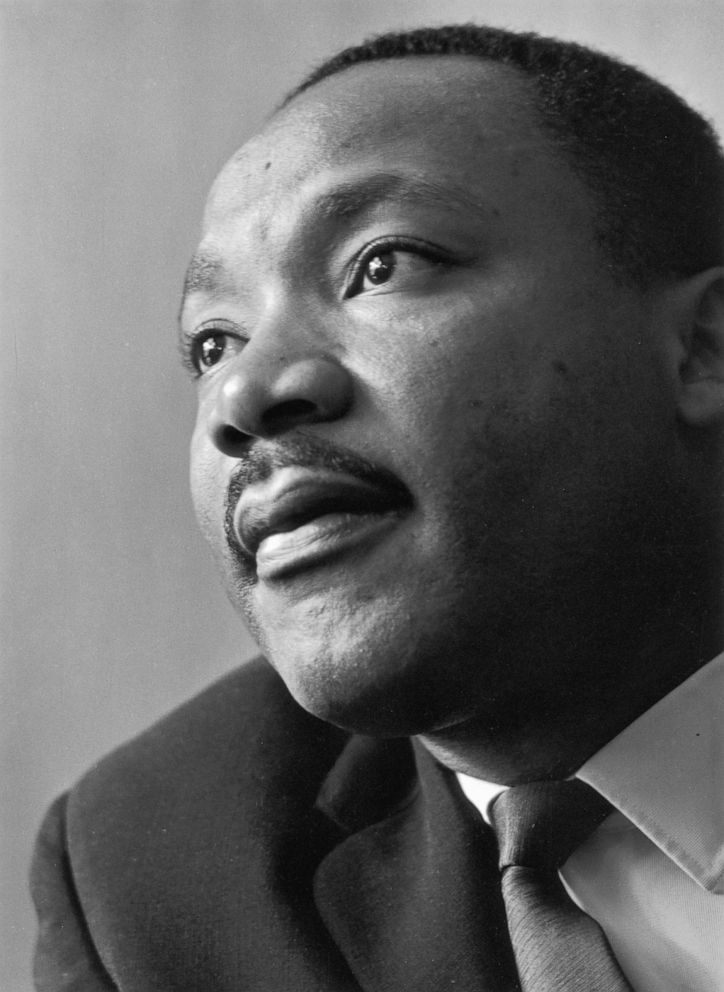
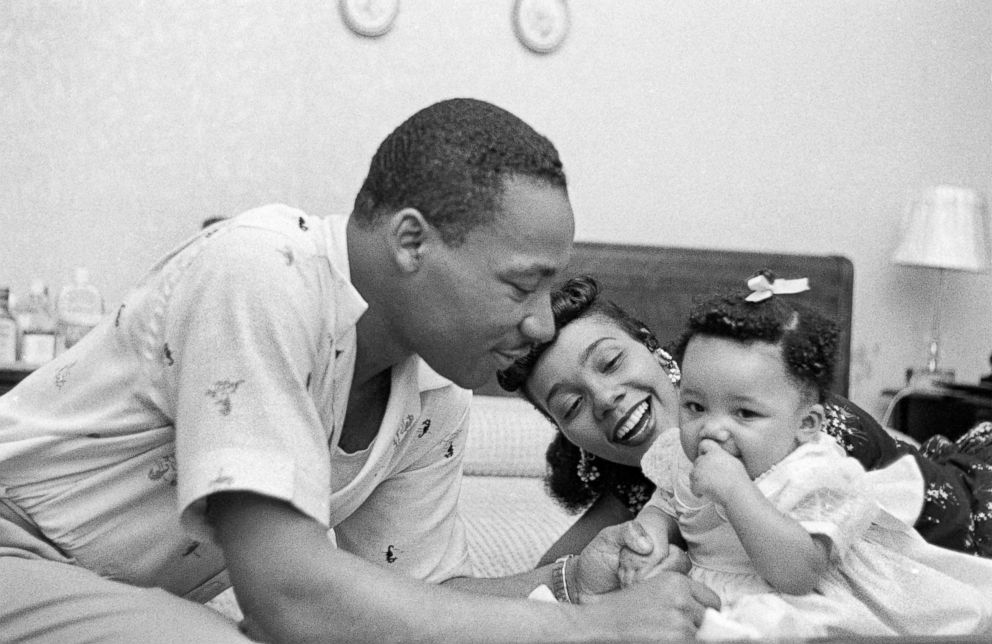
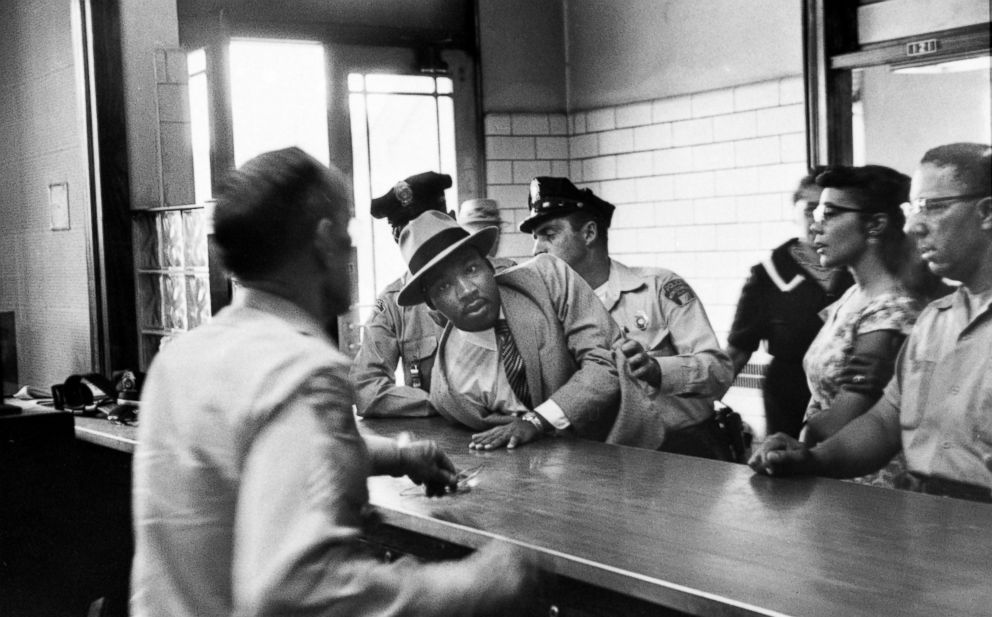
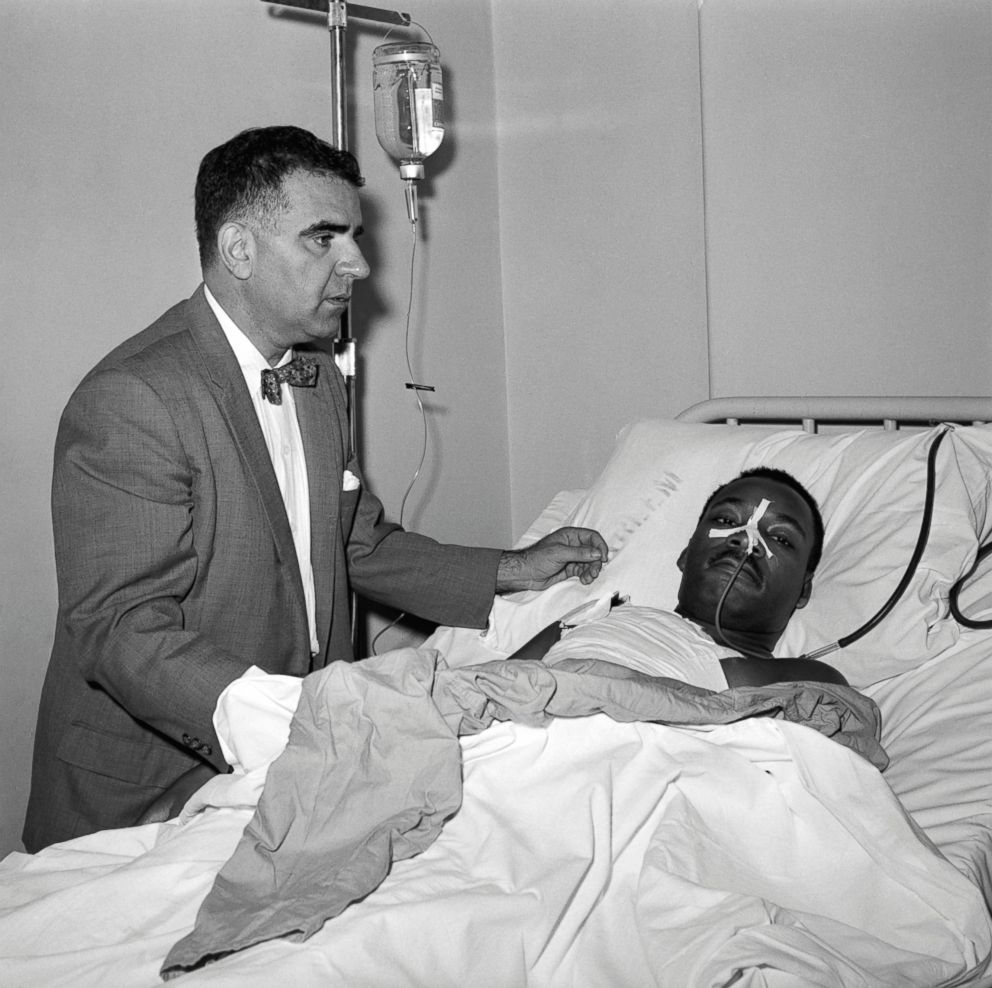
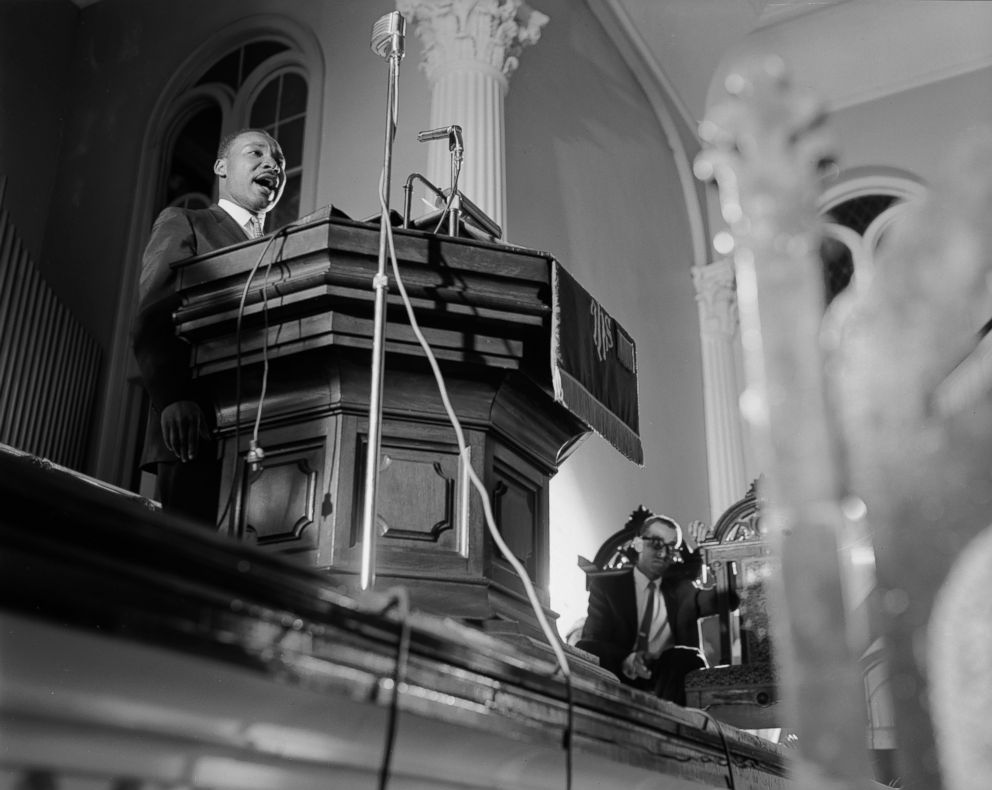
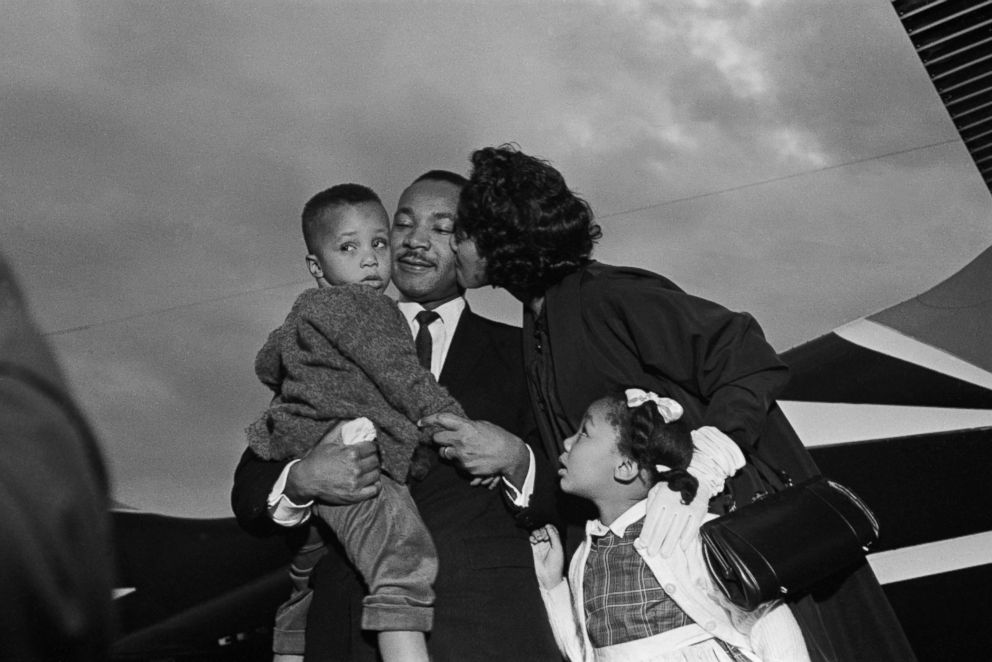
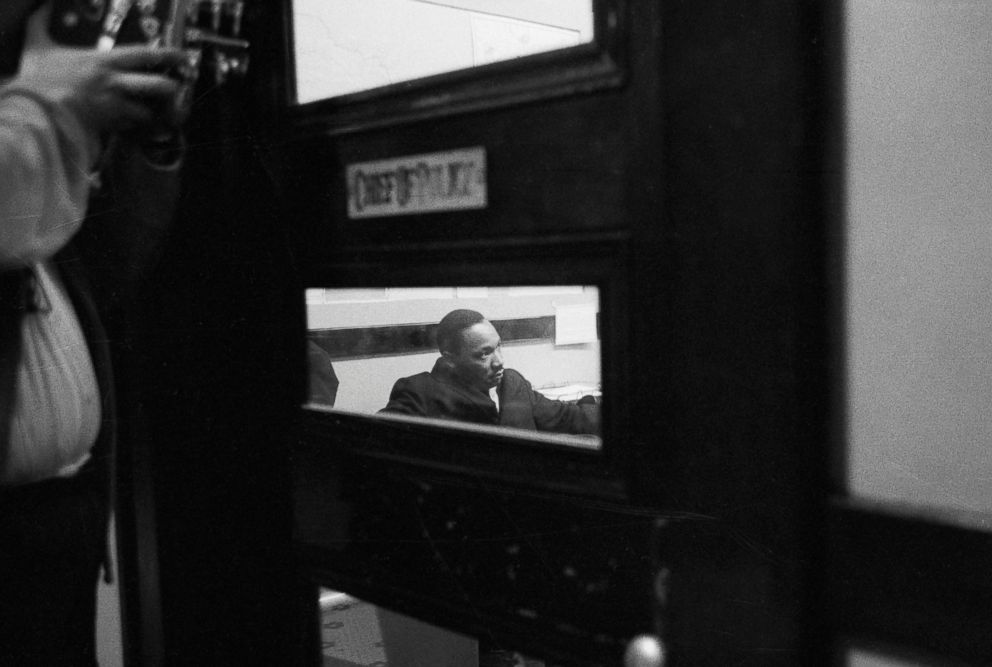
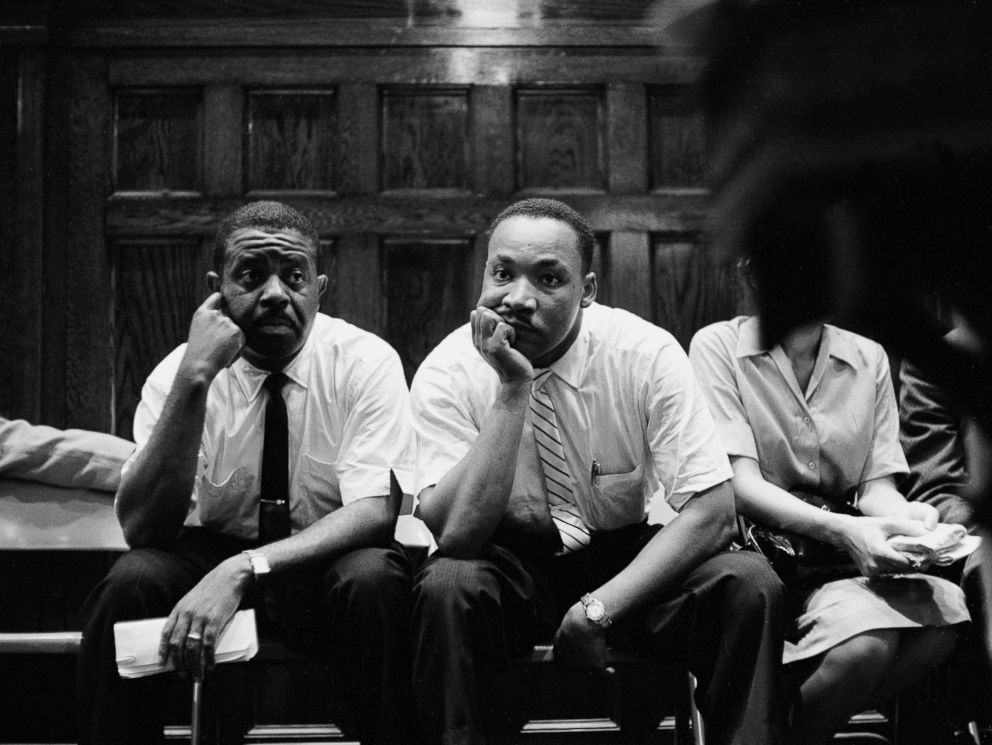
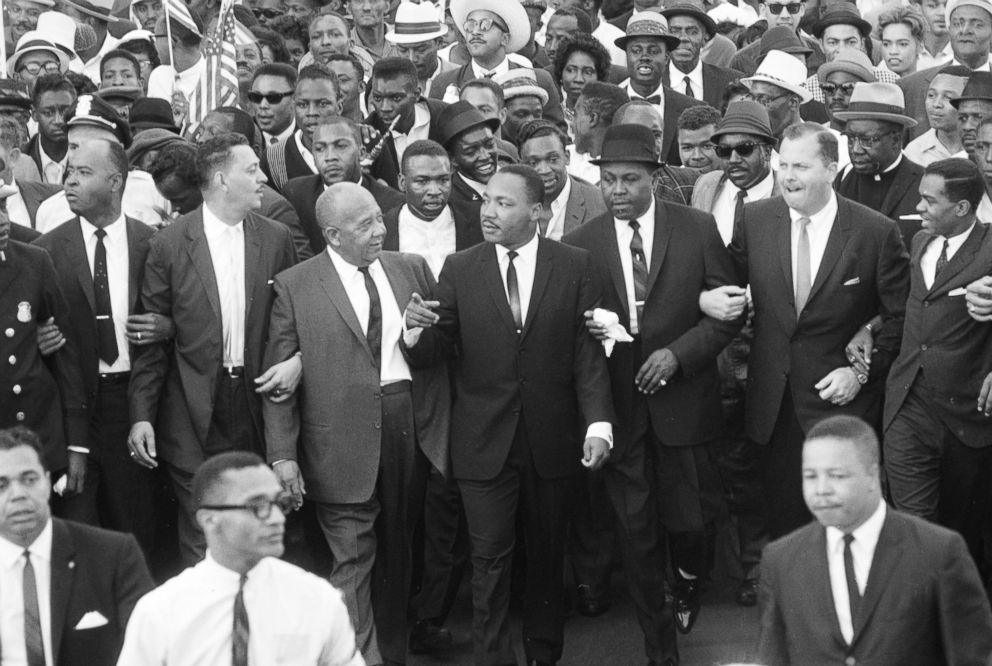
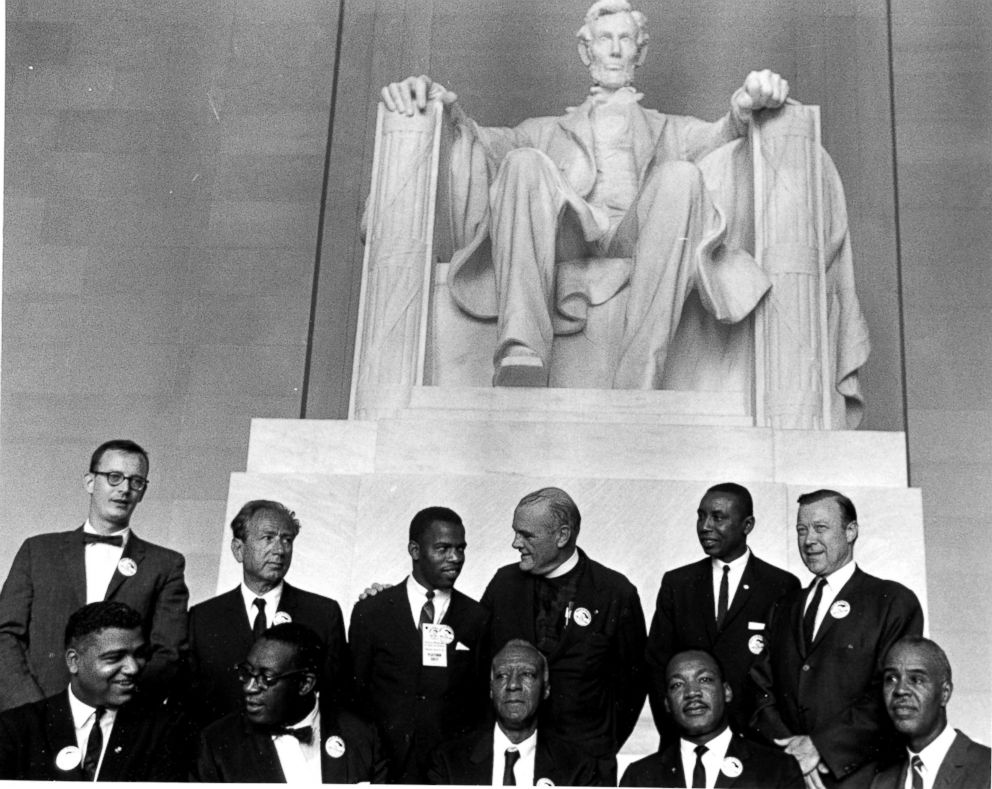
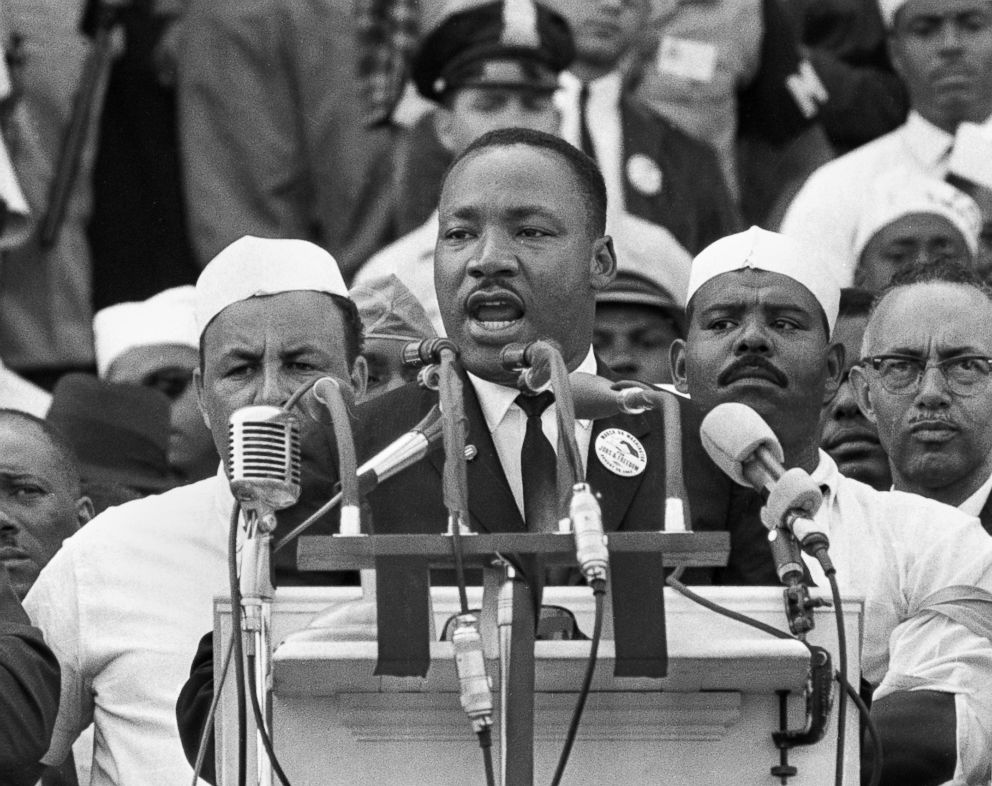
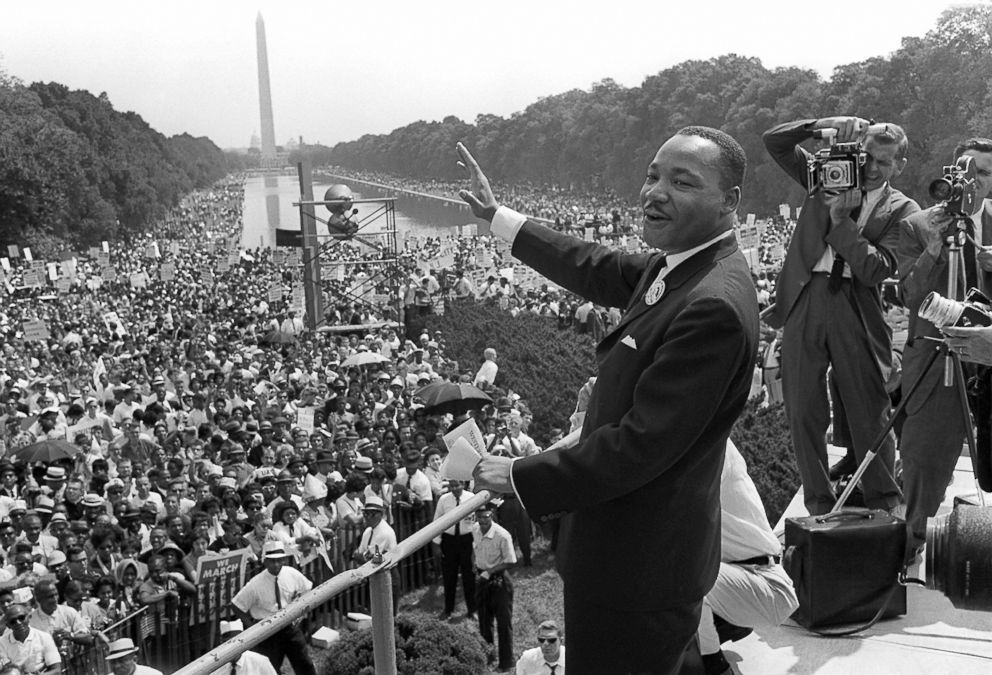
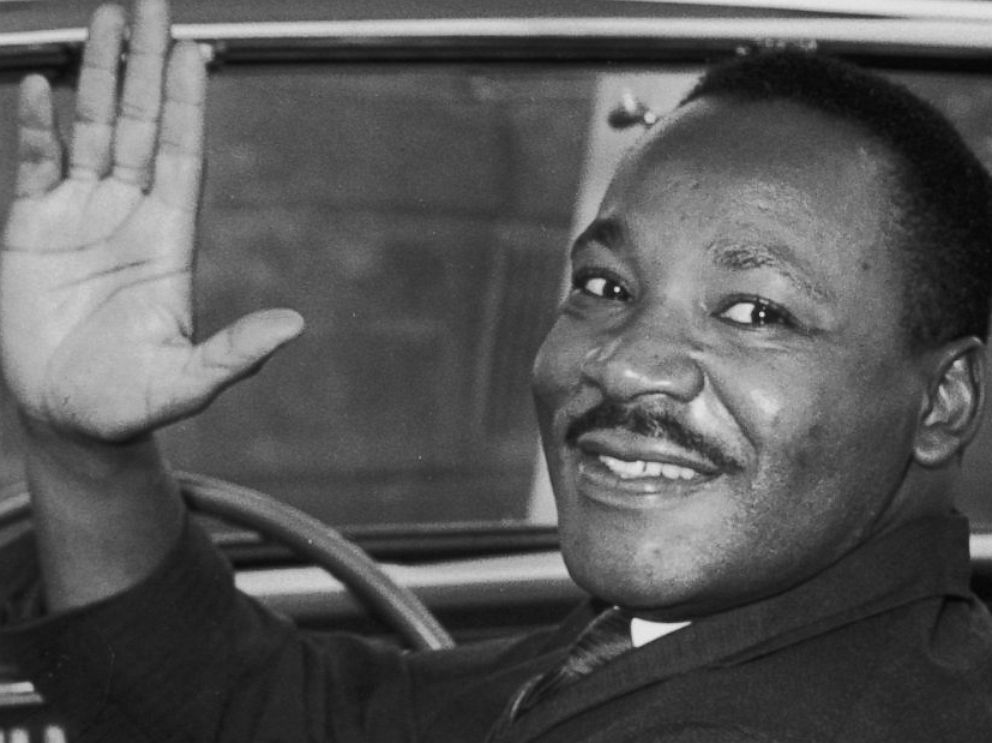
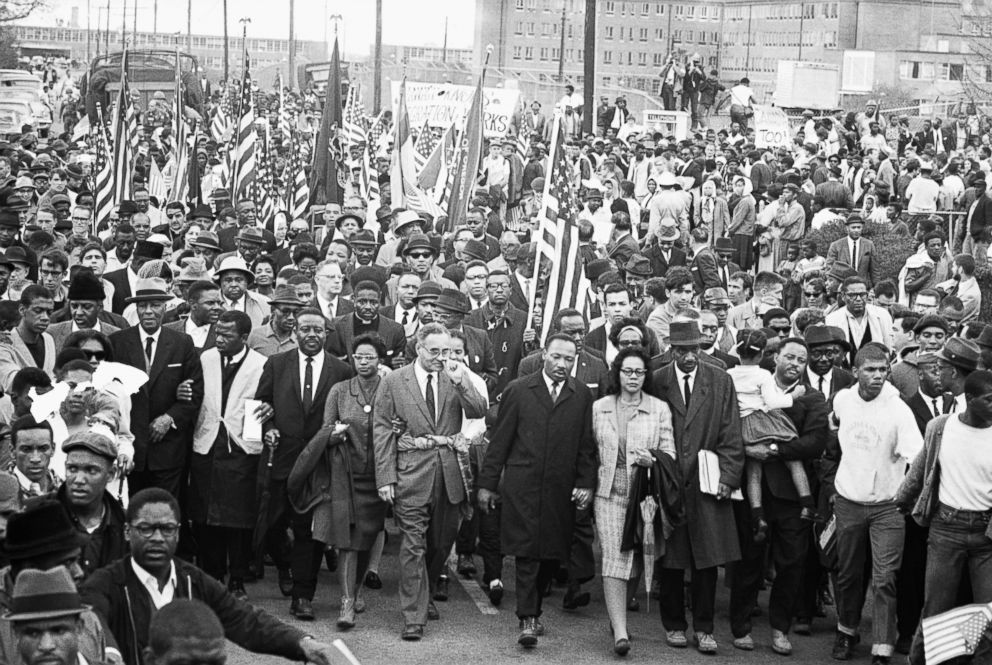
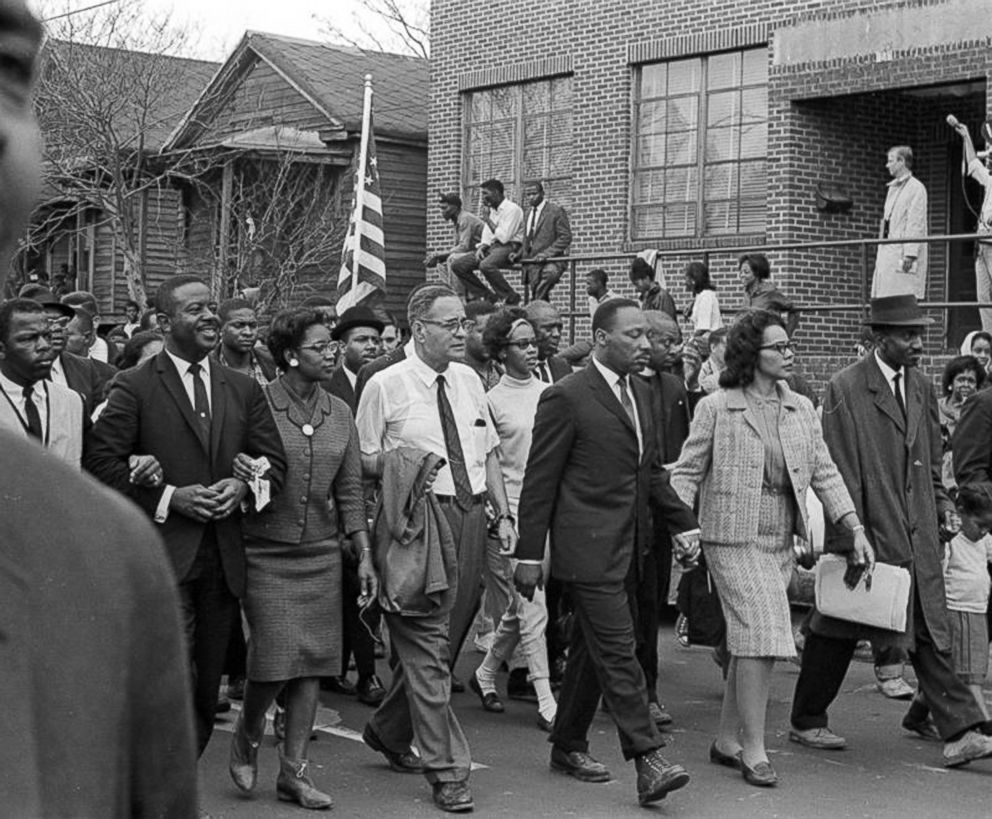
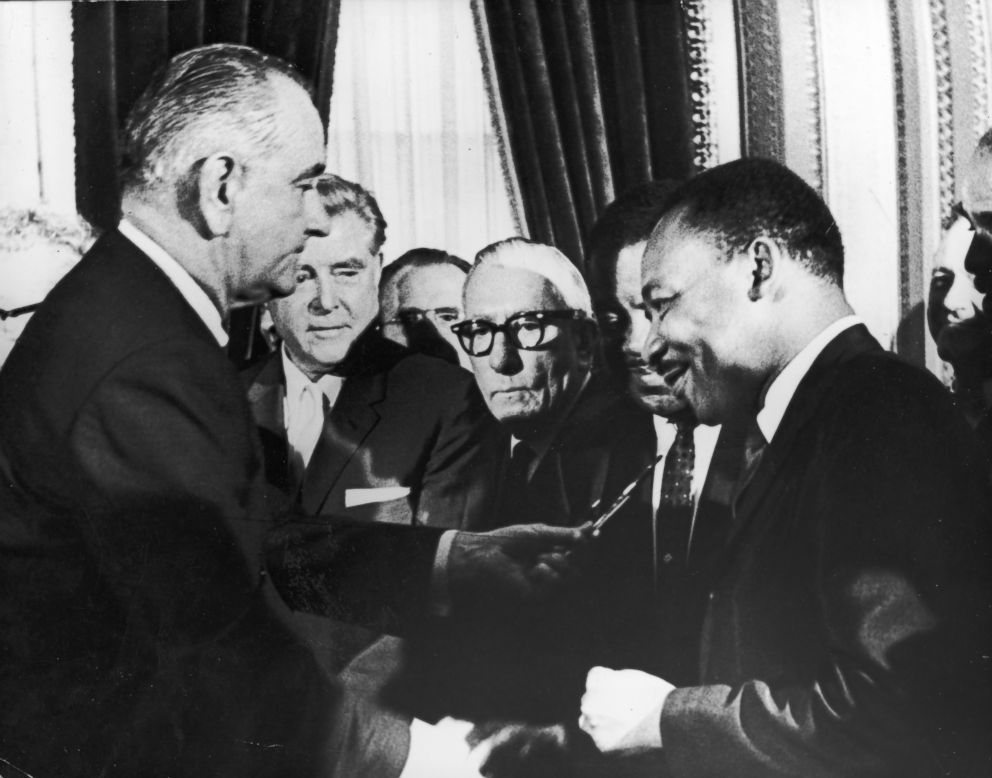
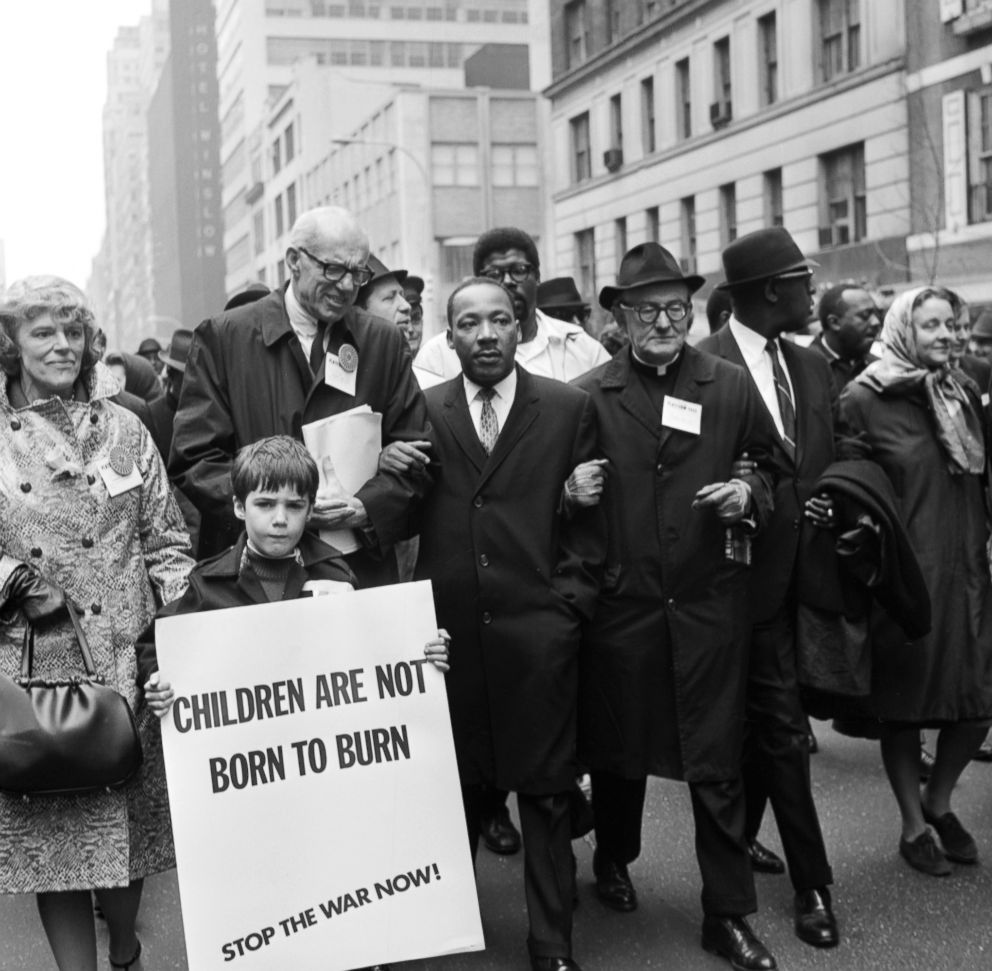
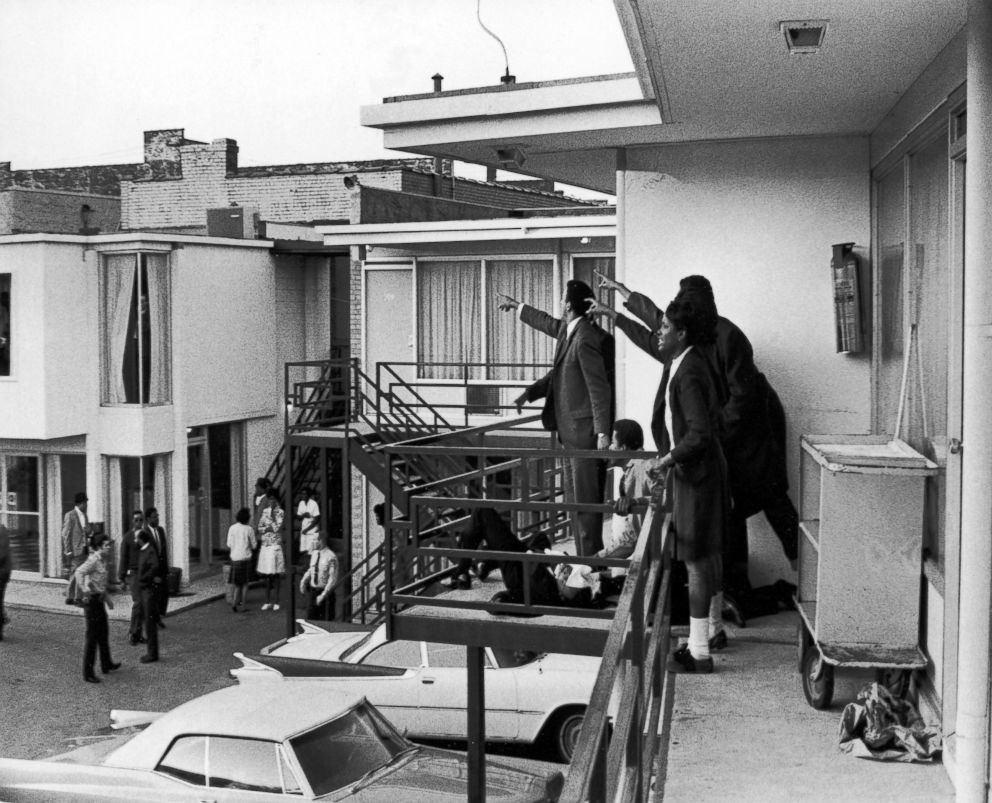
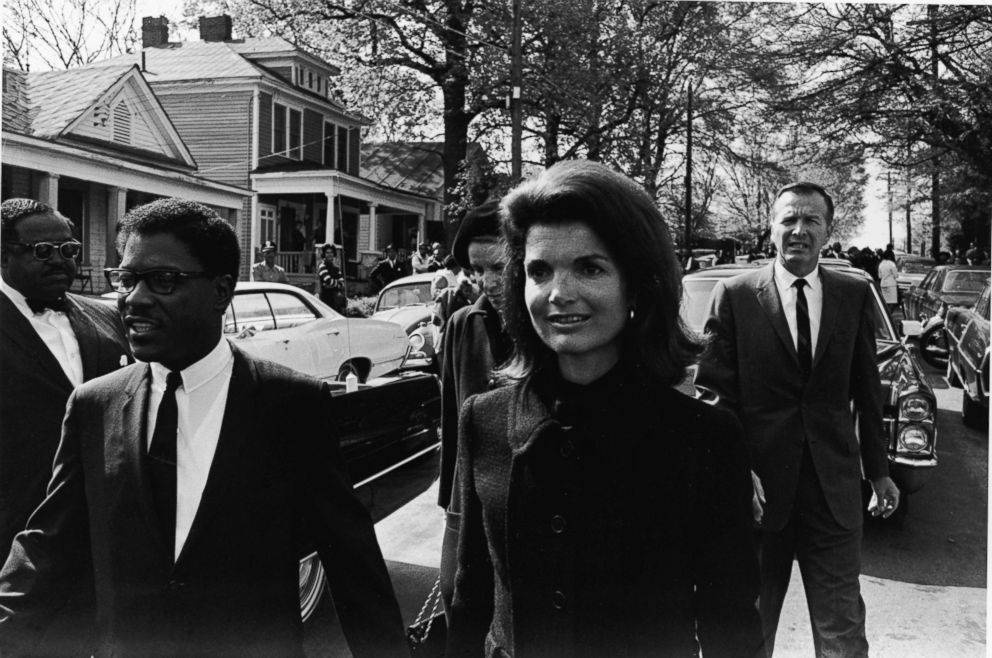
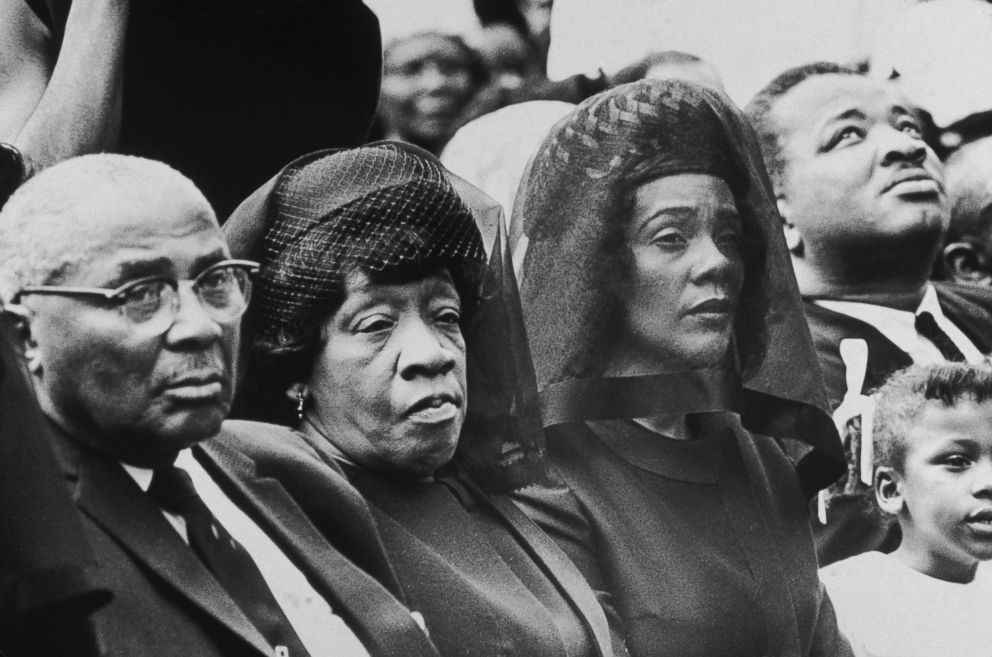
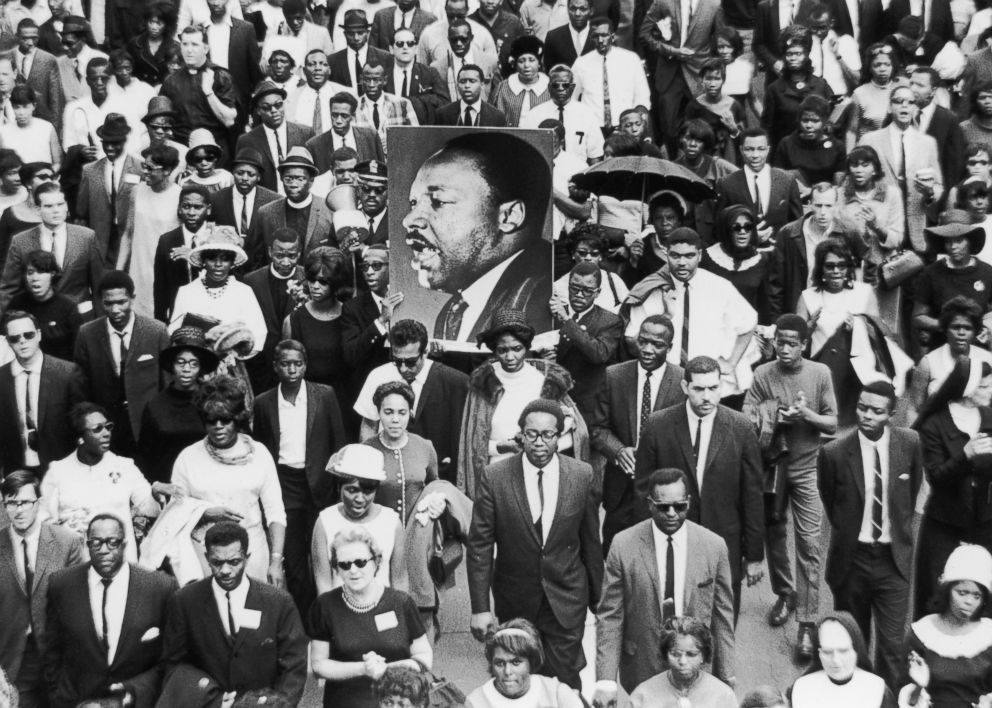
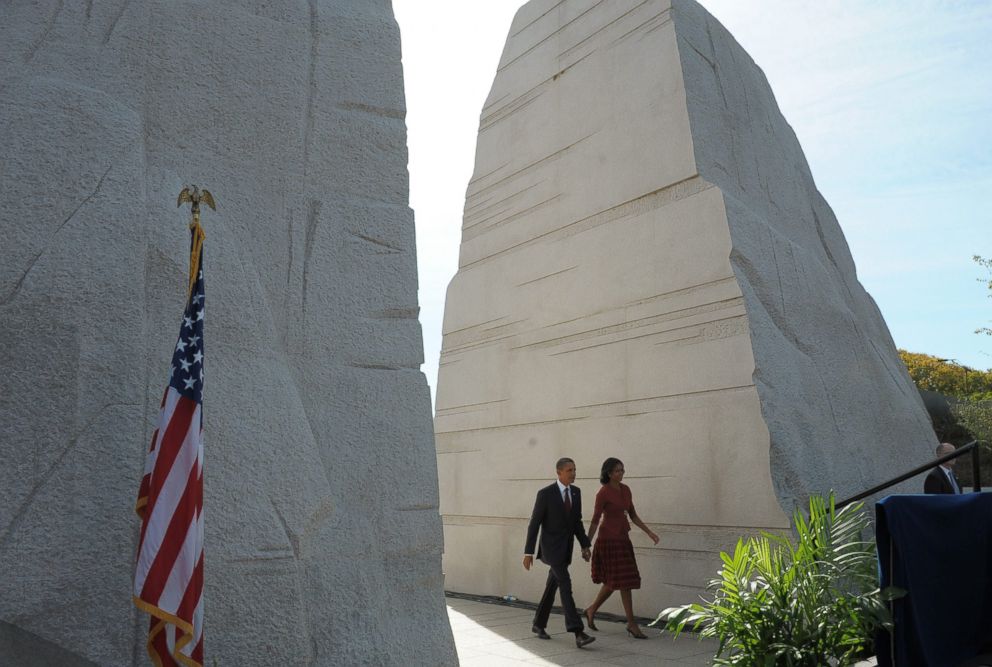
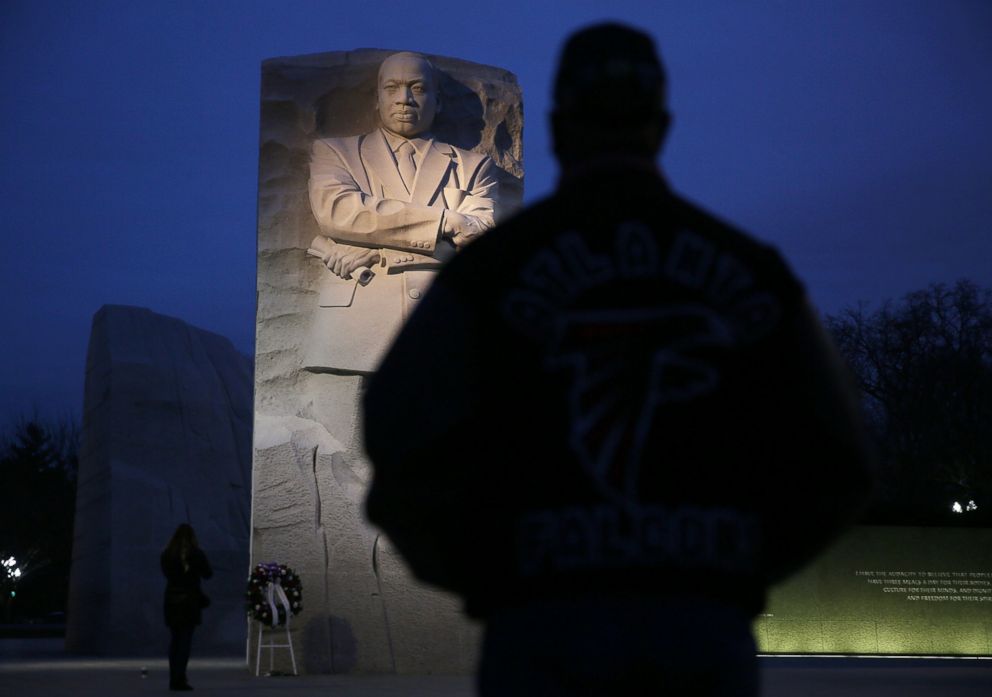
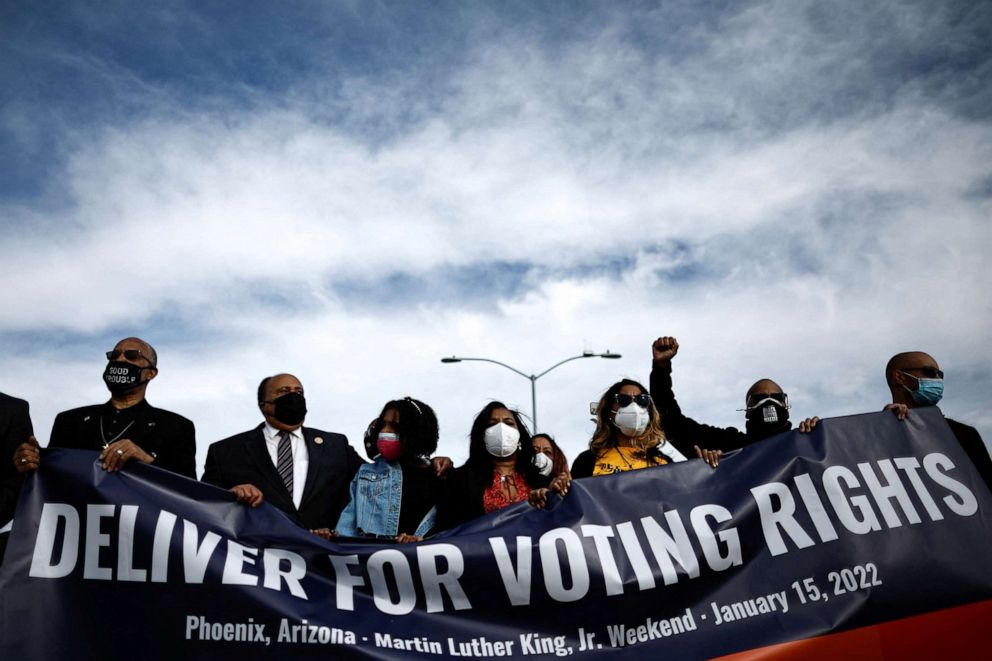
The day after King was slain, I saw my friend Brent just before school. He said, “They killed our leader.” They. I understood what that meant. A lone gunman may have committed this act but really “they” did this — the haters. What had happened was an act of vengeance on a far larger scale than just one person committing a murder with a gun. This was an act of terror, a warning to black Americans: This is what happens when you push too hard.
At home that night, we watched the coverage on television. They showed the motel where it had happened. The rifle that was used. We were told the suspect had escaped (what???!!!) And over and over again in the days that followed were the stirring excerpts from the speech King had given the night before he was killed. “I’ve seen the promised land,” he said, “I may not get there with you … We, as a people, will get to the promised land.”
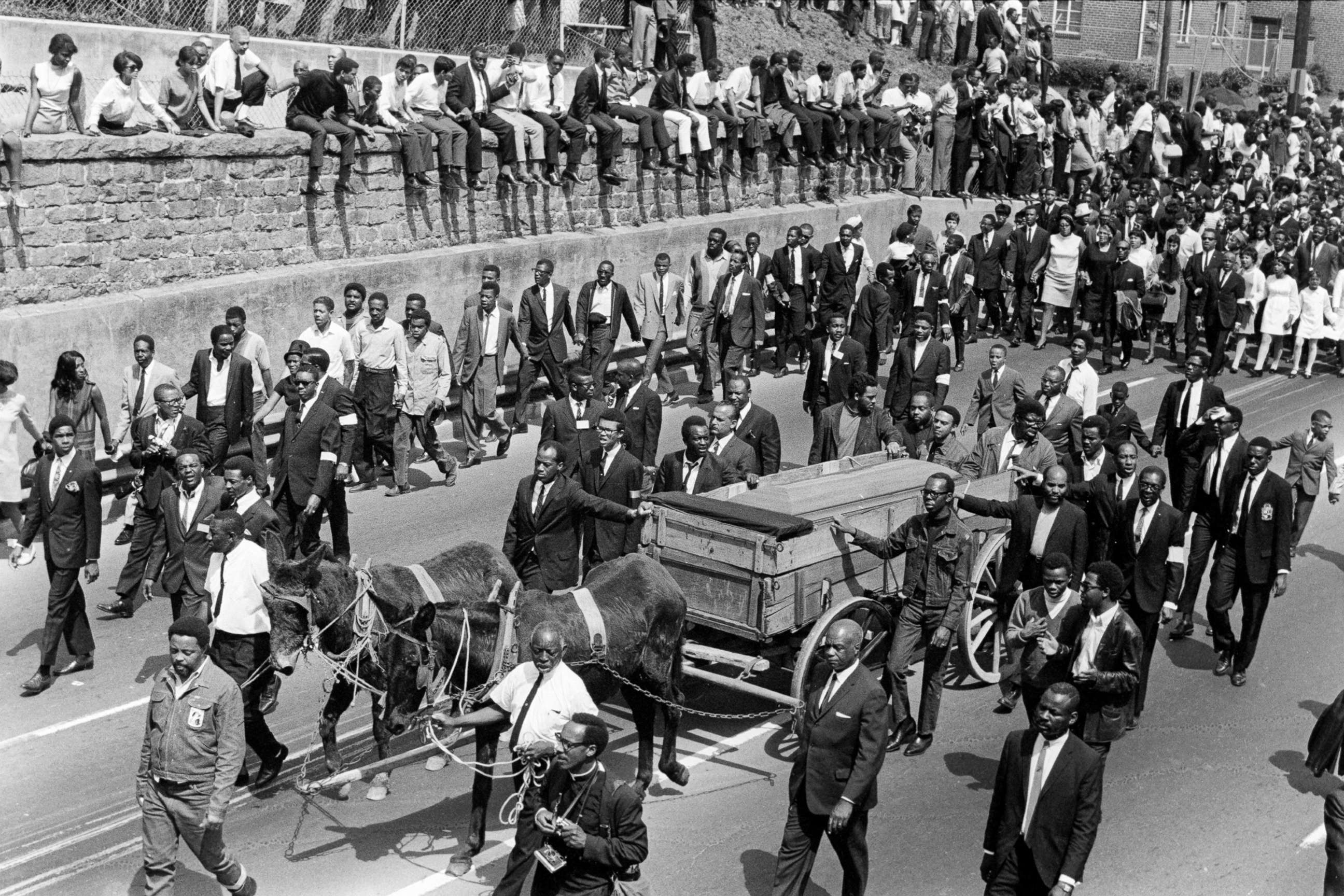
My father was born and raised in Charleston, South Carolina. My mother is from Talladega, Alabama. Both came up under the suffocating oppression of legal segregation. They moved to California where my brother and I were born and brought up.
California wasn’t exactly a racial paradise but we were protected or at least kept away from the worst, most overt manifestations of racism. Still, it was impossible to come of age as a black person the 1960s and not be acutely aware of the civil rights struggle that was sweeping across the country and the virulent and often violent reaction to it.
King led and personified that struggle. He spoke for us with powerful, persuasive, morally-infused words -- lofty language delivered in the accent and cadence of the black South.
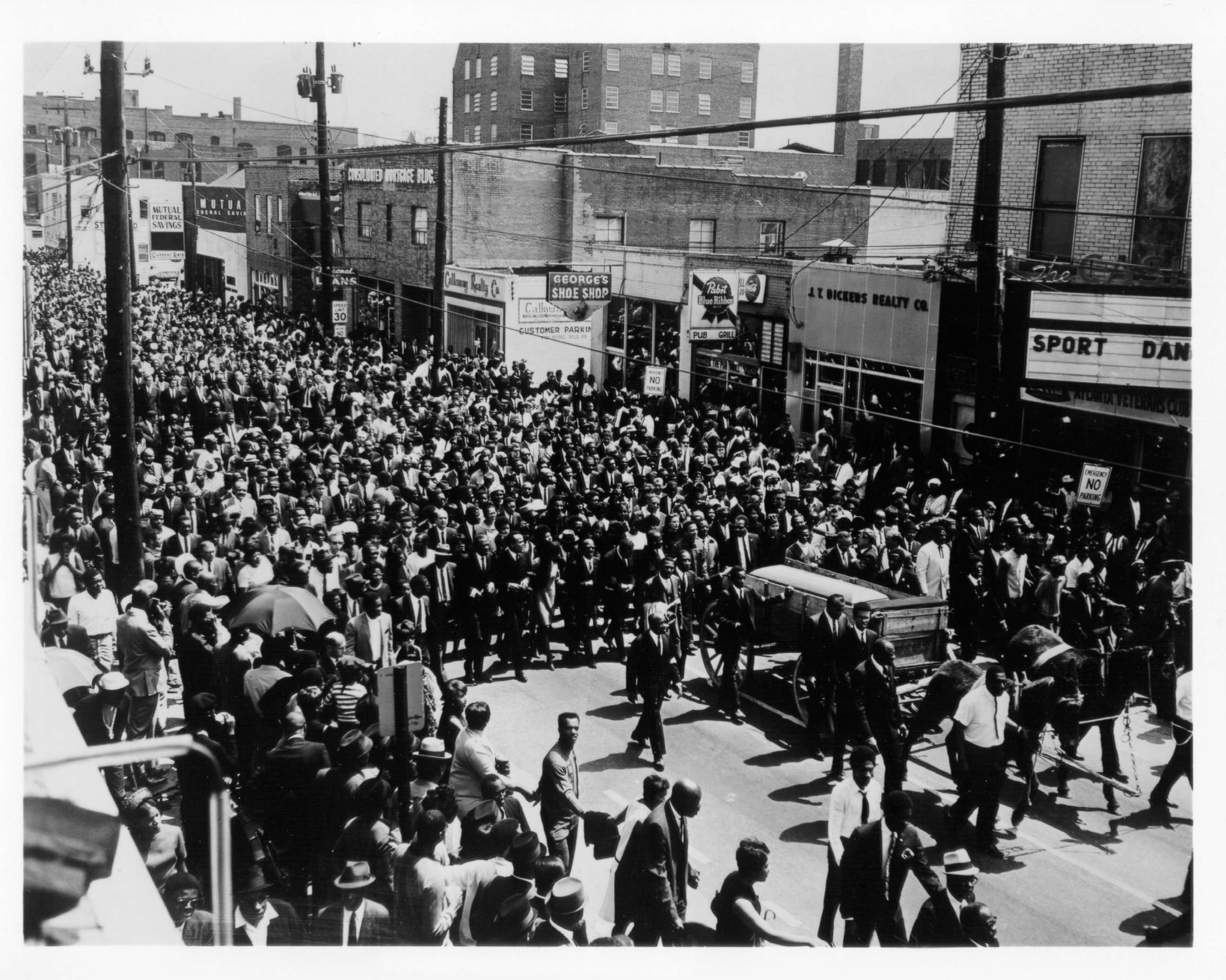
I remember the soaring rhetoric when he spoke from the steps of the Lincoln Memorial in 1963.
I remember my father bringing home a copy of Time magazine with Martin Luther King Jr. on the cover. It was 1964, the year King was awarded the Nobel Peace Prize. My dad was so proud. He said he never thought he would see the day when a black person would be given the Nobel Peace Prize (actually the diplomat Ralph Bunche had won it years before in 1950.)
I remember when King spoke out against the Vietnam War in 1967 and realizing he was so much more than just a civil rights leader.
Now, half a century later after his killing, Martin Luther King Jr. is a legend. As time passes, the number of us who were alive when he was alive will decline. Soon he will be only the hazy image of an icon. He will become unimaginable as a person.
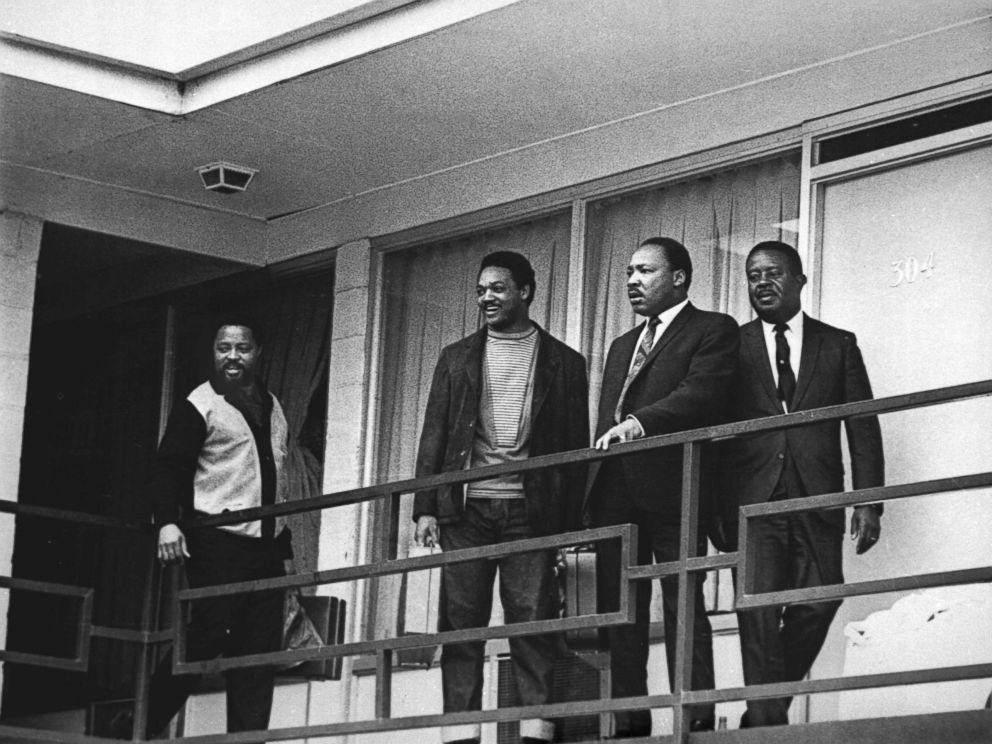
What will matter 50, 100, 500 years from now will be the man’s ideas and ideals, his goal of a better, fairer, more loving country and world. King risked and ultimately sacrificed his life – he was just 39 when he died -- in the belief that such a future was possible. He said the arc of history is long but it bends toward justice. He allowed us to believe that too.