How historic blizzard that hit the Northeast compares to past storms
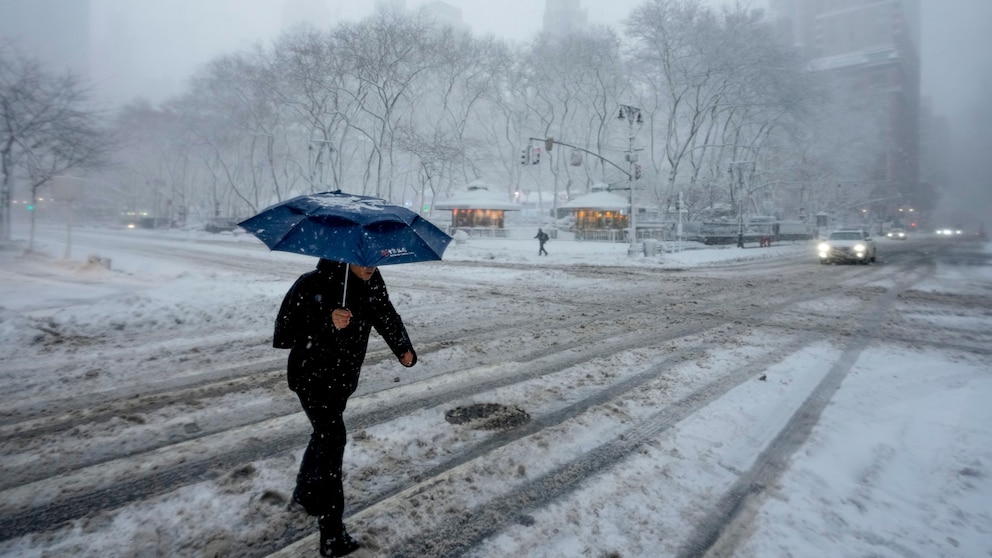
A massive winter storm has dumped more than a foot of snow across several states in the Northeast.
Parts of New Jersey and New York received more than 2 feet of snow while New York City was under a blizzard warning for the first time in nearly a decade.
Here's how this snowstorm compares to those from years past.
February 2026
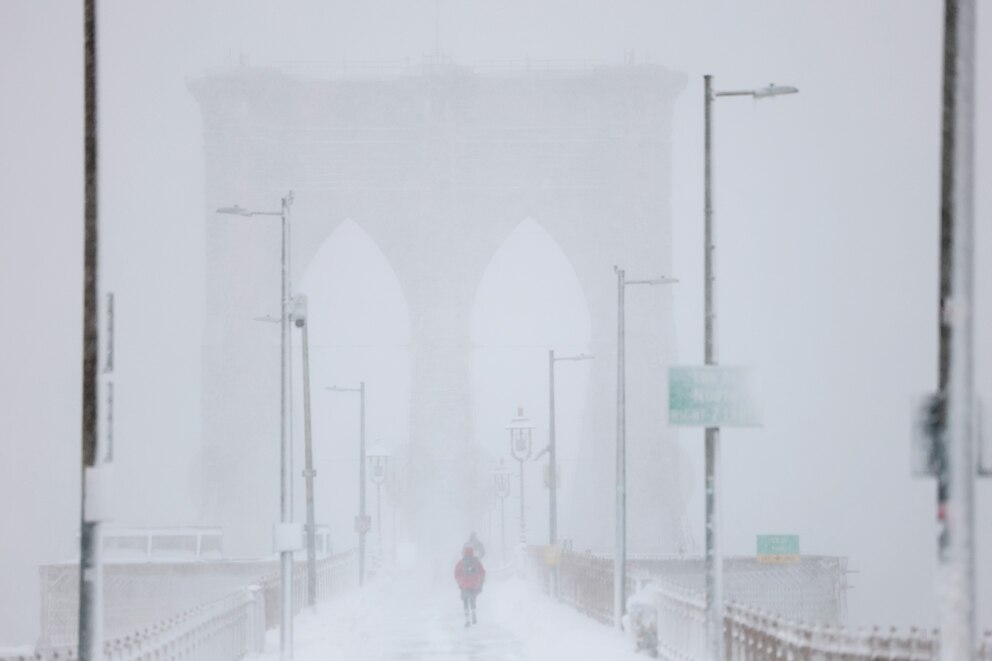
Snow began falling on Sunday, Feb. 22 and totals have topped 2 feet across the Northeast as the monster storm slammed the region.
Totals so far have hit a whopping 27 inches near Westhampton, New York; 26 inches in Richmond, Rhode Island; 24 inches in Swansea, Massachusetts; 22 inches near Chester, Connecticut; and Langhorne, Pennsylvania; and 19 inches in Bethel, Delaware.
Philadelphia has recorded more than 14 inches, marking the city's biggest single snowfall in 10 years, while Freehold, New Jersey, is buried under more than 2 feet of snow.
January 2016
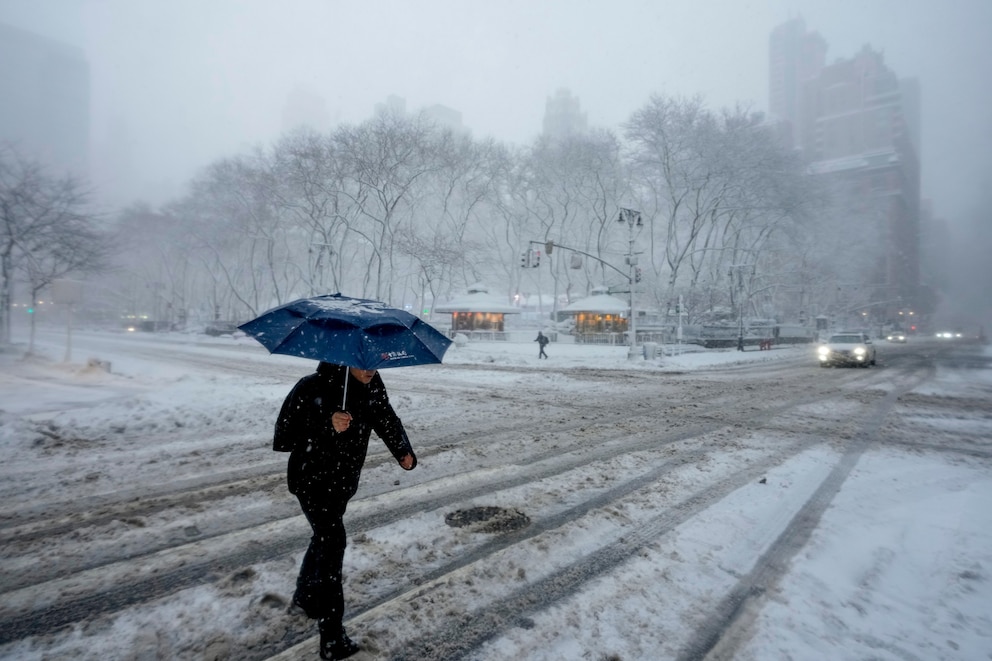
A 2016 blizzard -- sometimes referred to as Winter Storm Jonas -- affected 103 million people across the Northeastern and Mid-Atlantic U.S. between Jan. 22 and Jan. 24.
Blizzard conditions were observed throughout in New York, New Jersey and Connecticut, according to the National Weather Service (NWS).
More than 2 feet of snow fell in northeast New Jersey, New York City and Long Island while about 1 foot of snow fell across parts of New York's Lower Hudson Valley and southern Connecticut, NWS data shows.
In Central Park, 27.5 of inches of snow fell, marking the highest snowfall in New York City history since totals began being recorded in 1869.
February 2006
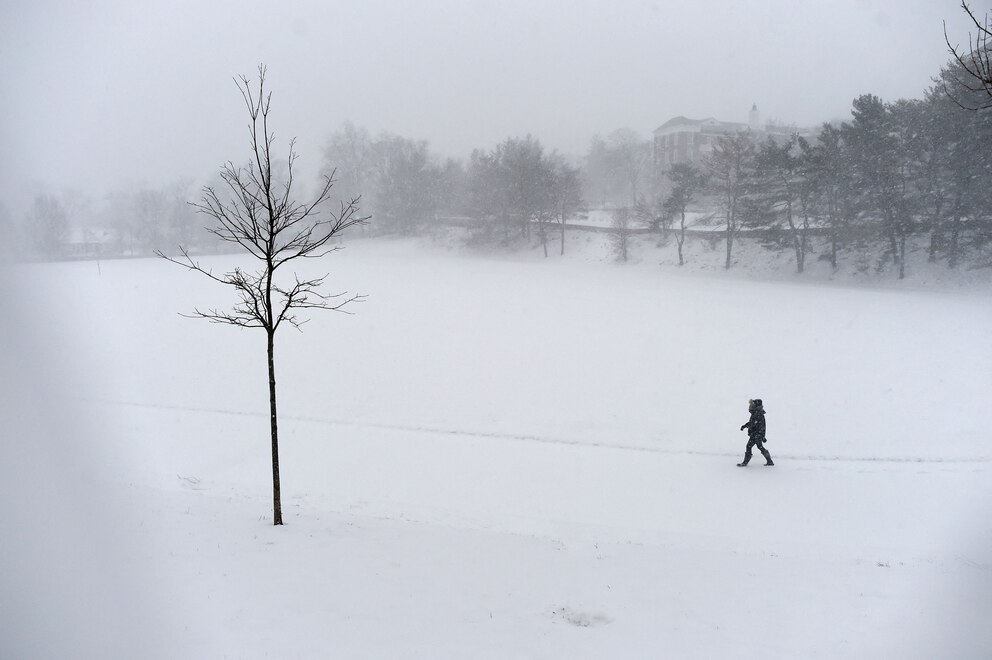
After quiet winter months in December 2005 and January 2006, a record blizzard between Feb. 11 and Feb. 13 impacted New England, the Northeast and the mid-Atlantic.
In New York City, snowfall reached 3 inches per hour and, by the time it ended, a total of 26.9 inches fell -- the second most in the city's history -- according to NWS.
Despite the heavy snowfall, the dry texture and lightness of the snow combined with higher temperatures in the days that followed allowed for faster cleanup, according to Baruch College.
December 1947
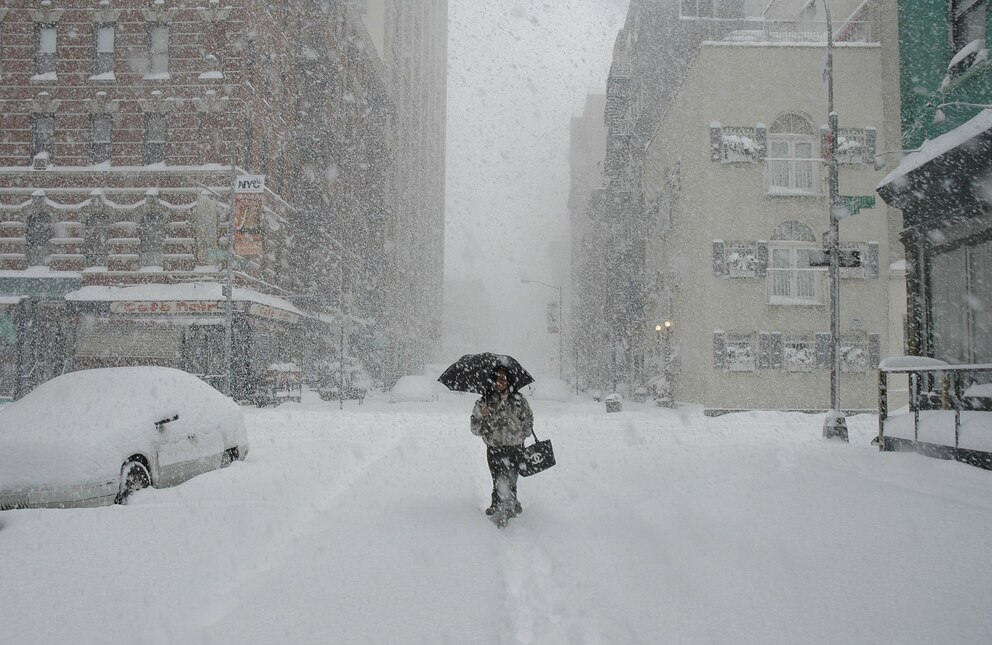
The Great Blizzard of 1947 came unexpectedly, impacting mostly New York City and New Jersey as well as Connecticut, upstate New York and the mid-Atlantic region.
In New York City, weather forecasters in 1947 predicted cloudiness and cold winds but not high snow accumulation, according to Baruch College.
Snow began falling early on Dec. 26 and continued until the next day. NWS data shows that 26.4 inches fell in Central Park. It's estimated that about 77 people were killed by the blizzard.
March 1888
Known as the Great Blizzard of 1888, this storm was one of the most severe blizzards on record -- hammering several states in the Northeast including Connecticut, Massachusetts, New Jersey, New York, Pennsylvania and Rhode Island -- and was the deadliest blizzard in U.S. history.
Up to 58 inches of snow fell in some regions, boats were destroyed and more than 400 people died, according to the National Oceanic & Atmospheric Administration's Physical Sciences Laboratory.
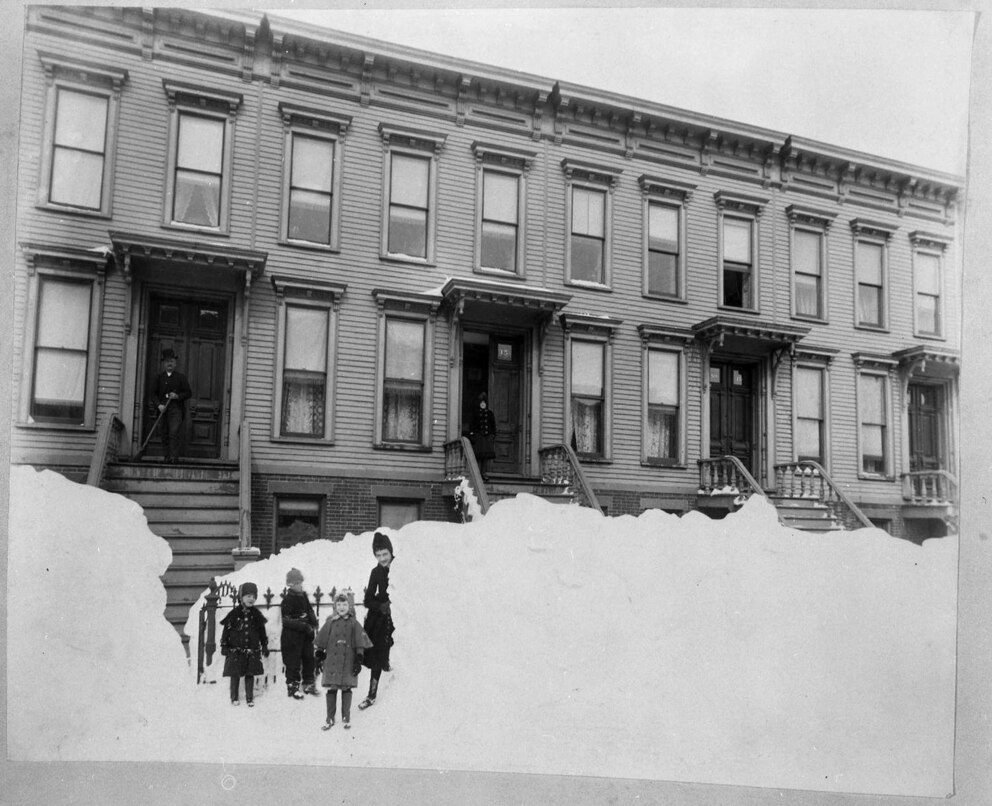
In New York City, the storm began as light rain on March 11, before turning into heavy snow on March 12, causing heavy drifts. In total, 21 inches fell in Central Park, according to NWS.
Rail lines and roads were shut down for days to clear the snow, which led to the creation of underground subway systems in Boston and New York City.
ABC News' Kenton Gewecke and Emily Shapiro contributed to this report.