History of measles cases in US as meeting could decide elimination status
A meeting is underway that will determine whether the United States has lost its measles elimination status.
Prior to the advent of the first measles vaccine in 1963, millions of people were estimated to be infected every year and hundreds of people died, according to the Centers for Disease Control and Prevention (CDC).
However, a highly successful vaccination campaign drove case numbers to historic lows, and the virus was declared eliminated from the U.S. in 2000.
Now, the country is facing the highest number of measles cases recorded in more than three decades and at least eight deaths have been reported, putting that hard-earned status at risk.
Here's a look at a history of measles cases in the U.S. and key moments in vaccine development and administration.
Pre-1963
In the decade before the first measles vaccine became available, nearly all children contracted the disease by the time they were 15 years old, according to the CDC.
Every year, an estimated 3 to 4 million people in the U.S. were infected, 48,000 people were hospitalized and 400 to 500 people died, the CDC says. Additionally, an estimated 1,000 people suffered encephalitis -- swelling of the brain -- each year.
In 1954, John F. Enders -- a scientist who shared the Nobel Prize for work that led to the development of the Salk polio vaccine -- sent pediatrician Dr. Thomas C. Peebles to a boarding school near Boston that had an outbreak of measles.
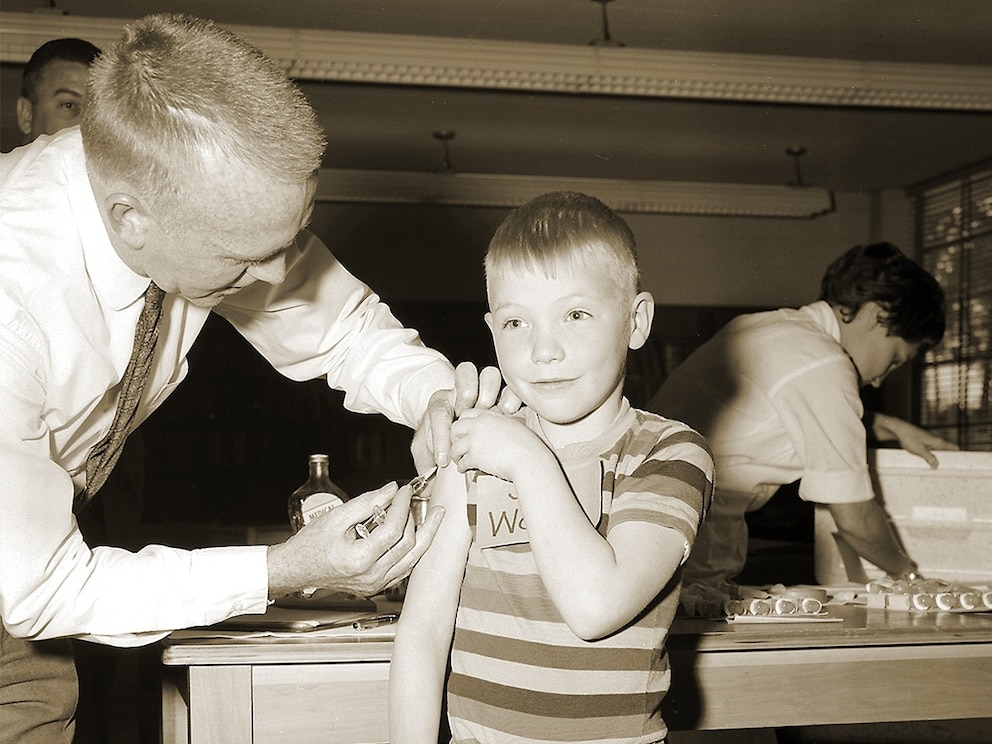
The goal was to isolate the virus from blood samples and throat swabs to develop a vaccine.
Peebles succeeded using a sample from 11-year-old David Edmonston, according to the World Health Organization (WHO), and later cultivated the virus. Enders would use the cultivated material to develop a measles vaccine.
1963
Annual cases: 385,156
In 1963, the first measles vaccine was licensed and approved using a live, weakened version of the Edmonston-B strain of measles virus.
The vaccine had been tested on small groups of children from 1958 to 1960 ahead of trials involving thousands of children in the U.S. and Nigeria, according to the WHO. In 1961, it was declared to be "100% effective."
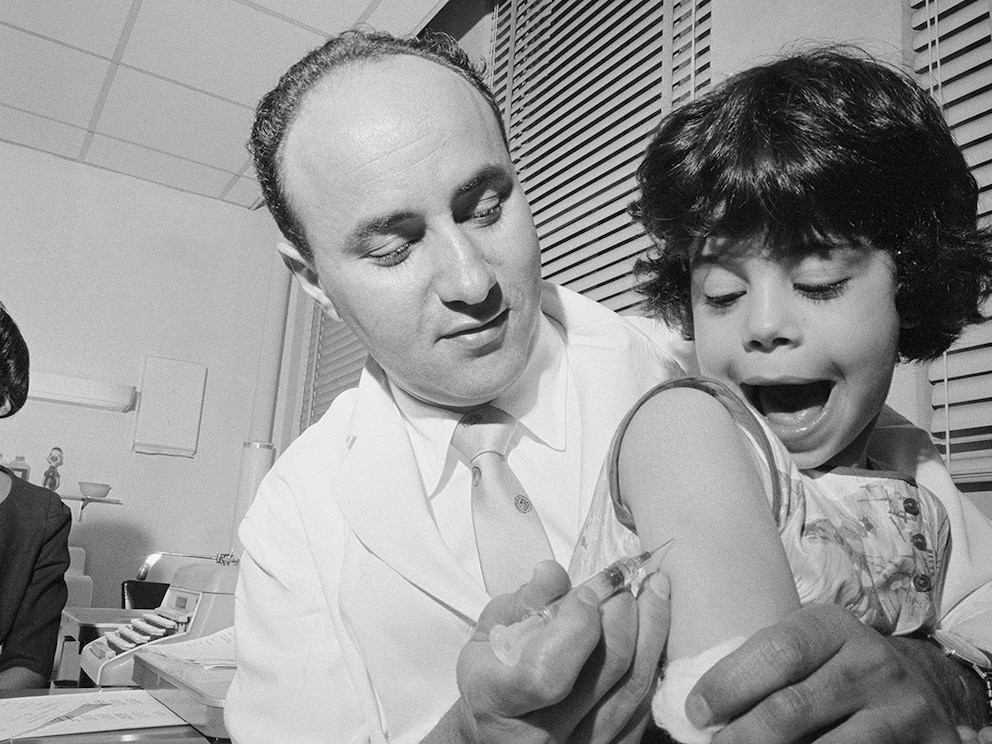
An inactivated vaccine produced by Pfizer also became available in 1963.
The recommended age for vaccination was 9 months in 1963, but it was changed to 12 months in 1965 due to better immune response at later ages, according to the CDC.
1968
Annual cases: 22,231
After 1967, the inactivated vaccine was discontinued because it did not protect well against measles, the CDC said.
Dr. Maurice Hilleman, who was already an influential vaccinologist at the time, developed an improved version of the vaccine by weakening the virus even further, leading to less severe disease effects, according to the WHO.
This version, known as the Edmonston-Enders strain, became available in 1968.
1971
Annual cases: 75,290
Efforts to isolate the measles virus years earlier led to similar efforts to create vaccines for mumps and rubella, which resulted in the Jeryl Lynn strain for the mumps vaccine in 1967 and the RA 27/3 strain for the rubella vaccine in 1969.
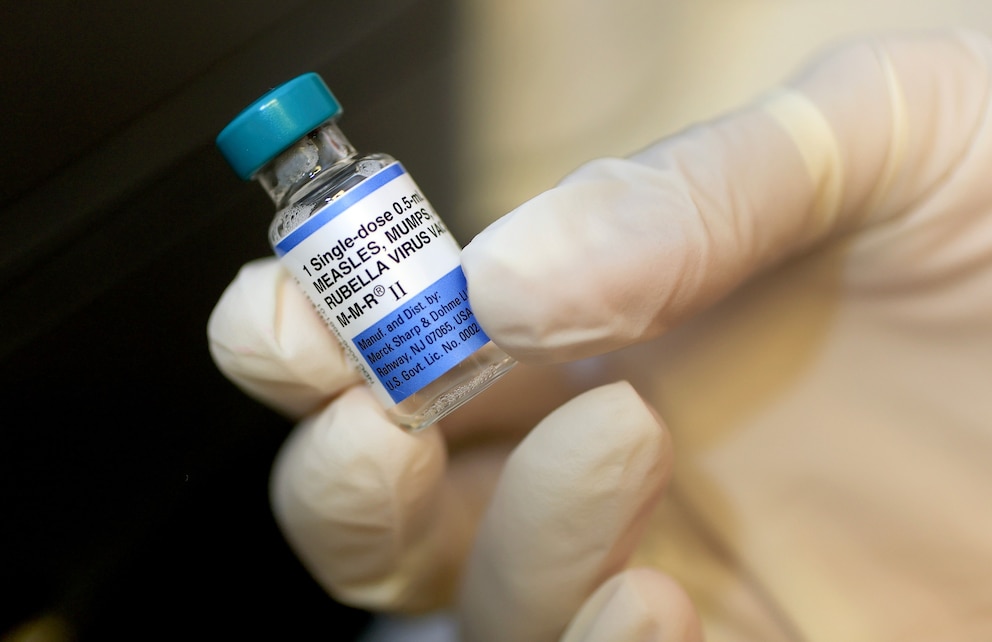
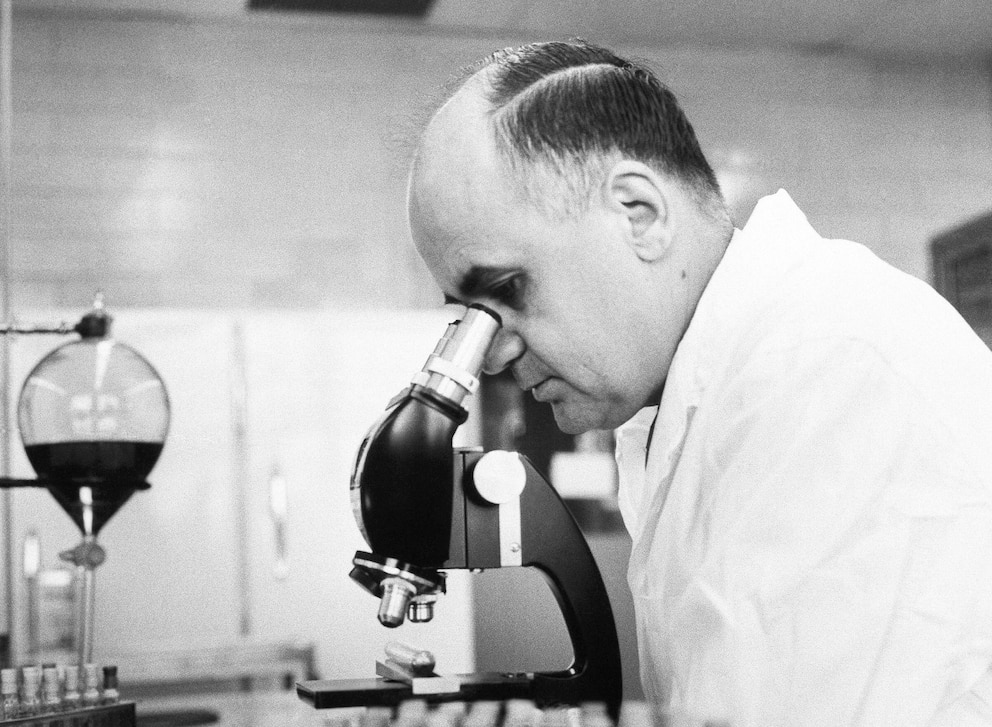
In 1971, Hilleman combined the three strains into what's medically defined as a trivalent shot: the measles, mumps and rubella (MMR) vaccine.
The rubella vaccine component was changed in 1979 after new one that offered better protection was developed, but the mumps and measles vaccine have remained unchanged in the U.S. since 1971.
1978
Annual cases: 26,871
The 1970s brought many changes to measles vaccine distribution. In 1975, the original live Edmonston B vaccine was no longer distributed due to a "relatively high frequency of fever and rash in recipients," the CDC said.
A year later, it was recommended that children be vaccinated at 15 months of age after studies showed higher antibody levels in children vaccinated after 12 months old.
The CDC set a goal in 1978 to eliminate measles from the U.S. in four years. While the goal was not met in 1982, widespread vaccination began to drive down recorded cases.
According to the CDC, the number of reported measles cases by 1981 was 80% lower compared to the previous year.
1989
Annual cases: 17,914
In the late 1980s, measles outbreaks were occurring in the U.S. primarily among unvaccinated preschool-aged children and among vaccinated school-aged children.
This led to the CDC's Advisory Committee on Immunization Practices, the American Academy of Pediatrics and the American Academy of Family Physicians recommending in 1989 that children receive a second MMR dose.
The ACIP said the second dose was recommended when a child enters school, generally between ages 4 and 6.
"When fully implemented, this schedule should lead to the elimination of measles among school-aged children and college students," the ACIP wrote at the time.
2000
Annual cases: 85
Measles was declared eliminated from the U.S. in 2000, meaning no continuous spread for more than 12 months.
2005
Annual cases: 66
The MMRV vaccine, a combination vaccine against measles, mumps, rubella and varicella -- also known as chickenpox -- was approved in 2005 for children ages 12 months to 12 years.
2019
Annual cases: 1,274
Measles outbreaks in the Pacific Northwest as well as Brooklyn and Rockland County, New York, see measles cases surpass 1,000 for the first time since before measles was declared eliminated.
2025
Annual cases: 2,289
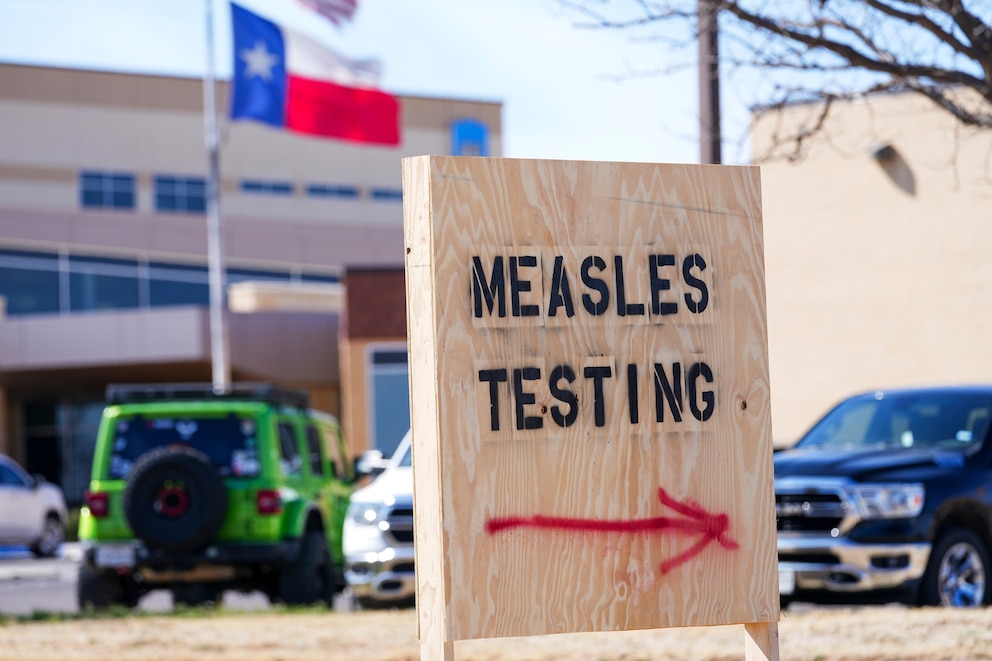
An outbreak in western Texas, followed by cases reported in several states including New Mexico, Arizona and Utah, led to more than 2,000 confirmed cases -- the highest number in 35 years.
The U.S. recorded three measles deaths, two among unvaccinated school-aged children in Texas and one unvaccinated adult in New Mexico. They were the first measles deaths reported in the U.S. since 2015.
2026
Annual cases: 5,182 (so far)
Largely fueled by outbreaks in South Carolina and Pennsylvania, the U.S. had recorded more than 5,100 cases of measles as of Wednesday, according to the CDC.
At least eight state-reported measles deaths have been recorded in 2026, including six in Pennsylvania, one in New York and one in Wisconsin -- the highest number of fatalities since 1991. The majority of deaths were among unvaccinated people or those too young to be vaccinated.
In August, President Donald Trump signed an executive order to split the MMR vaccine into three separate shots. Major medical groups spoke out against the order, saying it would take years to develop separate components and result in missed doctors' visits due to children needing six separate doses instead of two.