• Video
  • Shop
  • Culture
  • Family
  • Wellness
  • Food
  • Living
  • Style
  • Travel
  • News
  • Book Club
  • Newsletter
  • Privacy Policy
  • Your US State Privacy Rights
  • Children's Online Privacy Policy
  • Interest-Based Ads
  • Terms of Use
  • Do Not Sell My Info
  • Contact Us
  • © 2026 ABC News
  • News

Why honeybees may be key to understanding alcohol addiction
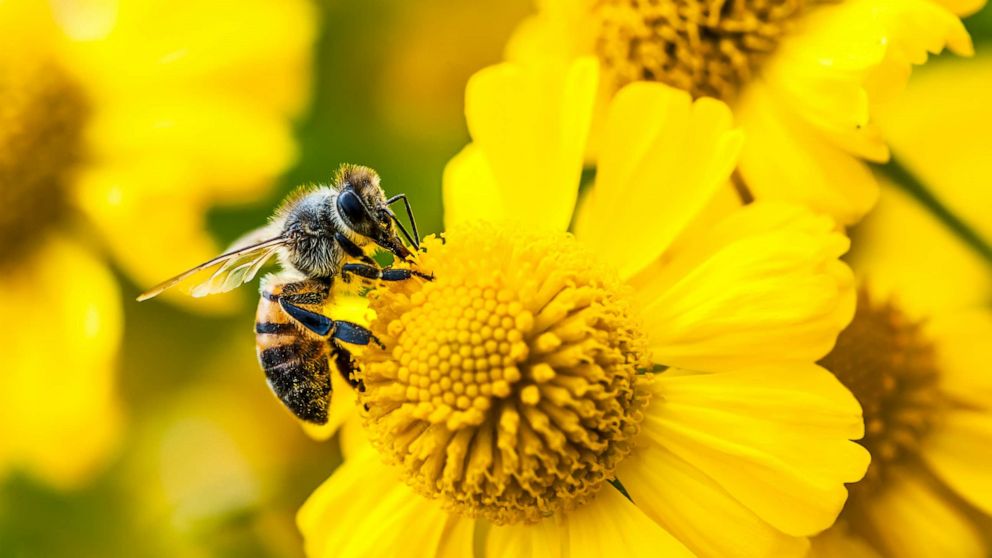
1:23
How we can help save bees
Stock Photo/Getty Images
ByJulia Jacobo
June 15, 2021, 11:01 PM

The behavior of honeybees may hold the key to future studies of alcohol addiction, according to new research.

Worker honeybees that were fed alcohol-spiked food, a sucrose solution with about 1% ethanol added, for a long period of time experienced withdrawal symptoms when cut off from the solution, according to a study published Tuesday in the scientific journal Biology Letters.

Related Articles

MORE: Here's how you can help save bees and other pollinators

Researchers from the Polish Academy of Sciences observed that when access to the solution was discontinued, the bees exhibited a "marked" increase of consumption of ethanol as well as a slight in crease in mortality, according to the study.
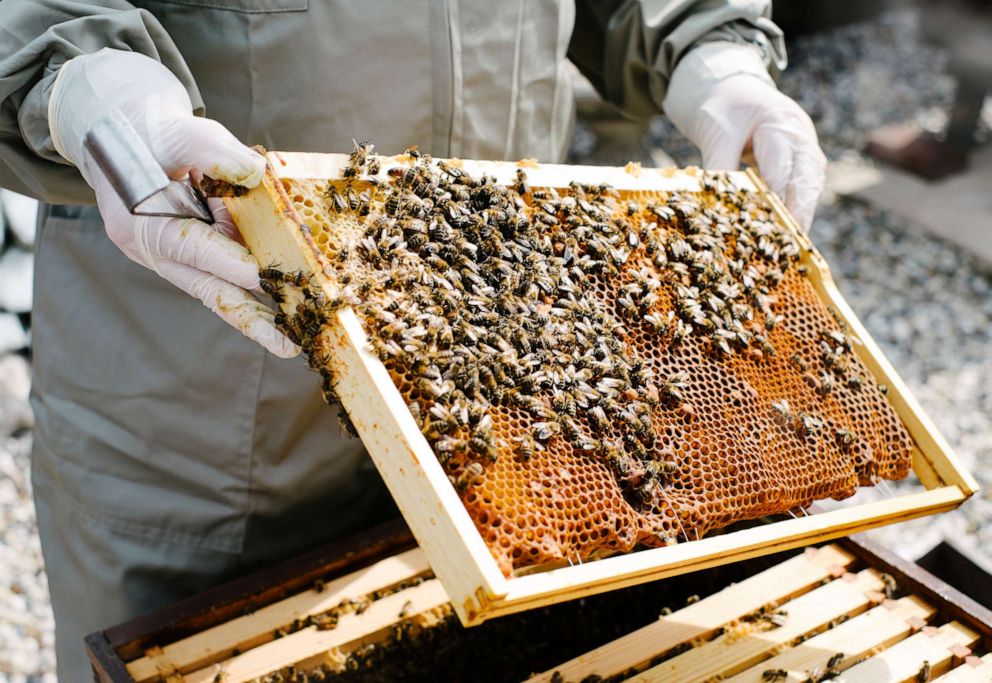
Stock photo of beekeeper inspecting his hive.
Gary Yeowell/Getty Images

The bees would then willingly consume sugar solutions with alcohol concentrations as high as 20% and then display behaviors similar to alcohol-intoxicated humans, including impaired locomotion, foraging and learning, researchers said.

Related Articles

MORE: Alcohol consumption rising sharply during pandemic, especially among women

The extent of the behaviors was dependent on how much ethanol was consumed.
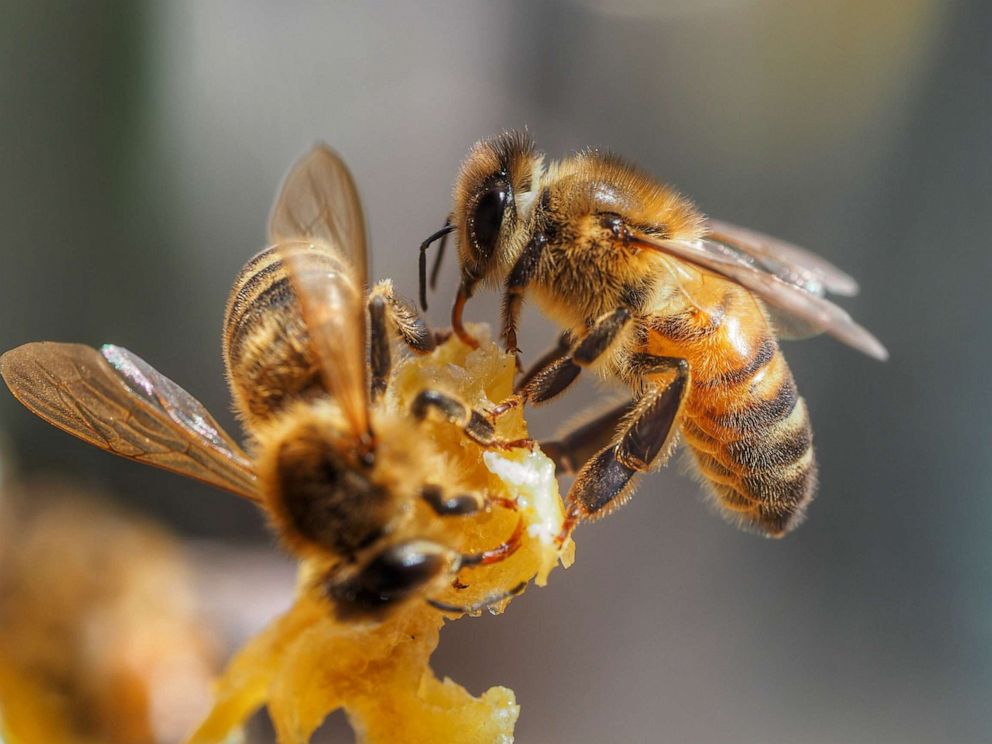
Bees
Stock photo/Getty Images

The results of the study demonstrated that the worker bees could develop a dependence on alcohol, especially interesting considering that naturally occurring nectar is often contaminated by alcohol that fermented from yeast, the scientists said.

Among the honeybee workers, foragers outside the hive appeared to show the greatest resistance to the detrimental effects of the alcohol, likely due to evolution as the foragers occasionally encounter ethanol in nature, according to the study.

Related Articles

MORE: Nearly 40% decline in honey bee population last winter 'unsustainable,' experts say

Honeybees not only willingly consume alcohol but are predisposed to alcoholism, according to recent research.
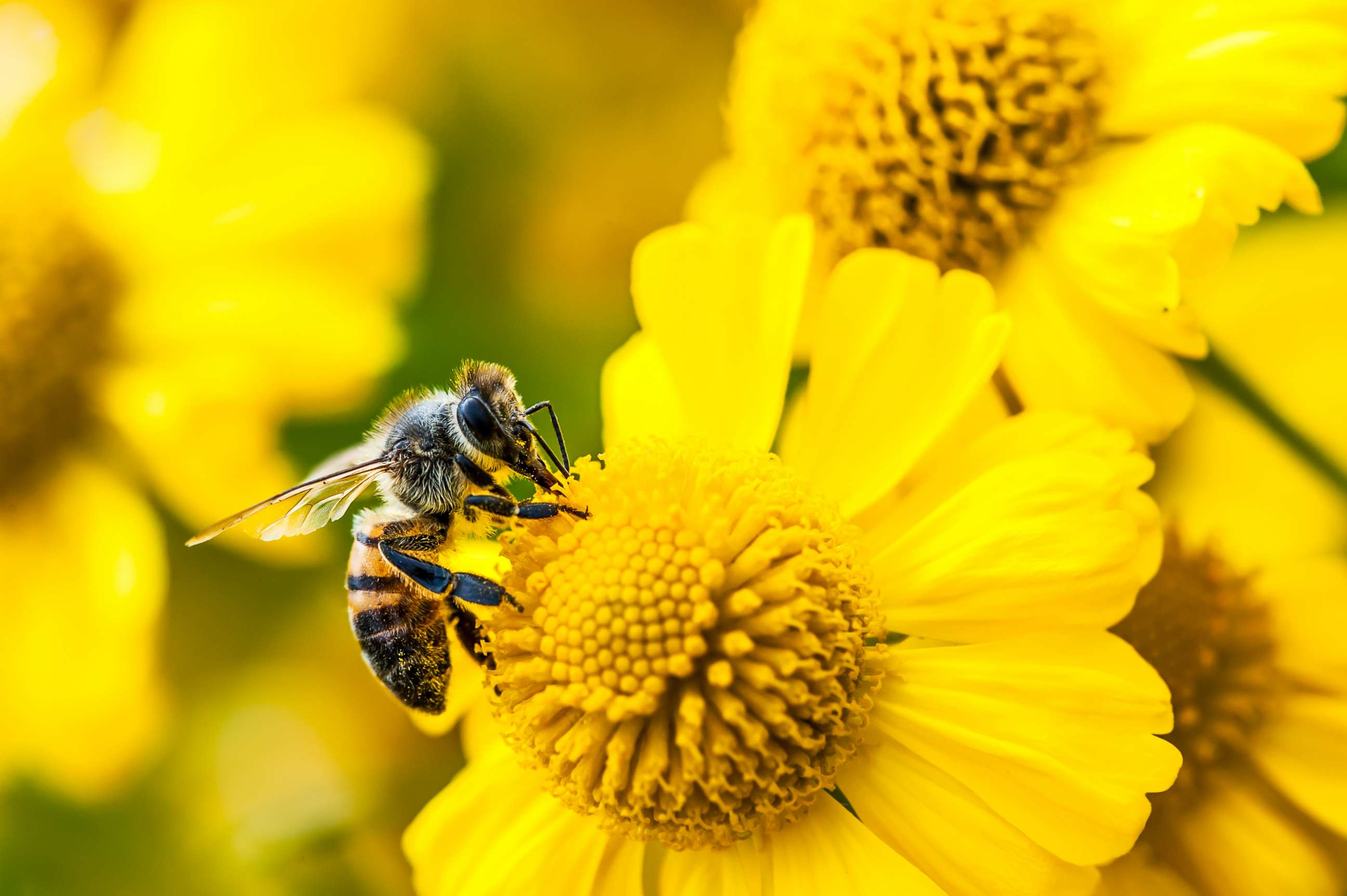
Stock photo of bee gathering nectar and pollen on yellow flowers.
Stock Photo/Getty Images

The results of the study provide new evidence of their suitability as a model for studying alcohol addiction, researchers said. Invertebrate model species are widely used to study alcoholism, according to the study.

"To understand alcohol abuse, the utilization of animal models is essential," the researchers said.


Up Next in News—

British prime minister announces proposed social media ban for kids 16 and under

June 15, 2026

Residents fight to keep AI data center campus away from Nashville Zoo

June 12, 2026

Mom says her 10-year-old daughter saved family from house fire

June 12, 2026

Man sues law enforcement alleging AI facial recognition technology led to wrongful arrest

June 12, 2026

Shop GMA Favorites

ABC will receive a commission for purchases made through these links.

Sponsored Content by Taboola

The latest lifestyle and entertainment news and inspiration for how to live your best life - all from Good Morning America.
  • Contests
  • Terms of Use
  • Privacy Policy
  • Do Not Sell My Info
  • Children’s Online Privacy Policy
  • Advertise with us
  • Your US State Privacy Rights
  • Interest-Based Ads
  • About Nielsen Measurement
  • Press
  • Feedback
  • Shop FAQs
  • ABC News
  • ABC
  • All Videos
  • All Topics
  • Sitemap

© 2026 ABC News
  • Privacy Policy— 
  • Your US State Privacy Rights— 
  • Children's Online Privacy Policy— 
  • Interest-Based Ads— 
  • Terms of Use— 
  • Do Not Sell My Info— 
  • Contact Us— 

© 2026 ABC News