Hurricane Melissa ranks as one of the strongest Atlantic storms to make landfall in recorded history
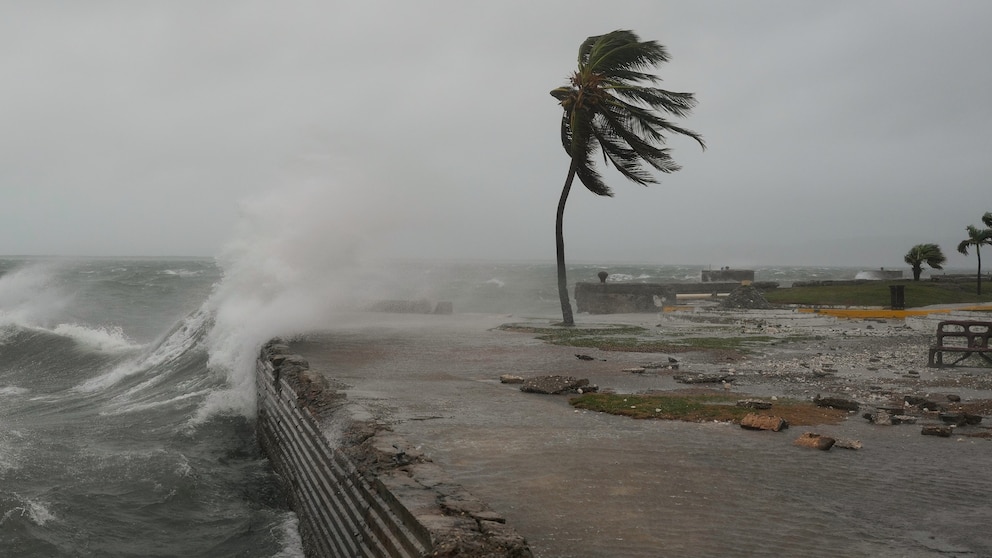
Hurricane Melissa became one of the most powerful hurricanes on record to make landfall in the Atlantic Basin.
Melissa made landfall Tuesday afternoon in southwestern Jamaica near New Hope as a Category 5 hurricane with maximum sustained winds of 185 mph, according to the National Hurricane Center. The storm then swept across western Jamaica, bringing catastrophic winds, flash flooding and storm surge throughout the island.
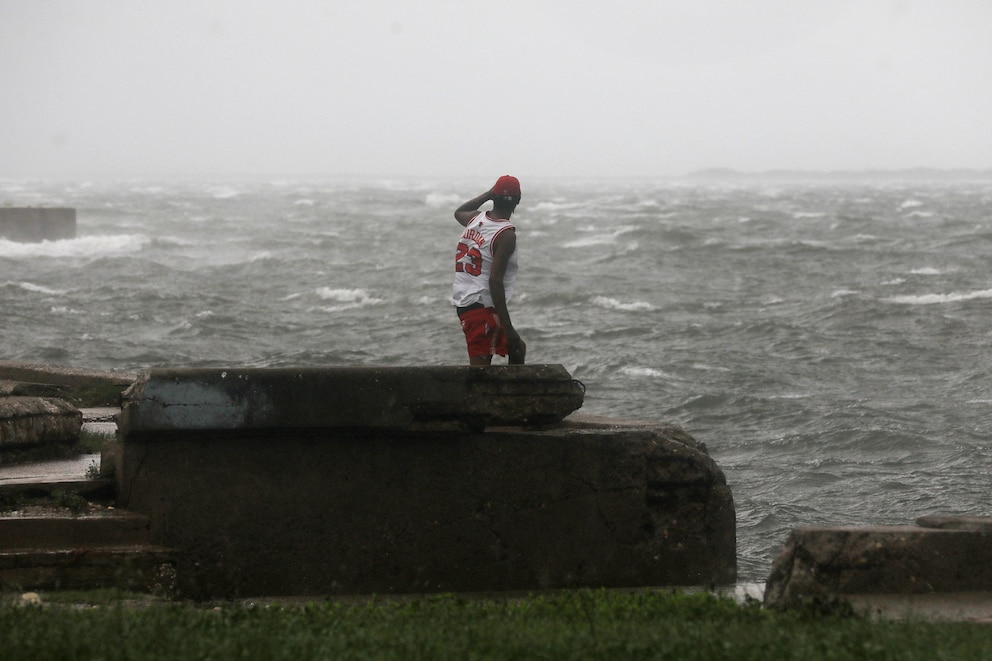
The hurricane ranks in a three-way tie with Hurricane Dorian (2019) and the "Labor Day" hurricane (1935) for the strongest sustained winds at landfall, records show.
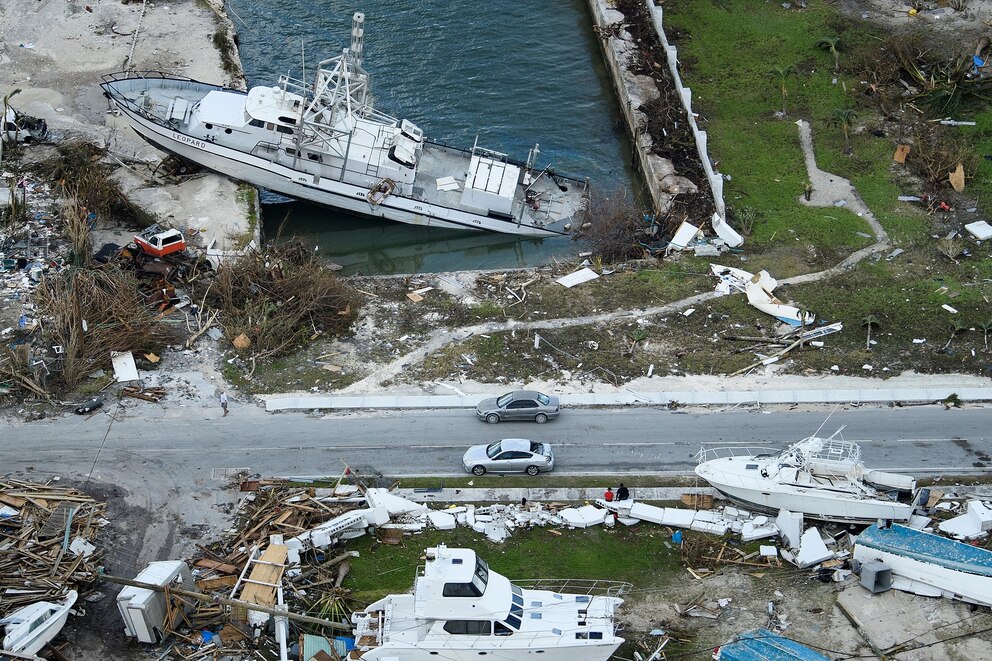
Hurricane Dorian made landfall near Elbow Cay, Bahamas, on Sept. 6, 2019, with maximum sustained winds of 185 mph, according to the National Weather Service. It is the strongest hurricane on record to make landfall in the Bahamas.
Dorian destroyed thousands of homes and caused $3.4 billion in losses in the Bahamas, according to a report by the Inter-American Development Bank. At least 74 people died as a result of the storm, according to the NHC.
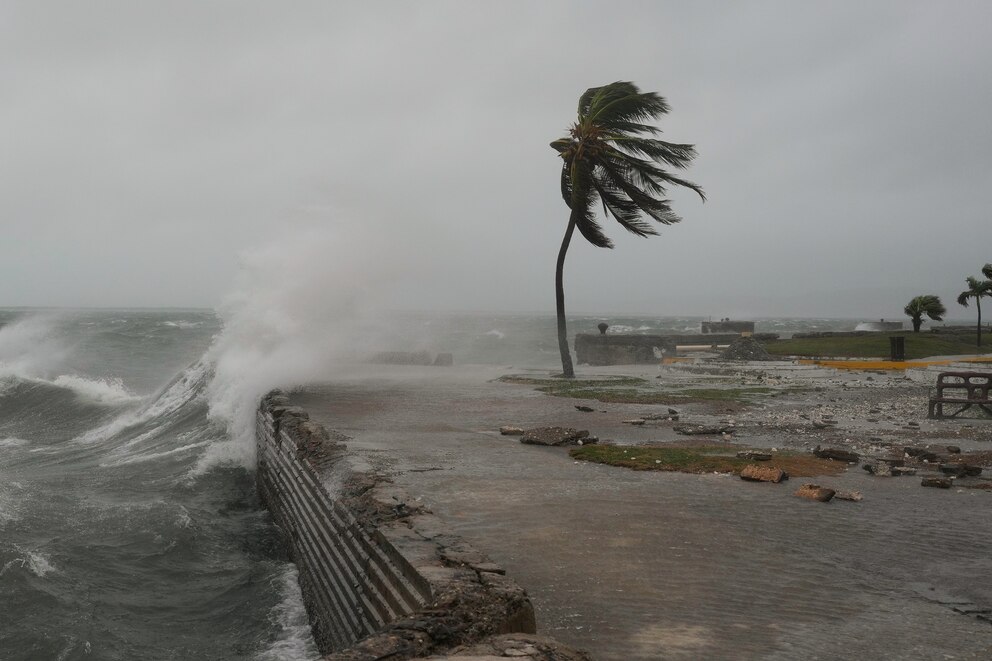
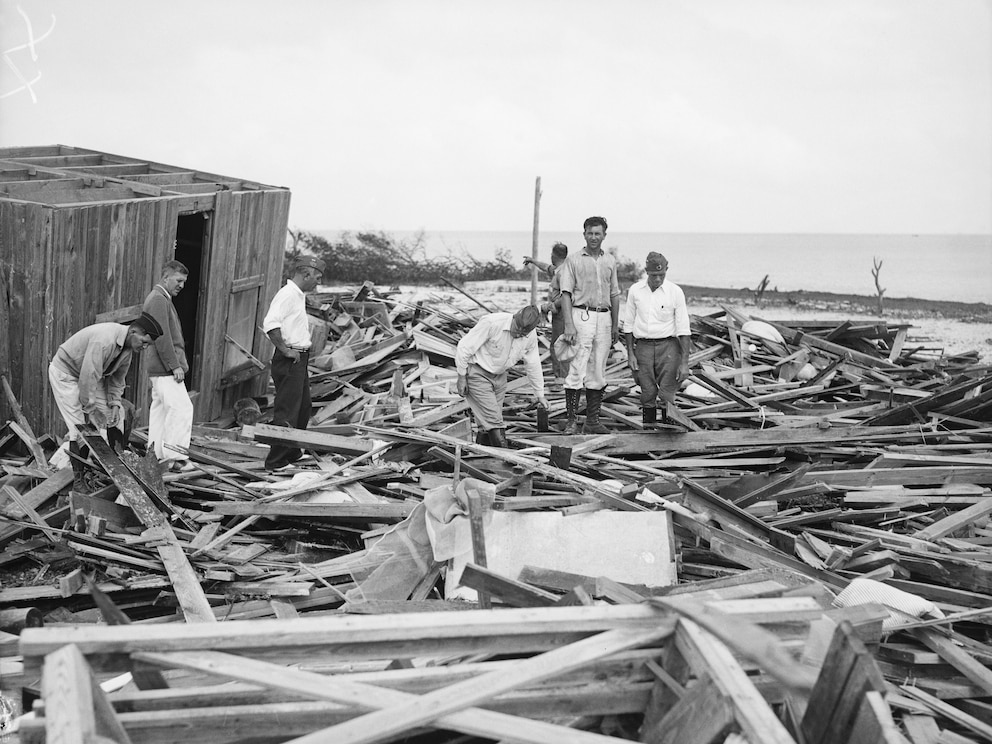
On Sept. 2, 1935, the "Labor Day" hurricane also made landfall in the Florida Keys with maximum sustained winds of 185 mph, according to the National Hurricane Center.
An estimated 409 people died as a result of the storm, which destroyed most manmade structures across the Florida Keys, according to the Hurricanes: Science and Society website.
In recent years, climate change has been supercharging tropical systems that form in the Atlantic.
Human-caused climate change has led to significant warming of the oceans, which provide the energy hurricanes need to form and intensify. Over 90% of the excess heat trapped by greenhouse gases has been absorbed by the oceans, creating conditions that can turn tropical storms into powerful hurricanes, resulting in more storms reaching Category 4 or 5 intensities, according to recent research.
In addition, rising sea levels, driven by melting ice caps and thermal expansion of seawater, exacerbate the impact of storm surges -- leading to significant coastal flooding.
Climate change is also influencing the frequency of major storms. While the total number of hurricanes may not have increased, the frequency of major hurricanes of Category 3 and above has risen, scientists say.
Hurricane Melissa is also the strongest storm in recorded history to make landfall in Jamaica -- after Hurricane Gilbert that struck the island as a Category 4 storm with maximum sustained winds of 130 mph in September 1988.
Dangerous conditions from Melissa were expected to continue throughout the day on Tuesday, with those stuck on the island experiencing a "catastrophic storm," Rosimar Rios-Berrios, a scientist at the National Center for Atmospheric Research, told ABC News.
"As our oceans continue to warm due to climate change, storms are growing stronger and faster, producing heavier downpours and creating conditions that are increasingly more dangerous for communities," Rios-Berrios said. "We urgently need immediate recovery programs as well as long-term solutions for a more climate-resilient future."
Melissa's winds were so strong that "Hurricane Hunters" that flew into the eye of the storm were forced to turn back due to severe turbulence, the U.S. Air Force Reserve's 53rd Weather Reconnaissance Squadron announced on Tuesday.
The Hurricane Hunters also had to leave the storm early on Monday after experiencing severe turbulence, the National Hurricane Center said.
ABC News' Dan Peck contributed to this report.