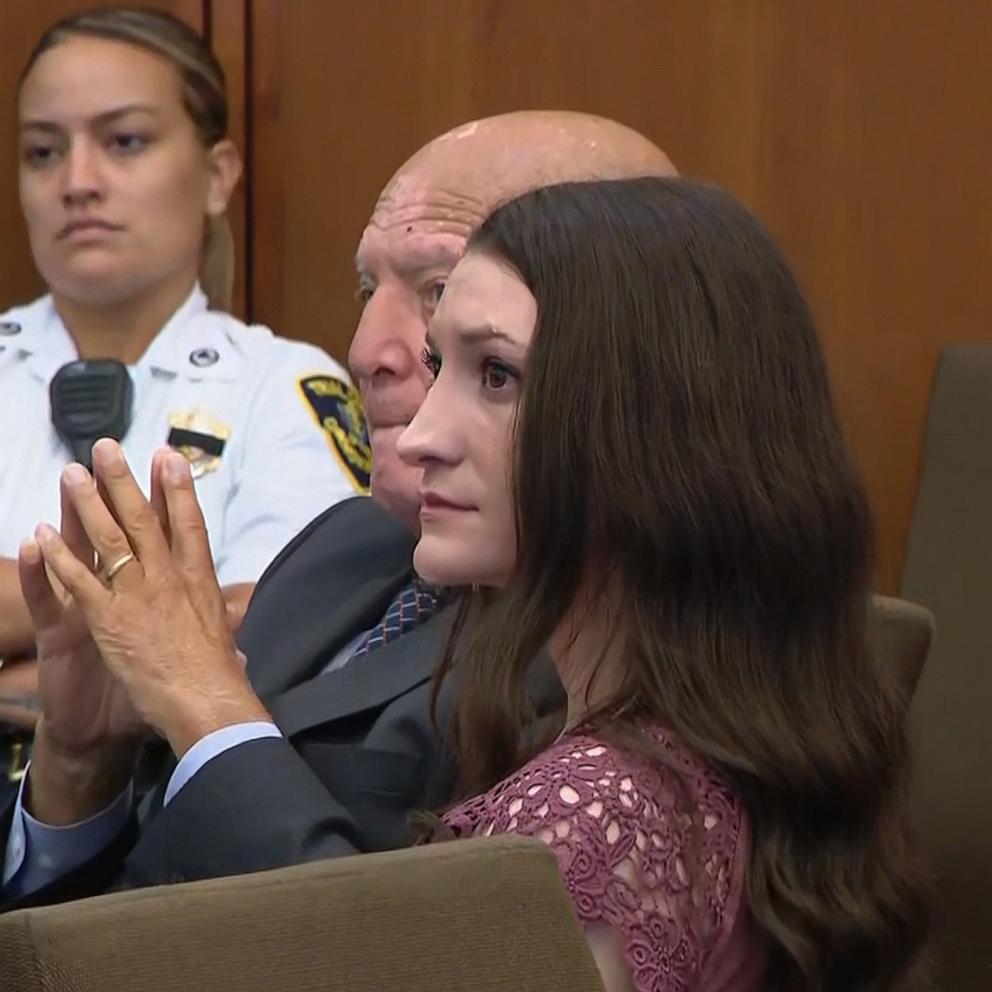
Congresswoman visits detainees on hunger strike, calls ICE force-feeding 'unacceptable'
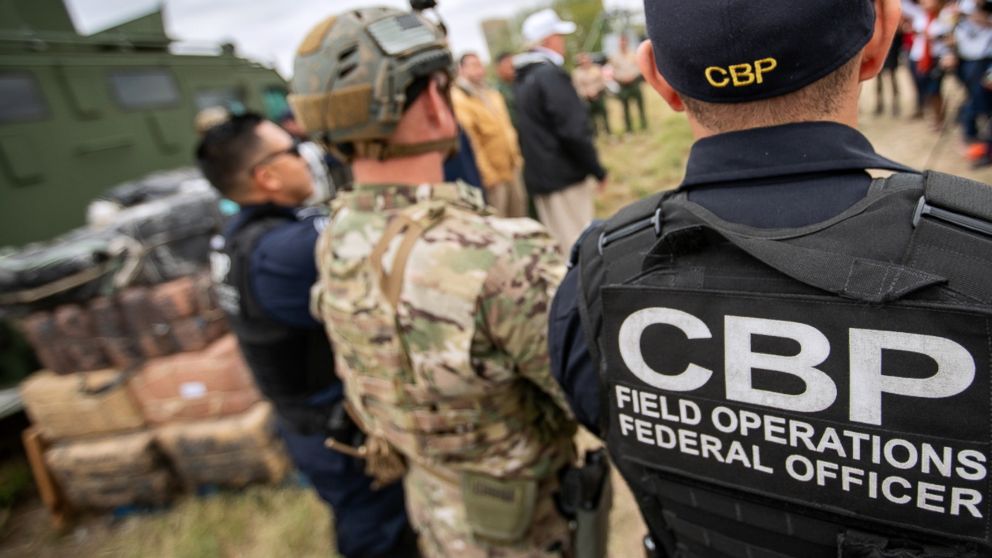
Eleven detainees at an ICE detention facility in El Paso, Texas, have been refusing food, some for more than 30 days, and six of the detainees are being force-fed per orders by a federal judge, U.S. Immigration and Customs Enforcement confirmed Thursday.
An additional four other detainees are on a hunger strike at ICE detention centers nationwide -- one each in the Miami, Phoenix, San Diego and San Francisco areas -- bringing the number of detainees refusing to eat to 15 nationwide, according to ICE.
The report prompted a visit from Rep. Veronica Escobar, a Democrat who represents El Paso, who said she was "deeply alarmed" and immediately requested to meet with those on hunger strike -- many of whom, she said, had been detained for over a year.
"This unacceptable. I’m closely monitoring this situation & as a new member of the House [Committee on the Judiciary,] vow to implement policies that provide increased oversight and accountability to ensure detainees are treated with dignity and respect. El Paso and our country are better than this," Escobar wrote.
Despite the statement from ICE, the number of protesters in the El Paso detention center could be as high as 30, volunteers with a non-profit that has been monitoring conditions of the men and a lawyer for one of the detainees told ABC News Thursday.
Christina Fialho, co-founder and co-executive director of Freedom for Immigrants, said volunteers with her organization in El Paso have met directly with nine men on hunger strike. The men they've met with are from India and some were detained after seeking asylum at a port of entry.
After facility staff moves them from their holding cells to the medical unit of the detention center they are force-fed through nasal tubes, according to Fialho and Ruby Kaur, a Michigan-based attorney who is representing one of the detainees. Neither Fialho's organization nor Kaur has seen the court orders authorizing the force-feeding, they said. Kaur, who intends to go to El Paso, said she's in the process of trying to obtain the orders.
According to Freedom for Immigrants' research, force-feeding is a rare occurrence during hunger strikes that have been reported in ICE detention facilities across the country, including a 750-person protest in Tacoma, Washington, in 2017.
"Since May 2015, we’ve documented nearly 1,400 people who’ve been on strike in 18 different facilities and never witnessed force-feeding," Fialho said. "Force-feeding seems like an escalation on ICE’s retaliatory tactics."
Some of the men are protesting their detainment as they hope to be released on parole while they fight against deportation. The men are in different stages in making their cases to be released, Fialho said, and "have all witnessed unsanitary and abusive conditions at the facility," including threats of deportation from guards.
The protest comes at a time when immigration advocates warn that detention of asylum seekers has increased and is being used as a method of deterrence by the Trump administration.
"When people resort to such a drastic measure as stopping eating for 30 days, there are reasons -- there are things that are forcing them to it, and reasons that we should be looking at what our detention policy is," said Judy Rabinovitz, deputy director of the ACLU's Immigrants' Rights Project. The ACLU was part of a 2018 lawsuit that challenged the indefinite detention of asylum seekers who prove "credible fear" when they arrive in the U.S. A federal judge in Washington, D.C. sided with the ACLU and others that there had been a steep drop in releases of asylum seekers during the Trump administration.
In a statement Thursday, ICE said it "fully respects the rights of all people to voice their opinion without interference" and "does not retaliate in any way against hunger strikers."
The Associated Press, the first to report the hunger strike, also reported as many as 30 are striking, per interviews with detainees, relatives and an attorney representing those on hunger strike. Some of the hunger strikers are also from Cuba, the AP reported.
The men have experienced bleeding and vomiting from the nasal tube force-feeding, according to reports from the volunteers at Freedom for Immigrants who have been meeting with the detainees since before they began the hunger strike. Some have asked for wheelchairs and pillows for under their heads while they're undergoing the procedure, Fialho said.
Despite the requests, the men have not been seen in wheelchairs when they meet with the volunteers in the facility, Fialho said. "Volunteers say they’re shuffling, at best, because they’re in so much pain from the procedure," she said.
"They’ve lost considerable weight and since the force-feeding has occurred they seem even more emotionally and physically beaten up," Fialho said.
Two detainees first began a hunger strike on Dec. 30 and were ordered to undergo "non-consensual hydration/feeding" by a federal judge in Texas about two-and-a-half weeks later, according to ICE. Three more detainees began hunger strikes days later on Jan. 2 and four more began strikes on Jan. 5. On Wednesday, another two detainees joined the hunger strike, ICE said Thursday.
Hunger strike protocols -- which begins with a referral to a medical department, according to ICE policy -- were triggered after detainees missed their ninth consecutive meal.