ICU deaths from COVID-19 may be decreasing, study suggests
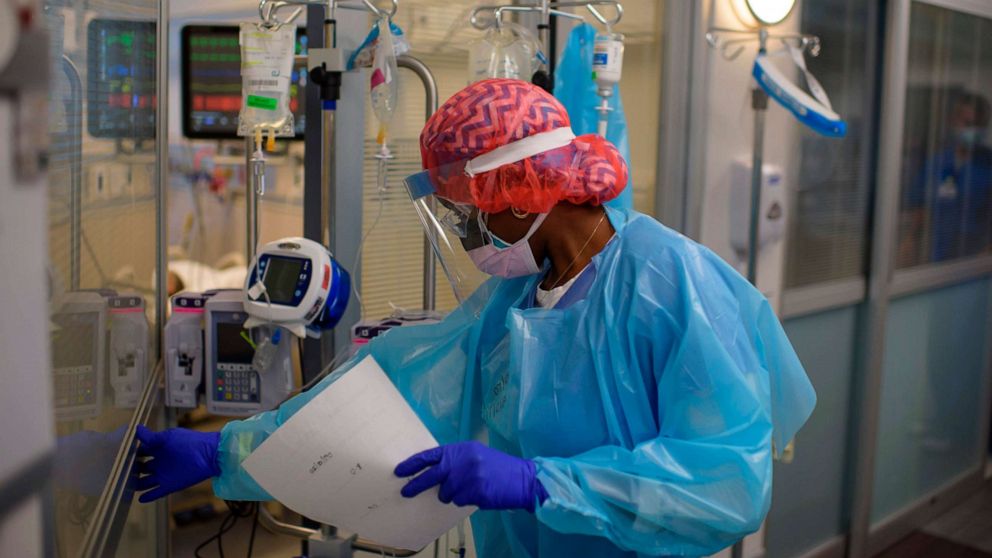
As cases of the novel coronavirus continue to rise in many states around the country, new data provides some encouraging details. A recent study suggests that for people admitted to intensive care units for severe COVID-19 infection, the rate of death has declined by about one-third since the start of the pandemic.
Shortly after the first few patients with the virus were identified in December, the number of positive cases exponentially increased -- but now, so has our understanding of strategies to mitigate viral spread and therapies to treat patients.
"As we learn more about this virus and its effect on the critically ill, we become better at treating it and its complications," said Dr. Eric Cioe Pena, director of global health at Northwell Health.
The study, which was conducted by researchers in the United Kingdom and published in the journal Anaesthesia, offers a hopeful message to front-line workers actively taking care of critically ill patients. The authors systematically reviewed and performed a meta-analysis on all studies that looked at ICU deaths for adult patients around the world admitted with COVID-19. The death rate for these patients in May was about 40%, down from nearly 60% at the end of March.
Over the past seven months, scientists around the world have coordinated efforts to try to find a way to cure the disease. Our knowledge of how the virus spreads, latches onto its host and causes infection, has tremendously increased, and so too has our understanding of managing severe complications that often result in ICU admissions.
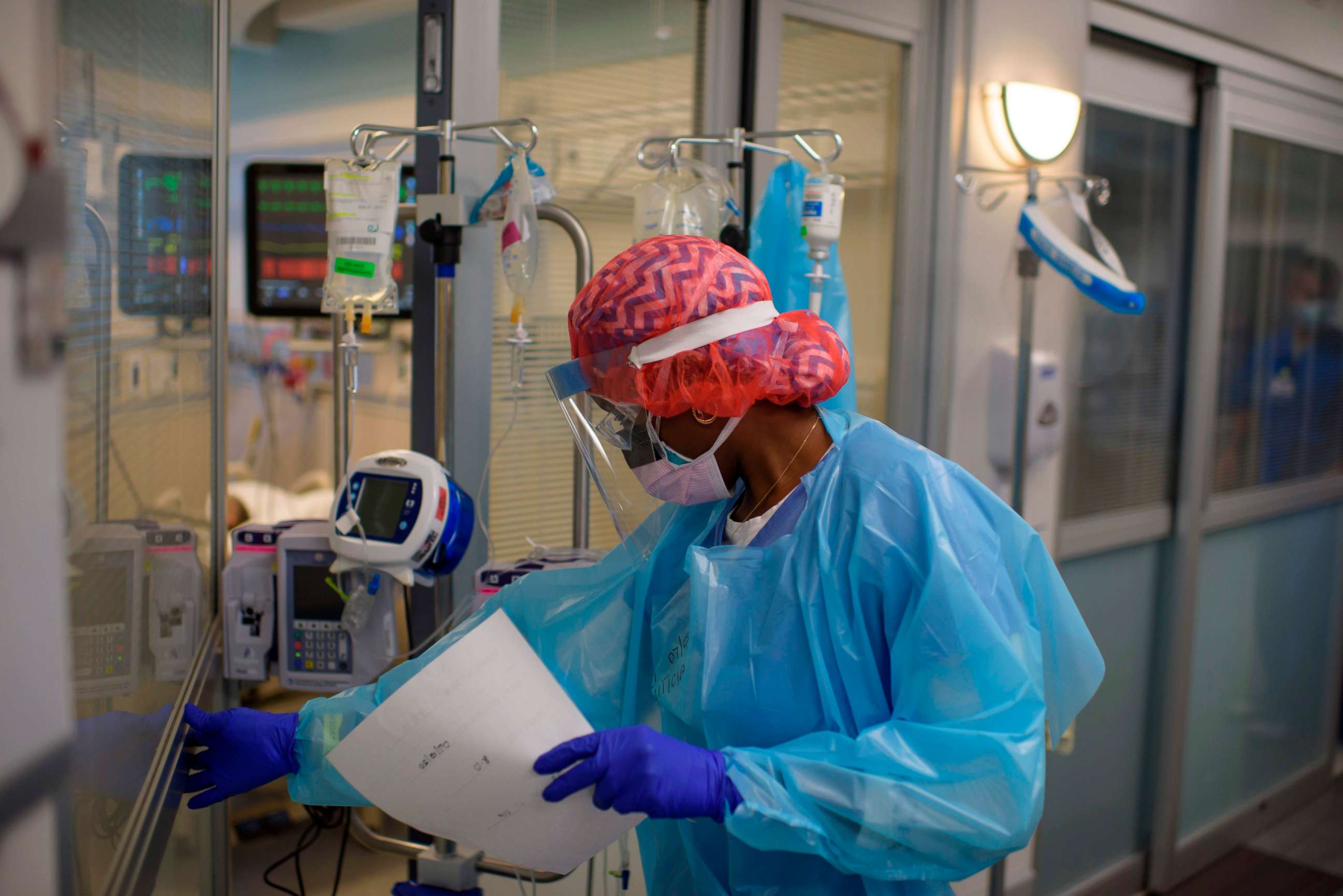
"I think we are much better off now," said Dr. Amesh Adalja, a senior scholar at the Johns Hopkins University Center for Health Security, who is board certified in critical care and infectious diseases. "We have a better understanding of the pathophysiology of disease, we have better tools to improve patient care and we are more knowledgeable about ventilator management in these patients."
Recently, studies looking at severely ill coronavirus patients have shown the potential importance of employing steroids and anti-viral agents in patients admitted to the ICU. But in addition to better treatment, other factors may have played a role in improving survival.
"We are diagnosing people earlier," said Dr. Adalja. Technological advancements in testing and heightened awareness to test any symptomatic person for coronavirus have led to earlier diagnosis and more prompt treatment.
And, although tools to test for the virus, recommended practices to prevent viral spread and strategies to limit large gatherings have differed between countries, the study found that there was no significant difference in ICU death rates across continents.
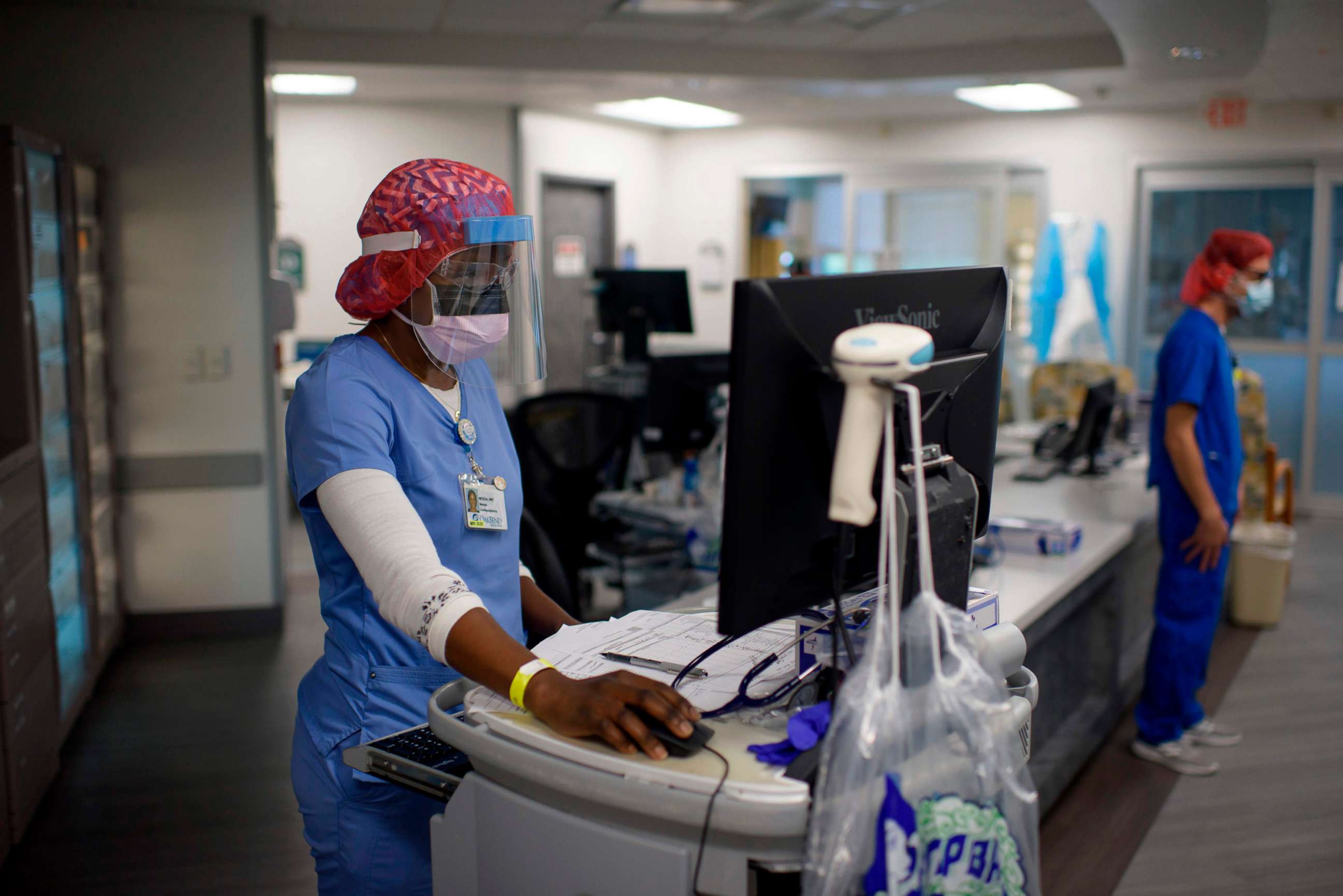
"The global sum of knowledge brought to bear on this problem is what has helped to reduce mortality," said to Dr. Pena.
Still, Dr. Pena warns that successful treatment must be "coupled with good public health measures." If not, then we will "erase any gains made over the last few months by simply overwhelming the ICUs that have just become better at treating COVID-19," he said.
This sentiment is echoed by Dr. Adalja, who cautions that the study should not "be taken to mean that the virus is less deadly, just that we are getting better."
And, this warning should not be taken lightly. Reports of ventilator shortages in major U.S. cities were largely a result of a higher percentage of the population being infected with the virus, leading to increased rates of hospitalization. Continuation of social distancing, hand washing and mask wearing are vital to decrease the spread.
"People are getting lower doses of viral inoculants" and "lower exposure" largely due to the strategies implemented to limit spread, Dr. Adalja said. If fewer people become critically ill with the virus due to such measures, then ICU death rates may further decline as more novel treatments continue to emerge.
"Things that were slipping through the cracks in the beginning" of the pandemic are no longer being missed, said Dr. Adalja. "We should expect to see this trend continue."
Shantum Misra, M.D., is a senior resident in internal medicine at Dartmouth-Hitchcock Medical Center and a contributor to the ABC News Medical Unit.