Immunotherapy drug capable of eliminating tumors in some early stage cancers: Study

A new study in the New England Journal of Medicine suggests that some people with early stage cancers may be able to skip surgery after being treated with the immunotherapy drug dostarlimab.
In the study, 82 out of 103 participants responded so well to the drug that they no longer needed an operation.
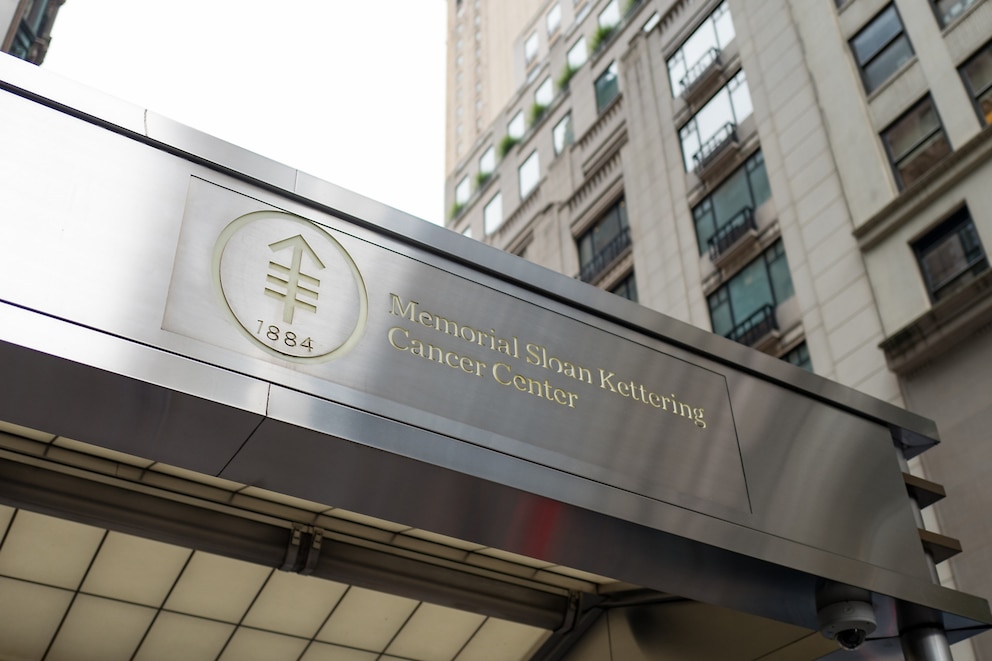
While the results are promising, the study was conducted at a single hospital -- Memorial Sloan Kettering Cancer Center in New York City -- and some patients have not been followed long enough to know if their cancer might return over time.
And because the study included many different types of cancer, there were relatively few patients with each specific cancer type, making it difficult to interpret the results for larger groups of patients.
It also focused on a very select type of patient whose tumors had a "mismatch repair defect," a genetic problem that prevents cells from fixing DNA damage and makes it more likely they would respond to immunotherapy.
"They kind of selected themselves, in that they had a specific genetic alteration, and that genetic alteration occurs about 2% to 3% of all cancer patients," said Dr. Luis Diaz, one of the study's authors and head of the Division of Solid Tumor Oncology at MSK.
When people are diagnosed with early stage cancers that form a lump or mass, they often need major surgery to try to remove it -- and despite surgery, they can also face aggressive treatments like chemotherapy or radiation.
Because these cancers often affect organs in the belly or digestive system, surgery can have a major impact on a patient's life. Some people lose part or all of their esophagus or stomach, making it hard or impossible to eat normally. Others may need a bag to collect stool or lose the ability to get pregnant.
All 49 patients with early stage rectal cancer who received six months of immunotherapy were able to avoid surgery.
"And it's after six months of treatment, their tumors were completely gone," said another one of the study's authors, Dr. Andrea Cercek, head of the Colorectal Section at MSK. "They didn't need any other treatment."
Two years later, 92% remained cancer-free. Among the first group to reach the five-year mark, all four patients were still disease-free -- and two of them had gone on to have two children each.
"The amazing thing is they would not have been able to conceive or carry children had they gone through standard therapy," Diaz said.
As for patients with other early stage cancers, 35 of 54 were cancer-free after undergoing immunotherapy and were able to avoid surgery. However, two patients still chose to proceed with surgery -- one for peace of mind and the other to remove medical hardware related to the cancer.
Of the five patients whose cancers came back, most were successfully treated again.
Cercek explained that, while immunotherapy alone may not yet help most cancer patients avoid surgery, their work opens the door for the future.
"Just close your eyes and just imagine that one day you're diagnosed with cancer and you don't have your esophagus or your stomach or your rectum or your bladder, and you can avoid that," Diaz said. "For these 3% we can completely eliminate the need for surgery. It's quite transformational."
By combining different approaches with this type of immunotherapy, Cercek hoped they can replicate their success in more types of cancer.
"So, we are continuing this trial and we are working on expanding the study outside of Memorial with more patients so that we can offer this therapy as a standard of care," Cercek said.
Luis Gasca -- an internal medicine resident at the Mayo Clinic in Rochester, Michigan, and a member of the ABC News Medical Unit -- contributed to this report.