Independent FDA panel votes to authorize booster shots for Johnson & Johnson vaccine
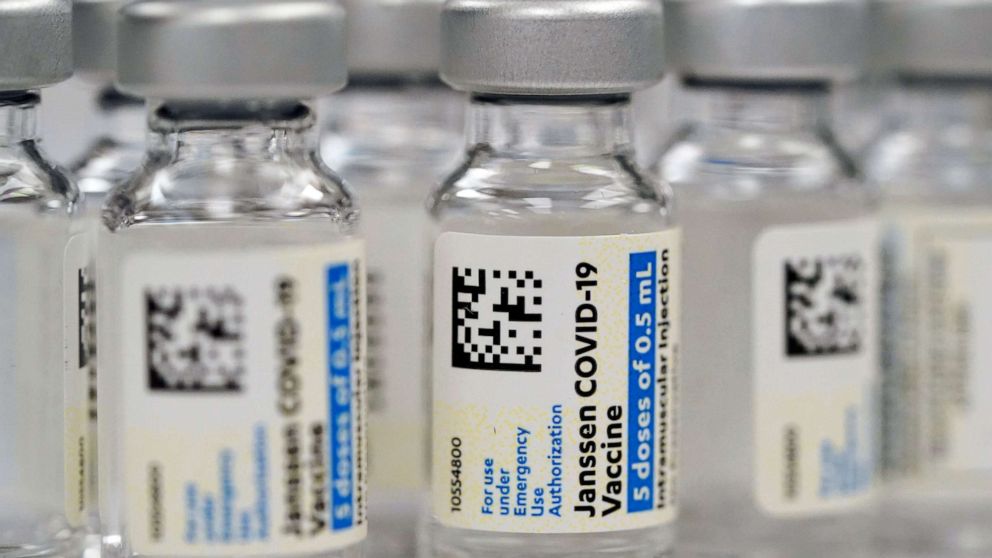
An independent Food and Drug Administration advisory panel on Friday voted to move forward with Johnson & Johnson COVID-19 vaccine boosters.
The panel’s decision on J&J was broader than it was for Moderna and Pfizer as it applies to all J&J recipients 18 and older. The timing is also different: The booster can be administered beginning two months after the first shot.
For the two mRNA vaccines, the panel had agreed they should be authorized for a narrower group: seniors and everyone 18 or older if they have underlying conditions or could be exposed to the virus at work. They also agreed on a timeline of six months after the second shot.
But for the single shot J&J vaccine, which does not offer as strong protection as the two-shot Pfizer or Moderna vaccines, the panel of independent experts agreed it was appropriate to offer boosters to all recipients and to do so sooner in order to get protection to a comparable level.
"There is a public health imperative here, because what we're seeing is that this is a group with overall lower efficacy than we have seen with the mRNA vaccine and so there's some urgency here to do something," said Dr. Arnold Monto, chair of the FDA panel and an epidemiologist at the University of Michigan School of Public Health.
That said, other experts also pointed out that J&J is still a vital vaccine because it provides ample protection against severe disease, even if not at the levels of the mRNA vaccines, and is easy to administer with only one shot.
"It is important to remember that there are many people who cannot get vaccines at all. And this one can go places and do things and is highly effective as we approved or recommended in February," said Dr. Oveta Fuller, a virologist and viral pathogen researcher at the University of Michigan. Fuller said she supported boosters as a way to make the shot more effective.
Friday was the first step in authorizing booster shots for J&J. As with Moderna, which the panel voted to authorize for booster shots Thursday, the whole process could conclude next week at the earliest. Pfizer booster shots were authorized by the FDA and CDC last month.
The FDA has not found an increase in concerning side effects from any of the three vaccines’ booster doses.
The conversation around boosters focuses on whether Americans vaccinated over six months ago need a boost of protection against breakthrough infections in the face of the more transmissible delta variant, though all of the three vaccines authorized in the U.S. are still proving effective against hospitalization and death.
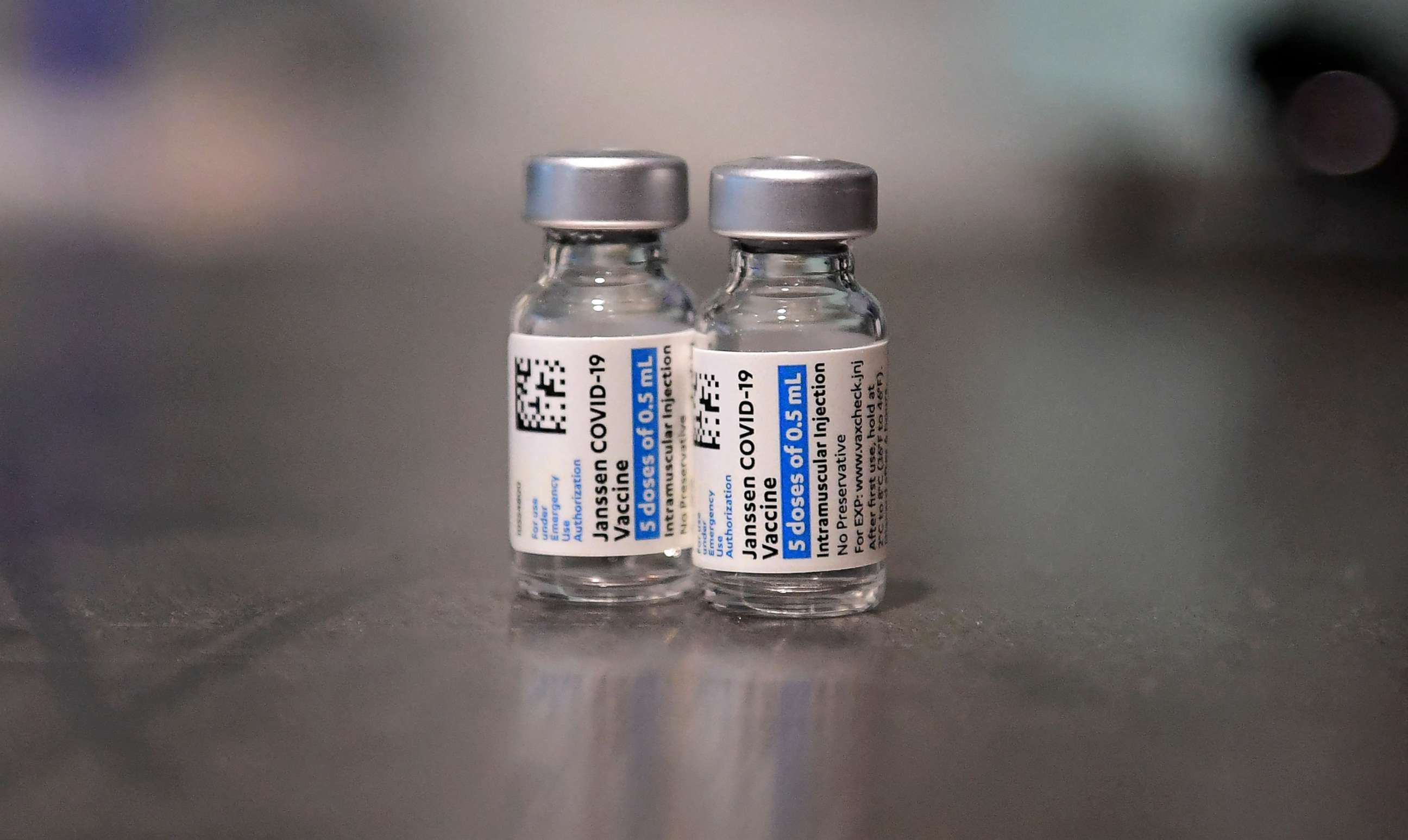
Experts on the FDA panel were quick to highlight that success, emphasizing that the conversation around boosters should not overshadow the vital campaign to get the 66 million unvaccinated Americans vaccinated.
"The people who are in the ICU aren't there because they haven't gotten the third dose, they're there because they haven't gotten any dose," Dr. Paul Offit, an FDA advisory panel member and director of the Vaccine Education Center at Children's Hospital of Philadelphia, said in Thursday's meeting.
Another pertinent debate that the FDA panel took on Friday was the potential benefits of mixing and matching vaccines for booster shots. Many J&J recipients have been clamoring for data on their options for switching.
Many experts on the panel, as well as lead officials within the FDA and CDC, were supportive.
"It's a matter of some urgency for FDA to help sort out what is admittedly a complicated and challenging scenario, but we can't hide from it -- and I do think we need to give guidance to the public," Dr. Ofer Levy, head of the Precision Vaccines Program at Boston Children's Hospital, said at the meeting Friday.
“I think from a public health implementation perspective, given the setting of this pandemic, it would be really important to have some allowable language,” said Amanda Cohn, a senior adviser for vaccines at CDC’s National Center for Immunization and Respiratory Diseases.
The panel reviewed early results from a highly anticipated National Institutes of Health study found that boosting with a shot other than what was received the first time appears to be safe and effective.
The non-peer reviewed study evaluated all three vaccines -- Pfizer, Moderna and J&J -- and found that no matter the booster, all study participants saw a "substantial" uptick in antibody levels after a booster shot.
The study also found that for J&J vaccine recipients, antibody levels were higher if they were boosted with Moderna or Pfizer than with J&J. This could indicate stronger protection in the short term, but experts also point out that antibody levels are not the only part of the immune response.
Moving forward on mixing and matching vaccines would require an amendment to the current COVID-19 vaccine authorizations from the FDA, and then an endorsement by the CDC. The panel did not have a vote scheduled on the matter on Friday.
For now, the process will formally move forward with authorizing additional booster doses of Moderna and Johnson & Johnson shots for those who received the same original vaccine, as was the case with the Pfizer booster authorization.
This week's meetings are the first step in that process for Moderna and J&J.
The FDA is expected to issue an authorization in the coming days, and then an advisory panel for the Centers for Disease Control and Prevention will meet to further discuss recommendations about who should get boosters and when.
That panel has scheduled a meeting for next Wednesday and Thursday to discuss boosters for Moderna and Johnson & Johnson.
Once that happens, CDC Director Rochelle Walensky must sign off, which typically happens within 24 hours of the panel's recommendations. That decision is expected by next Friday at the earliest.