As India readies Diwali celebrations, pollution sparks debate over 'green' firecrackers
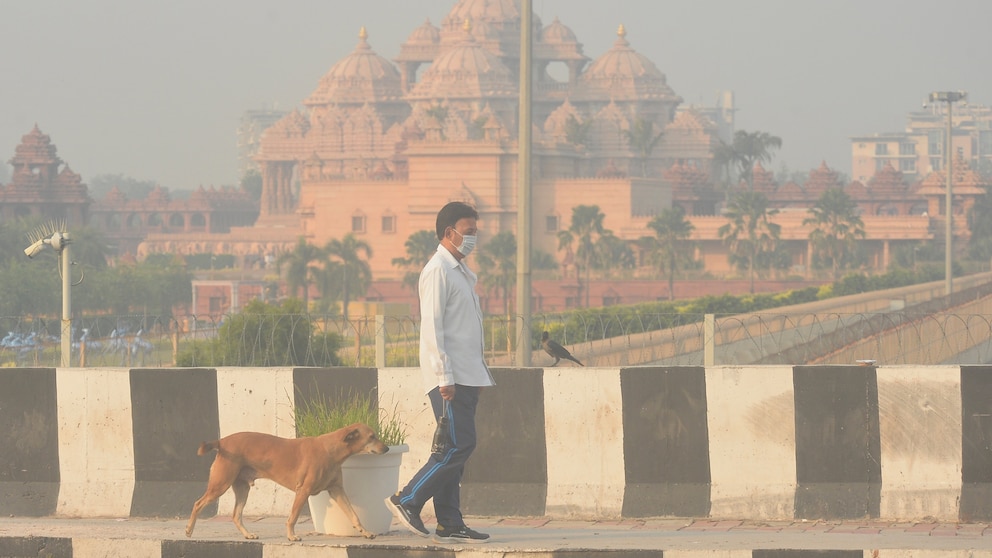
LONDON -- As Indians prepare for Diwali, the prominent Hindu festival of lights set to begin on Monday, during which many celebrants will be bursting firecrackers for almost three days, officials in New Delhi are debating ways to manage their already poor air quality.
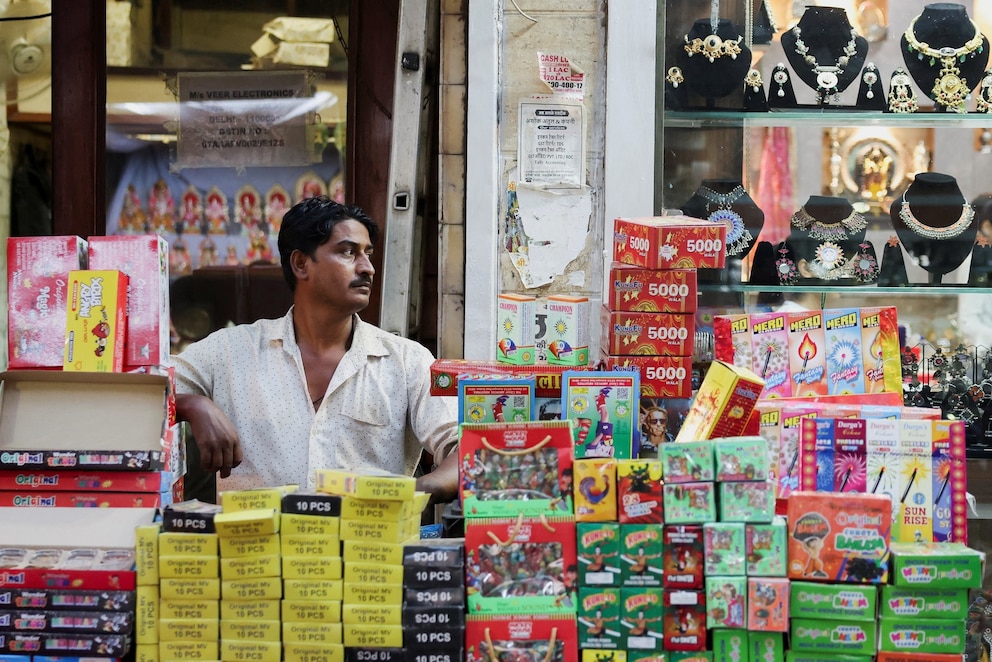
India's Supreme Court banned bursting traditional firecrackers, which are known locally as "crackers," in the city of New Delhi. Though in mid-October it allowed the use of "green" crackers.
Those crackers were developed by India’s Council of Scientific & Industrial Research at the National Environmental Engineering Research Institute. They "can reduce environmental footprint by 30-50%, and reduce usage of chemicals 30-70%,” Dr. Sadhana Rayalu, a former chief scientist, told ABC News.
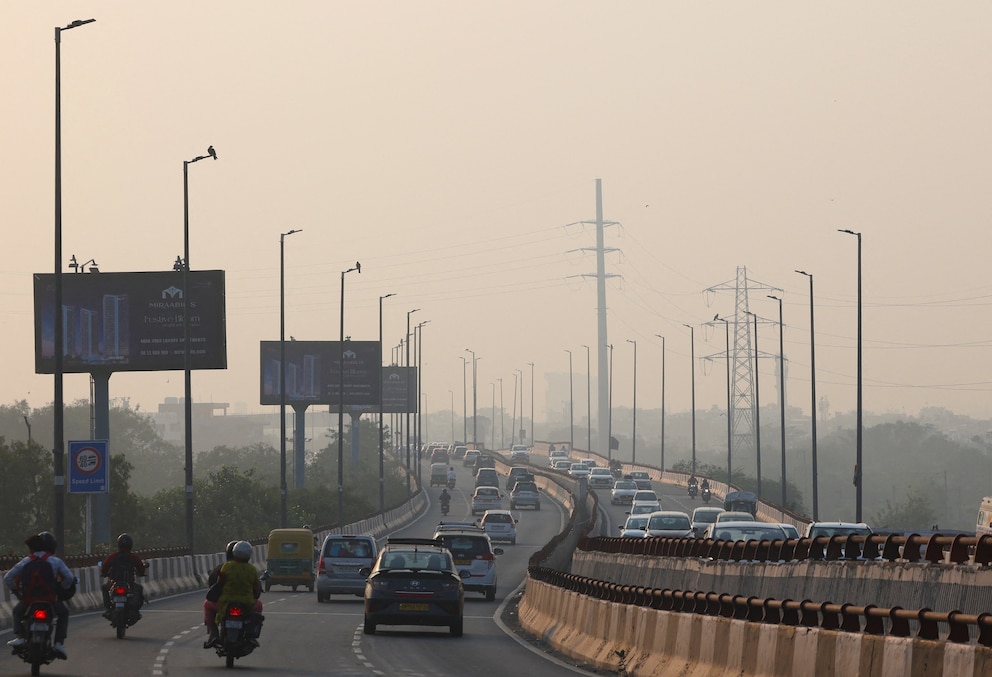
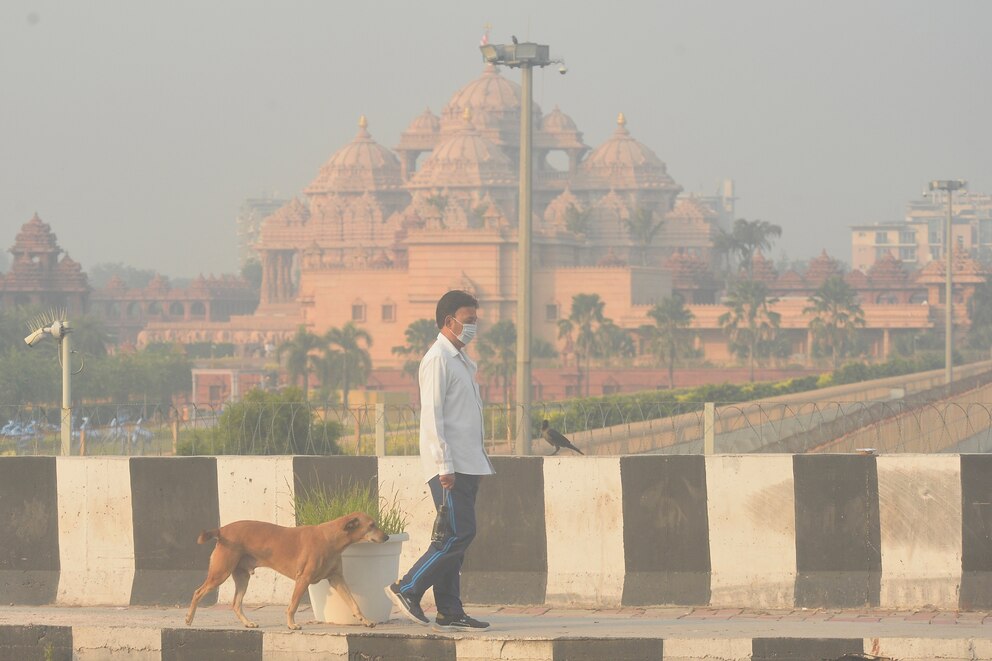
The air in India’s capital city has been hovering between 300-400 on the National Air Quality Index, placing it in the "very poor" category, in the week before the festival of Diwali. The U.S. Environmental Protection Agency's Air Quality Index considers anything over 300 to be hazardous and a health emergency.
The council developed "green" crackers "to address the environmental concerns and to protect the dwindling economy and livelihood of the fireworks industry," Rayalu said.
India produces nearly 50,000 tons of firecrackers annually, as part of an industry valued at the equivalent of about $723 million, according to a 2023 study. For "green" crackers, the manufacturers have to follow CSIR-NEERI’s approved formulations and guidelines.
The "green" firecrackers' formulations are based on potassium and strontium nitrate, which are relatively less toxic when compared to barium nitrate, Rayalu said.
The presence of additives like dust suppressants or water-releasing agents are intended to help reduce airborne particulate matter concentrations, she said. Those combine with other particles to increase the size, and, instead of being suspended in the air, they settle on the ground, she added.
Dr. Rajeev Kumar Mishra, with two other researchers, found in a 2022 study that even with the use of "green" crackers there were large amounts of ultrafine particles during Diwali 2021. Those particles are smaller than 100 nanometers and penetrate deep into the lungs, much worse than PM2.5, which are airborne particles with a diameter of 2.5 micrometers or less, said Mishra, who is an environmental engineering professor at Delhi Technological University, India.
"Green crackers are less harmful than the traditional ones, but not eco-friendly," he said.
Air pollution exposure makes one more susceptible to stroke, ischaemic heart disease, chronic obstructive pulmonary disease, lung cancer and pneumonia, according to the World Health Organization.
Mishra said that more research would be required to see the efficiency of these "green" crackers in real-world situations.
"They reduce emissions and motivate other researchers and scientists to produce crackers that can reduce emissions even more," Mishra told ABC News.
For this year's Diwali, the court judgment allowed cracker-bursting during specified time slots -- 6 to 7 a.m. and 8 to 10 p.m. -- on the day before and the day of the festival.
For manufacturers producing "green" crackers, it's mandatory to register with the authorities. And there are embedded QR codes on products to help curb counterfeit ones.
But the limited time frame may pose challenges for enforcement.
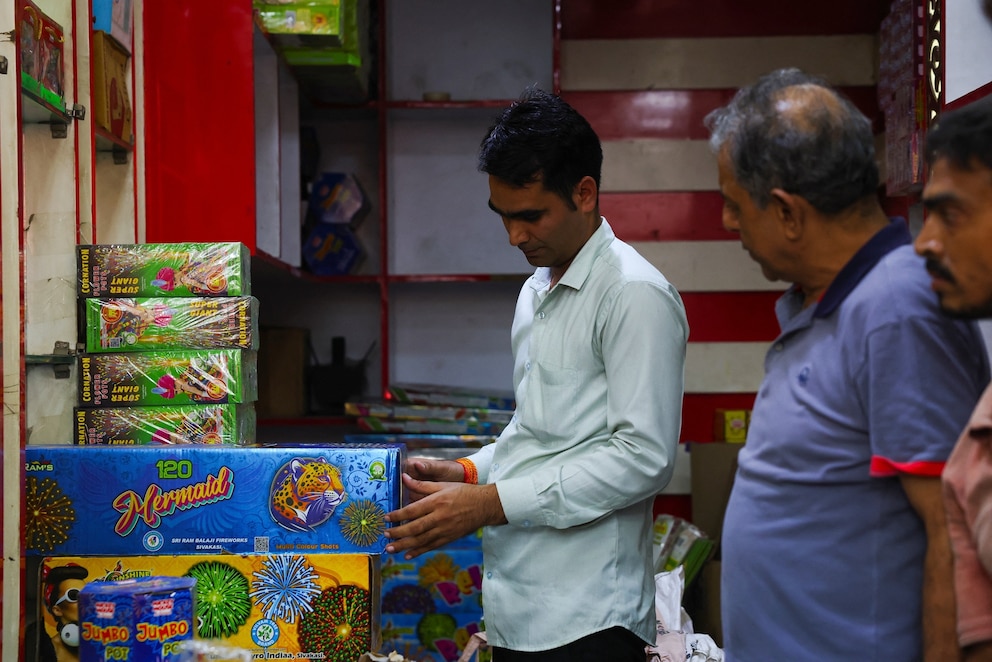
While Delhi allows only "green" crackers, other adjacent states don’t have such regulations.
"We have police at the state border checkpoints to ensure traditional crackers don’t enter the city," said Sanjay Tyagi, a spokesperson with Delhi Police. "We can see what people are selling, but it will be difficult to see if they burst traditional crackers."