Invasive species of disease-carrying mosquito continues to spread in Northern California
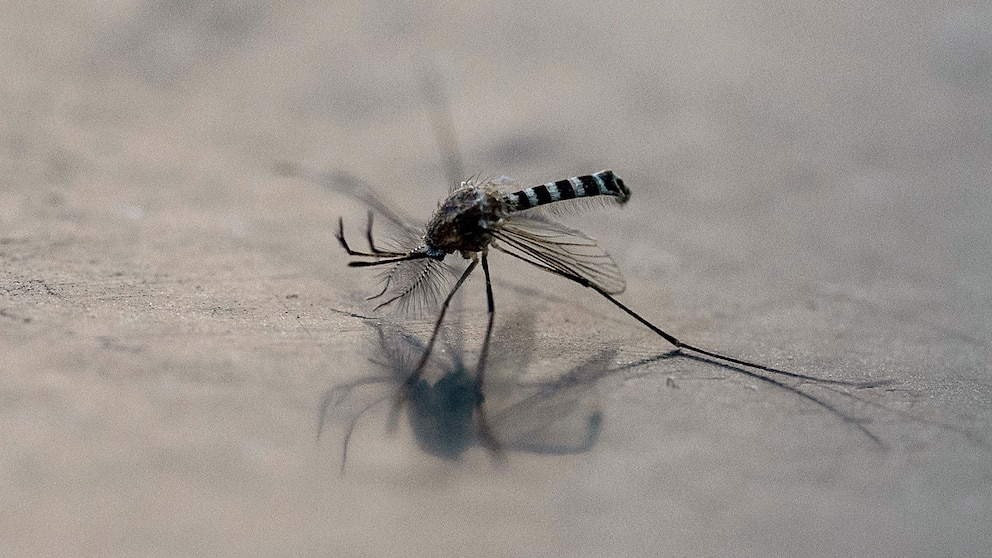
Populations of an invasive species of disease-carrying mosquitoes are continuing to spread throughout Northern California, including the San Francisco Bay Area, according to health officials.
Aedes aegypti -- known for its capability to transmit diseases such as dengue, yellow fever, chikungunya and Zika -- were detected in San Jose near Kelley Park, the County of Santa Clara Vector Control District announced on Friday.
This is the first time A. aegypti was found in that particular area of San Jose, Taylor Kelly, the scientific-technical services manager of the Santa Clara County Mosquito and Vector Control District, told ABC News.
"This year in particular, we've had so many detections throughout new parts of the county," Kelly said.

In the U.S., A. aegypti is typically found in the South, Southwest and Puerto Rico. It is also commonly found in tropical and subtropical areas of the world, including countries in Africa, Asia and southern Europe, according to the U.S. Centers for Disease Control and Prevention.
The species was first detected in California in 2013 and has been detected throughout 27 counties since -- especially in Southern California and the Central Valley, according to the California Department of Public Health. Earlier this month, Los Angeles County reported its first case of locally acquired dengue for the 2025 mosquito season -- with A. aegypti the likely culprit, Kelly said.
Populations have been spreading steadily throughout Northern California since the spring, according to health officials. A. aegypti, in particular, has the ability to "move with people," whether it be following them into their car or home or breeding in extremely small containers.
In Santa Clara County, it appears A. aegypti has become established, Kelly said.
"I do think it's something that residents are going to be notice because of the nuisance biting," she said.
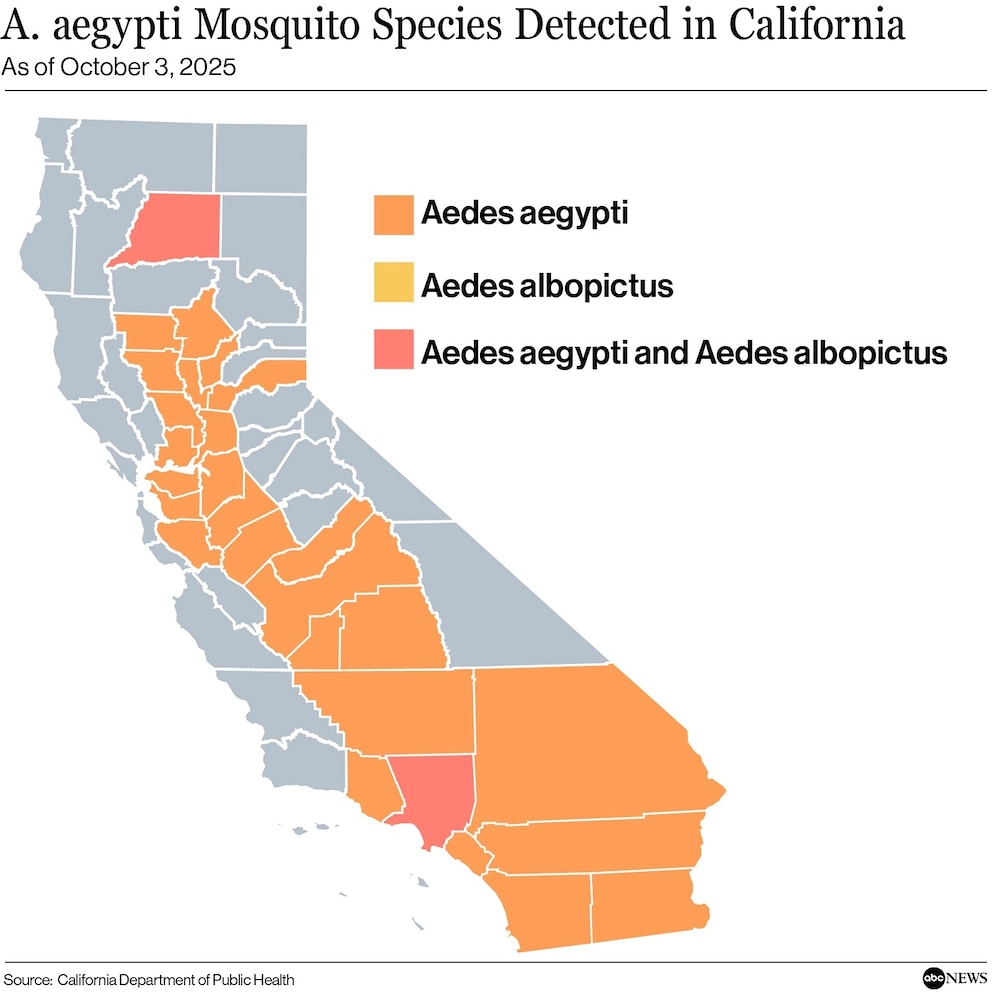
The species has been linked to local transmission of the dengue virus in California, according to the California Department of Health.
Climate change may be playing a role in the spread of mosquito populations and vector-borne diseases all over the world, as the insects thrive in warm and humid conditions, according to the World Mosquito Program. Mosquitoes have been discovered in Iceland for the first time, leaving Antarctica as the only region in the world where the insect does not reside.
In California, climate has likely played a "very important role," but other factors have likely facilitated the spread in the Bay Area, such as a developed resistance to insecticides, Kelly said.
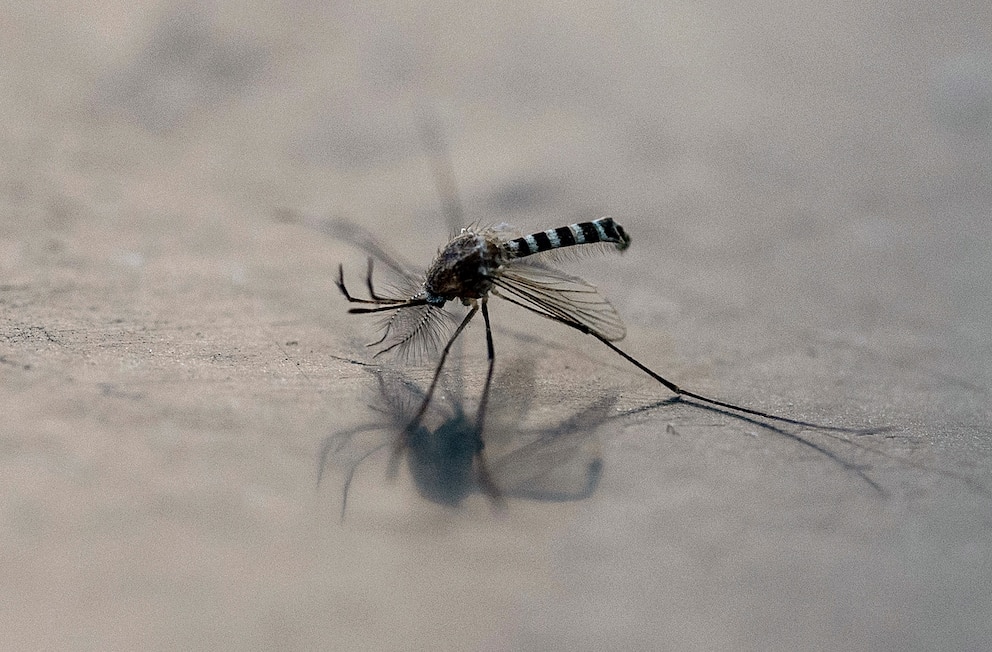
A. aegypti is characterized by the white bands on its legs, white spots on the body and stripes on the upper body. They are "aggressive daytime biters," according to Santa Clara County.
In addition, A. aegypti can lay eggs in container-like flowerpots, pet bowls and backyards, which can exacerbate the spread, officials said, urging residents to dump any standing water in their yards and scrub out containers that could catch rainfall.
"Everybody should dump and drain any standing water on their property at least once a week," Kelly said.
The species can pose as a "top public health threat," said Roberto Barrera, lead entomologist at the CDC's Dengue Branch.
"These tiny troublemakers are responsible for spreading viruses that affect millions of people," Barrera said in a statement.
California health officials have encouraged residents to report bites that happen during the day immediately and to document and send photos of mosquitoes that have black and white stripes.