• Video
  • Shop
  • Culture
  • Family
  • Wellness
  • Food
  • Living
  • Style
  • Travel
  • News
  • Book Club
  • Newsletter
  • Privacy Policy
  • Your US State Privacy Rights
  • Children's Online Privacy Policy
  • Interest-Based Ads
  • Terms of Use
  • Do Not Sell My Info
  • Contact Us
  • © 2026 ABC News
  • News

Invasive species of mosquito that could transmit diseases from animals to people found in Florida

1:18
Headlines from ABC News Live
STOCK PHOTO/Getty Images
ByJulia Jacobo
March 16, 2021, 6:12 PM

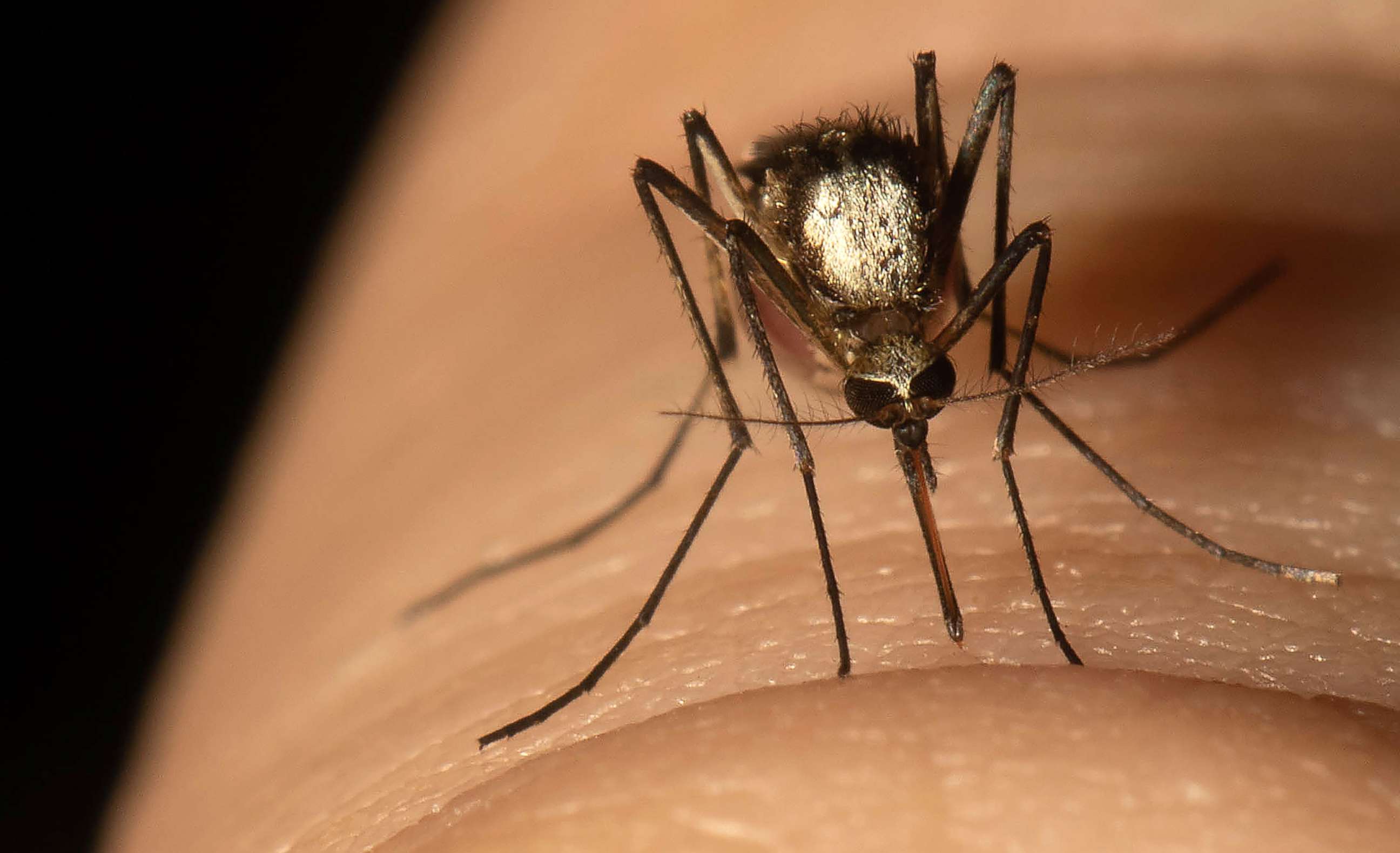
A new invasive species of mosquito that has the potential to transfer diseases from animals to humans has been found in Florida.

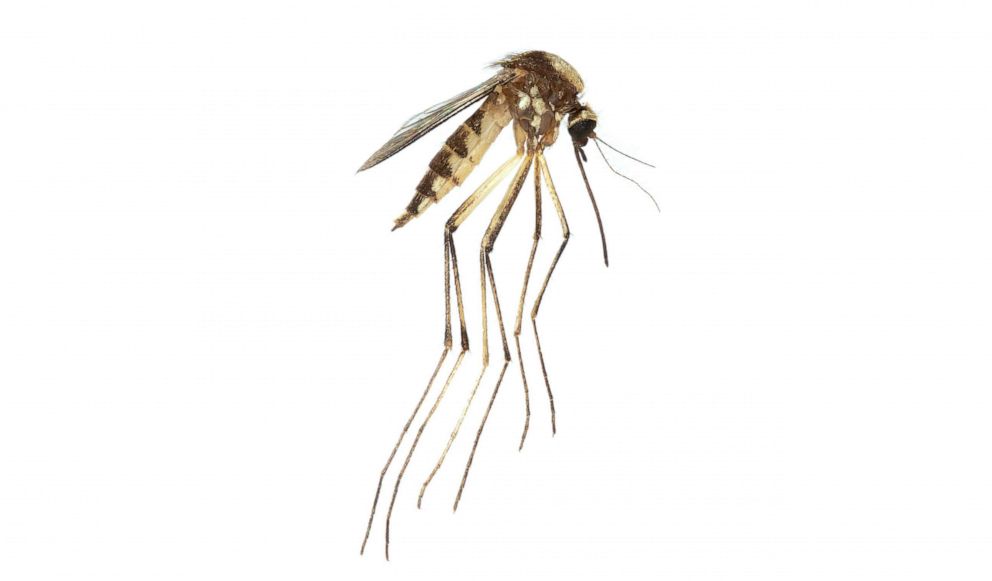
The species, Aedes scapularis, was predominately found in South and Central America, as well as the Caribbean islands, but it recently became established in South Florida for the first time, according to a study published in the journal Insects, part of the Multidisciplinary Digital Publishing Institute.
Scientists have found Aedes scapularis mosquitoes near Everglades National Park in Florida.
Lawrence Reeves/University of Florida

Aedes scapularis is known to transmit pathogens and has potential public health implications for the Sunshine State, according to the study. It could present the dispersal and establishment of diseases from other countries into the U.S., scientists said.

Related Articles

MORE: Florida Keys to release modified mosquitoes to fight illness

Scientists are now tracking the species see how it spreads throughout the state, as at least 16 counties in Florida, as well as parts Texas and along the Gulf Coast, have been predicted to be "highly suitable" for it to thrive.

Waterways wind through the Everglades National Park in Florida, in an undated stock photo.
STOCK PHOTO/Getty Images

In Brazil, the mosquitos have been found to be infected with diseases such as the yellow fever virus and the Venezuelan equine encephalitis virus.

Related Articles

MORE: Florida health officials announce uptick in mosquito-borne virus that causes brain swelling

The mosquito feeds on both animals and humans, posing the possibility of a spillover event, which involves a virus overcoming barriers to become feasible in another species. Researchers believe the COVID-19 pandemic is the result of a spillover event, after the virus was reportedly transferred from bats to humans.
Dr. Lawrence Reeves from the University of Florida collected Aedes scapularis mosquitoes near Everglades National Park in Florida.
Lawrence Reeves/UFL

Climate change also plays a factor, scientists said. As the global temperature warms, the geographical area where the species can thrive may increase, creating a larger area in which to spread disease.

Up Next in News—

Gas station clerk speaks out after foiling alleged kidnapping

April 15, 2026

Oklahoma high school principal takes down would-be shooter, hailed as hero

April 15, 2026

Family seeks answers after influencer Ashlee Jenae is found dead on vacation in Tanzania

April 15, 2026

Couple shares warning after nearly losing down payment in mortgage fraud

April 10, 2026

Shop GMA Favorites

ABC will receive a commission for purchases made through these links.

Sponsored Content by Taboola

The latest lifestyle and entertainment news and inspiration for how to live your best life - all from Good Morning America.
  • Contests
  • Terms of Use
  • Privacy Policy
  • Do Not Sell My Info
  • Children’s Online Privacy Policy
  • Advertise with us
  • Your US State Privacy Rights
  • Interest-Based Ads
  • About Nielsen Measurement
  • Press
  • Feedback
  • Shop FAQs
  • ABC News
  • ABC
  • All Videos
  • All Topics
  • Sitemap

© 2026 ABC News
  • Privacy Policy— 
  • Your US State Privacy Rights— 
  • Children's Online Privacy Policy— 
  • Interest-Based Ads— 
  • Terms of Use— 
  • Do Not Sell My Info— 
  • Contact Us— 

© 2026 ABC News