Iran protests continue with at least 29 killed, 1,200 detained, activists say
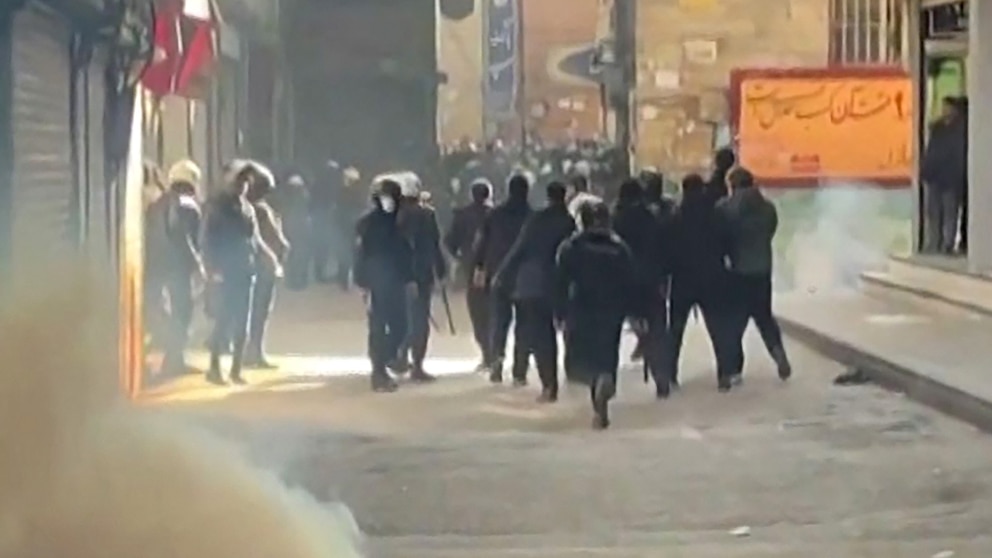
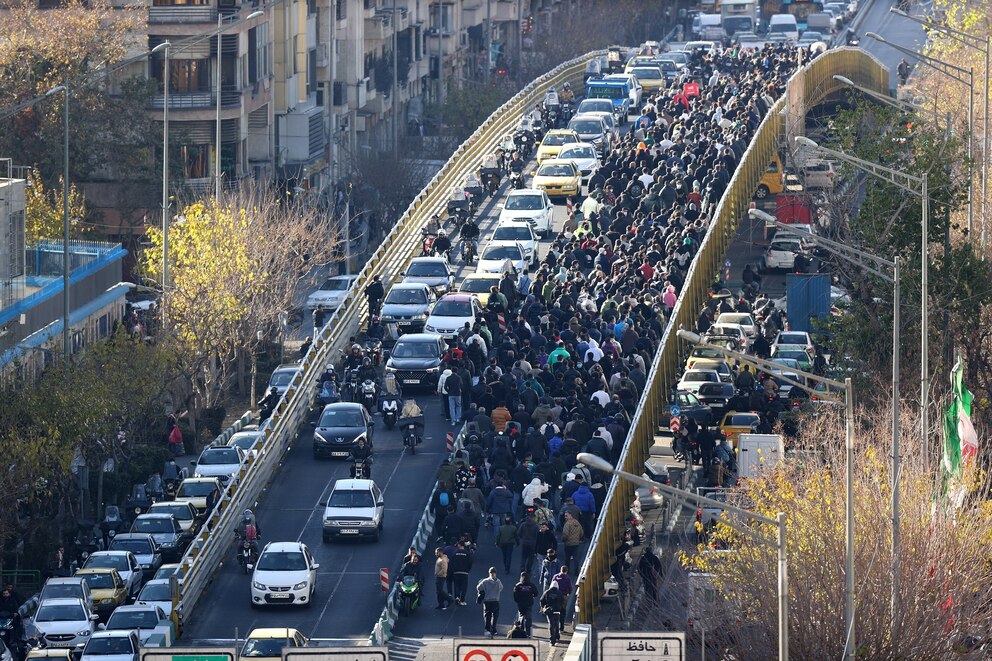
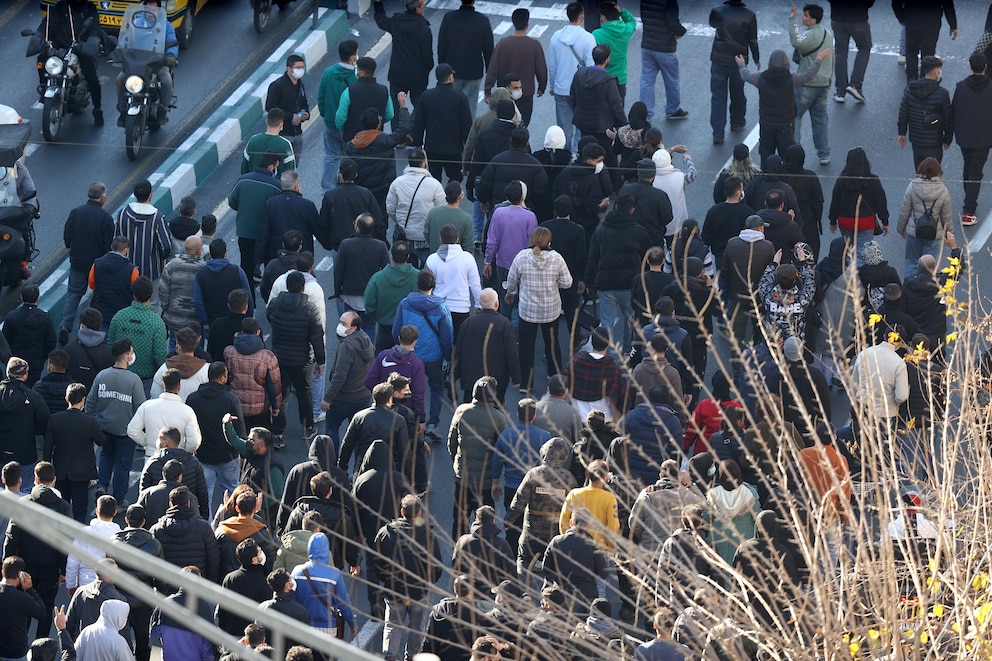
LONDON -- At least 29 protesters have been killed and more than 1,200 people have been detained in nine days of anti-government protests in Iran, according to data published by the U.S.-based Human Rights Activists News Agency (HRANA).
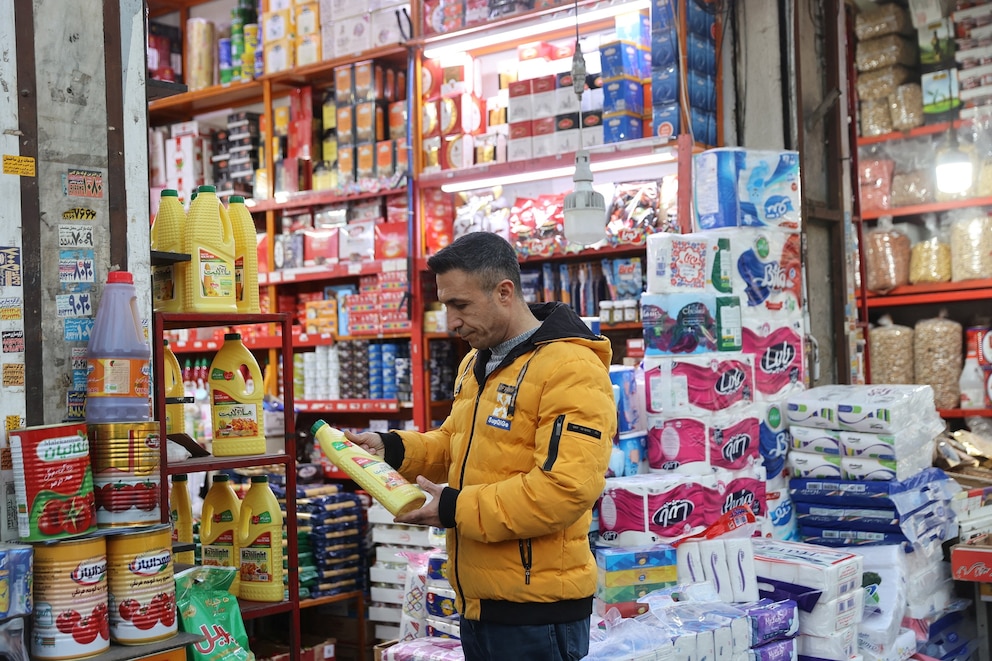
Protests have been erupting across the country since late December. The first marches took place in downtown Tehran, with participants demonstrating against rising inflation and the falling value of the national currency -- the rial.
As the protests spread, some have taken on a more explicitly anti-government tone, with some protesters chanting slogans including "student, be the voice of your people," and "death to Islamic Republic."
The theocratic government in Tehran -- headed by Supreme Leader Ayatollah Ali Khamenei -- moved to tame the protests, with security forces reportedly using tear gas and live ammunition to disperse gatherings.
Iranian President Masoud Pezeshkian acknowledged the protesters' demands in a post on his X account on Monday, saying in part that "the livelihood of the people" is his "daily concern."
"We have fundamental actions on the agenda to reform the monetary and banking system and preserve the purchasing power of the people," he said, adding that he had ordered the interior minister "to hear the legitimate demands of the protesters through dialogue with their representatives, so that the government can act with all its might to resolve problems and respond responsibly."
The Iranian government has not released its own statistics on the protests. The overall death toll stood on Tuesday at 35, according to HRANA, which said four children and two members of the security forces had also died.
Khamenei also said the government would engage with protesters, though he threatened punitive action against what he called "rioters."
"We talk to protesters, the officials must talk to them," Khamenei said. "But there is no benefit to talking to rioters. Rioters must be put in their place."
Khamenei also alleged that foreign powers like Israel or the U.S. were driving the protests -- a common allegation from officials in Tehran when protest movements erupt in the country. Khamenei offered no evidence to support the assertion. The ayatollah also blamed "the enemy" for the collapse in the value of the rial.
"A bunch of people incited or hired by the enemy are getting behind the tradesmen and shopkeepers and chanting slogans against Islam, Iran and the Islamic Republic," he said. "This is what matters most."
U.S. President Donald Trump, meanwhile, warned Tehran against the use of force to suppress the protests.
Trump said last week that the U.S. is "locked and loaded." In a post on his social media platform early Friday morning, Trump vowed that "if Iran [shoots] and violently kills peaceful protesters," then the U.S. would step in and "rescue" them.
The president did not specify by what means such a "rescue" would occur, but he added that the U.S is "locked and loaded and ready to go."
The current round of protests is the most significant in Iran since nationwide protests rocked the country in 2021 and 2022, following the death of 22-year-old Mahsa Amini.
Amini died in a hospital in Tehran after she was arrested by police for allegedly not wearing the hijab, per the country's sharia-based law. Hundreds were killed and tens of thousands were arrested in the resulting outcry and subsequent government crackdown across the country.
ABC News' Emily Chang and Somayeh Malekian contributed to this report.